Robin Ostle – författare
Visar alla böcker från författaren Robin Ostle. Handla med fri frakt och snabb leverans.
8 produkter
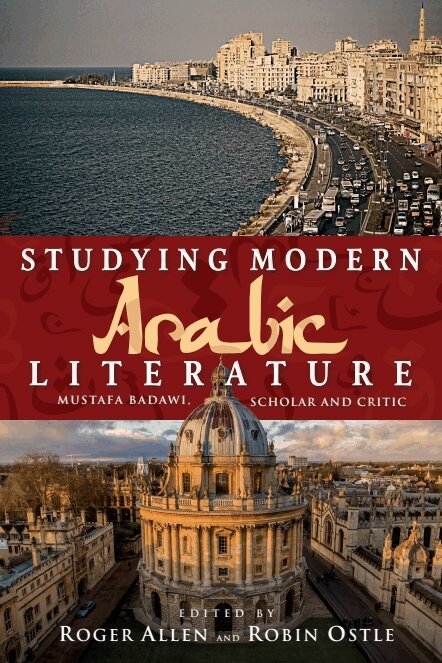
Studying Modern Arabic Literature
Mustafa Badawi, Scholar and Critic
E-bok, 2015
375 kr
Lägg i varukorg
This book is about the career and academic legacy of Mustafa Badawi who transformed the study of Modern Arabic Literature in Western academe in the second half of the 20th century. During the decades after his appointment in Oxford in 1964, he communicated to students and the wider public the …
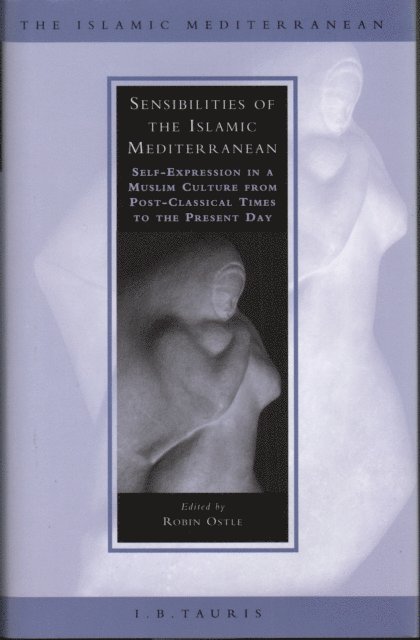
Sensibilities of the Islamic Mediterranean
Self-Expression in a Muslim Culture from Post-Classical Times to the Present Day
Av Robin Ostle
E-bok, 2008
2087 kr
Lägg i varukorg
From the mountains of Lebanon to the shores of Turkey and North Africa, the Islamic Mediterranean has always been a dynamic cultural hub, where the stories and passions of East and West collide. In a sweeping survey spanning the first Arabic edition of the "Thousand and One Nights" to the novels of …
Modern Literature in the Near and Middle East, 1850-1970
Av Robin Ostle
Inbunden, 2016
2896 kr
Lägg i varukorg
Enormous political and social changes brought about by modernization have naturally found expression in the literatures of the Near and Middle East. The contributors to this book, first published in 1991, trace the development of modern literary sensibility, in Turkish, Arabic, Persian and modern …
Modern Literature in the Near and Middle East, 1850-1970
Av Robin Ostle
Häftad, 2018
713 kr
Lägg i varukorg
Enormous political and social changes brought about by modernization have naturally found expression in the literatures of the Near and Middle East. The contributors to this book, first published in 1991, trace the development of modern literary sensibility, in Turkish, Arabic, Persian and modern …
Modern Literature in the Near and Middle East, 1850-1970
Av Robin Ostle
E-bok, 2016
837 kr
Lägg i varukorg
Enormous political and social changes brought about by modernization have naturally found expression in the literatures of the Near and Middle East. The contributors to this book, first published in 1991, trace the development of modern literary sensibility, in Turkish, Arabic, Persian and modern …
Modern Literature in the Near and Middle East, 1850-1970
Av Robin Ostle
E-bok, 2016
812 kr
Lägg i varukorg
Enormous political and social changes brought about by modernization have naturally found expression in the literatures of the Near and Middle East. The contributors to this book, first published in 1991, trace the development of modern literary sensibility, in Turkish, Arabic, Persian and modern …
Studying Modern Arabic Literature
Mustafa Badawi, Scholar and Critic
Häftad, 2026
289 kr
Lägg i varukorg
Prior to the 1960s the study of Arabic literature, both classical and modern, had barely been emancipated from the academic approaches of Orientalism. The appointment of Mustafa Badawi as Oxford University's first Lecturer in Modern Arabic Literature changed the face of this subject. Badawi’s …
Studying Modern Arabic Literature
Mustafa Badawi, Scholar and Critic
E-bok, 2015
375 kr
Lägg i varukorg
This book is about the career and academic legacy of Mustafa Badawi who transformed the study of Modern Arabic Literature in Western academe in the second half of the 20th century. During the decades after his appointment in Oxford in 1964, he communicated to students and the wider public the …