Robyn Tyler - Böcker
Visar alla böcker från författaren Robyn Tyler. Handla med fri frakt och snabb leverans.
4 produkter
4 produkter
Del 4 - Translanguaging in Theory and Practice
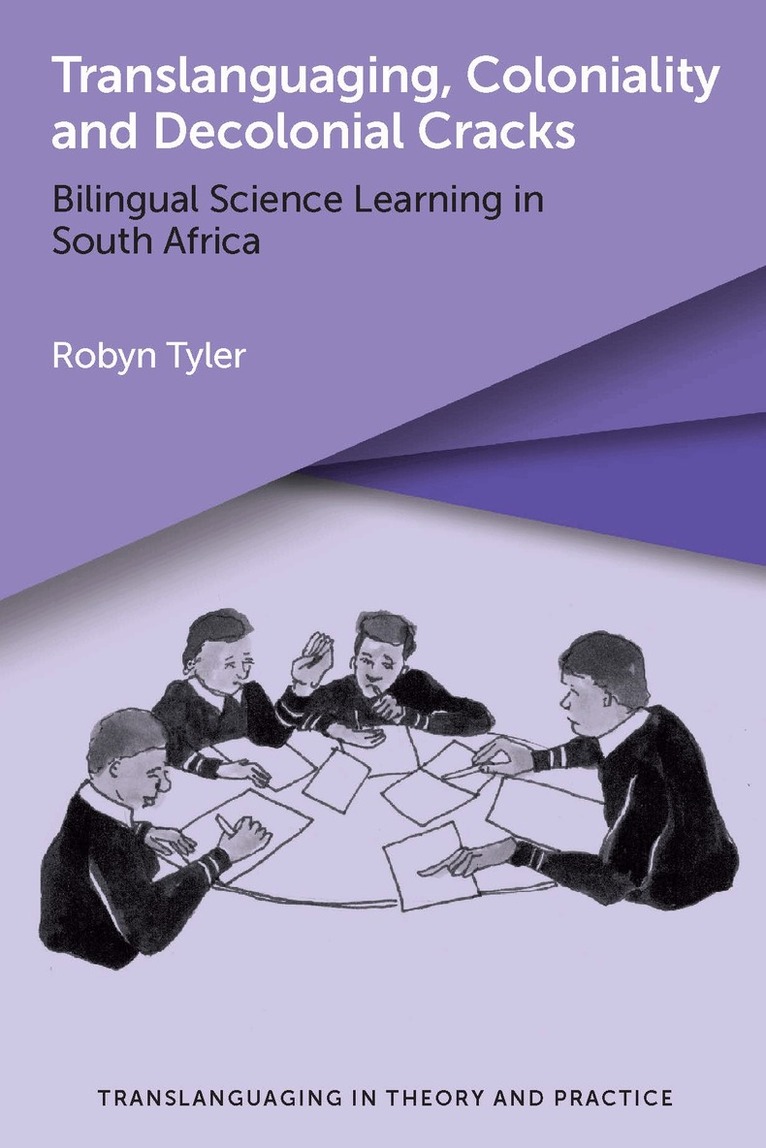
Translanguaging, Coloniality and Decolonial Cracks
Bilingual Science Learning in South Africa
Inbunden, Engelska, 2023
1 594 kr
Skickas inom 5-8 vardagar
In this linguistic ethnography of bilingual science learning in a South African high school, the author connects microanalyses of classroom discourse to broader themes of de/coloniality in education. The book challenges the deficit narrative often used to characterise the capabilities of linguistically-minoritised youth, and explores the challenges and opportunities associated with leveraging students’ full semiotic repertoires in learning specific concepts. The author examines the linguistic landscape of the school and the beliefs and attitudes of staff and students which produce both coloniality and cracks in the edifice of coloniality. A critical translanguaging lens is applied to analyse multilingual and multimodal aspects of students’ science meaning-making in a traditional classroom and a study group intervention. Finally, the book suggests implications for decolonial pedagogical translanguaging in Southern multilingual classrooms.
Translanguaging, Coloniality and Decolonial Cracks : Bilingual Science Learning in South Africa
Engelska, 2023
2 023 kr
Tillfälligt slut
Translanguaging, Coloniality and Decolonial Cracks : Bilingual Science Learning in South Africa
Engelska, 2023
2 023 kr
Tillfälligt slut
Del 4 - Translanguaging in Theory and Practice
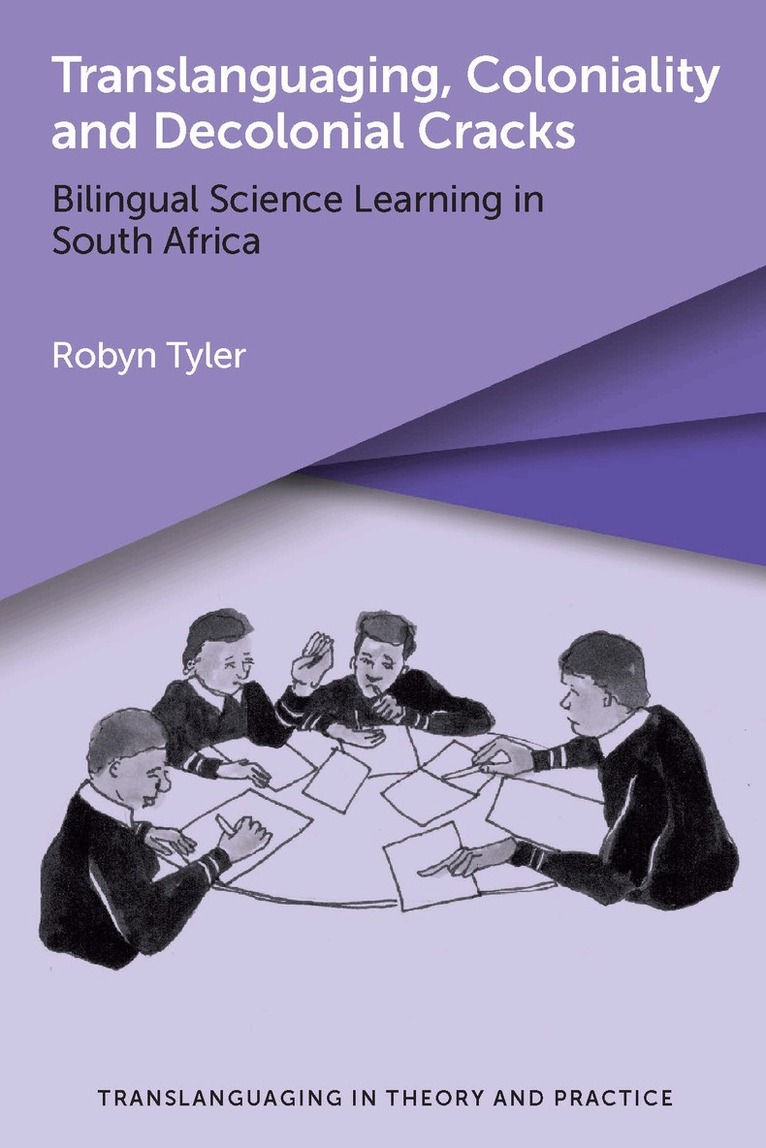
Translanguaging, Coloniality and Decolonial Cracks
Bilingual Science Learning in South Africa
Häftad, Engelska, 2023
462 kr
Skickas inom 5-8 vardagar
In this linguistic ethnography of bilingual science learning in a South African high school, the author connects microanalyses of classroom discourse to broader themes of de/coloniality in education. The book challenges the deficit narrative often used to characterise the capabilities of linguistically-minoritised youth, and explores the challenges and opportunities associated with leveraging students’ full semiotic repertoires in learning specific concepts. The author examines the linguistic landscape of the school and the beliefs and attitudes of staff and students which produce both coloniality and cracks in the edifice of coloniality. A critical translanguaging lens is applied to analyse multilingual and multimodal aspects of students’ science meaning-making in a traditional classroom and a study group intervention. Finally, the book suggests implications for decolonial pedagogical translanguaging in Southern multilingual classrooms.