Rodney Hessinger – författare
Visar alla böcker från författaren Rodney Hessinger. Handla med fri frakt och snabb leverans.
3 produkter
3 produkter
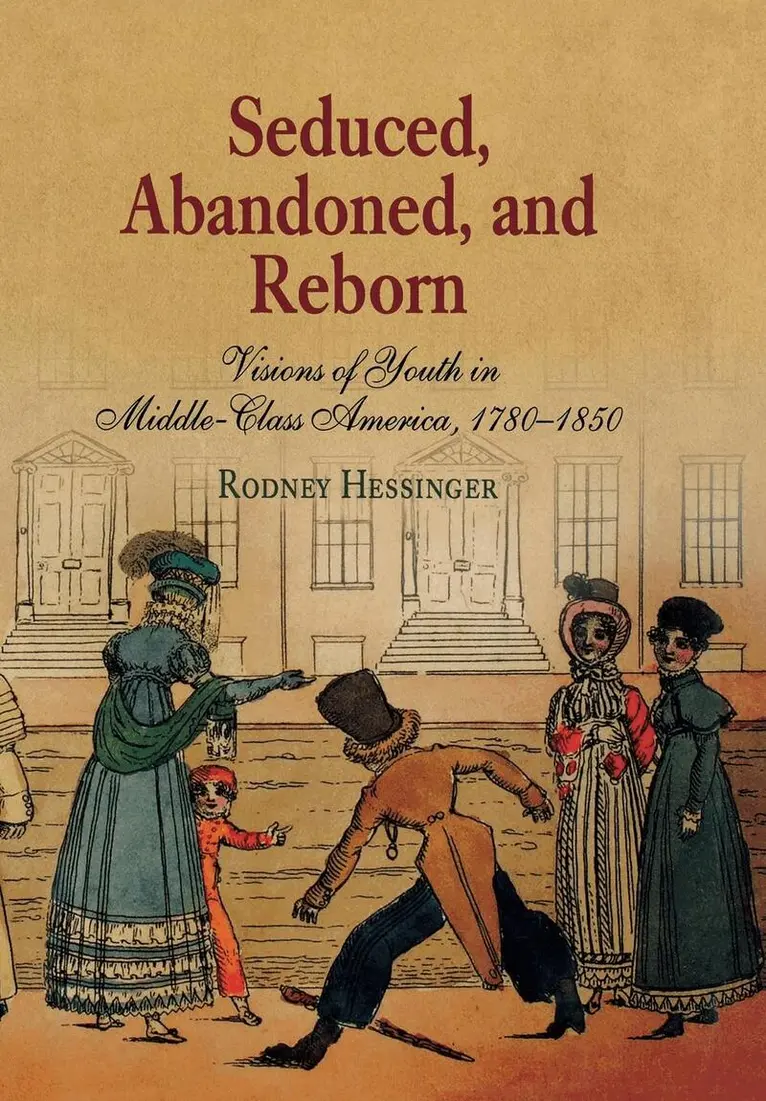
Seduced, Abandoned, and Reborn
Visions of Youth in Middle-Class America, 178-185
Inbunden, Engelska, 2005
723 kr
Skickas inom 10-15 vardagar
Seduced, Abandoned, and Reborn exposes the fears expressed by elders about young people in the early American republic. Those authors, educators, and moral reformers who aspired to guide youth into respectable stations perceived new dangers in the decades following independence. Battling a range of seducers in the burgeoning marketplace of early America, from corrupt peers to licentious prostitutes, from pornographic authors to firebrand preachers, these self-proclaimed moral guardians crafted advice and institutions for youth, hoping to guide them safely away from harm and toward success. By penning didactic novels and advice books while building reform institutions and colleges, they sought to lead youth into dutiful behavior. But, thrust into the market themselves, these moral guides were forced to compromise their messages to find a popular audience. Nonetheless, their calls for order did have lasting impact. In urban centers in the Northeast, middle-class Americans became increasingly committed to their notions of chastity, piety, and hard work.Focusing on popular publications and large urban centers, Hessinger draws a portrait of deeply troubled reformers, men and women, who worried incessantly about the vulnerability of youth to the perils of prostitution, promiscuity, misbehavior, and revolt.Benefiting from new insights in cultural history, Seduced, Abandoned, and Reborn looks at the way the categories of gender, age, and class took rhetorical shape in the early republic. In trying to steer young adults away from danger, these advisors created values that came to define the emerging middle class of urban America.
393 kr
Skickas inom 10-15 vardagar
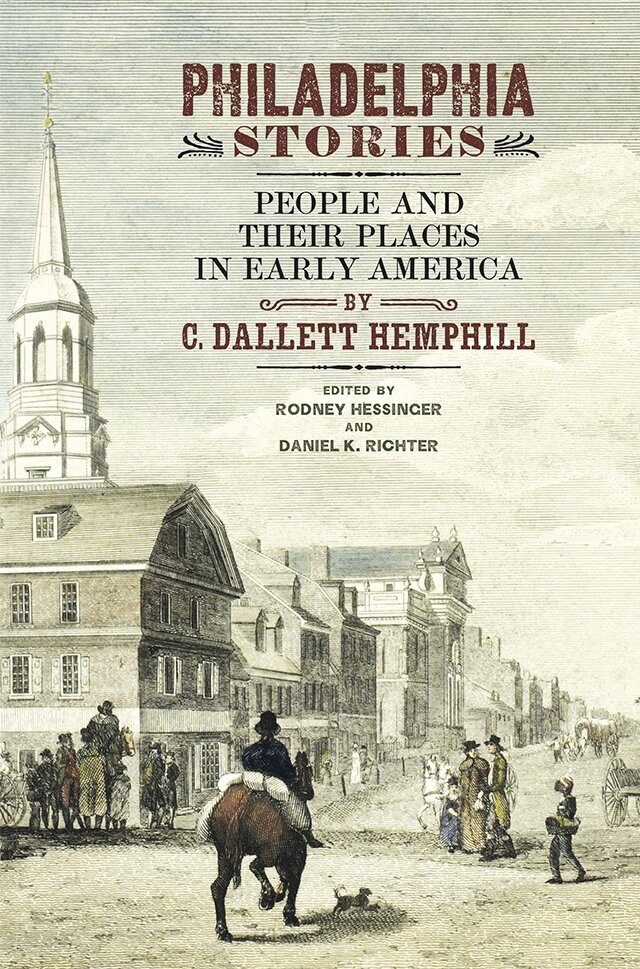
For the average tourist, the history of Philadelphia can be like a leisurely carriage ride through Old City. The Liberty Bell. Independence Hall. Benjamin Franklin. The grooves in the cobblestone are so familiar, one barely notices the ride. Yet there are other paths to travel, and the ride can be bumpy. Beyond the famed founders, other Americans walked the streets of Philadelphia whose lives were, in their own ways, just as emblematic of the promises and perils of the new nation.Philadelphia Stories chronicles twelve of these lives to explore the city's people and places from the colonial era to the years before the Civil War. This collective portrait includes men and women, Black and white Americans, immigrants and native born. If mostly forgotten today, banker Stephen Girard was one of the wealthiest men ever to have lived, and his material legacy can be seen by visiting sites such as Girard College. In a different register, but equally impressive, were the accomplishments of Sarah Thorn Tyndale. In a few short years as a widow she made enough money on her porcelain business to retire to a life as a reformer. Others faced frustration. Take, for example, Grace Growden Galloway. Born to an important family, she saw her home invaded and her property confiscated by patriot forces. Or consider the life of Francis Johnson, a Black bandleader and composer who often performed at the Musical Fund Hall, which still stands today. And yet he was barred from joining its Society. Philadelphia Stories examines their rich lives, as well as those of others who shaped the city's past.Many of the places inhabited by these people survive to this day. In the pages of this book and on the streets of the city, one can visit both the people and places of Philadelphia's rich history.
381 kr
Skickas inom 10-15 vardagar
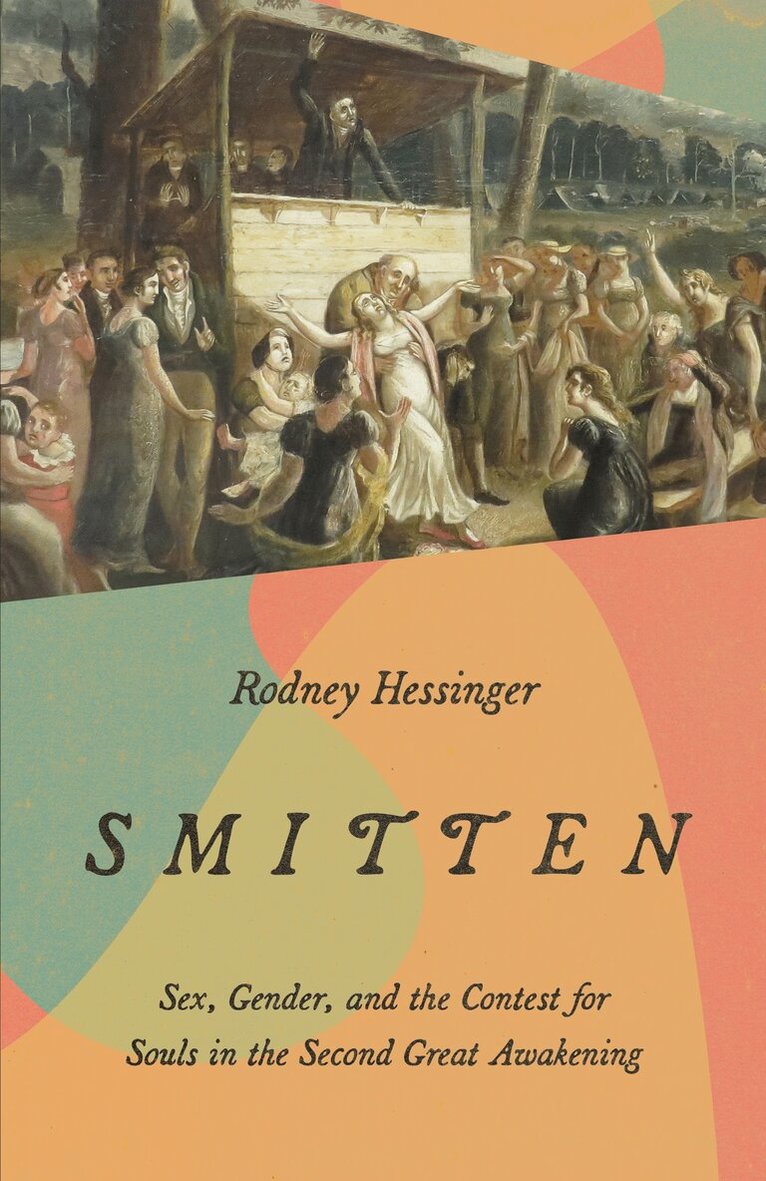
In Smitten, Rodney Hessinger examines how the Second Great Awakening disrupted gender norms across a breadth of denominations. The displacement and internal migration of Americans created ripe conditions for religious competition in the North. Hessinger argues that during this time of religious ferment, religious seekers could, in turn, play the missionary or the convert. The dynamic of religious rivalry inexorably led toward sexual and gender disruption. Contending within an increasingly democratic religious marketplace, preachers had to court converts in order to flourish. They won followers through charismatic allure and making concessions to the desires of the people. Opening their own hearts to new religious impulses, some religious visionaries offered up radical dispensations—including new visions of how God wanted them to reorder sex and gender relations in society. A wide array of churches, including Methodists, Baptists, Mormons, Shakers, Catholics, and Perfectionists, joined the fray. Religious contention and innovation ultimately produced backlash. Charges of seduction and gender trouble ignited fights within, among, and against churches. Religious opponents insisted that the newly converted were smitten with preachers, rather than choosing churches based on reason and scripture. Such criticisms coalesced into a broader pan-Protestant rejection of religious enthusiasm. Smitten reveals the sexual disruptions and subsequent domestication of religion during the Second Great Awakening.