Roger S. Bagnall – författare
2 985 kr
Skickas inom 5-8 vardagar
839 kr
Läs direkt efter köp
876 kr
Skickas inom 5-8 vardagar
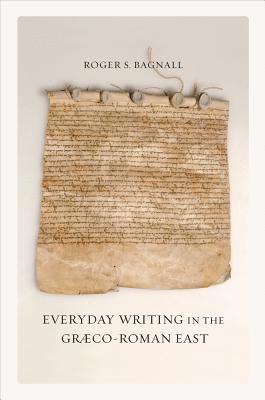
Everyday Writing in the Graeco-Roman East
1 147 kr
Skickas inom 5-8 vardagar
Everyday Writing in the Graeco-Roman East
341 kr
Skickas inom 5-8 vardagar
580 kr
Läs direkt efter köp
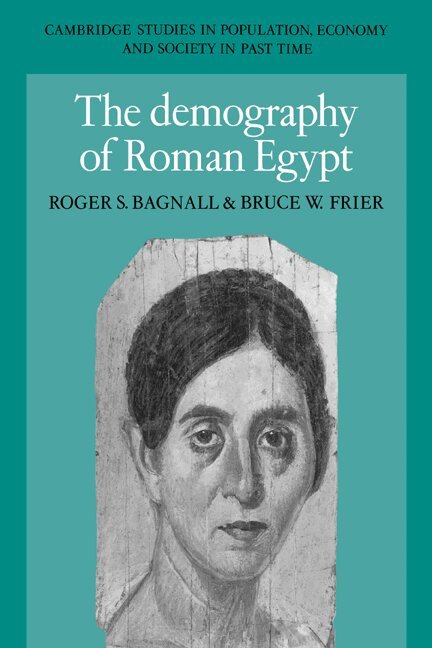
The Demography of Roman Egypt
409 kr
Skickas inom 7-10 vardagar
783 kr
Skickas inom 7-10 vardagar
1 822 kr
Skickas inom 7-10 vardagar
888 kr
Skickas inom 3-6 vardagar
488 kr
Skickas inom 5-8 vardagar
2 336 kr
Skickas inom 10-15 vardagar
766 kr
Skickas inom 10-15 vardagar
2 511 kr
Skickas inom 10-15 vardagar
648 kr
Skickas inom 10-15 vardagar
Undertakers of the Great Oasis (P. Nekr.)
1 589 kr
Skickas inom 5-8 vardagar
2 118 kr
Skickas inom 10-15 vardagar
665 kr
Läs direkt efter köp
2 770 kr
Läs direkt efter köp
970 kr
Läs direkt efter köp
1 702 kr
Skickas inom 7-10 vardagar
547 kr
Skickas inom 7-10 vardagar
1 614 kr
Skickas inom 7-10 vardagar
1 890 kr
Läs direkt efter köp
1 890 kr
Läs direkt efter köp
1 365 kr
Skickas inom 7-10 vardagar
391 kr
Skickas inom 7-10 vardagar
473 kr
Läs direkt efter köp
473 kr
Läs direkt efter köp
762 kr
Läs direkt efter köp
Since its first publication in 1995, Reading Papyri, Writing Ancient History has proved to be an invaluable resource for students of the ancient world looking to integrate papyrological evidence into their research. In the quarter century since its publication, changes in the research environment have affected papyrology like other fields. Although the core philological methods of the field remain in place, the field has increasingly embraced languages other than Greek and Latin, with considerable impact on the Hellenistic and Late Antique periods. Digital tools have increased the ease and speed of access, with profound effects on research choices, and digital imaging and materiality studies have brought questions about the physical form of written materials to the fore.
In this fully revised new edition, Bagnall adds to the previous analysis a portrait of how the use of papyri for historical research has developed during recent decades. Updated with the latest research and insights from the author, the volume guides historians in how to use these scattered and often badly damaged documents, and to interpret them in order to create a full and diverse picture of ancient society and culture.
This second edition of Reading Papyri, Writing Ancient History continues to offer students and researchers of the ancient world a critical resource in navigating how to use these ancient texts in their research.