Rogoyska Jane Rogoyska – författare
Visar alla böcker från författaren Rogoyska Jane Rogoyska. Handla med fri frakt och snabb leverans.
16 produkter
16 produkter
E-bok
Spanska, 2019117 kr
Läs direkt efter köp
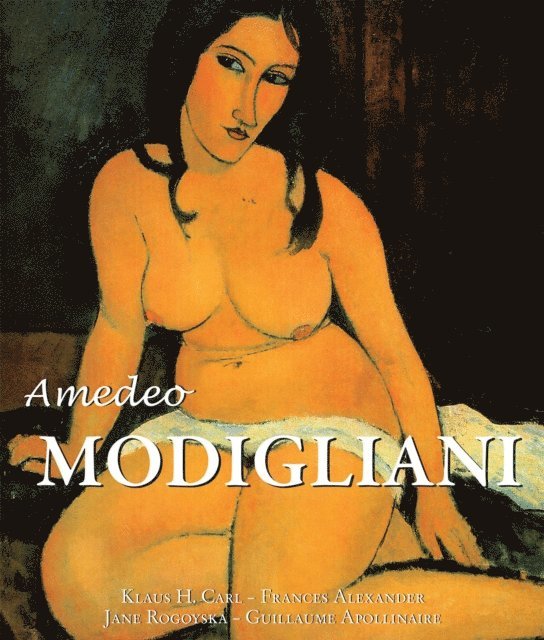
Modigliani (1884-1920) era un artista que no encontró mucha felicidad en su Italia natal, y en la tierra adoptiva de Francia sólo encontró tristeza. De esta infelicidad nació una extraordinaria y original producción de obras, influenciada por el arte africano, el movimiento cubista y las noches de alcohol de Montparnasse.Sus desnudos femeninos, con su profunda sensualidad casi agresiva, con sus rostros enigmáticos, parecen expresar todo el sufrimiento y la falta de reconocimiento de Modigliani.Modigliani murió a la edad de treinta y cinco años. Este libro contiene pinturas que, en aquel entonces, provocaron un gran escándalo, pero que en la actualidad parecen inofensivas.
E-bok
Franska, 2019117 kr
Läs direkt efter köp
Modigliani (1884-1920), peintre sans bonheur dans son Italie natale, ne connut que le chagrin dans sa terre d’adoption, la France. De ce mal-être, l’artiste constitue une œuvre originale, influencée par l’Art africain, les Cubistes et les nuits alcoolisées de Montparnasse.Sa vision de la femme, au corps sensuel, à la nudité presque agressive, aux visages énigmatiques, exprime toute sa souffrance d’être mal aimé, injustement méconnu.Modigliani est mort à l’âge de 36 ans. Ce livre se compose des toiles qui firent scandale en leur temps et qui paraissent aujourd’hui bien sages.
E-bok
Tyska, 2019117 kr
Läs direkt efter köp
Der Künstler Modigliani (1884-1920) fand wenig Glück in seinem Geburtsland Italien und nur Kummer in seiner Wahlheimat Frankreich. Aus dieser Traurigkeit heraus schuf er ein individuelles und außergewöhnliches Werk, das Einflüsse afrikanischer Kunst, des Kubismus und vieler betrunkener Nächte in Montparnasse in sich trägt.Mit ihrer tiefen Sinnlichkeit und der fast aggressiven Nacktheit scheinen seine weiblichen Akte und deren geheimnisvollen Gesichter die Gesamtheit Modiglianis Leidens und Nichtanerkennung auszudrücken. Modigliani starb bereits im Alter von 36 Jahren. Dieses Buch enthält Bilder, die damals große Skandale verursachten, heutzutage aber fast harmlos wirken.
E-bok
PDF, Engelska, 2011161 kr
Läs direkt efter köp
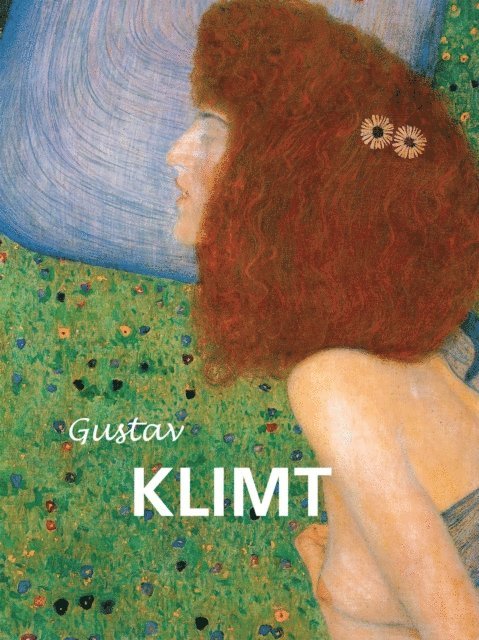
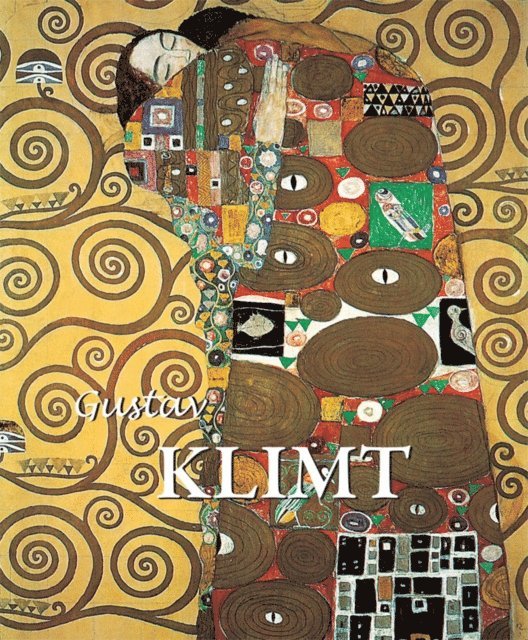
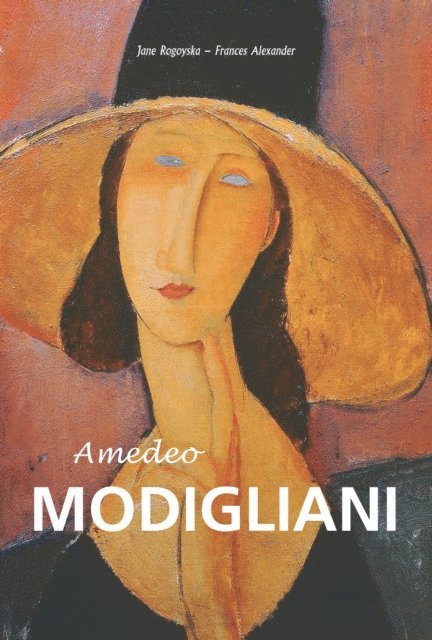
“I am not interested in myself as a subject for painting, but in others, particularly women…”Beautiful, sensuous and above all erotic, Gustav Klimt’s paintings speak of a world of opulence and leisure, which seems aeons away from the harsh, post-modern environment we live in now. The subjects he treats – allegories, portraits, landscapes and erotic figures – contain virtually no reference to external events, but strive rather to create a world where beauty, above everything else, is dominant. His use of colour and pattern was profoundly influenced by the art of Japan, ancient Egypt, and Byzantium. Ravenne, the flat, two-dimensional perspective of his paintings, and the frequently stylised quality of his images form an oeuvre imbued with a profound sensuality and one where the figure of woman, above all, reigns supreme. Klimt’s very first works brought him success at an unusually young age. Gustav, born in 1862, obtained a state grant to study at Kunstgewerbeschule (the Vienna School of Arts and Crafts) at the age of fourteen. His talents as a draughtsman and painter were quickly noticed, and in 1879 he formed the Künstlercompagnie (Artists’ Company) with his brother Ernst and another student, Franz Matsch. The latter part of the nineteenth century was a period of great architectural activity in Vienna. In 1857, the Emperor Franz Joseph had ordered the destruction of the fortifications that had surrounded the medieval city centre. The Ringstrasse was the result, a budding new district with magnificent buildings and beautiful parks, all paid for by public expenses. Therefore the young Klimt and his partners had ample opportunities to show off their talents, and they received early commissions to contribute to the decorations for the pageant organised to celebrate the silver wedding anniversary of the Emperor Franz Joseph and the Empress Elisabeth. In 1894, Matsch moved out of their communal studio, and in 1897 Klimt, together with his closest friends, resigned from the Künstlerhausgenossenschaft (the Cooperative Society of Austrian Artists) to form a new movement known as the Secession, of which he was immediately elected president. The Secession was a great success, holding both a first and second exhibition in 1898. The movement made enough money to commission its very own building, designed for it by the architect Joseph Maria Olbrich. Above the entrance was its motto: “To each age its art, to art its freedom.” From around 1897 onward, Klimt spent almost every summer on the Attersee with the Flöge family. These were periods of peace and tranquillity in which he produced the landscape paintings constituting almost a quarter of his entire oeuvre. Klimt made sketches for virtually everything he did. Sometimes there were over a hundred drawings for one painting, each showing a different detail – a piece of clothing or jewellery, or a simple gesture. Just how exceptional Gustav Klimt was is perhaps reflected in the fact that he had no predecessors and no real followers. He admired Rodin and Whistler without slavishly copying them, and was admired in turn by the younger Viennese painters Egon Schiele and Oskar Kokoschka, both of whom were greatly influenced by Klimt.
E-bok
Italienska, 2023138 kr
Läs direkt efter köp
Gustav Klimt (1862-1918), fondatore del movimento della Secessione Viennese, fu uno degli artisti più influenti della fine del XIX secolo. Attraverso questo movimento Klimt espresse il suo assoluto disprezzo per l’arte “ufficiale”, caratterizzata dall’opposizione al cambiamento e dal rifiuto a legittimare una certa visione del Modernismo. Klimt si ispirò al lento ma inesorabile declino dell’Impero austro-ungarico e alla sua multiforme composizione culturale, esprimendo nelle sue opere una forte componente di erotismo e di sensualità.Nel volume il lettore troverà le riproduzioni dei più celebri dipinti di Klimt e un testo che illustra lo straordinario eclettismo di questo grande maestro.
E-bok
Tyska, 2011115 kr
Läs direkt efter köp
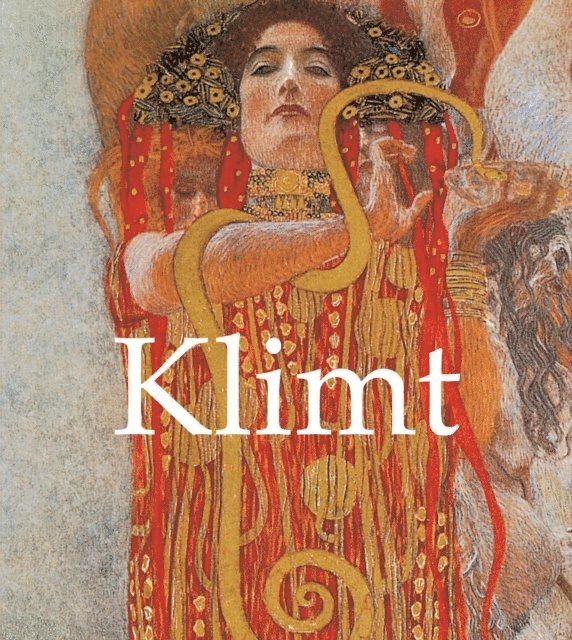
Gustav Klimt (1862-1918) war zum Ende des 19. Jahrhunderts nicht nur einer der einflussreichsten Künstler, sondern gründete zudem die Bewegung der Wiener Secession. Mithilfe dieser Bewegung übte er Kritik an der traditionellen Kunst, die sich durch ihren Widerstand gegen Veränderungen sowie Intoleranz gegenüber bestimmten modernen Vorstellungen auszeichnete. Klimt ließ sich durch den langsamen aber sicheren Niedergang sowie die Vielfalt der Kulturen der Österreichisch-Ungarischen Monarchie inspirieren. Bei Klimt spielten Erotik und Sinnlichkeit eine sehr große Rolle, und neben Schiele und Kokoschka zählte er zu den großen Meistern des Expressionismus. Das vorliegende Buch vereint eine erlesene Auswahl Klimts bekanntester Gemälde und einen Text, der den außergewöhnlichen Eklektizismus dieses großen Künstlers zu vermitteln vermag.
E-bok
Franska, 2011115 kr
Läs direkt efter köp
Gustav Klimt (Baumgarten, 1862 – Vienne, 1918)«Faire un autoportrait ne m''intéresse pas. Les sujets de peinture qui m''intéressent ? Les autres et en particulier les femmes… » Aucune référence au monde extérieur ne vient contrarier le charme des allégories, portraits, paysages et autres personnages que l''artiste peint. Des couleurs et des motifs d''inspiration orientale (Klimt a été très influencé par le Japon, l''ancienne Egypte et la Ravenne byzantine), un espace bidimentionnel dépourvu de profondeur et une qualité souvent stylisée de l''image, autant d''éléments utilisés par le peintre pour créer une oeuvre séduisante, où le corps de la femme s''expose dans toute sa volupté. A 14 ans, il obtient une bourse d''Etat pour entrer à la Kunstgewerbeschule (l''Ecole viennoise des Arts et Métiers). Très vite, ses talents de peintre et de dessinateur s''affirment. Ses toutes remières oeuvres lui valent un succès inhabituellement précoce. Sa première grande initiative date de 1879 : il crée cette année-là la Künstlerkompagnie (la compagnie des artistes) avec son frère Ernst, et Franz Matsch. A Vienne, la fin du XIXe siècle est une période d''effervescence architecturale. L''empereur François- Joseph décide, en 1857, de détruire les remparts entourant le coeur médiéval de la ville. Le Ring, financé par l''argent du contribuable, est alors construit : de magnifiques résidences y côtoient de superbes parcs. Ces changements profitent à Klimt et à ses associés, leur fournissant de multiples occasions de faire montre de leur talent.En 1897, Klimt, accompagné de quelques amis proches, quitte la très conservatrice Künstlerhausgenossenschaft (Société coopérative des artistes autrichiens) ; il fonde le mouvement Sécession et en prend la présidence. La reconnaissance est immédiate. Au-dessus du porche d''entrée de l''édifice, conçu par José Maria Olbrich est inscrite la devise du mouvement : «A chaque âge son art, à l''art sa liberté. » A partir de 1897, Klimt passa pratiquement tous ses étés sur l''Attersee, en compagnie de la famille Flöge. Durant ces périodes de paix et de tranquillité, il eut l''occasion de peindre de nombreux paysages qui constituent un quart de son oeuvre complète. Klimt exécute des croquis préparatoires à la plus grande partie de ses réalisations. Parfois, il exécute plus de cent études pour un seul tableau. Le caractère exceptionnel de l''oeuvre de Klimt tient peut-être à l''absence de prédécesseurs et de réels disciples. Il admirait Rodin et Whistler sans les copier servilement. En retour, il fut admiré par les peintres viennois de la jeune génération, tels Egon Schiele et Oskar Kokoschka.
E-bok
Engelska, 2011115 kr
Läs direkt efter köp
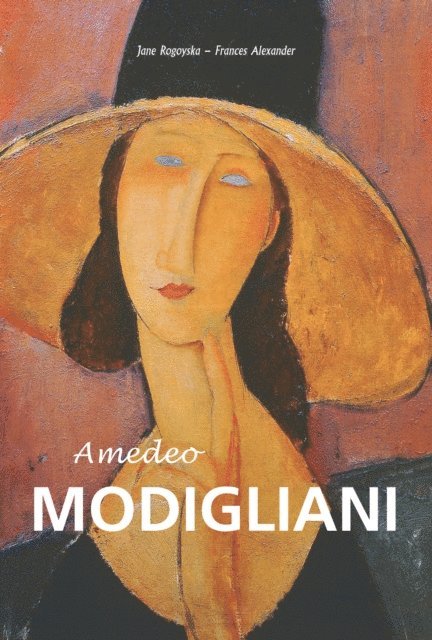
“I am not interested in myself as a subject for painting, but in others, particularly women…”Beautiful, sensuous and above all erotic, Gustav Klimt’s paintings speak of a world of opulence and leisure, which seems aeons away from the harsh, post-modern environment we live in now. The subjects he treats – allegories, portraits, landscapes and erotic figures – contain virtually no reference to external events, but strive rather to create a world where beauty, above everything else, is dominant. His use of colour and pattern was profoundly influenced by the art of Japan, ancient Egypt, and Byzantium. Ravenne, the flat, two-dimensional perspective of his paintings, and the frequently stylised quality of his images form an oeuvre imbued with a profound sensuality and one where the figure of woman, above all, reigns supreme. Klimt’s very first works brought him success at an unusually young age. Gustav, born in 1862, obtained a state grant to study at Kunstgewerbeschule (the Vienna School of Arts and Crafts) at the age of fourteen. His talents as a draughtsman and painter were quickly noticed, and in 1879 he formed the Künstlercompagnie (Artists’ Company) with his brother Ernst and another student, Franz Matsch. The latter part of the nineteenth century was a period of great architectural activity in Vienna. In 1857, the Emperor Franz Joseph had ordered the destruction of the fortifications that had surrounded the medieval city centre. The Ringstrasse was the result, a budding new district with magnificent buildings and beautiful parks, all paid for by public expenses. Therefore the young Klimt and his partners had ample opportunities to show off their talents, and they received early commissions to contribute to the decorations for the pageant organised to celebrate the silver wedding anniversary of the Emperor Franz Joseph and the Empress Elisabeth. In 1894, Matsch moved out of their communal studio, and in 1897 Klimt, together with his closest friends, resigned from the Künstlerhausgenossenschaft (the Cooperative Society of Austrian Artists) to form a new movement known as the Secession, of which he was immediately elected president. The Secession was a great success, holding both a first and second exhibition in 1898. The movement made enough money to commission its very own building, designed for it by the architect Joseph Maria Olbrich. Above the entrance was its motto: “To each age its art, to art its freedom.” From around 1897 onward, Klimt spent almost every summer on the Attersee with the Flöge family. These were periods of peace and tranquillity in which he produced the landscape paintings constituting almost a quarter of his entire oeuvre. Klimt made sketches for virtually everything he did. Sometimes there were over a hundred drawings for one painting, each showing a different detail – a piece of clothing or jewellery, or a simple gesture. Just how exceptional Gustav Klimt was is perhaps reflected in the fact that he had no predecessors and no real followers. He admired Rodin and Whistler without slavishly copying them, and was admired in turn by the younger Viennese painters Egon Schiele and Oskar Kokoschka, both of whom were greatly influenced by Klimt.
E-bok
Tyska, 2023193 kr
Läs direkt efter köp
Gustav Klimt (1862-1918) war zum Ende des 19. Jahrhunderts nicht nur einer der einflussreichsten Künstler, sondern gründete zudem die Bewegung der Wiener Secession. Mithilfe dieser Bewegung übte er Kritik an der traditionellen Kunst, die sich durch ihren Widerstand gegen Veränderungen sowie Intoleranz gegenüber bestimmten modernen Vorstellungen auszeichnete. Klimt ließ sich durch den langsamen aber sicheren Niedergang sowie die Vielfalt der Kulturen der Österreichisch-Ungarischen Monarchie inspirieren. Bei Klimt spielten Erotik und Sinnlichkeit eine sehr große Rolle, und neben Schiele und Kokoschka zählte er zu den großen Meistern des Expressionismus. Das vorliegende Buch vereint eine erlesene Auswahl Klimts bekanntester Gemälde und einen Text, der den außergewöhnlichen Eklektizismus dieses großen Künstlers zu vermitteln vermag.
E-bok
Engelska, 2014161 kr
Läs direkt efter köp
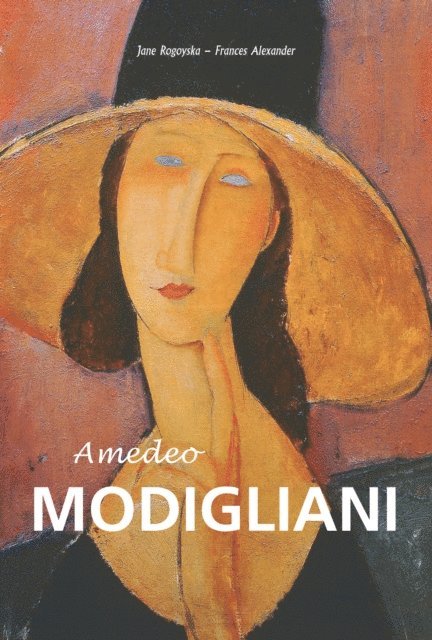
“I am not interested in myself as a subject for painting, but in others, particularly women…”Beautiful, sensuous and above all erotic, Gustav Klimt’s paintings speak of a world of opulence and leisure, which seems aeons away from the harsh, post-modern environment we live in now. The subjects he treats – allegories, portraits, landscapes and erotic figures – contain virtually no reference to external events, but strive rather to create a world where beauty, above everything else, is dominant. His use of colour and pattern was profoundly influenced by the art of Japan, ancient Egypt, and Byzantium. Ravenne, the flat, two-dimensional perspective of his paintings, and the frequently stylised quality of his images form an oeuvre imbued with a profound sensuality and one where the figure of woman, above all, reigns supreme. Klimt’s very first works brought him success at an unusually young age. Gustav, born in 1862, obtained a state grant to study at Kunstgewerbeschule (the Vienna School of Arts and Crafts) at the age of fourteen. His talents as a draughtsman and painter were quickly noticed, and in 1879 he formed the Künstlercompagnie (Artists’ Company) with his brother Ernst and another student, Franz Matsch. The latter part of the nineteenth century was a period of great architectural activity in Vienna. In 1857, the Emperor Franz Joseph had ordered the destruction of the fortifications that had surrounded the medieval city centre. The Ringstrasse was the result, a budding new district with magnificent buildings and beautiful parks, all paid for by public expenses. Therefore the young Klimt and his partners had ample opportunities to show off their talents, and they received early commissions to contribute to the decorations for the pageant organised to celebrate the silver wedding anniversary of the Emperor Franz Joseph and the Empress Elisabeth. In 1894, Matsch moved out of their communal studio, and in 1897 Klimt, together with his closest friends, resigned from the Künstlerhausgenossenschaft (the Cooperative Society of Austrian Artists) to form a new movement known as the Secession, of which he was immediately elected president. The Secession was a great success, holding both a first and second exhibition in 1898. The movement made enough money to commission its very own building, designed for it by the architect Joseph Maria Olbrich. Above the entrance was its motto: “To each age its art, to art its freedom.” From around 1897 onward, Klimt spent almost every summer on the Attersee with the Flöge family. These were periods of peace and tranquillity in which he produced the landscape paintings constituting almost a quarter of his entire oeuvre. Klimt made sketches for virtually everything he did. Sometimes there were over a hundred drawings for one painting, each showing a different detail – a piece of clothing or jewellery, or a simple gesture. Just how exceptional Gustav Klimt was is perhaps reflected in the fact that he had no predecessors and no real followers. He admired Rodin and Whistler without slavishly copying them, and was admired in turn by the younger Viennese painters Egon Schiele and Oskar Kokoschka, both of whom were greatly influenced by Klimt.
E-bok
Engelska, 2023207 kr
Läs direkt efter köp
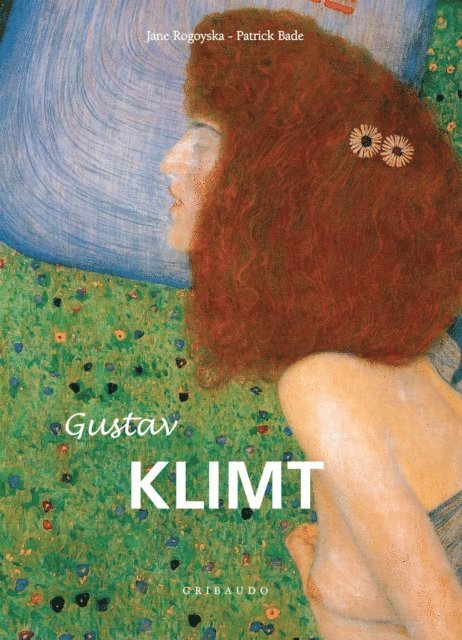
“I am not interested in myself as a subject for painting, but in others, particularly women…”Beautiful, sensuous and above all erotic, Gustav Klimt’s paintings speak of a world of opulence and leisure, which seems aeons away from the harsh, post-modern environment we live in now. The subjects he treats – allegories, portraits, landscapes and erotic figures – contain virtually no reference to external events, but strive rather to create a world where beauty, above everything else, is dominant. His use of colour and pattern was profoundly influenced by the art of Japan, ancient Egypt, and Byzantium. Ravenne, the flat, two-dimensional perspective of his paintings, and the frequently stylised quality of his images form an oeuvre imbued with a profound sensuality and one where the figure of woman, above all, reigns supreme. Klimt’s very first works brought him success at an unusually young age. Gustav, born in 1862, obtained a state grant to study at Kunstgewerbeschule (the Vienna School of Arts and Crafts) at the age of fourteen. His talents as a draughtsman and painter were quickly noticed, and in 1879 he formed the Künstlercompagnie (Artists’ Company) with his brother Ernst and another student, Franz Matsch. The latter part of the nineteenth century was a period of great architectural activity in Vienna. In 1857, the Emperor Franz Joseph had ordered the destruction of the fortifications that had surrounded the medieval city centre. The Ringstrasse was the result, a budding new district with magnificent buildings and beautiful parks, all paid for by public expenses. Therefore the young Klimt and his partners had ample opportunities to show off their talents, and they received early commissions to contribute to the decorations for the pageant organised to celebrate the silver wedding anniversary of the Emperor Franz Joseph and the Empress Elisabeth. In 1894, Matsch moved out of their communal studio, and in 1897 Klimt, together with his closest friends, resigned from the Künstlerhausgenossenschaft (the Cooperative Society of Austrian Artists) to form a new movement known as the Secession, of which he was immediately elected president. The Secession was a great success, holding both a first and second exhibition in 1898. The movement made enough money to commission its very own building, designed for it by the architect Joseph Maria Olbrich. Above the entrance was its motto: “To each age its art, to art its freedom.” From around 1897 onward, Klimt spent almost every summer on the Attersee with the Flöge family. These were periods of peace and tranquillity in which he produced the landscape paintings constituting almost a quarter of his entire oeuvre. Klimt made sketches for virtually everything he did. Sometimes there were over a hundred drawings for one painting, each showing a different detail – a piece of clothing or jewellery, or a simple gesture. Just how exceptional Gustav Klimt was is perhaps reflected in the fact that he had no predecessors and no real followers. He admired Rodin and Whistler without slavishly copying them, and was admired in turn by the younger Viennese painters Egon Schiele and Oskar Kokoschka, both of whom were greatly influenced by Klimt.
E-bok
Spanska, 2023193 kr
Läs direkt efter köp
“No me intereso en mí mismo como tema de una pintura, sino en los demás... en especial en las mujeres...” Hermosas, sensuales y, sobre todo, eróticas, las pinturas de Gustav Klimt hablan de un mundo de opulencia y placer que parece estar a miles de años luz de distancia del rudo entorno posmoderno en el que vivimos ahora. Los temas que trata, alegorías, retratos, paisajes y figuras eróticas, no contienen prácticamente ninguna referencia a eventos externos, sino que tratan de crear un mundo en el que la belleza predomina sobre todo lo demás. El uso que hace del color y los patrones está profundamente influenciado por el arte japonés, el antiguo Egipto y Bizancio. Ravenna, la perspectiva plana y bidimensional de sus pinturas y la calidad con frecuencia estilizada de sus imágenes dan forma a una obra imbuida de una profunda sensualidad y en la que la figura femenina es soberana. Las primeras obras de Klimt le hicieron alcanzar el éxito a una edad muy temprana. Gustav nació en 1862 y consiguió una beca del estado para estudiar en la Kunstgewerbeschule (escuela de artes y oficios de Viena) a la edad de catorce años. Su talento como dibujante y pintor quedó de manifiesto muy pronto y en 1879 formó la Künstlercompagnie (Compañía de artistas) con su hermano Ernst y otro estudiante, Franz Matsch. La segunda mitad del siglo XIX fue un periodo de gran actividad en la arquitectura en Viena. En 1857, el emperador Francisco José había ordenado la destrucción de las fortificaciones que solían rodear el centro de la ciudad medieval. El resultado fue la Ringstrasse, un nuevo y floreciente distrito con magníficos edificios y hermosos parque, todo pagado por el erario público. Por lo tanto, el joven Klimt y sus asociados tuvieron muchas oportunidades de mostrar su talento, y recibieron comisiones para las decoraciones de la celebración de las bodas de plata del emperador Francisco José y la emperatriz Elisabeth. En 1894, Matsch se marchó del estudio comunal y en 1897, Klimt, junto con sus amigos más cercanos, renunciaron a la Künstlerhausgenossenschaft (Sociedad cooperativa de artistas austriacos) para formar un nuevo movimiento llamado la Secesión, del cual fue electo presidente de manera inmediata. La Secesión fue un gran éxito y en 1898 presentó no una, sino dos exposiciones. El movimiento logró ganar el suficiente dinero para comisionar su propio edificio, diseñado por el arquitecto Joseph Maria Olbrich. Sobre la entrada estaba escrito su lema: “A cada era su arte; al arte, su libertad”. Más o menos a partir de 1897, Klimt pasó casi todos los veranos en Attersee, con la familia Flöge. Fueron periodos de paz y tranquilidad en los que produjo paisajes que constituyeron casi un cuarto de la totalidad de su obra. Klimt realizó bocetos de prácticamente todo lo que hacía. En ocasiones realizaba más de cien dibujos para una pintura, cada uno con un detalle distinto, un traje, una joya o un simple gesto. La calidad excepcional de Gustav Klimt se refleja en el hecho de que no tuvo predecesores ni verdaderos seguidores. Admiró a Rodin y a Whistler sin copiarlos servilmente, y a su vez recibió la admiración de los pintores vieneses más jóvenes, como Egon Schiele y Oskar Kokoschka, cuya obra muestra una gran influencia de Klimt.
E-bok
Franska, 2012174 kr
Läs direkt efter köp
Gustav Klimt (Baumgarten, 1862 – Vienne, 1918)«Faire un autoportrait ne m''intéresse pas. Les sujets de peinture qui m''intéressent ? Les autres et en particulier les femmes… » Aucune référence au monde extérieur ne vient contrarier le charme des allégories, portraits, paysages et autres personnages que l''artiste peint. Des couleurs et des motifs d''inspiration orientale (Klimt a été très influencé par le Japon, l''ancienne Egypte et la Ravenne byzantine), un espace bidimentionnel dépourvu de profondeur et une qualité souvent stylisée de l''image, autant d''éléments utilisés par le peintre pour créer une oeuvre séduisante, où le corps de la femme s''expose dans toute sa volupté. A 14 ans, il obtient une bourse d''Etat pour entrer à la Kunstgewerbeschule (l''Ecole viennoise des Arts et Métiers). Très vite, ses talents de peintre et de dessinateur s''affirment. Ses toutes remières oeuvres lui valent un succès inhabituellement précoce. Sa première grande initiative date de 1879 : il crée cette année-là la Künstlerkompagnie (la compagnie des artistes) avec son frère Ernst, et Franz Matsch. A Vienne, la fin du XIXe siècle est une période d''effervescence architecturale. L''empereur François- Joseph décide, en 1857, de détruire les remparts entourant le coeur médiéval de la ville. Le Ring, financé par l''argent du contribuable, est alors construit : de magnifiques résidences y côtoient de superbes parcs. Ces changements profitent à Klimt et à ses associés, leur fournissant de multiples occasions de faire montre de leur talent.En 1897, Klimt, accompagné de quelques amis proches, quitte la très conservatrice Künstlerhausgenossenschaft (Société coopérative des artistes autrichiens) ; il fonde le mouvement Sécession et en prend la présidence. La reconnaissance est immédiate. Au-dessus du porche d''entrée de l''édifice, conçu par José Maria Olbrich est inscrite la devise du mouvement : «A chaque âge son art, à l''art sa liberté. » A partir de 1897, Klimt passa pratiquement tous ses étés sur l''Attersee, en compagnie de la famille Flöge. Durant ces périodes de paix et de tranquillité, il eut l''occasion de peindre de nombreux paysages qui constituent un quart de son oeuvre complète. Klimt exécute des croquis préparatoires à la plus grande partie de ses réalisations. Parfois, il exécute plus de cent études pour un seul tableau. Le caractère exceptionnel de l''oeuvre de Klimt tient peut-être à l''absence de prédécesseurs et de réels disciples. Il admirait Rodin et Whistler sans les copier servilement. En retour, il fut admiré par les peintres viennois de la jeune génération, tels Egon Schiele et Oskar Kokoschka.
E-bok
Franska, 2018175 kr
Läs direkt efter köp
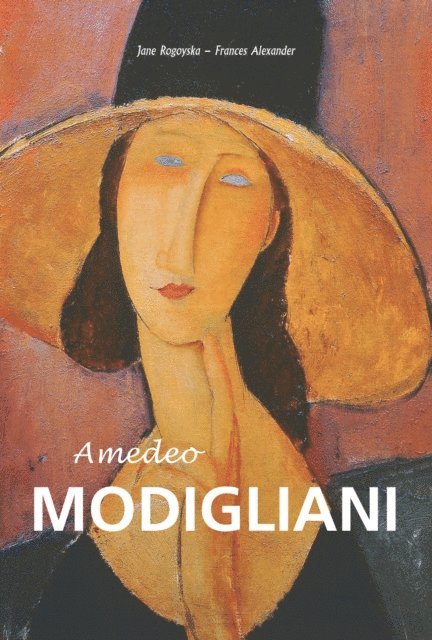
Amedeo Modigliani (1884-1920), également célèbre pour ses toiles magistrales et sa santé mentale tumultueuse, était, à bien des égards, l''artiste prototypique torturé. Souffrant d''une tuberculose douloureuse et dégénérative depuis toujours, Modigliani était célèbre pour avoir nié sa maladie avec un style de vie bohème frénétique, celui de la consommation excessive d''alcool, de la toxicomanie et des amours passionnées. Mais en même temps, il a réussi à produire quelques-uns des chefs-d''œuvre les plus durables du mouvement moderne, et aujourd''hui, son travail se vend à des sommes record à chaque fois qu''il est mis aux enchères. Dans cet examen fascinant de la vie et des œuvres de Modigliani, Klaus H. Carl, Frances Alexander et Jane Rogoyska tournent leur regard pénétrant sur ce génie artistique des plus énigmatiques. Leur texte perspicace est accompagné d''extraits du roman hautement sensuel de D.H. Lawrence, Lady Chatterley''s Lover, choisis pour compléter l''art de Modigliani et lui donner une nouvelle perspective.
E-bok
Tyska, 2012172 kr
Läs direkt efter köp
Gustav Klimt (1862-1918) war zum Ende des 19. Jahrhunderts nicht nur einer der einflussreichsten Künstler, sondern gründete zudem die Bewegung der Wiener Secession. Mithilfe dieser Bewegung übte er Kritik an der traditionellen Kunst, die sich durch ihren Widerstand gegen Veränderungen sowie Intoleranz gegenüber bestimmten modernen Vorstellungen auszeichnete. Klimt ließ sich durch den langsamen aber sicheren Niedergang sowie die Vielfalt der Kulturen der Österreichisch-Ungarischen Monarchie inspirieren. Bei Klimt spielten Erotik und Sinnlichkeit eine sehr große Rolle, und neben Schiele und Kokoschka zählte er zu den großen Meistern des Expressionismus. Das vorliegende Buch vereint eine erlesene Auswahl Klimts bekanntester Gemälde und einen Text, der den außergewöhnlichen Eklektizismus dieses großen Künstlers zu vermitteln vermag.
E-bok
Engelska, 2019117 kr
Läs direkt efter köp
Modigliani (1884-1920), a painter who didn’t find much happiness in his native Italy, managed only to find sorrow in France. From this unhappiness was born an original style of painting, influenced by African art, Cubism, and nights of drinking in Montparnasse.His female nudes, with their profound sensuality, aggressive nudity, and enigmatic faces, express the suffering and lack of recognition of Modigliano.He died at the age of 36. This book is made up of paintings which created scandals in their day, but which nowadays are considered inoffensive.