Rok Kranjc – författare
Visar alla böcker från författaren Rok Kranjc. Handla med fri frakt och snabb leverans.
2 produkter
2 produkter
E-bok
Engelska, 2025327 kr
Läs direkt efter köp
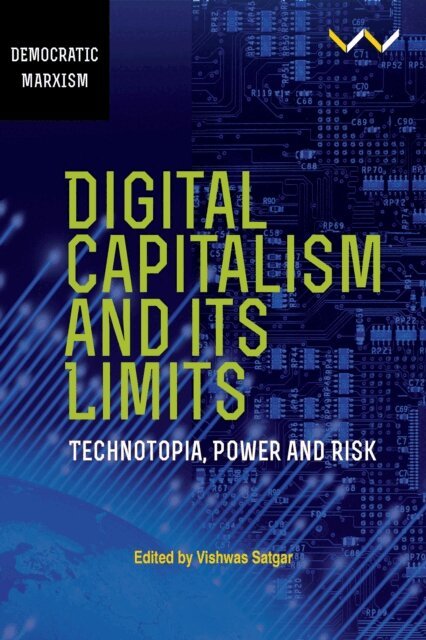
The Fourth Industrial Revolution (4IR) has been described as the next big leap in digital capitalism. Digital technologies such as artificial intelligence, quantum computing, 3D printing and robotisation, we are led to believe, will bring more progress, growth and development while also helping us to resolve the deep and multiple crises the world is in. Billions are being invested in these technologies, accompanied by sharp geopolitical rivalries to secure an edge in the control over them. Volume 8 in the Democratic Marxism series invites readers to think more deeply and critically about digital capitalism and its limits. While most governments in the world, including South Africa, have accepted a techno-nationalist narrative and have deliberated on the risks for the planet and humanity, the volume interrogates the effects and consequences of advances in artificial intelligence and heightened technological innovation and industrialisation on employment, democracy and the climate. Viewing the grand social engineering of 4IR through a Marxist lens, the volume contributors engage critically with the class project of digital monopoly capitalism and its powerful totalitarian tendencies. They question the dangerous technotopian imaginary shaping this digital techno-shift, the implications of algorithmic data extractivism, the securitisation of already weak market democracies, the social consequences of digital learning, lack of regulation, and the power dynamics in the labour process. Anchored in techno-realism, the interdisciplinary perspective captured in this volume puts forward alternatives for democratisation and a just transition to protect human and non-human life.
Häftad, Engelska, 2025
391 kr
Skickas
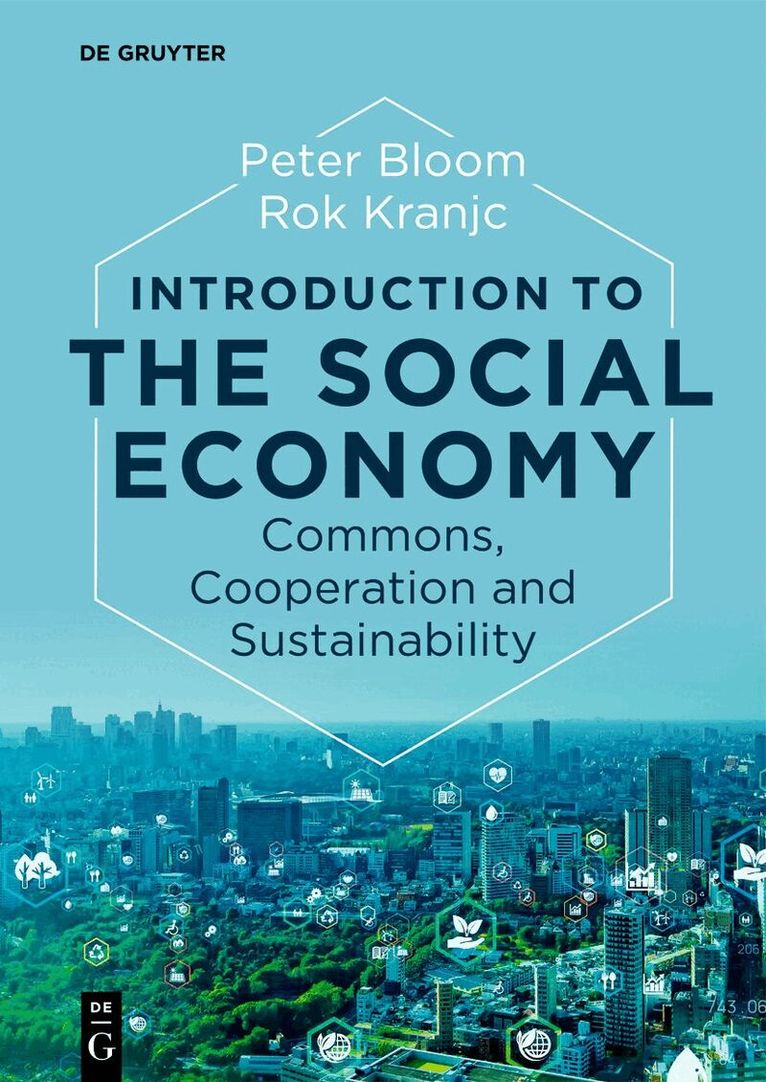
Mainstream economic models prioritize growth, individualism, and efficient allocation driven by self-interest. However, across history, groups marginalized or disillusioned by the status quo have imagined and constructed alternative economic systems – the "social economy", referring to organizations and enterprises oriented toward social goals and community benefit rather than profit maximization and centered on different values like cooperation, sustainability, democracy, and community benefit. In an accessible and unique manner, Introduction to the Social Economy explores the core topics that help to conceptually understand and practically implement a social economy. The book presents a wide range of conceptions of alternative economic theories and models within the social economy, ranging from the solidarity economy to the commons to feminist and degrowth perspectives. It provides a standard set of knowledge and cases that can be drawn upon in a diverse set of disciplines and cultural contexts. Furthermore, it does so at multiple levels – from macro-economic theories and policies to organisational design and community-based transformation. It offers students an important set of understandings and tools for innovatively addressing contemporary grand challenges such as economic inequality and climate change. Introduction to the Social Economy will be of immense benefit to scholars and students striving to study, advocate and organize economic activities to better serve human and ecological wellbeing.