

Häftad, Engelska, 2023
500 kr
Skickas inom 3-6 vardagar
500 kr
Skickas inom 3-6 vardagar

639 kr
Skickas inom 3-6 vardagar

299 kr
Läs direkt efter köp

270 kr
Skickas inom 5-8 vardagar

413 kr
Skickas inom 5-8 vardagar

139 kr
Läs direkt efter köp

254 kr
Skickas inom 5-8 vardagar

334 kr
Skickas inom 5-8 vardagar

108 kr
Läs direkt efter köp
1 653 kr
Skickas inom 10-15 vardagar
2 105 kr
Läs direkt efter köp
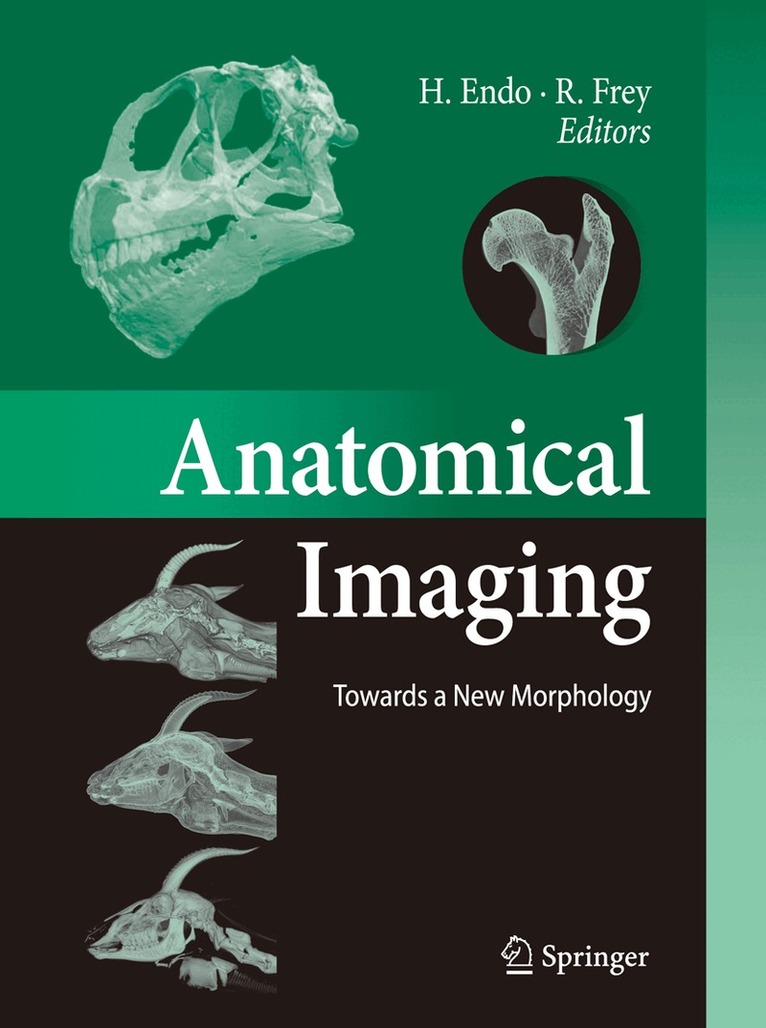
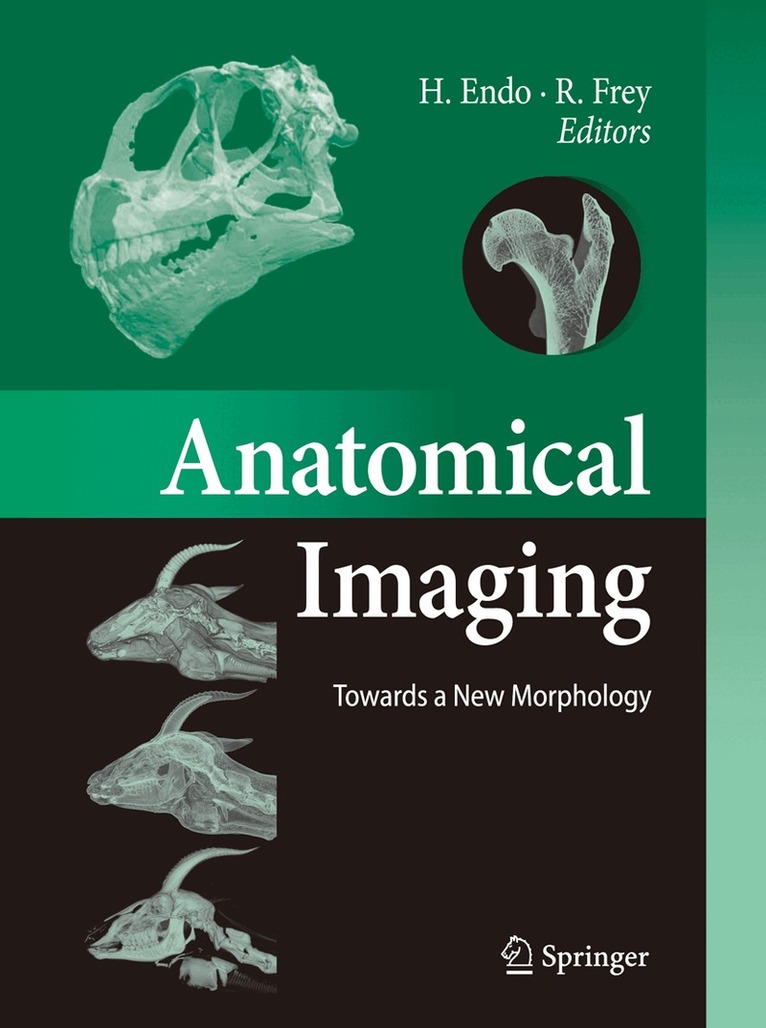
This book presents selected works of contemporary evolutionary morphologists and includes such topics as broad scale reconstructions of the brain and ear of dinosaurs, inference of locomotor habits from cancellous bone architecture in fossil primates, and a comparison of the independently evolved manipulating apparatuses in the lesser and giant pandas. Insight is provided into the application of modern noninvasive technologies, including digital imaging techniques and virtual 3D reconstruction, to the investigation of complex anatomical features and coherences. In combination with traditional methods, this allows for the formulation of improved hypotheses on coordinated function and evolution. The creation of virtual translucent specimens makes it possible to realize the age-old dream of the classical anatomists: looking through the skin into the inner organization of an organism. On full display here is the dramatic and promising impact that modern imaging techniques have on scientific progress in evolutionary morphology.
1 703 kr
Skickas inom 10-15 vardagar