Rolf G. Renner – författare
Visar alla böcker från författaren Rolf G. Renner. Handla med fri frakt och snabb leverans.
10 produkter
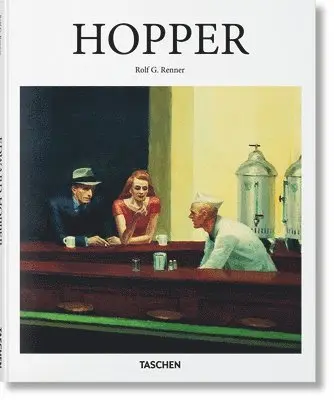
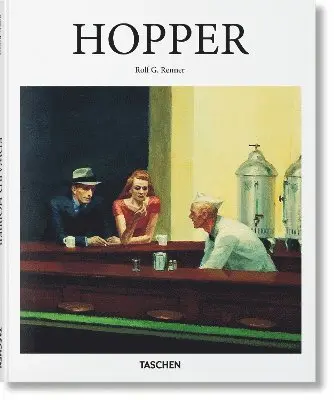
Hopper
Inbunden, 2015
304 kr
Lägg i varukorg
Edward Hopper (1882–1967) is something of an American success story, if only his success had come swifter. At the age of 40, he was a failing artist who struggled to sell a single painting. As he approached 80, Time magazine featured him on its cover. Today, Hopper is considered a giant of modern …
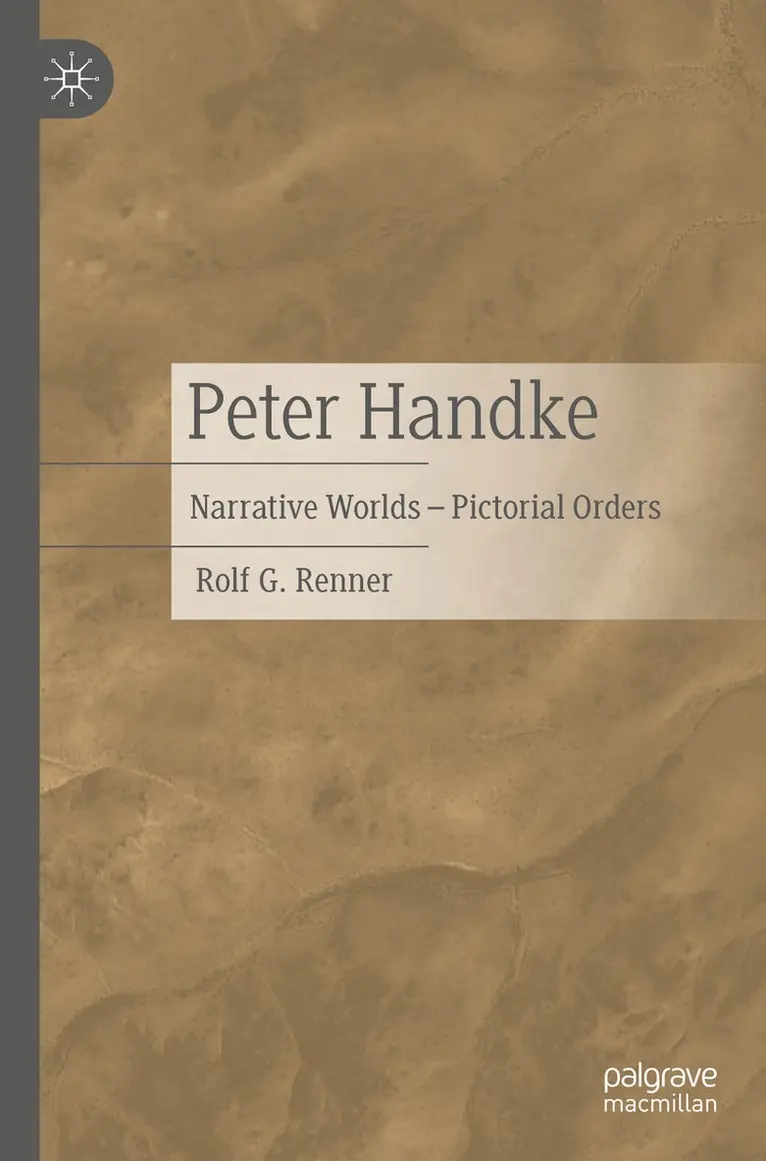
Peter Handke
Erzählwelten - Bilderordnungen
Inbunden, 2020
899 kr
Lägg i varukorg
Der Band präsentiert die Werke Handkes von den Hornissen (1966) bis zu Das zweite Schwert (2020) in Einzelanalysen und erschließt zugleich übergreifende Orientierungen von Handkes Schreiben. Die autoreflexiven Spuren, die das experimentelle Frühwerk des Autors prägen, werden in einer mittleren …
Peter Handke
Erzählwelten - Bilderordnungen
E-bok, 2020
928 kr
Lägg i varukorg
Der Band präsentiert die Werke Handkes von den Hornissen (1966) bis zu Das zweite Schwert (2020) in Einzelanalysen und erschließt zugleich übergreifende Orientierungen von Handkes Schreiben. Die autoreflexiven Spuren, die das experimentelle Frühwerk des Autors prägen, werden in einer mittleren …
Peter Handke
Narrative Worlds – Pictorial Orders
Inbunden, 2023
1678 kr
Lägg i varukorg
The volume presents Handke's works from Hornissen (1966) to Das zweite Schwert (2020) in individual analyses and at the same time opens up overarching orientations of Handke's writing. The autoreflexive traces that characterise the author's experimental early work are perpetuated in a middle phase …
Peter Handke
Narrative Worlds – Pictorial Orders
E-bok, 2023
2142 kr
Lägg i varukorg
The volume presents Handke''s works from Hornissen (1966) to Das zweite Schwert (2020) in individual analyses and at the same time opens up overarching orientations of Handke''s writing. The autoreflexive traces that characterise the author''s experimental early work are perpetuated in a middle …
Literatura y cine como medios del recuerdo y de la memoria
Av Olivia C. Díaz Pérez, Victoria Torres m. fl.
Inbunden, 2025
597 kr
Lägg i varukorg
La interacción entre el cine y la literatura, que en tiempos recientes influye cada vez más en la producción literaria en Alemania, ha contribuido de manera significativa a consolidar la relación entre el recuerdo, la memoria e incluso el olvido como una práctica cultural esencial. En este proceso …
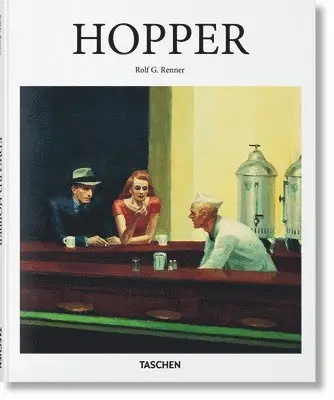
Hopper
Inbunden, 2015
219 kr
Lägg i varukorg
Edward Hopper (1882–1967) is something of an American success story, if only his success had come swifter. At the age of 40, he was a failing artist who struggled to sell a single painting. As he approached 80, Time magazine featured him on its cover. Today, Hopper is considered a giant of modern …
Hopper
Inbunden, 2015
192 kr
Tillfälligt slut
Edward Hopper (1882–1967) is something of an American success story, if only his success had come swifter. At the age of 40, he was a failing artist who struggled to sell a single painting. As he approached 80, Time magazine featured him on its cover. Today, Hopper is considered a giant of modern …