Rolf Steininger – författare
Visar alla böcker från författaren Rolf Steininger. Handla med fri frakt och snabb leverans.
33 produkter
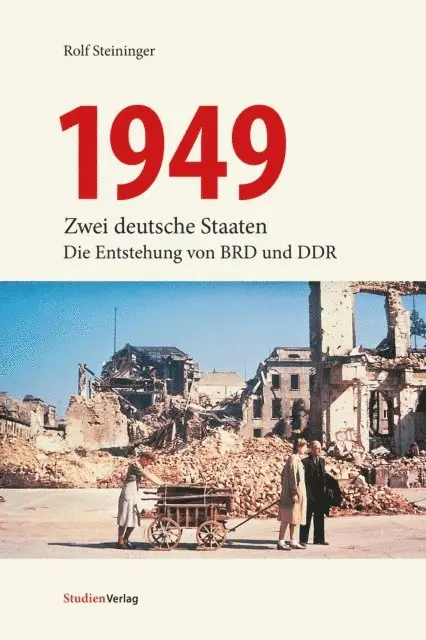
1949
Zwei deutsche Staaten: Die Entstehung von BRD und DDR
E-bok, 2024
261 kr
Lägg i varukorg
Nach 1945 gab es keine gemeinsame Deutschlandpolitik der Sieger. Jede Besatzungsmacht verfolgte ihre eigenen Ziele. Am Ende sicherten sich die Westmächte mit der BRD den wichtigsten Teil Deutschlands, der von den Sowjets revolutionierte Rest wurde zur DDR. Rolf Steininger zeichnet diese Geschichte …
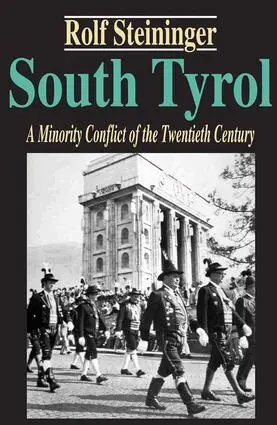
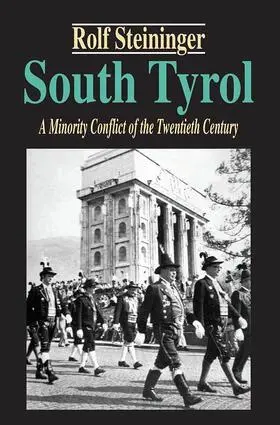
South Tyrol
A Minority Conflict of the Twentieth Century
Häftad, 2003
773 kr
Lägg i varukorg
South Tyrol, a region in the heart of the Alps about half the size of Connecticut, brings into sharp focus an important part of twentieth-century history. Tyrol, a province that had been part of Austria for over 500 years and was almost totally German-speaking, was split in two after World War I …
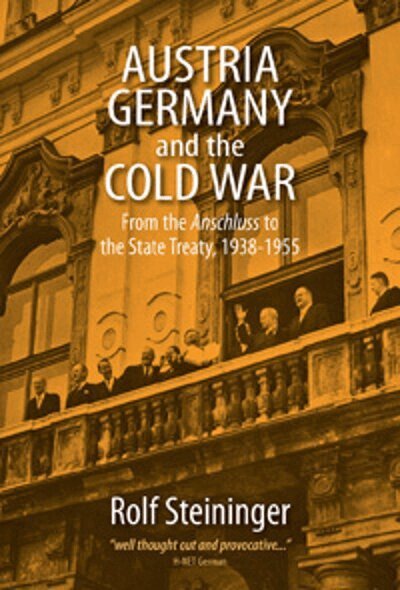
Austria, Germany, and the Cold War
From the Anschluss to the State Treaty, 1938-1955
Häftad, 2012
384 kr
Lägg i varukorg
In the 'Moscow Declaration' of 1943 the Allies officially propagated the notion of Austria as the first victim of Hitlerite aggression and announced their intention to set up a "free and independent Austria" after the war, which finally happened in 1955. By questioning why it took so long to get to …
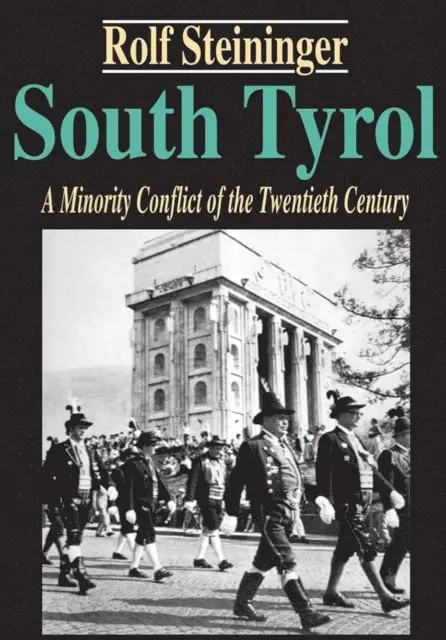
South Tyrol
A Minority Conflict of the Twentieth Century
Inbunden, 2017
2515 kr
Lägg i varukorg
South Tyrol, a region in the heart of the Alps about half the size of Connecticut, brings into sharp focus an important part of twentieth-century history. Tyrol, a province that had been part of Austria for over 500 years and was almost totally German-speaking, was split in two after World War I …
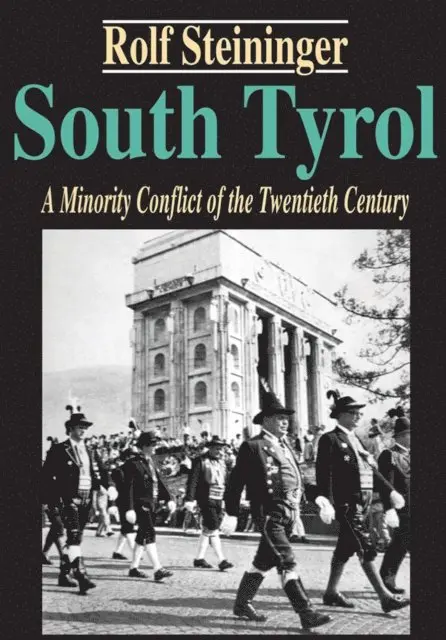
South Tyrol
A Minority Conflict of the Twentieth Century
E-bok, 2017
910 kr
Lägg i varukorg
South Tyrol, a region in the heart of the Alps about half the size of Connecticut, brings into sharp focus an important part of twentieth-century history. Tyrol, a province that had been part of Austria for over 500 years and was almost totally German-speaking, was split in two after World War I …
South Tyrol
A Minority Conflict of the Twentieth Century
E-bok, 2017
881 kr
Lägg i varukorg
South Tyrol, a region in the heart of the Alps about half the size of Connecticut, brings into sharp focus an important part of twentieth-century history. Tyrol, a province that had been part of Austria for over 500 years and was almost totally German-speaking, was split in two after World War I …
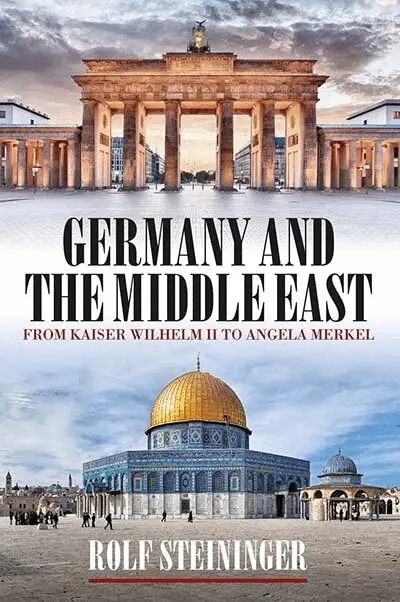
Germany and the Middle East
From Kaiser Wilhelm II to Angela Merkel
Inbunden, 2018
1936 kr
Lägg i varukorg
For over a century, the Middle East has weathered seemingly endless conflicts, ensnaring political players from around the world. And perhaps no nation has displayed a greater range of policies toward, and experiences in, the region than Germany, as this short and accessible volume demonstrates. …
Germany and the Middle East
From Kaiser Wilhelm II to Angela Merkel
E-bok, 2018
302 kr
Lägg i varukorg
For over a century, the Middle East has weathered seemingly endless conflicts, ensnaring political players from around the world. And perhaps no nation has displayed a greater range of policies toward, and experiences in, the region than Germany, as this short and accessible volume demonstrates. …
Germany and the Middle East
From Kaiser Wilhelm II to Angela Merkel
Häftad, 2026
349 kr
Lägg i varukorg
For over a century, the Middle East has weathered seemingly endless conflicts, ensnaring political players from around the world. And perhaps no nation has displayed a greater range of policies toward, and experiences in, the region than Germany, as this short and accessible volume demonstrates. …
Austria, Germany, and the Cold War
From the Anschluss to the State Treaty, 1938-1955
Inbunden, 2008
1916 kr
Lägg i varukorg
In the 'Moscow Declaration' of 1943 the Allies officially propagated the notion of Austria as the first victim of Hitlerite aggression and announced their intention to set up a "free and independent Austria" after the war, which finally happened in 1955. By questioning why it took so long to get to …
Towards a European Constitution
A Historical and Political Comparison with the United States
Av Ludger Kühnhardt, Rolf Steininger m. fl.
Inbunden, 2005
1408 kr
Lägg i varukorg
This volume represents a historical comparison of the American and the EU European constitutional experiences and lessons to be derived therefrom for the present time. It is designed to deepen the understanding of the historical and political dimensions of constitutional designs and practises on …
Südtirol im 20. Jahrhundert
Vom Leben und Überleben einer Minderheit
E-bok, 2016
170 kr
Lägg i varukorg
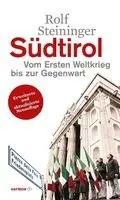
Wie in einem Brennglas findet sich in der Geschichte Südtirols die Geschichte des 20. Jahrhunderts wieder: Vergewaltigung einer Minderheit durch die Faschisten, das Zusammenspiel der Diktatoren Hitler und Mussolini, das 1939 mit der "Option" zur "ethnischen Säuberung" führen sollte. Nach 1945 in …
Der Kalte Krieg
1945–1991
E-bok, 2019
193 kr
Lägg i varukorg
DER SHOWDOWN DER SUPERMÄCHTE: KOMPAKT UND ANSCHAULICH ERZÄHLTVon 1945 bis 1991 war die Welt in zwei Lager geteilt, die sich unversöhnlich gegenüberstanden: auf der einen Seite die WESTLICHEN DEMOKRATIEN unter Führung der USA, auf der anderen Seite die KOMMUNISTISCHEN STAATEN unter Führung der …
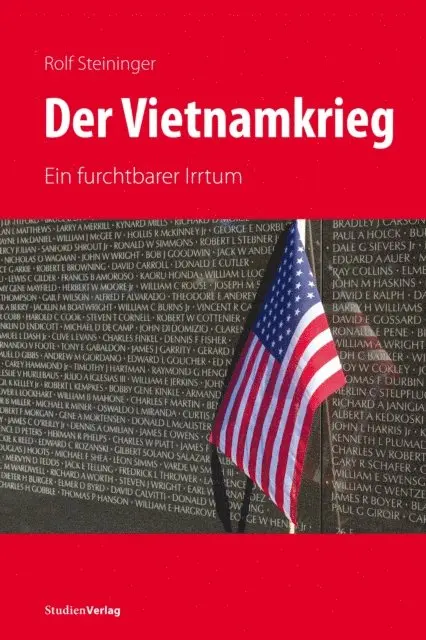
Der Vietnamkrieg
Ein furchtbarer Irrtum
E-bok, 2018
159 kr
Lägg i varukorg
Der Vietnamkrieg - humane Katastrophe, politisches Desaster und lange nachhallendes Kapitel des Kalten Krieges. Kompakt und anschaulich analysiert vom bekannten Zeithistoriker Rolf Steininger.Robert McNamara, Verteidigungsminister unter den US-Präsidenten John F. Kennedy und Lyndon B. Johnson, …
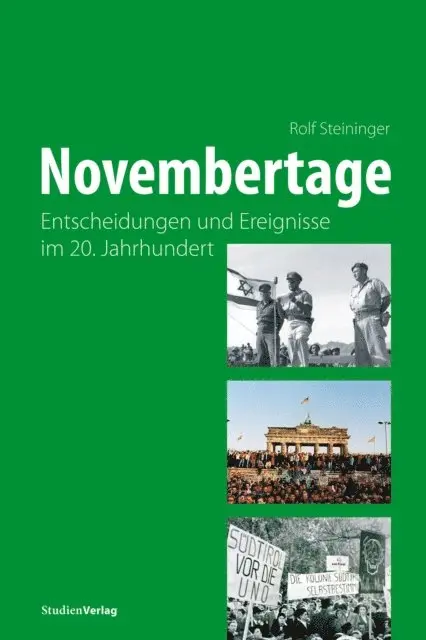
Novembertage
Entscheidungen und Ereignisse im 20. Jahrhundert
E-bok, 2018
170 kr
Lägg i varukorg
Ein Jahrhundert der Extreme: Rolf Steininger schildert anhand von 21 "Novembertagen", welche Ereignisse und Entscheidungen des 20. Jahrhunderts unsere Welt nachhaltig geprägt haben.Das 20. Jahrhundert war ein Jahrhundert der Extreme: Die erste Hälfte wurde von zwei Weltkriegen geprägt, die zweite …
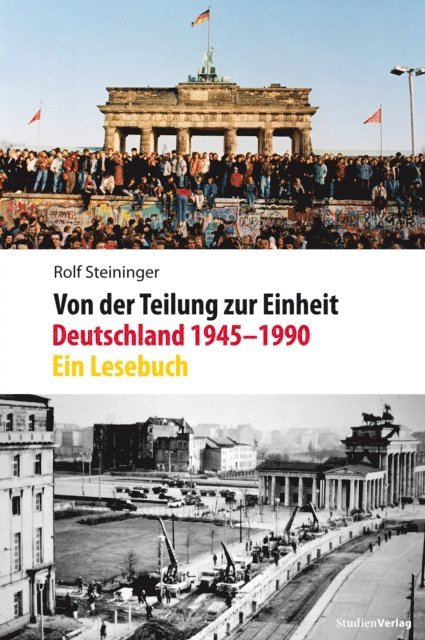
Von der Teilung zur Einheit. Deutschland 1945–1990
Ein Lesebuch
E-bok, 2019
317 kr
Lägg i varukorg
"Wie kann die Welt vor 70 Millionen Deutschen in Sicherheit leben?" Diese Frage stellte der britische Staatsminister Anthony Nutting in einem geheimen Strategiepapier während der Viermächte-Außenministerkonferenz in Berlin 1954. Für viele war die Teilung des Landes die Antwort auf diese Frage. …
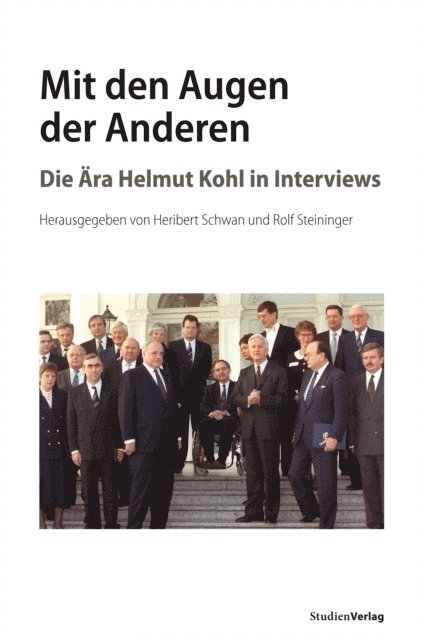
Mit den Augen der Anderen
Die Ära Helmut Kohl in Interviews
Av Rolf Steininger, Heribert Schwan
E-bok, 2022
340 kr
Lägg i varukorg
Fünf Jahre nach dem Tod Helmut Kohls am 16. Juni 2017 und 40 Jahre nach Beginn seiner Kanzlerschaft am 1. Oktober 1982 legen dessen Biographen Heribert Schwan und Rolf Steininger ein ungewöhnliches Buch vor: 36 Interviews mit Zeitzeuginnen und Zeitzeugen aus dem In- und Ausland, die jene 16 Jahre …
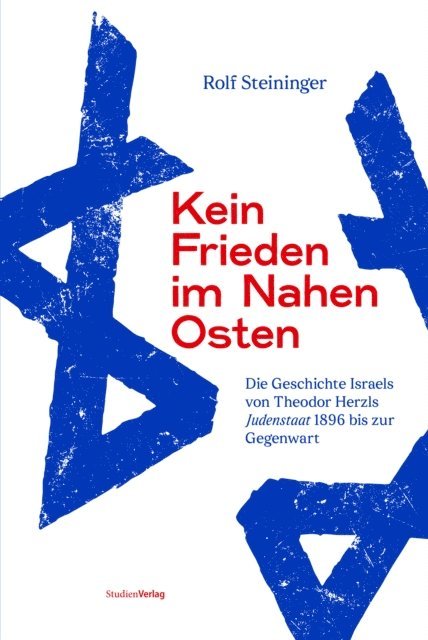
Kein Frieden im Nahen Osten
Die Geschichte Israels von Theodor Herzls Judenstaat 1896 bis zur Gegenwart
E-bok, 2024
145 kr
Lägg i varukorg
Wer diese "Geschichte Israels" gelesen hat, weiß, warum es im Nahen Osten keinen Frieden gibt.Rolf Steiningers "Geschichte Israels" unterscheidet sich in einem wichtigen Punkt von anderen Arbeiten zum Thema. Er geht zwar wie üblich chronologisch vor – Vorgeschichte, Gründung, Kriege –, lässt dann …
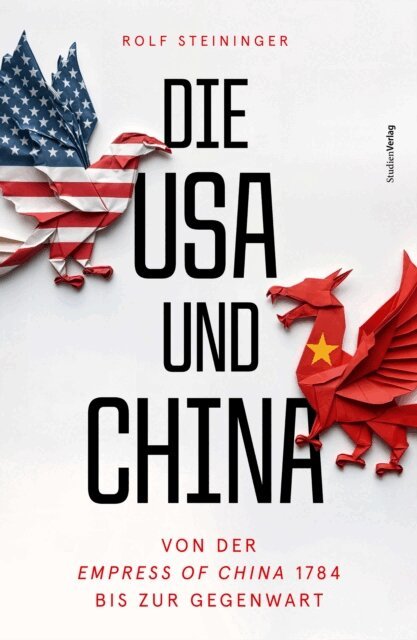
Die USA und China
Von der Empress of China 1784 bis zur Gegenwart
E-bok, 2025
382 kr
Lägg i varukorg
Beziehungsgeflecht USA und China: Jahrhunderte im FokusDie erste deutschsprachige Gesamtdarstellung über die amerikanisch-chinesischen Beziehungen von den Anfängen bis zur Gegenwart. Die aktuelle Situation zwischen den USA und der Volksrepublik China ist dramatisch und voller Gefahren. Das …
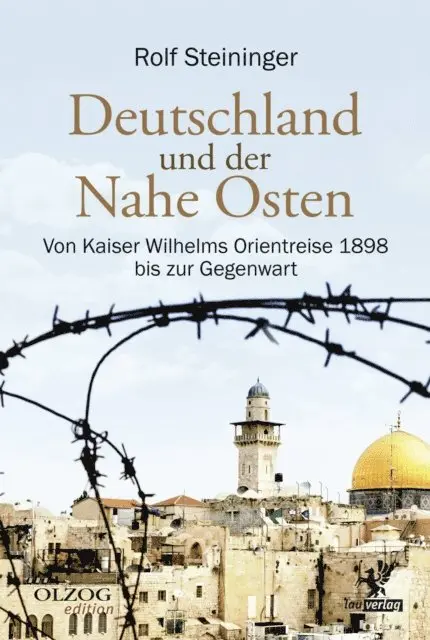
Deutschland und der Nahe Osten
Von Kaiser Wilhelms Orientreise 1898 bis zur Gegenwart
E-bok, 2015
240 kr
Lägg i varukorg
Seit mehr als 100 Jahren ist der Nahostkonflikt der Dauerkonflikt, der Nahe Osten die Krisenregion schlechthin. Und Deutschland - fast immer - mittendrin. Es begann mit der Orientreise von Kaiser Wilhelm II. im Jahre 1898. Im Ersten Weltkrieg spielte Deutschland im Bündnis mit dem Osmanischen Reich …
Der Große Krieg 1914-1918 in 92 Kapiteln
E-bok, 2016
131 kr
Lägg i varukorg
Der Krieg von 1914–1918 war der Große Krieg, die "Urkatastrophe des 20. Jahrhunderts". Dieser Krieg war ein Weltkrieg, der in Europa, im Nahen und Fernen Osten, in Afrika und zur See ausgetragen wurde und zum Untergang der Monarchien in Deutschland, Österreich-Ungarn und Russland und zum Zerfall …