Roma Sendyka – författare
Visar alla böcker från författaren Roma Sendyka. Handla med fri frakt och snabb leverans.
5 produkter
Memory and Translation in Claude Lanzmann’s Shoah
Retrieving the Lost Voices
Inbunden, 2027
2549 kr
Kommande
This collection represents a decade-long collaboration among an interdisciplinary group of scholars engaging with issues at the intersection of memory and translation in Claude Lanzmann’s foundational film Shoah.The Polish-language testimonies of Holocaust witnesses recorded by Lanzmann have …
Perpetrators, Bystanders, and Art Naif in Polish-German Post-War Public Memory
Inbunden, 2027
2549 kr
Kommande
Perpetrators and Bystanders examines how Polish Holocaust-themed folk art shaped German-Polish memory negotiations from 1945 to today, revealing how perpetrator and bystander communities used artistic exchange to navigate their wartime roles and responsibilities.Readers will gain critical insights …
Terribly Close
Polish Vernacular Artists Face the Holocaust
Av Erica Lehrer, Roma Sendyka m. fl.
Inbunden, 2027
586 kr
Kommande
Art responding to the Holocaust – an even often deemed unrepresentable – has sparked much discussion regarding its themes, strategies, challenges. As knowledge about World War II’s genocide has expanded beyond the history of ghettos and camps, Eastern Europe’s provinces have come into view. In this …
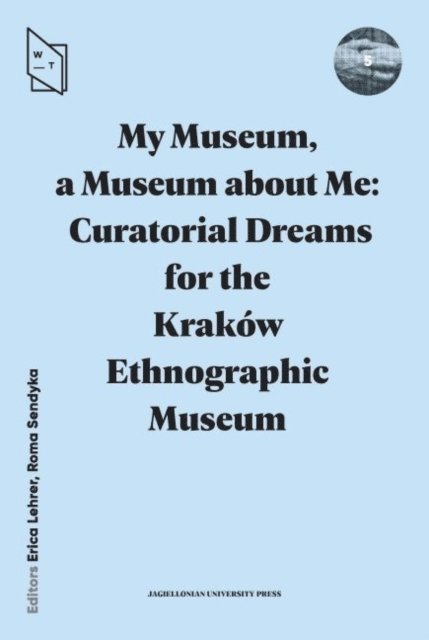
My Museum, a Museum about Me
Curatorial Dreams for the Kraków Ethnographic Museum
E-bok, 2023
416 kr
Lägg i varukorg
This book is the result of a scholarly intervention into the space of the Kraków Ethnographic Museum. While reflecting on one specific project, it opens many questions relevant for reformulating our ideas about both the museum and the academy. The project’s approach to intellectual deliberation is …
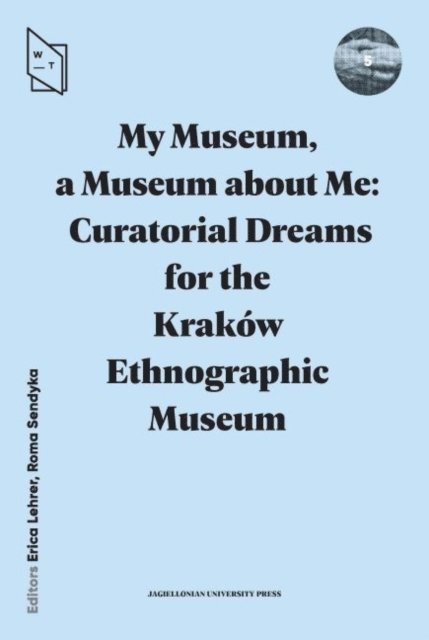
My Museum, a Museum about Me
Curatorial Dreams for the Kraków Ethnographic Museum
E-bok, 2023
540 kr
Lägg i varukorg
This book is the result of a scholarly intervention into the space of the Kraków Ethnographic Museum. While reflecting on one specific project, it opens many questions relevant for reformulating our ideas about both the museum and the academy. The project’s approach to intellectual deliberation is …