Ron E. Hassner - Böcker
Visar alla böcker från författaren Ron E. Hassner. Handla med fri frakt och snabb leverans.
10 produkter
10 produkter
530 kr
Skickas inom 3-6 vardagar
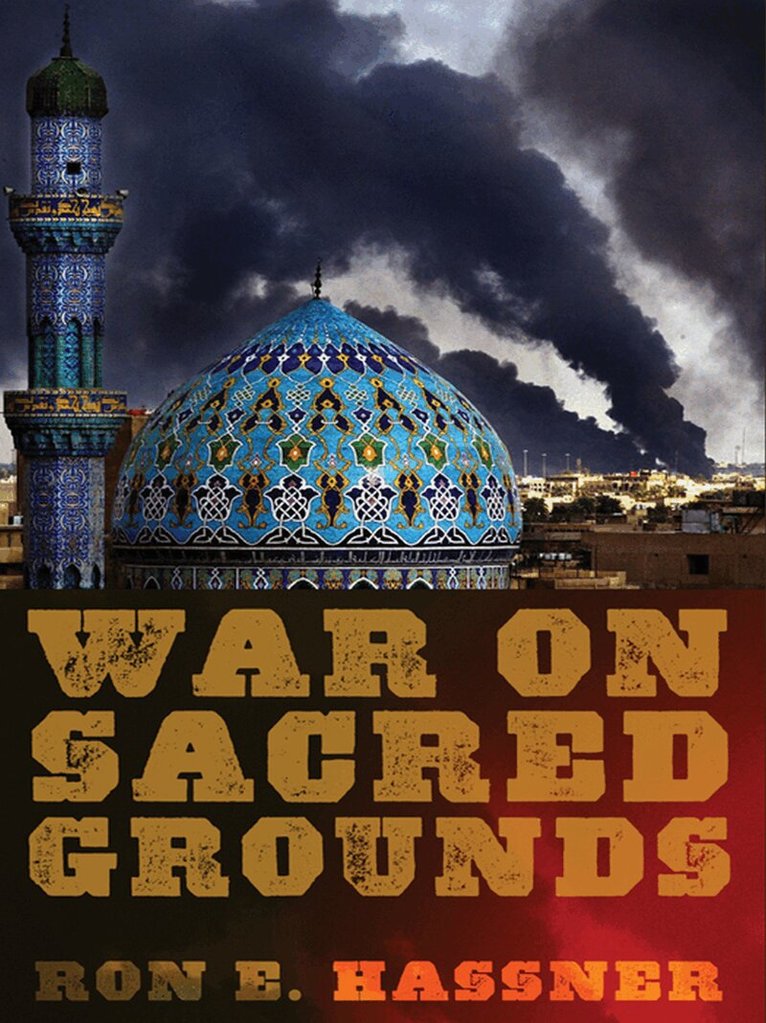
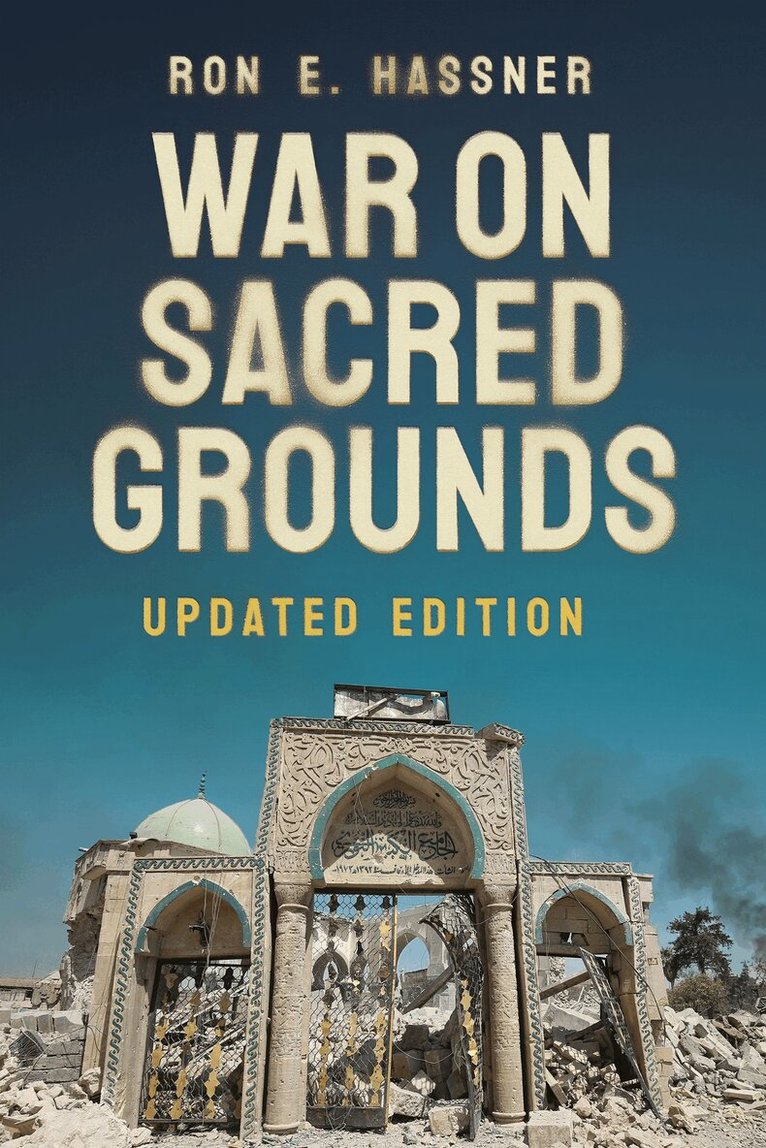
Sacred sites offer believers the possibility of communing with the divine and achieving deeper insight into their faith. Yet their spiritual and cultural importance can lead to competition as religious groups seek to exclude rivals from practicing potentially sacrilegious rituals in the hallowed space and wish to assert their own claims. Holy places thus create the potential for military, theological, or political clashes, not only between competing religious groups but also between religious groups and secular actors.In War on Sacred Grounds, Ron E. Hassner investigates the causes and properties of conflicts over sites that are both venerated and contested; he also proposes potential means for managing these disputes. Hassner illustrates a complex and poorly understood political dilemma with accounts of the failures to reach settlement at Temple Mount/Haram el-Sharif, leading to the clashes of 2000, and the competing claims of Hindus and Muslims at Ayodhya, which resulted in the destruction of the mosque there in 1992. He also addresses more successful compromises in Jerusalem in 1967 and Mecca in 1979. Sacred sites, he contends, are particularly prone to conflict because they provide valuable resources for both religious and political actors yet cannot be divided.The management of conflicts over sacred sites requires cooperation, Hassner suggests, between political leaders interested in promoting conflict resolution and religious leaders who can shape the meaning and value that sacred places hold for believers. Because a reconfiguration of sacred space requires a confluence of political will, religious authority, and a window of opportunity, it is relatively rare. Drawing on the study of religion and the study of politics in equal measure, Hassner's account offers insight into the often-violent dynamics that come into play at the places where religion and politics collide.
285 kr
Skickas inom 7-10 vardagar
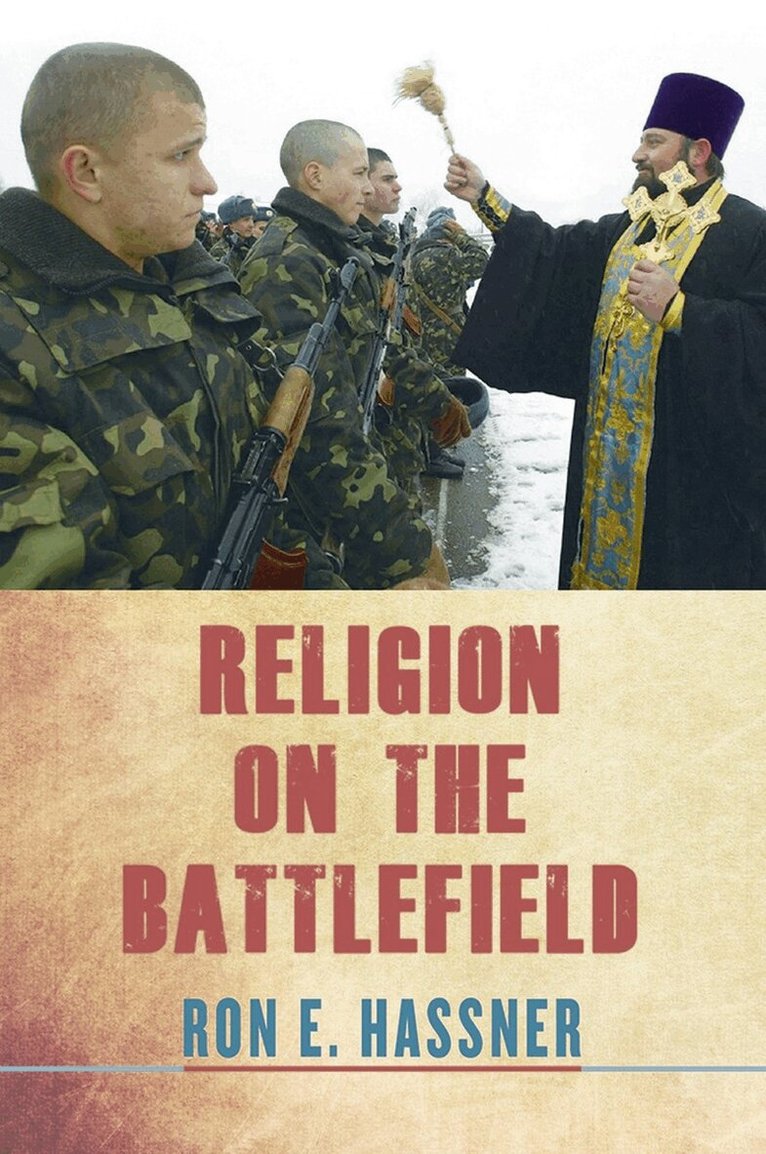
How does religion shape the modern battlefield? Ron E. Hassner proposes that religion acts as a force multiplier, both enabling and constraining military operations. This is true not only for religiously radicalized fighters but also for professional soldiers. In the last century, religion has influenced modern militaries in the timing of attacks, the selection of targets for assault, the zeal with which units execute their mission, and the ability of individual soldiers to face the challenge of war. Religious ideas have not provided the reasons why conventional militaries fight, but religious practices have influenced their ability to do so effectively. In Religion on the Battlefield, Hassner focuses on the everyday practice of religion in a military context: the prayers, rituals, fasts, and feasts of the religious practitioners who make up the bulk of the adversaries, bystanders, and observers during armed conflicts. To show that religious practices have influenced battlefield decision making, Hassner draws most of his examples from major wars involving Western militaries. They include British soldiers in the trenches of World War I, U.S. pilots in World War II, and U.S. Marines in Iraq and Afghanistan. Hassner shows that even modern, rational, and bureaucratized military organizations have taken—and must take—religious practice into account in the conduct of war.
235 kr
Skickas inom 10-15 vardagar
Sacred sites offer believers the possibility of communing with the divine and achieving deeper insight into their faith. Yet their spiritual and cultural importance can lead to competition as religious groups seek to exclude rivals from practicing potentially sacrilegious rituals in the hallowed space and wish to assert their own claims. Holy places thus create the potential for military, theological, or political clashes, not only between competing religious groups but also between religious groups and secular actors.In War on Sacred Grounds, Ron E. Hassner investigates the causes and properties of conflicts over sites that are both venerated and contested; he also proposes potential means for managing these disputes. Hassner illustrates a complex and poorly understood political dilemma with accounts of the failures to reach settlement at Temple Mount/Haram el-Sharif, leading to the clashes of 2000, and the competing claims of Hindus and Muslims at Ayodhya, which resulted in the destruction of the mosque there in 1992. He also addresses more successful compromises in Jerusalem in 1967 and Mecca in 1979. Sacred sites, he contends, are particularly prone to conflict because they provide valuable resources for both religious and political actors yet cannot be divided.The management of conflicts over sacred sites requires cooperation, Hassner suggests, between political leaders interested in promoting conflict resolution and religious leaders who can shape the meaning and value that sacred places hold for believers. Because a reconfiguration of sacred space requires a confluence of political will, religious authority, and a window of opportunity, it is relatively rare. Drawing on the study of religion and the study of politics in equal measure, Hassner's account offers insight into the often-violent dynamics that come into play at the places where religion and politics collide.
995 kr
Skickas inom 7-10 vardagar
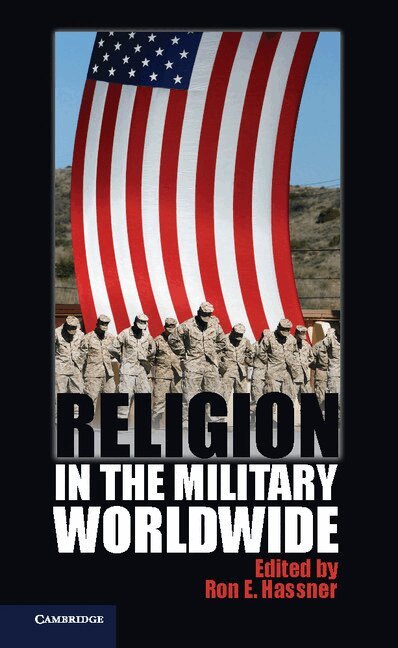
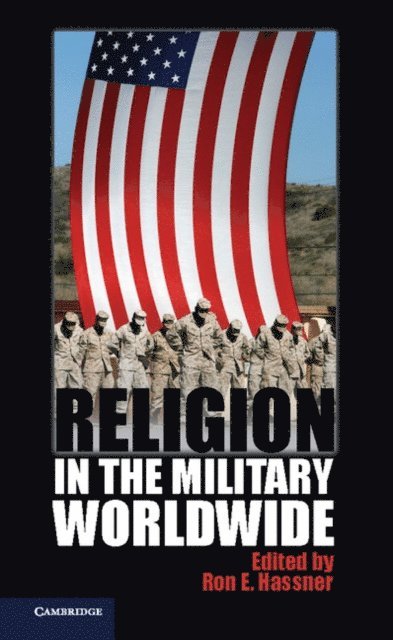
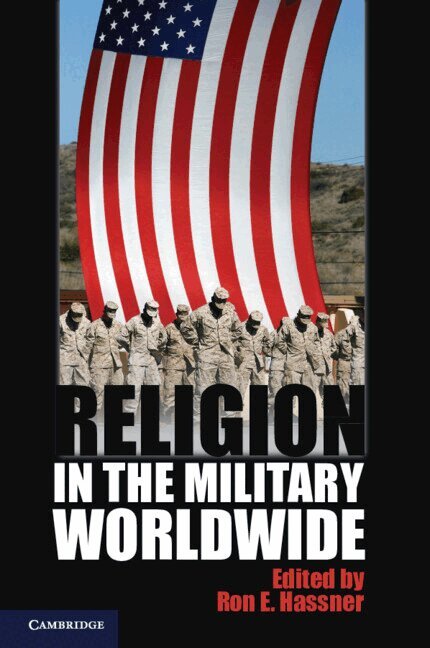
How does religion affect the lives of professional soldiers? How does religion shape militaries, their organization, procedures, and performance? This volume is the first to address these questions by comparing religious symbols and practices in nine countries: Japan, Canada, the United Kingdom, Pakistan, Israel, Iran, India, the United States, and Turkey. The contributors explore how and why soldiers pray, the role of religious rituals prior to battle, the functions that chaplains perform, the effects of religion on recruitment and unit formation, and how militaries grapple with ensuing constitutional dilemmas.
385 kr
Skickas inom 7-10 vardagar
How does religion affect the lives of professional soldiers? How does religion shape militaries, their organization, procedures, and performance? This volume is the first to address these questions by comparing religious symbols and practices in nine countries: Japan, Canada, the United Kingdom, Pakistan, Israel, Iran, India, the United States, and Turkey. The contributors explore how and why soldiers pray, the role of religious rituals prior to battle, the functions that chaplains perform, the effects of religion on recruitment and unit formation, and how militaries grapple with ensuing constitutional dilemmas.
11 157 kr
Tillfälligt slut
The study of religion and international relations has been gathering pace over the past few decades, and has intensified since the start of the new millennium, when the discipline experienced a sudden surge of interest attributable to world events, starting with the Iranian Revolution and culminating with U.S. incursions into Afghanistan and Iraq. This four-volume set organizes and contextualizes this burgeoning literature and its contribution to the study of international theory, focusing in particular on its influence in the subfield of war and peace studies. The four volumes are arranged thematically, including papers which offer a range of answers to key questions such as: How has religion shaped the structure of international system?How do we define the relationship between religion and war?In what ways has religion prevented, constrained or resolved conflict?How do we approach the methodological, ontological and epistemological challenges raised by the interdisciplinary study of religion and international relations?
309 kr
Skickas inom 10-15 vardagar
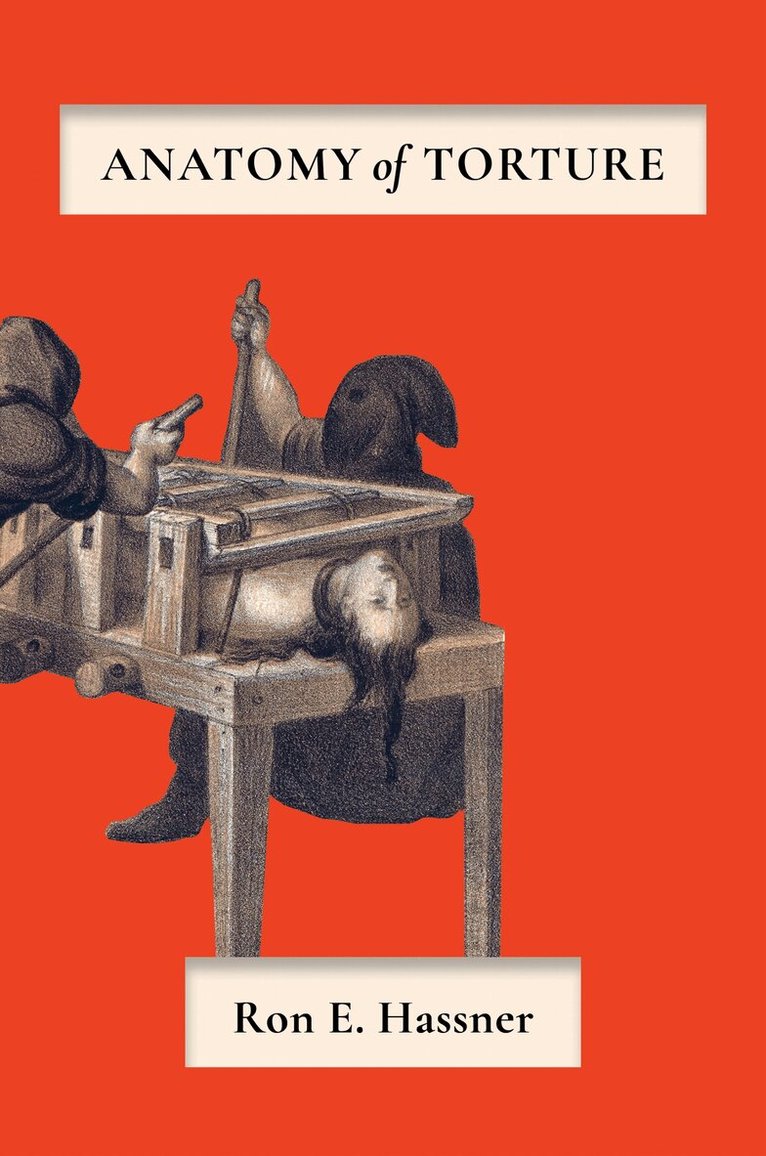
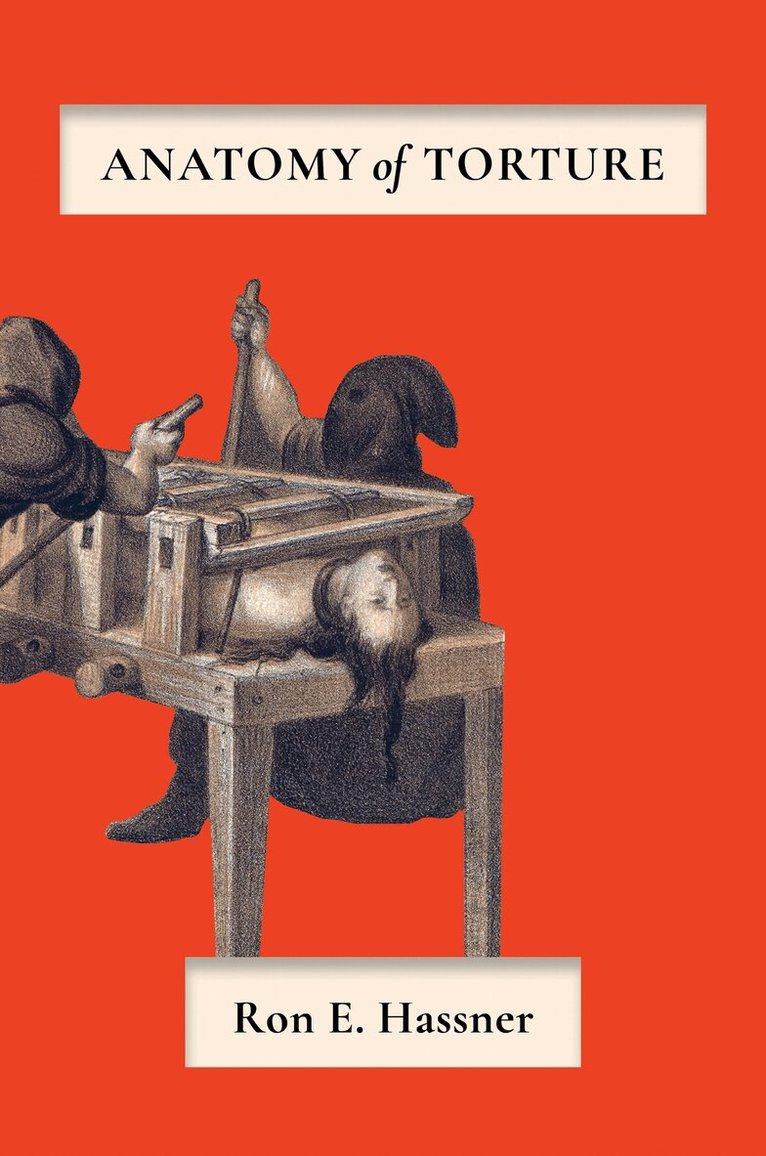
Does torture "work?" Can controversial techniques such as waterboarding extract crucial and reliable intelligence? Since 9/11, this question has been angrily debated in the halls of power and the court of public opinion. In Anatomy of Torture, Ron E. Hassner mines the archives of the Spanish Inquisition to propose an answer that will frustrate and infuriate both sides of the divide. The Inquisition's scribes recorded every torment, every scream, and every confession in the torture chamber. Their transcripts reveal that Inquisitors used torture deliberately and meticulously, unlike the rash, improvised methods used by the United States after 9/11. In their relentless pursuit of underground Jewish communities in Spain and Mexico, the Inquisition tortured in cold blood. But they treated any information extracted with caution: torture was used to test information provided through other means, not to uncover startling new evidence. Hassner's findings in Anatomy of Torture have important implications for ongoing torture debates. Rather than insist that torture is ineffective, torture critics should focus their attention on the morality of torture. If torture is evil, its efficacy is irrelevant. At the same time, torture defenders cannot advocate for torture as a counterterrorist "quick fix": torture has never located, nor will ever locate, the hypothetical "ticking bomb" that is frequently invoked to justify brutality in the name of security.
1 518 kr
Skickas inom 10-15 vardagar
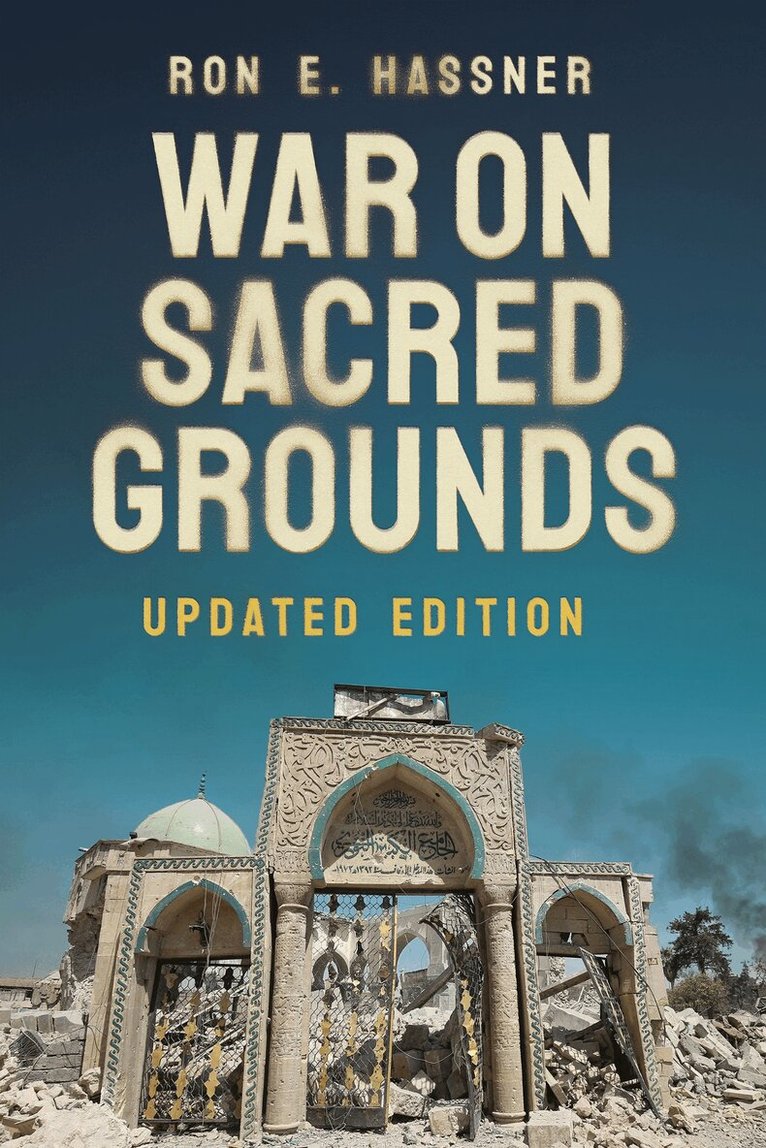
In War on Sacred Grounds, Ron E. Hassner investigates the causes and properties of struggles over sites that are both venerated and contested, and proposes ways for managing these disputes. Holy places can create the potential for clashes, not only between competing religious groups but also between religious groups and secular actors. Hassner illustrates this complex, violent dynamic through a series of case studies, including the conflict over Jerusalem and competing Hindu and Muslim claims over Ayodhya. He also analyses successful compromises that reduced conflict in Jerusalem in 1967 and in Mecca in 1979. In this updated edition of War on Sacred Grounds, Hassner reevaluates his findings and conclusions and surveys ongoing conflicts over holy sites.
327 kr
Skickas inom 10-15 vardagar
In War on Sacred Grounds, Ron E. Hassner investigates the causes and properties of struggles over sites that are both venerated and contested, and proposes ways for managing these disputes. Holy places can create the potential for clashes, not only between competing religious groups but also between religious groups and secular actors. Hassner illustrates this complex, violent dynamic through a series of case studies, including the conflict over Jerusalem and competing Hindu and Muslim claims over Ayodhya. He also analyses successful compromises that reduced conflict in Jerusalem in 1967 and in Mecca in 1979. In this updated edition of War on Sacred Grounds, Hassner reevaluates his findings and conclusions and surveys ongoing conflicts over holy sites.
266 kr
Skickas
Does torture "work?" Can controversial techniques such as waterboarding extract crucial and reliable intelligence? Since 9/11, this question has been angrily debated in the halls of power and the court of public opinion. In Anatomy of Torture, Ron E. Hassner mines the archives of the Spanish Inquisition to propose an answer that will frustrate and infuriate both sides of the divide. The Inquisition's scribes recorded every torment, every scream, and every confession in the torture chamber. Their transcripts reveal that Inquisitors used torture deliberately and meticulously, unlike the rash, improvised methods used by the United States after 9/11. In their relentless pursuit of underground Jewish communities in Spain and Mexico, the Inquisition tortured in cold blood. But they treated any information extracted with caution: torture was used to test information provided through other means, not to uncover startling new evidence. Hassner's findings in Anatomy of Torture have important implications for ongoing torture debates. Rather than insist that torture is ineffective, torture critics should focus their attention on the morality of torture. If torture is evil, its efficacy is irrelevant. At the same time, torture defenders cannot advocate for torture as a counterterrorist "quick fix": torture has never located, nor will ever locate, the hypothetical "ticking bomb" that is frequently invoked to justify brutality in the name of security.