Ronald Bruce St John - Böcker
Visar alla böcker från författaren Ronald Bruce St John. Handla med fri frakt och snabb leverans.
14 produkter
14 produkter
Revolution, Reform and Regionalism in Southeast Asia
Cambodia, Laos and Vietnam
Häftad, Engelska, 2009
660 kr
Skickas inom 10-15 vardagar
Based on research carried out over the three decades, this book compares the post-war political economies of Cambodia, Laos and Vietnam in the context of their individual and collective impact on contemporary efforts at regional integration. The author highlights the different paths to reform taken by the three neighbours and the effect this has had on regional plans for economic development through the ASEAN and the Greater Mekong Subregion.Through its comparative analysis of the reforms implemented by Cambodia, Laos and Vietnam over the last thirty years, the book draws attention to parallel themes of continuity and change. The author discusses how the three states have demonstrated related characteristics whilst at the same time making different modifications in order to exploit the unique strengths of their individual cultures. Contributing to the contemporary debate over the role of democratic reform in promoting economic development, the book provides a detailed account of the political economies of three states at the heart of Southeast Asia.
Revolution, Reform and Regionalism in Southeast Asia
Cambodia, Laos and Vietnam
Inbunden, Engelska, 2005
2 027 kr
Skickas inom 10-15 vardagar
Based on research carried out over the three decades, this book compares the post-war political economies of Cambodia, Laos and Vietnam in the context of their individual and collective impact on contemporary efforts at regional integration. The author highlights the different paths to reform taken by the three neighbours and the effect this has had on regional plans for economic development through the ASEAN and the Greater Mekong Subregion.Through its comparative analysis of the reforms implemented by Cambodia, Laos and Vietnam over the last thirty years, the book draws attention to parallel themes of continuity and change. The author discusses how the three states have demonstrated related characteristics whilst at the same time making different modifications in order to exploit the unique strengths of their individual cultures. Contributing to the contemporary debate over the role of democratic reform in promoting economic development, the book provides a detailed account of the political economies of three states at the heart of Southeast Asia.
2 238 kr
Skickas inom 10-15 vardagar
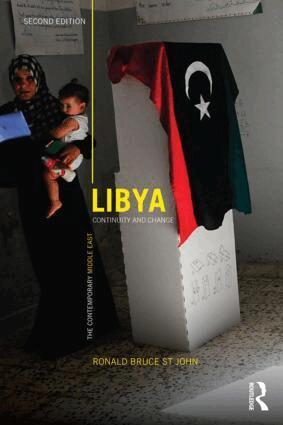
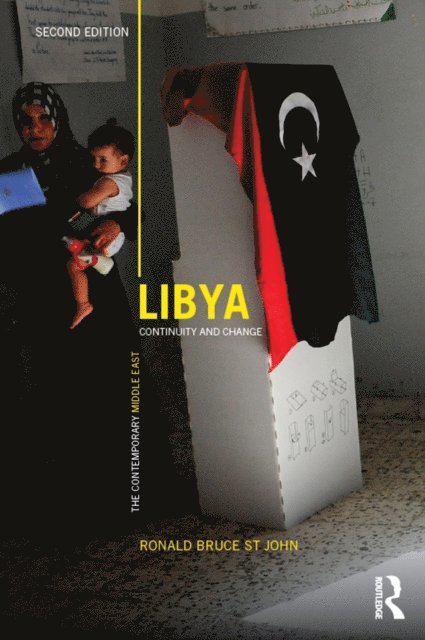
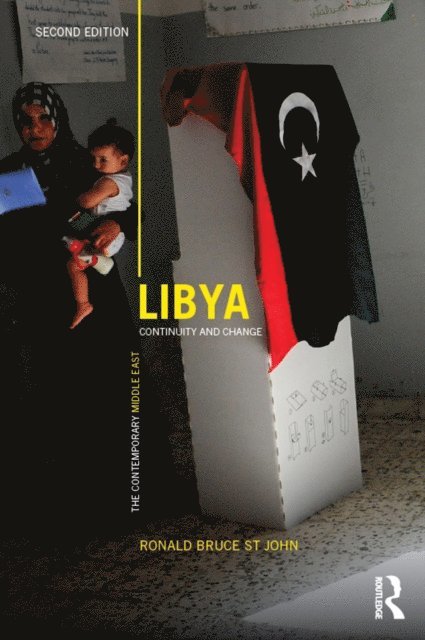
Retaining the conceptual framework of the first edition through emphasis on the dual themes of continuity and change, the second edition of Libya is revised and updated to include discussion of key developments since 2010, including: The February 17 Revolution and the death of Muammar al-Qaddafi. The political process which evolved in the course of the February 17 Revolution and led to General National Congress elections in July 2012, Constitutional Assembly elections in February 2014, and House of Representative elections in June 2014. Post-Qaddafi economic policy from the National Transitional Council through successive interim transitional governments. Post-Qaddafi foreign policy. The on-going process of drafting a new constitution which will be followed by the election of a Parliament and a President.Providing a comprehensive overview of the Libyan uprising, seen to be the exception to the Arab Spring, and highlighting the issues facing contemporary Libya, this book is an important text for students and scholars of History, North Africa and the Middle East as well as the non-specialist with an interest in current affairs.
818 kr
Skickas inom 10-15 vardagar
Retaining the conceptual framework of the first edition through emphasis on the dual themes of continuity and change, the second edition of Libya is revised and updated to include discussion of key developments since 2010, including: The February 17 Revolution and the death of Muammar al-Qaddafi. The political process which evolved in the course of the February 17 Revolution and led to General National Congress elections in July 2012, Constitutional Assembly elections in February 2014, and House of Representative elections in June 2014. Post-Qaddafi economic policy from the National Transitional Council through successive interim transitional governments. Post-Qaddafi foreign policy. The on-going process of drafting a new constitution which will be followed by the election of a Parliament and a President.Providing a comprehensive overview of the Libyan uprising, seen to be the exception to the Arab Spring, and highlighting the issues facing contemporary Libya, this book is an important text for students and scholars of History, North Africa and the Middle East as well as the non-specialist with an interest in current affairs.
2 157 kr
Skickas inom 10-15 vardagar
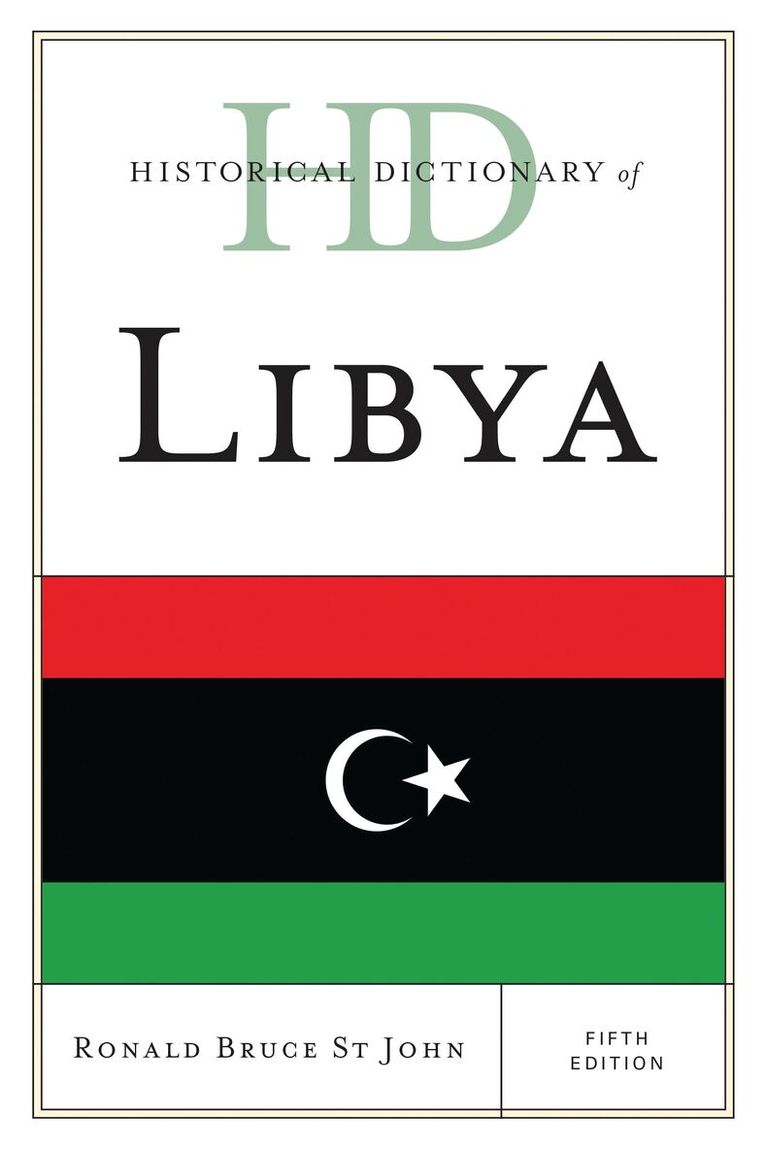
Of all the states of the Middle East and North Africa, Libya has long been the country about which the least is known. It is only in recent times that scholars and the general public alike have begun to appreciate the complexity of Libya's turbulent history including the recent February 17th Revolution in 2011 when protests broke out throughout Libya, demanding better living conditions and more job opportunities. When the Qaddafi regime responded with force, killing scores of unarmed civilians, the protesters called for regime change. In what came to be known as the February 17th Revolution, the Qaddafi regime was overthrown and Qaddafi was killed in October 2011. In July 2012, the Libyan people elected a General National Congress charged with overseeing the drafting of a new constitution and the election of a national government. This fifth edition of Historical Dictionary of Libya covers its history through a chronology, an introductory essay, appendixes, and an extensive bibliography. The dictionary section has over 400 cross-referenced entries on important personalities, politics, economy, society, conflicts, and the culture of Libya. This book is an excellent access point for students, researchers, and anyone wanting to know more about Libya.
884 kr
Skickas inom 10-15 vardagar
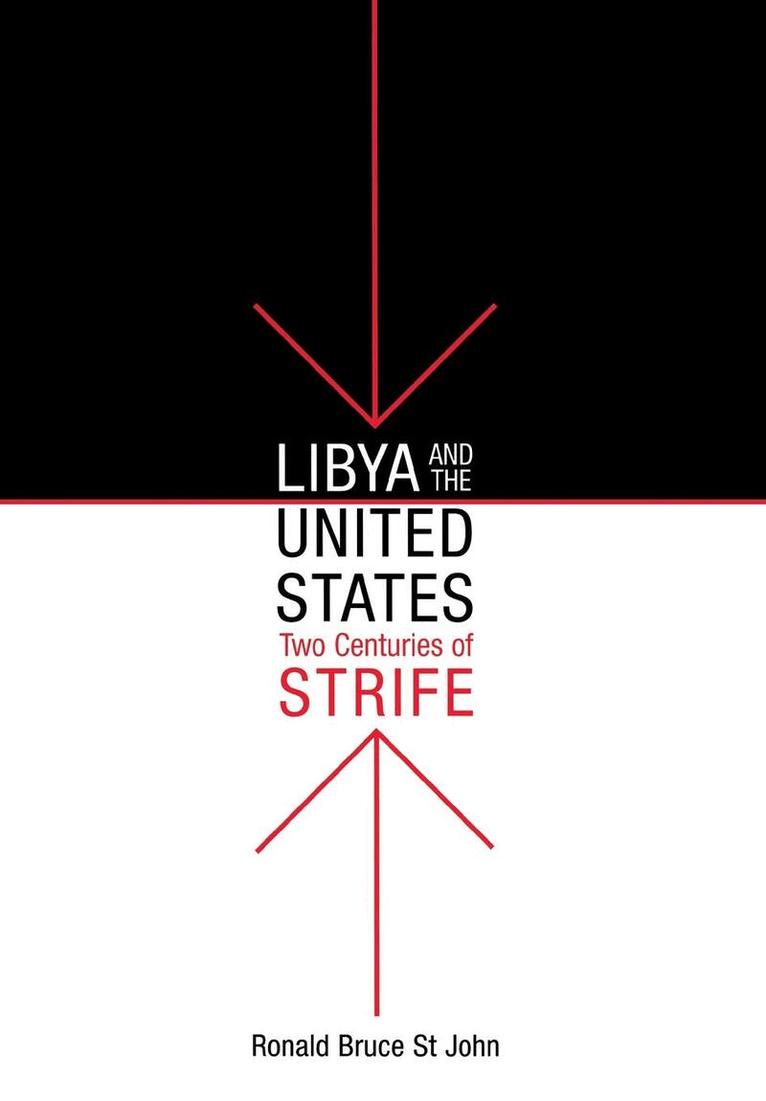
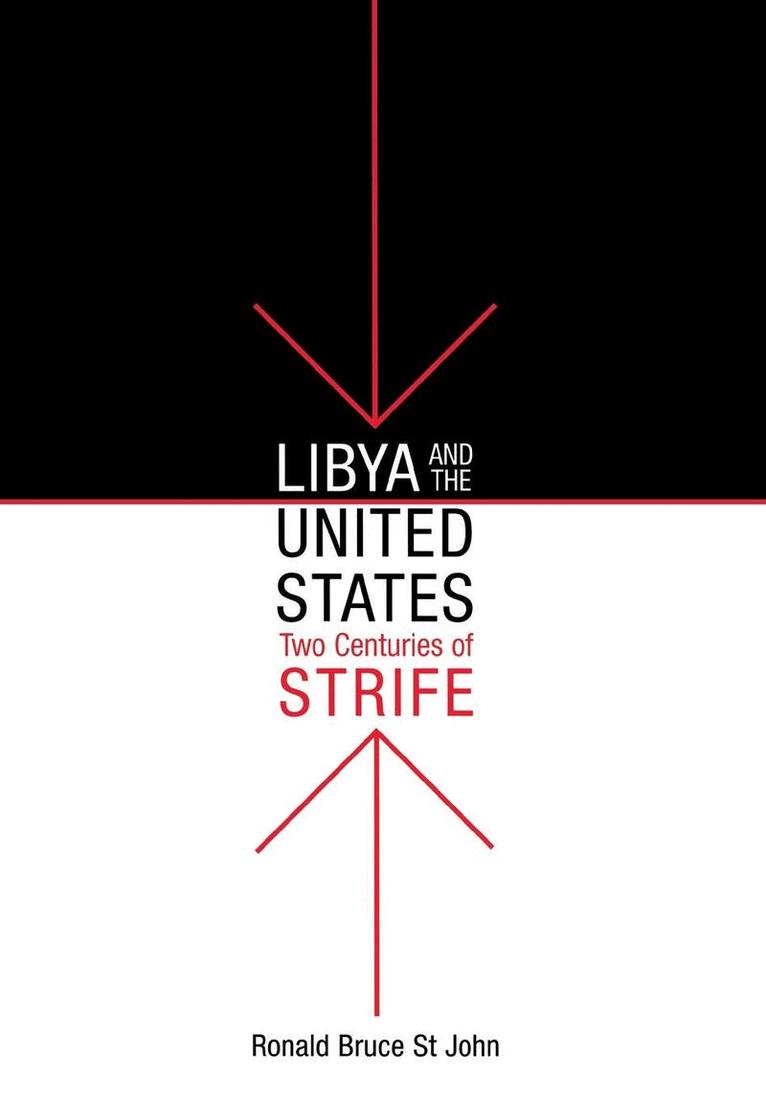
Diplomatic relations between the United States and Libya have rarely followed a smooth path. Washington has repeatedly tried and failed to mediate lasting solutions, to prevent recurrent crises, and to secure its own national interests in a region of increasing importance to the United States. Libya and the United States, Two Centuries of Strife provides a unique and up-to-date analysis of U.S.-Libyan relations, assessing within the framework of conventional historical narrative the interaction of the governments and peoples of Libya and the United States over the past two centuries.Drawing on a wide range of new and unfamiliar material, Ronald Bruce St John, an expert with over thirty years of experience in international relations, charts the instances of ignorance, misunderstanding, treachery, and suffering on both sides that have shaped and limited commercial and diplomatic intercourse.St John argues that Cold War strategies resulted in a paradoxical and ambiguous U.S. policy toward Libya during the Idris regime of the 1960s, strategies that contributed to the bankruptcy of that monarchy. Following the Libyan revolution, the U.S. wrongly believed Qaddafi would become an ally in support of U.S. policy to keep Soviet influence and communism out of the region; his failure to do so marked the beginning of an era of political tension and mutual distrust.Libya and the United States, Two Centuries of Strife documents how long-standing policy differences over the Palestinian issue and such terrorist acts as the destruction of the U.S. embassy in Tripoli and the Pan Am explosion over Lockerbie in 1988 resulted in a sharp deterioration of relations. St John contends that the ensuing demonization of Libya and the U.S. policy of confrontation, which has spanned successive administrations in Washington, have ironically often not served American interests in the region but, rather, have facilitated Qaddafi's survival.
561 kr
Skickas inom 10-15 vardagar
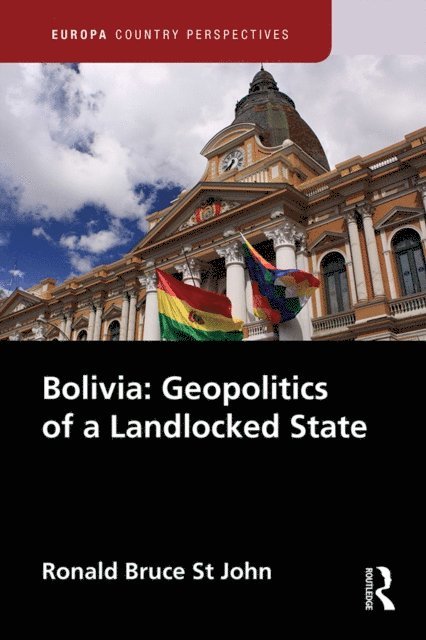
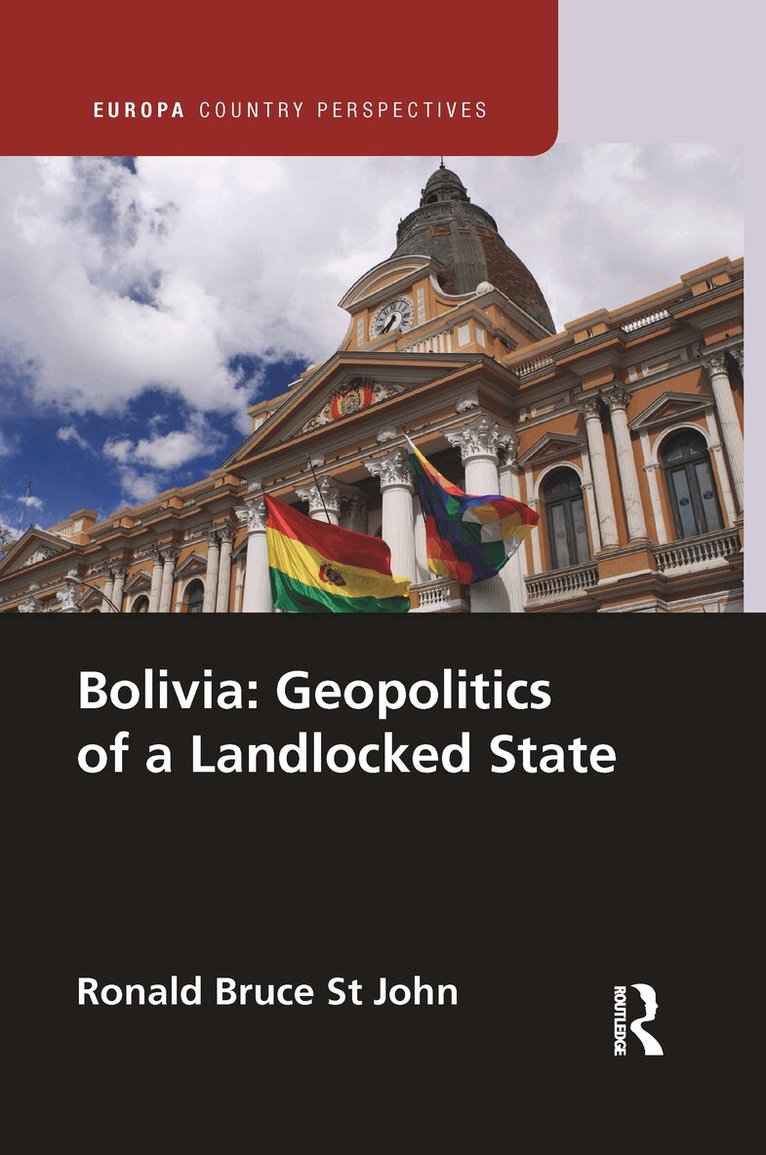
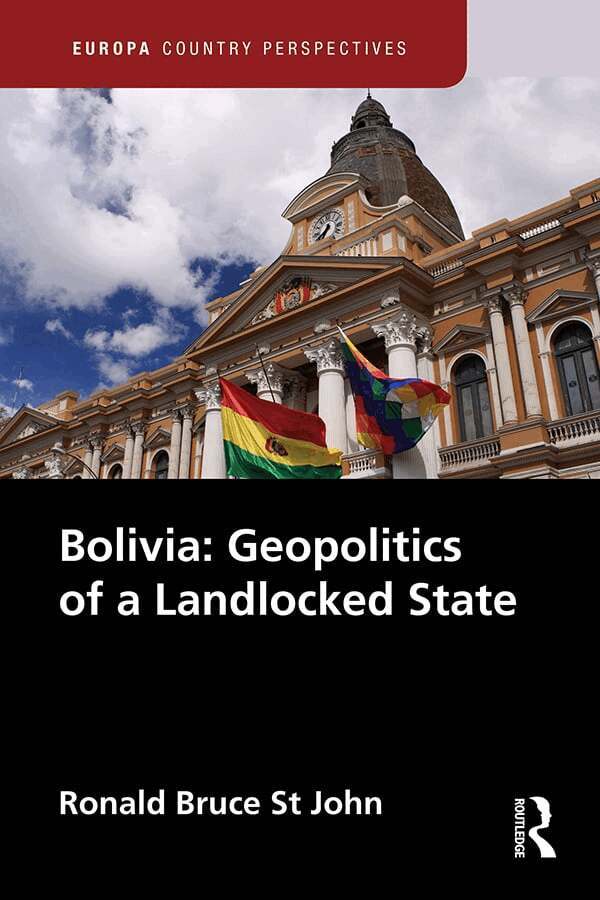
Bolivia: Geopolitics of a Landlocked State goes beyond the traditional focus on inter-American relations, territorial issues and the maritime question to provide the first comprehensive study of Bolivian foreign policy from independence to the present day. It aims to redress the balance between the often overstated importance of external determinants – actors and forces outside Bolivia which have influenced the foreign policy process – and the understated impact of internal determinants, similar actors and forces within Bolivia.Drawing on 50 years of research and study, the author focuses on the five interrelated goals of sovereignty, national security, territorial integrity, continental solidarity and economic independence, which have characterized Bolivian foreign policy from the outset. In so doing, the negative impact which poor governance, weak state capacity and a fixation on the seaport issue had on the achievement of those five goals is centre stage in the discussion. In acknowledging the geopolitical ramifications of being landlocked, the singular nature of Bolivia’s approach to the problem also is detailed.An examination of foreign policy today can no longer be confined to intergovernmental relations; instead, it must consider the full range of internal and external forces which have influenced its scope and direction. In addition to bilateral relations, boundary disputes and the seaport issue, this volume explores the impact of foreign capital and multinational companies, together with the effects of domestic entrepreneurs, political parties, labour unions and social movements. It also assesses the overlap or linkage between domestic and foreign variables when the two combined to influence Bolivian foreign policy.
2 627 kr
Skickas inom 10-15 vardagar
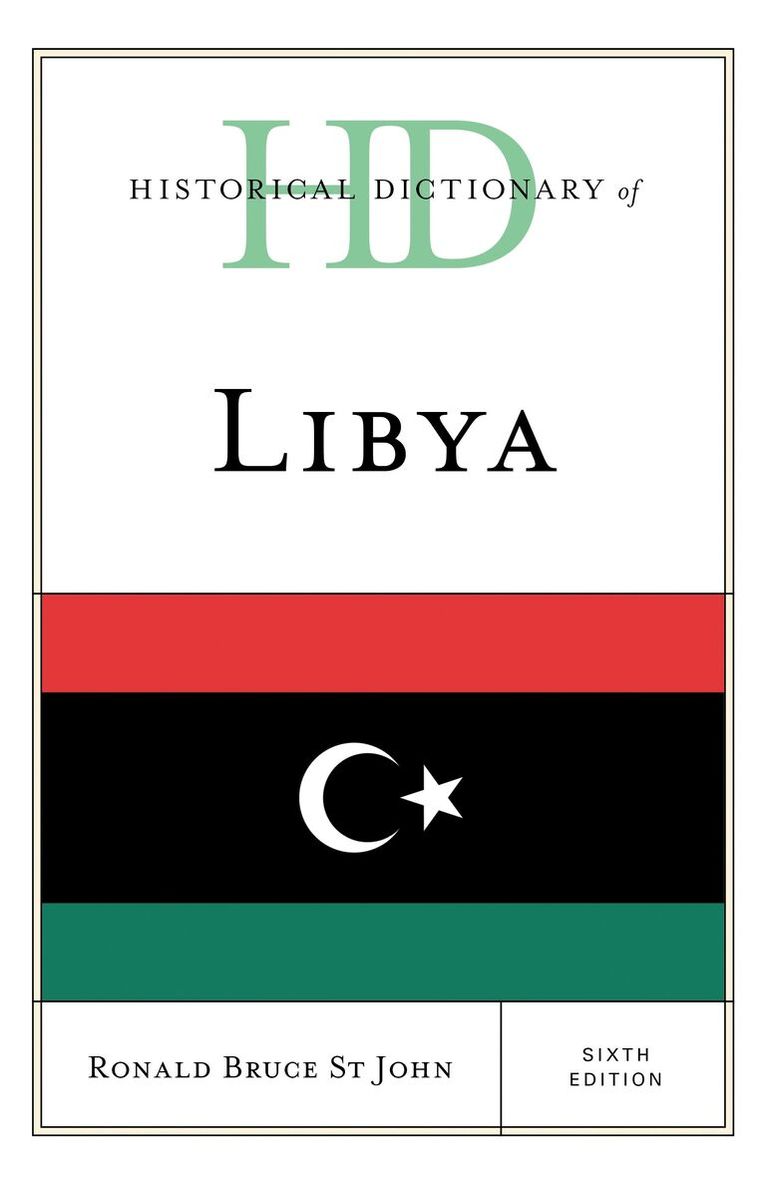
Of all the countries in North Africa and the Middle East, less has been known about Libya for decades. Only recently have we begun to appreciate the complexity of Libya’s turbulent past, including the revolution in 2011 in which demands for better living conditions and more job opportunities led to widespread protests. When the Muammar al-Qaddafi regime responded with force to these peaceful protests, killing scores of unarmed civilians, the protesters called for regime change. In what came to be known as the February 17 Revolution, the 42-year-old Qaddafi regime was overthrown, and Qaddafi was killed in October 2011. Over the next decade, Libya endured a series of interim, transitional governments in a prolonged struggle to draft a new constitution and to elect a democratic national government.Historical Dictionary of Libya, Sixth Edition contains a chronology, an introduction, and an extensive bibliography. The dictionary section has more than 500 cross-referenced entries on important personalities as well as aspects of the country’s politics, economy, foreign relations, religion, and culture. This book is an excellent resource for students, researchers, and anyone wanting to know more about Libya.
142 kr
Skickas
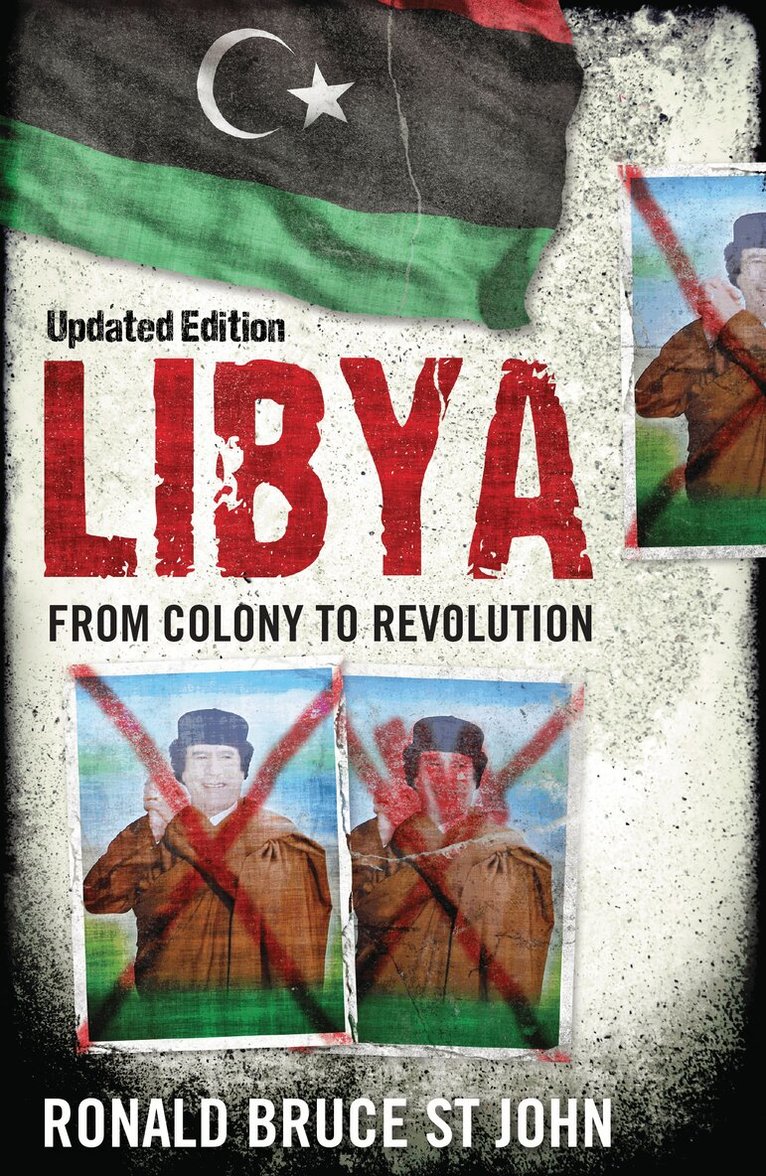
Since Qaddafi’s ousting in 2011, Libya has been beset by instability and conflict. To understand the tumultuous state of the country today, one must look to its past. With great clarity and precision, renowned regional expert Ronald Bruce St John examines Libya’s long struggle to establish its political and economic identity amidst the interference of external actors keen to exploit the country’s strategic importance.This authoritative history spans the time of the early Phoenician and Greek settlements, colonization by Mussolini’s Italy, Qaddafi’s four decades of rule and, in this updated edition, the internal rivalries that have dominated the country in the aftermath of the Arab Spring. Essential reading for those seeking a greater understanding of this complex North African state, Libya: From Colony to Revolution is an insightful history, rich in detail and analysis.
221 kr
Skickas
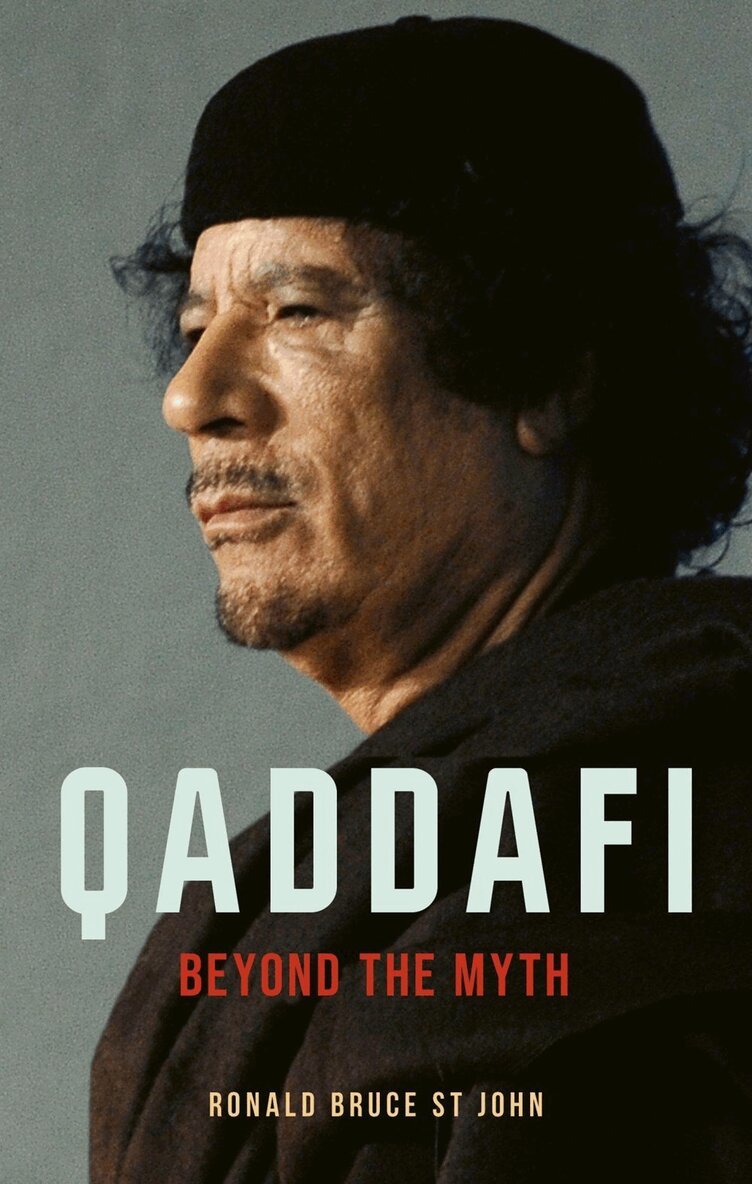
This book explores the life of Muammar al-Qaddafi, the enigmatic Libyan leader, from his birth to his assassination in a drainage ditch outside the city of Sirte in October 2011. The first authoritative biography of Qaddafi, it aims to make sense of his remarkable life and times. Known for his idiosyncratic ideas and flamboyant dress, his persona was also a cloak he used to obscure his personal and professional life. Qaddafi created a repressive political system, supported terrorist movements abroad and suppressed basic human rights at home, while abusing hundreds of women. Qaddafi: Beyond the Myth provides a comprehensive look at the forces that shaped Qaddafi and enabled him to become the world's longest-ruling head of state. It also provides essential information for anyone attempting to understand the division, confusion and chaos that has dominated post-Qaddafi Libya.
350 kr
Skickas inom 5-8 vardagar
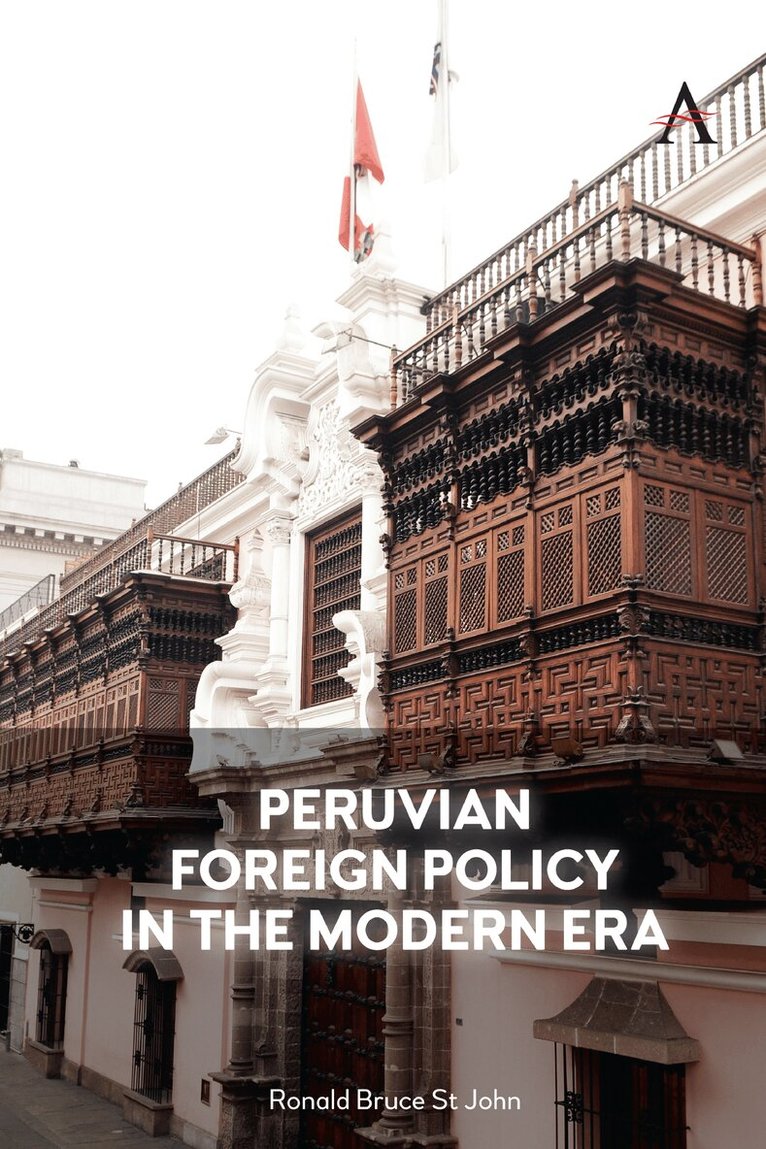
Peruvian Foreign Policy in the Modern Era is a chronological treatment of Peruvian foreign policy from 1990 to the present. It focuses on the impact of domestic politics, economic interests, security concerns, and alliance diplomacy on contemporary Peruvian foreign policy.In common with other Latin American states, sovereignty, territorial integrity, regionalism, continental solidarity, and economic independence were core goals of Peruvian foreign policy after independence. In modern times, successive Peruvian governments have continued to address these and related issues in a foreign policy grounded in pragmatism and notable for its emphasis on a rational combination of continuity and change. The Fujimori administration (1990–2000) set the stage for this shift in the direction, tone, and content of the nation’s foreign policy with successor administrations refining and building upon the initiatives launched by Fujimori.
370 kr
Tillfälligt slut
358 kr
Tillfälligt slut
1 900 kr
Skickas inom 10-15 vardagar
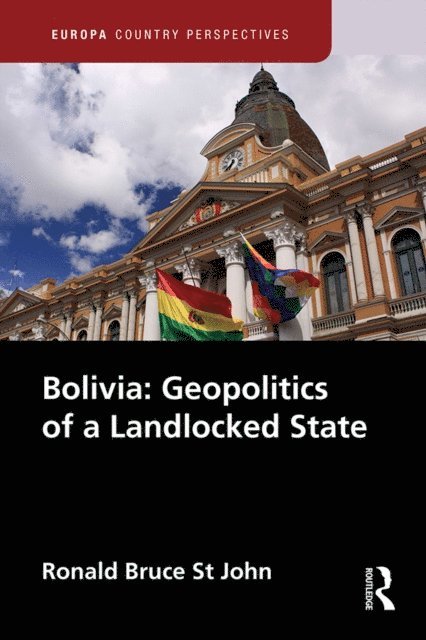
Bolivia: Geopolitics of a Landlocked State goes beyond the traditional focus on inter-American relations, territorial issues and the maritime question to provide the first comprehensive study of Bolivian foreign policy from independence to the present day. It aims to redress the balance between the often overstated importance of external determinants – actors and forces outside Bolivia which have influenced the foreign policy process – and the understated impact of internal determinants, similar actors and forces within Bolivia.Drawing on 50 years of research and study, the author focuses on the five interrelated goals of sovereignty, national security, territorial integrity, continental solidarity and economic independence, which have characterized Bolivian foreign policy from the outset. In so doing, the negative impact which poor governance, weak state capacity and a fixation on the seaport issue had on the achievement of those five goals is centre stage in the discussion. In acknowledging the geopolitical ramifications of being landlocked, the singular nature of Bolivia’s approach to the problem also is detailed.An examination of foreign policy today can no longer be confined to intergovernmental relations; instead, it must consider the full range of internal and external forces which have influenced its scope and direction. In addition to bilateral relations, boundary disputes and the seaport issue, this volume explores the impact of foreign capital and multinational companies, together with the effects of domestic entrepreneurs, political parties, labour unions and social movements. It also assesses the overlap or linkage between domestic and foreign variables when the two combined to influence Bolivian foreign policy.