Ronald E. Day – författare
Visar alla böcker från författaren Ronald E. Day. Handla med fri frakt och snabb leverans.
9 produkter
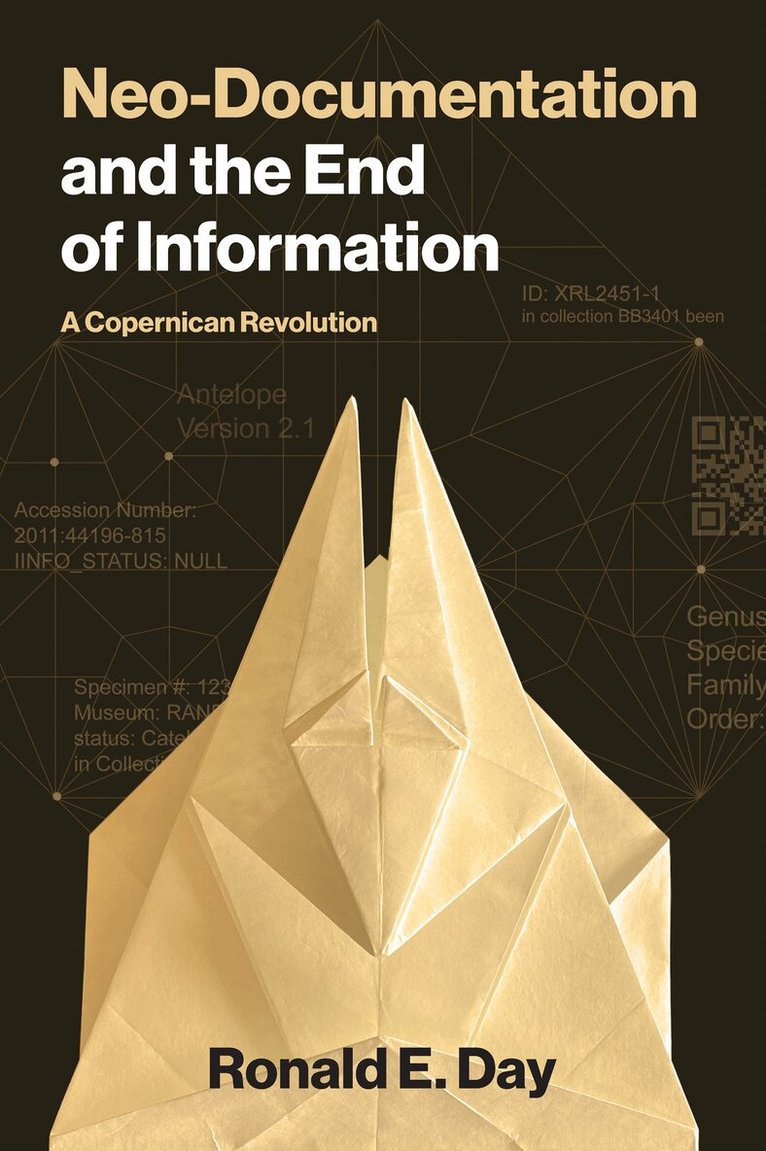
Neo-Documentation and the End of Information
A Copernican Revolution
Häftad, 2026
488 kr
Lägg i varukorg
A philosophical critique of information as relational, evidential, and transformative, grounded in neo-documentation, Heidegger, and Latour. Ronald Day’s Neo-Documentation and the End of Information critiques the modern conception of information as representational “content.” The author proposes a …
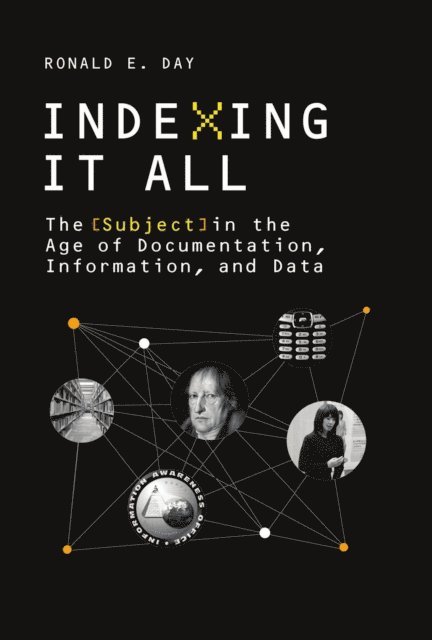
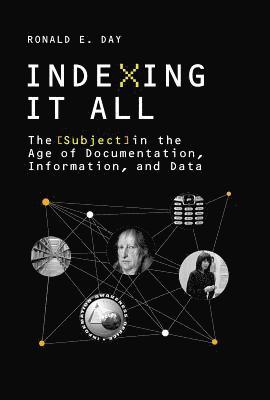
Indexing It All
E-bok, 2014
294 kr
Lägg i varukorg
A critical history of the modern tradition of documentation, tracing the representation of individuals and groups in the form of documents, information, and data. In this book, Ronald Day offers a critical history of the modern tradition of documentation. Focusing on the documentary index …
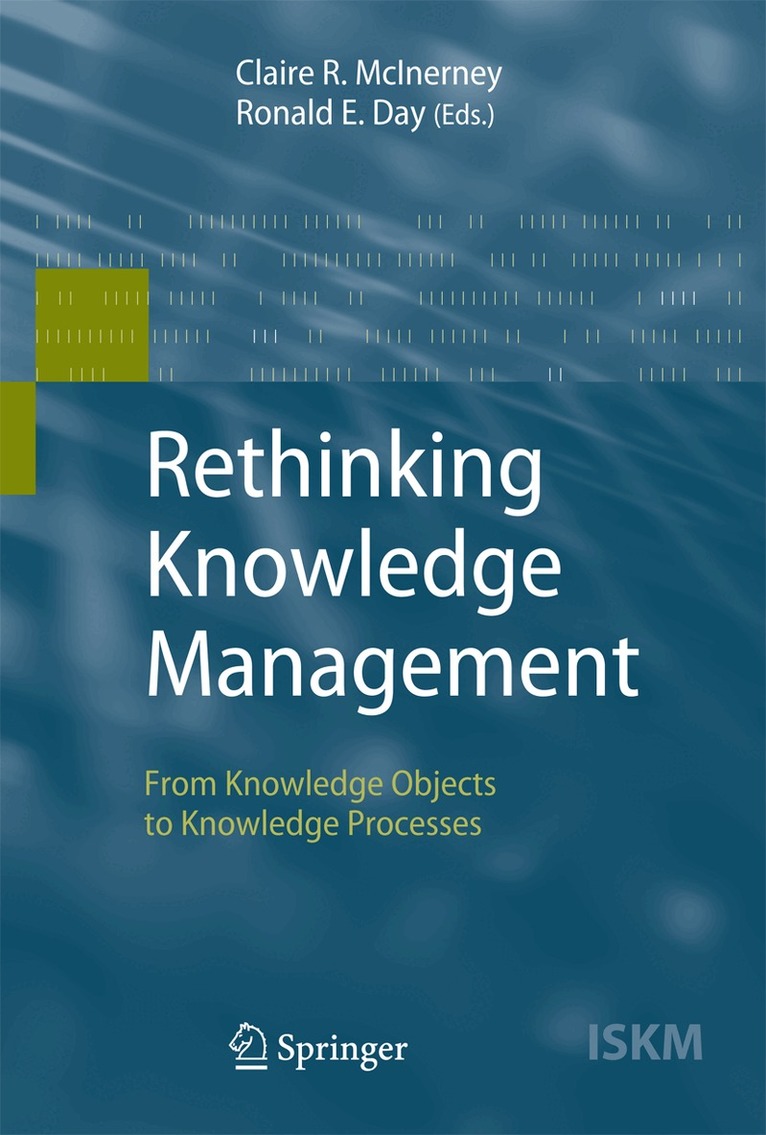
Rethinking Knowledge Management
From Knowledge Objects to Knowledge Processes
Av Claire R. McInerney, Ronald E. Day
Inbunden, 2007
1692 kr
Lägg i varukorg
Rethinking Knowledge Management: From Knowledge Objects to Knowledge Processes readdresses fundamental issues in knowledge management, leading to a new area of study: knowledge processes. These integrate research across a variety of fields, thus reasserting the fundamental insights of knowledge …
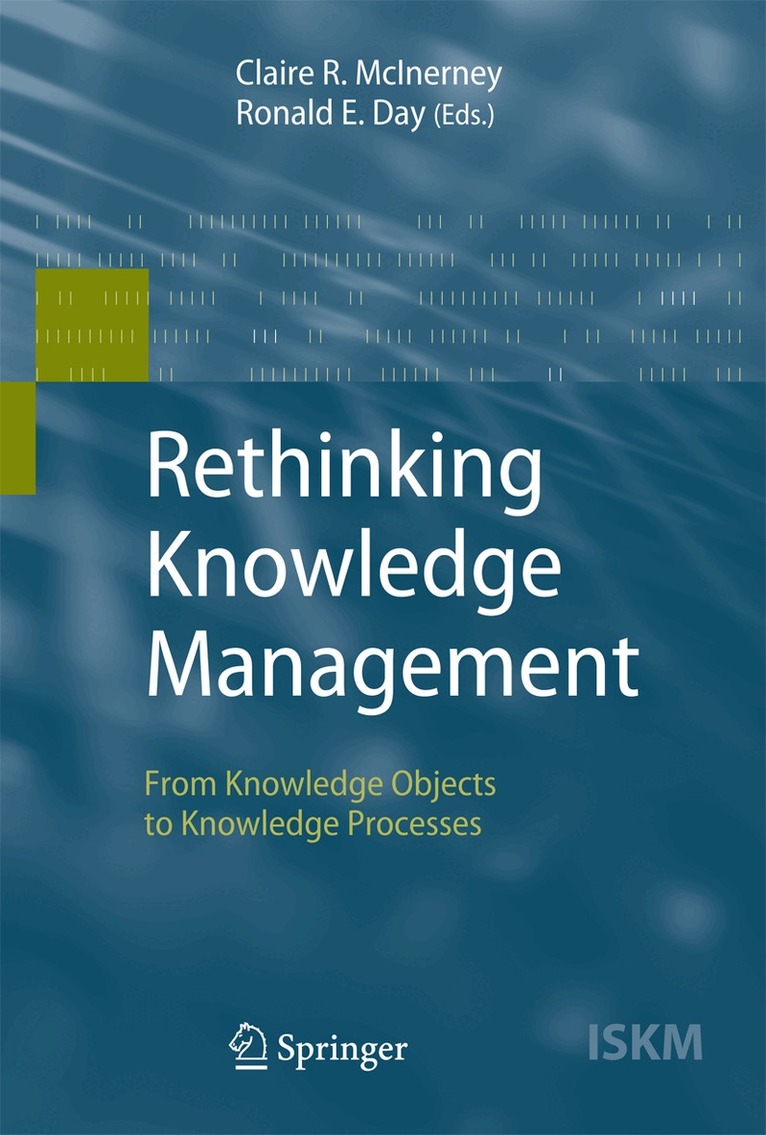
Rethinking Knowledge Management
From Knowledge Objects to Knowledge Processes
Av Ronald E. Day, Claire R. McInerney
E-bok, 2007
2111 kr
Lägg i varukorg
Rethinking Knowledge Management: From Knowledge Objects to Knowledge Processes readdresses fundamental issues in knowledge management, leading to a new area of study: knowledge processes. These integrate research across a variety of fields, thus reasserting the fundamental insights of knowledge …
Rethinking Knowledge Management
From Knowledge Objects to Knowledge Processes
Av Claire R. McInerney, Ronald E. Day
Häftad, 2010
1688 kr
Lägg i varukorg
Rethinking Knowledge Management: From Knowledge Objects to Knowledge Processes readdresses fundamental issues in knowledge management, leading to a new area of study: knowledge processes. These integrate research across a variety of fields, thus reasserting the fundamental insights of knowledge …
Indexing It All
The Subject in the Age of Documentation, Information, and Data
Häftad, 2014
60 kr
Tillfälligt slut
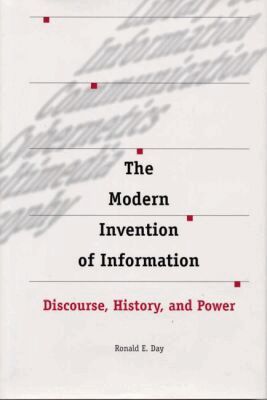
Modern Invention of Information
Discourse, History, and Power
Av Ronald E Day
Inbunden, 2001
409 kr
Tillfälligt slut
Ronald E. Day provides a historically informed critical analysis of the concept and politics of information in the twentieth century. Analyzing texts in Europe and the United States, his critical reading method goes beyond traditional historiographical readings of communication and information by …