Rory Finnin – författare
Visar alla böcker från författaren Rory Finnin. Handla med fri frakt och snabb leverans.
6 produkter
6 produkter
687 kr
Skickas inom 5-8 vardagar
Katyn– the Soviet massacre of over 21,000 Polish prisoners in 1940 – has come to be remembered as Stalin’s emblematic mass murder, an event obscured by one of the most extensive cover-ups in history. Yet paradoxically, a majority of its victims perished far from the forest in western Russia that gives the tragedy its name. Their remains lie buried in killing fields throughout Russia, Ukraine and, most likely, Belarus. Today their ghosts haunt the cultural landscape of Eastern Europe.This book traces the legacy of Katyn through the interconnected memory cultures of seven countries: Belarus, Poland, Russia, Ukraine, and the Baltic States. It explores the meaning of Katyn as site and symbol, event and idea, fact and crypt. It shows how Katyn both incites nationalist sentiments in Eastern Europe and fosters an emerging cosmopolitan memory of Soviet terror. It also examines the strange impact of the 2010 plane crash that claimed the lives of Poland’s leaders en route to Katyn.Drawing on novels and films, debates and controversies, this book makes the case for a transnational study of cultural memory and navigates a contested past in a region that will define Europe’s future.
251 kr
Skickas inom 5-8 vardagar
Katyn– the Soviet massacre of over 21,000 Polish prisoners in 1940 – has come to be remembered as Stalin’s emblematic mass murder, an event obscured by one of the most extensive cover-ups in history. Yet paradoxically, a majority of its victims perished far from the forest in western Russia that gives the tragedy its name. Their remains lie buried in killing fields throughout Russia, Ukraine and, most likely, Belarus. Today their ghosts haunt the cultural landscape of Eastern Europe.This book traces the legacy of Katyn through the interconnected memory cultures of seven countries: Belarus, Poland, Russia, Ukraine, and the Baltic States. It explores the meaning of Katyn as site and symbol, event and idea, fact and crypt. It shows how Katyn both incites nationalist sentiments in Eastern Europe and fosters an emerging cosmopolitan memory of Soviet terror. It also examines the strange impact of the 2010 plane crash that claimed the lives of Poland’s leaders en route to Katyn.Drawing on novels and films, debates and controversies, this book makes the case for a transnational study of cultural memory and navigates a contested past in a region that will define Europe’s future.
1 272 kr
Skickas inom 3-6 vardagar
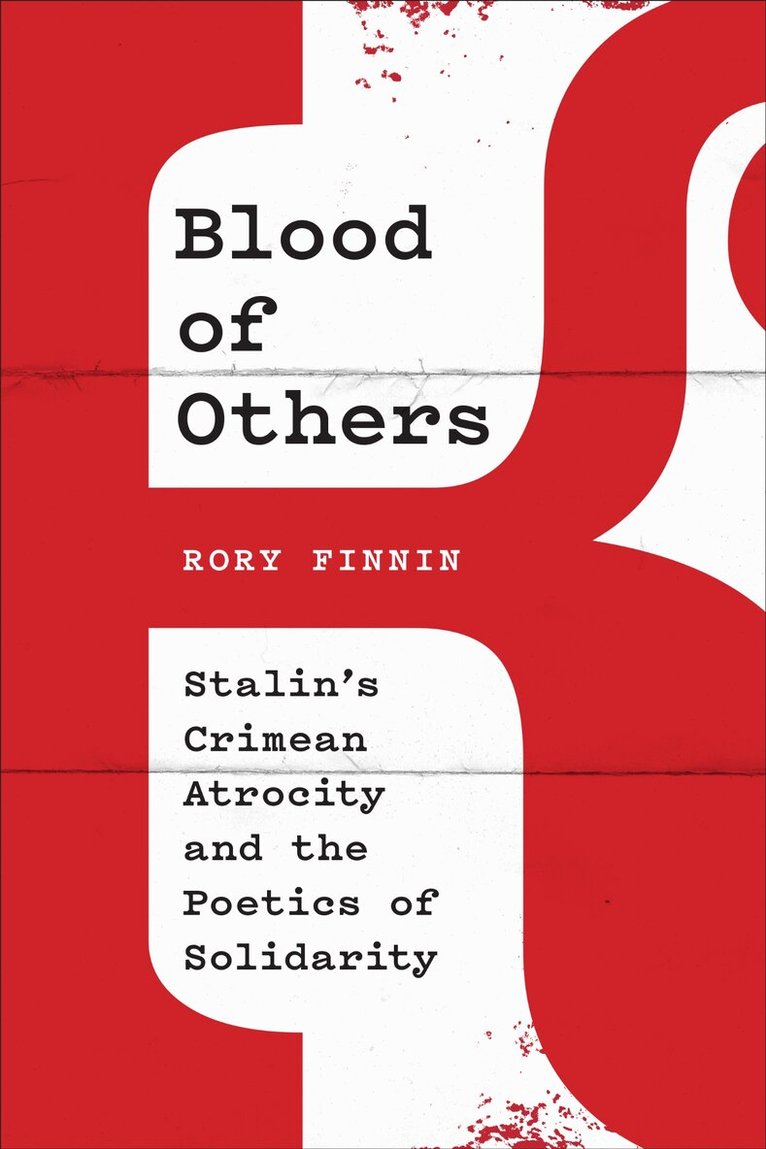
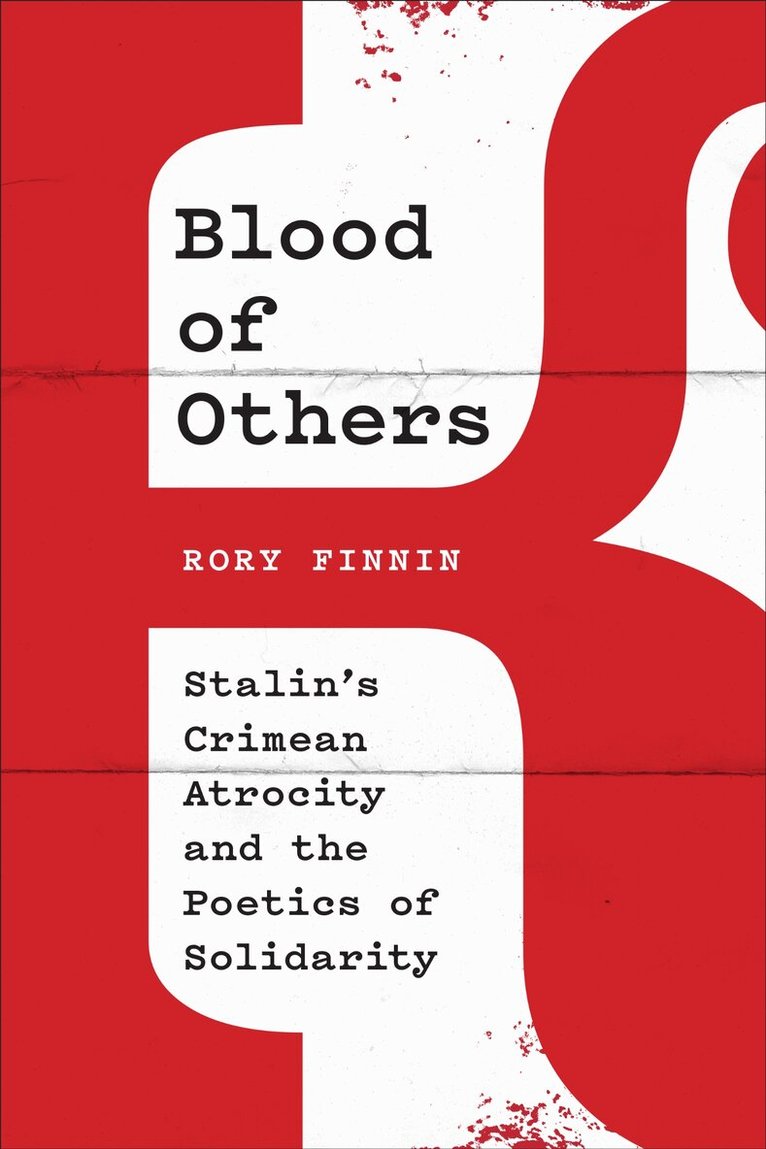
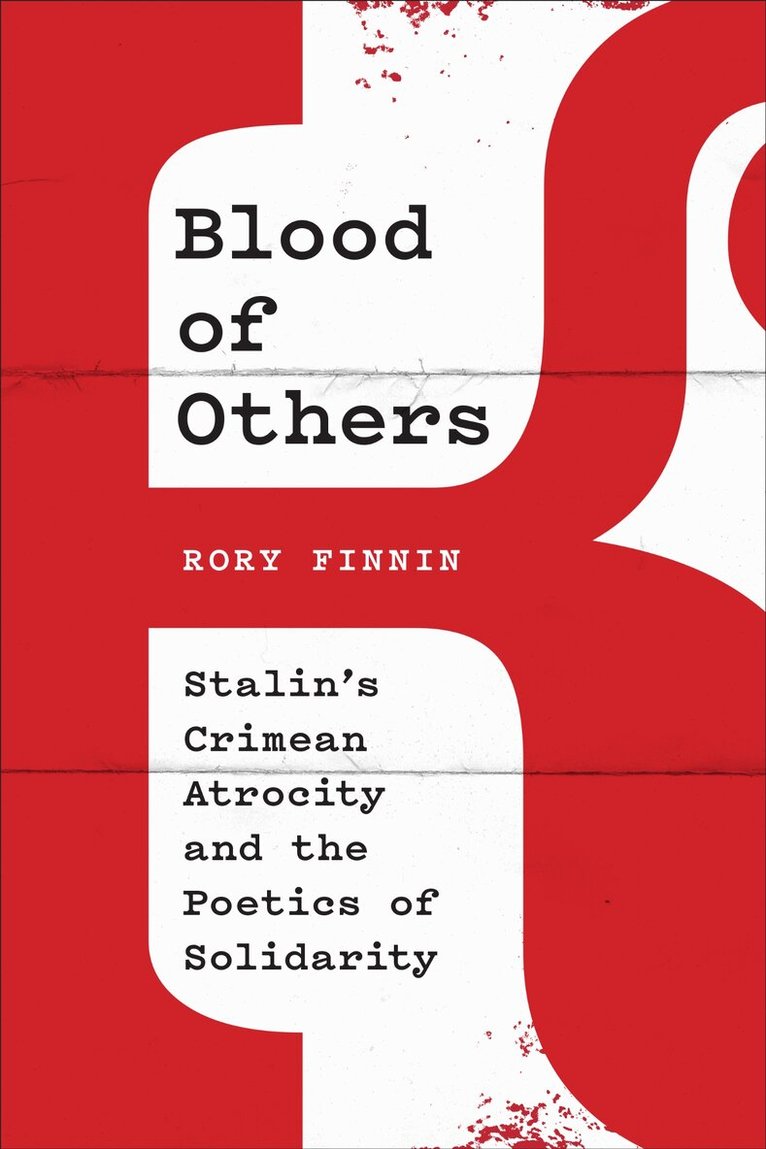
In the spring of 1944, Stalin deported the Crimean Tatars, a small Sunni Muslim nation, from their ancestral homeland on the Black Sea peninsula. The gravity of this event, which ultimately claimed the lives of tens of thousands of victims, was shrouded in secrecy after the Second World War. What broke the silence in Soviet Russia, Soviet Ukraine, and the Republic of Turkey were works of literature. These texts of poetry and prose – some passed hand-to-hand underground, others published to controversy – shocked the conscience of readers and sought to move them to action.Blood of Others presents these works as vivid evidence of literature’s power to lift our moral horizons. In bringing these remarkable texts to light and contextualizing them among Russian, Turkish, and Ukrainian representations of Crimea from 1783, Rory Finnin provides an innovative cultural history of the Black Sea region. He reveals how a "poetics of solidarity" promoted empathy and support for an oppressed people through complex provocations of guilt rather than shame.Forging new roads between Slavic studies and Middle Eastern studies, Blood of Others is a compelling and timely exploration of the ideas and identities coursing between Russia, Turkey, and Ukraine – three countries determining the fate of a volatile and geopolitically pivotal part of our world.
342 kr
Skickas inom 5-8 vardagar
In the spring of 1944, Stalin deported the Crimean Tatars, a small Sunni Muslim nation, from their ancestral homeland on the Black Sea peninsula. The gravity of this event, which ultimately claimed the lives of tens of thousands of victims, was shrouded in secrecy after the Second World War. What broke the silence in Soviet Russia, Soviet Ukraine, and the Republic of Turkey were works of literature. These texts of poetry and prose – some passed hand-to-hand underground, others published to controversy – shocked the conscience of readers and sought to move them to action.Blood of Others presents these works as vivid evidence of literature’s power to lift our moral horizons. In bringing these remarkable texts to light and contextualizing them among Russian, Turkish, and Ukrainian representations of Crimea from 1783, Rory Finnin provides an innovative cultural history of the Black Sea region. He reveals how a "poetics of solidarity" promoted empathy and support for an oppressed people through complex provocations of guilt rather than shame.Forging new roads between Slavic studies and Middle Eastern studies, Blood of Others is a compelling and timely exploration of the ideas and identities coursing between Russia, Turkey, and Ukraine – three countries determining the fate of a volatile and geopolitically pivotal part of our world.
394 kr
Skickas inom 11-20 vardagar
515 kr
Kommande
ENG:In the spring of 1944, Stalin deported the Crimean Tatars, a small Sunni Muslim nation, from their ancestral homeland on the Black Sea peninsula. The gravity of this event, which ultimately claimed the lives of tens of thousands of victims, was shrouded in secrecy after the Second World War. What broke the silence in Soviet Russia, Soviet Ukraine, and the Republic of Turkey were works of literature. These texts of poetry and prose – some passed hand-to-hand underground, others published to controversy – shocked the conscience of readers and sought to move them to action.Blood of Others presents these works as vivid evidence of literature’s power to lift our moral horizons. In bringing these remarkable texts to light and contextualizing them among Russian, Turkish, and Ukrainian representations of Crimea from 1783, Rory Finnin provides an innovative cultural history of the Black Sea region. He reveals how a ""poetics of solidarity"" promoted empathy and support for an oppressed people through complex provocations of guilt rather than shame.Forging new roads between Slavic studies and Middle Eastern studies, Blood of Others is a compelling and timely exploration of the ideas and identities coursing between Russia, Turkey, and Ukraine – three countries determining the fate of a volatile and geopolitically pivotal part of our world.UA:Навесні 1944 року Сталін депортував кримських татар — невеликий сунітський мусульманський народ — з їхньої споконвічної батьківщини на чорноморському півострові. Трагічність цієї події, яка зрештою забрала життя десятків тисяч людей, після Другої світової війни була прихована за завісою таємності. Мовчання порушили літературні твори — у Радянській Росії, Радянській Україні та Турецькій Республіці. Ці поетичні й прозові тексти — одні передавалися з рук у руки в підпіллі, інші були опубліковані й викликали суперечки — вражали сумління читачів і прагнули спонукати їх до дії.«Кров інших» представляє ці твори як яскравий доказ здатності літератури розширювати наші моральні горизонти. Виносячи ці визначні тексти на світло й поміщаючи їх у контекст російських, турецьких та українських репрезентацій Криму від 1783 року, Рорі Фіннін пропонує інноваційну культурну історію Чорноморського регіону. Він розкриває, як «поетика солідарності» сприяла емпатії та підтримці пригнобленого народу через складні провокації почуття провини, а не сорому.Прокладаючи нові шляхи між славістикою та близькосхідними студіями, «Кров інших» — це переконливе й актуальне дослідження ідей та ідентичностей, що пульсують між Росією, Туреччиною та Україною — трьома країнами, які визначають долю мінливого та геополітично ключового регіону нашого світу.