Roslyn Lee Hammers – författare
Visar alla böcker från författaren Roslyn Lee Hammers. Handla med fri frakt och snabb leverans.
8 produkter
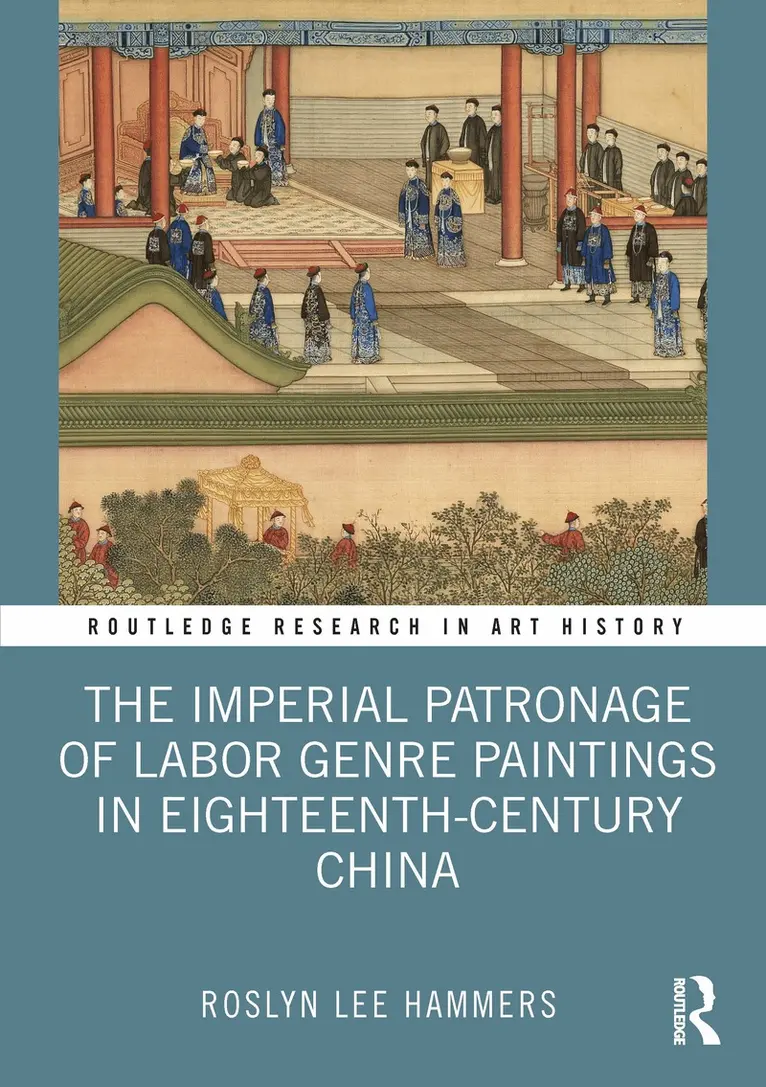
Imperial Patronage of Labor Genre Paintings in Eighteenth-Century China
Inbunden, 2021
2818 kr
Lägg i varukorg
This book examines the agrarian labor genre paintings based on the Pictures of Tilling and Weaving that were commissioned by successive Chinese emperors. Furthermore, this book analyzes the genre’s imagery as well as the poems in their historical context and explains how the paintings contributed …
Imperial Patronage of Labor Genre Paintings in Eighteenth-Century China
Häftad, 2023
665 kr
Lägg i varukorg
This book examines the agrarian labor genre paintings based on the Pictures of Tilling and Weaving that were commissioned by successive Chinese emperors. Furthermore, this book analyzes the genre’s imagery as well as the poems in their historical context and explains how the paintings contributed …
Imperial Patronage of Labor Genre Paintings in Eighteenth-Century China
E-bok, 2021
768 kr
Lägg i varukorg
This book examines the agrarian labor genre paintings based on the Pictures of Tilling and Weaving that were commissioned by successive Chinese emperors. Furthermore, this book analyzes the genre’s imagery as well as the poems in their historical context and explains how the paintings contributed …
Imperial Patronage of Labor Genre Paintings in Eighteenth-Century China
E-bok, 2021
785 kr
Lägg i varukorg
This book examines the agrarian labor genre paintings based on the Pictures of Tilling and Weaving that were commissioned by successive Chinese emperors. Furthermore, this book analyzes the genre’s imagery as well as the poems in their historical context and explains how the paintings contributed …
Pictures of Cotton in Eighteenth-Century China
Inbunden, 2025
2586 kr
Lägg i varukorg
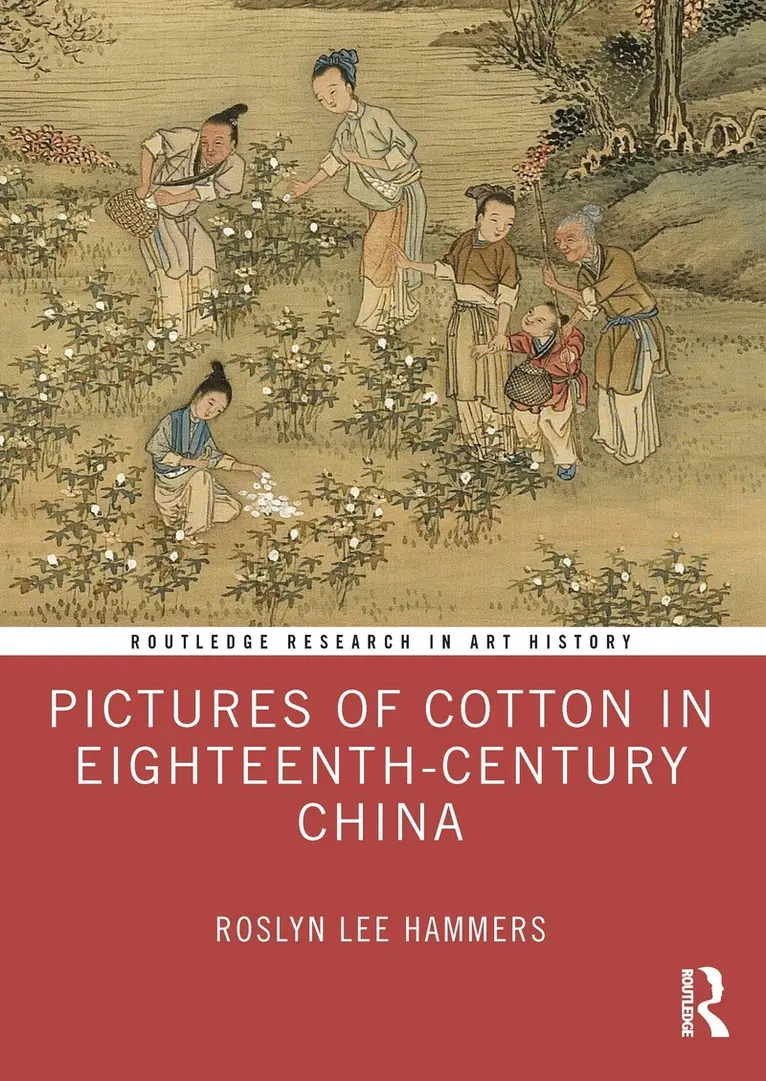
Pictures of Cotton in Eighteenth-Century China narrates cotton’s journey from a little understand material to a cherished commodity ennobled by associations with the classical heritage of China. In the 12th century, cotton, an imported crop, was plucked from the fields and entered the margins of …
Pictures of Cotton in Eighteenth-Century China
E-bok, 2025
856 kr
Lägg i varukorg
Pictures of Cotton in Eighteenth-Century China narrates cotton’s journey from a little understand material to a cherished commodity ennobled by associations with the classical heritage of China. In the 12th century, cotton, an imported crop, was plucked from the fields and entered the margins of …
Pictures of Cotton in Eighteenth-Century China
E-bok, 2025
838 kr
Lägg i varukorg
Pictures of Cotton in Eighteenth-Century China narrates cotton’s journey from a little understand material to a cherished commodity ennobled by associations with the classical heritage of China. In the 12th century, cotton, an imported crop, was plucked from the fields and entered the margins of …
Pictures of Tilling and Weaving – Art, Labor, and Technology in Song and Yuan China
Inbunden, 2011
669 kr
Tillfälligt slut
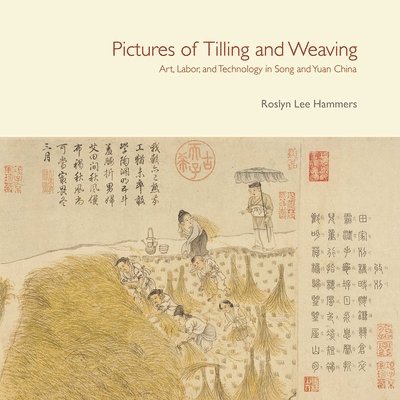
The Pictures of Tilling and Weaving scrolls depict 45 procedures of agriculture and sericulture with each stage accompanied by a poem by Lou Shu describing the plight of farmers, their concerns and aspirations. The originals have been lost but copies were made and the scrolls gained much attention …