Rossen Djagalov – författare
Visar alla böcker från författaren Rossen Djagalov. Handla med fri frakt och snabb leverans.
8 produkter
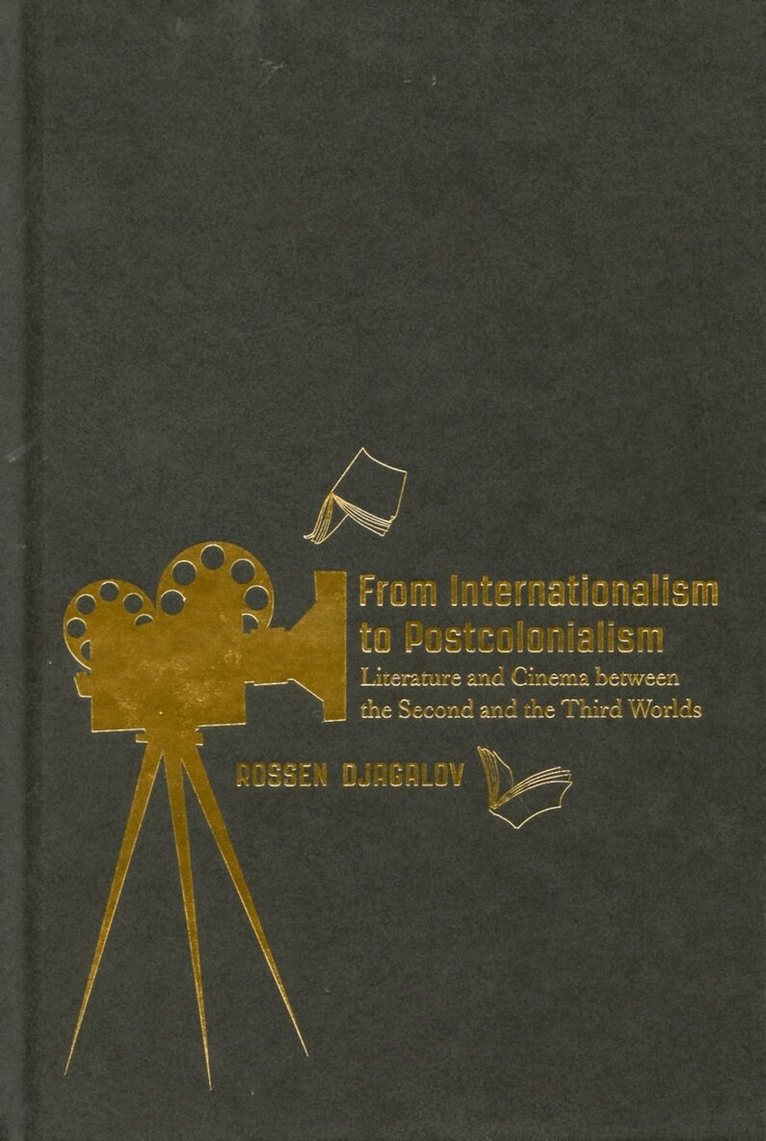
From Internationalism to Postcolonialism
Literature and Cinema between the Second and the Third Worlds
Inbunden, 2020
1810 kr
Lägg i varukorg
Would there have been a Third World without the Second? Perhaps, but it would have looked very different. From Internationalism to Postcolonialism recounts the story of two Cold War-era cultural formations that claimed to represent the Third World project in literature and cinema, and offers a …
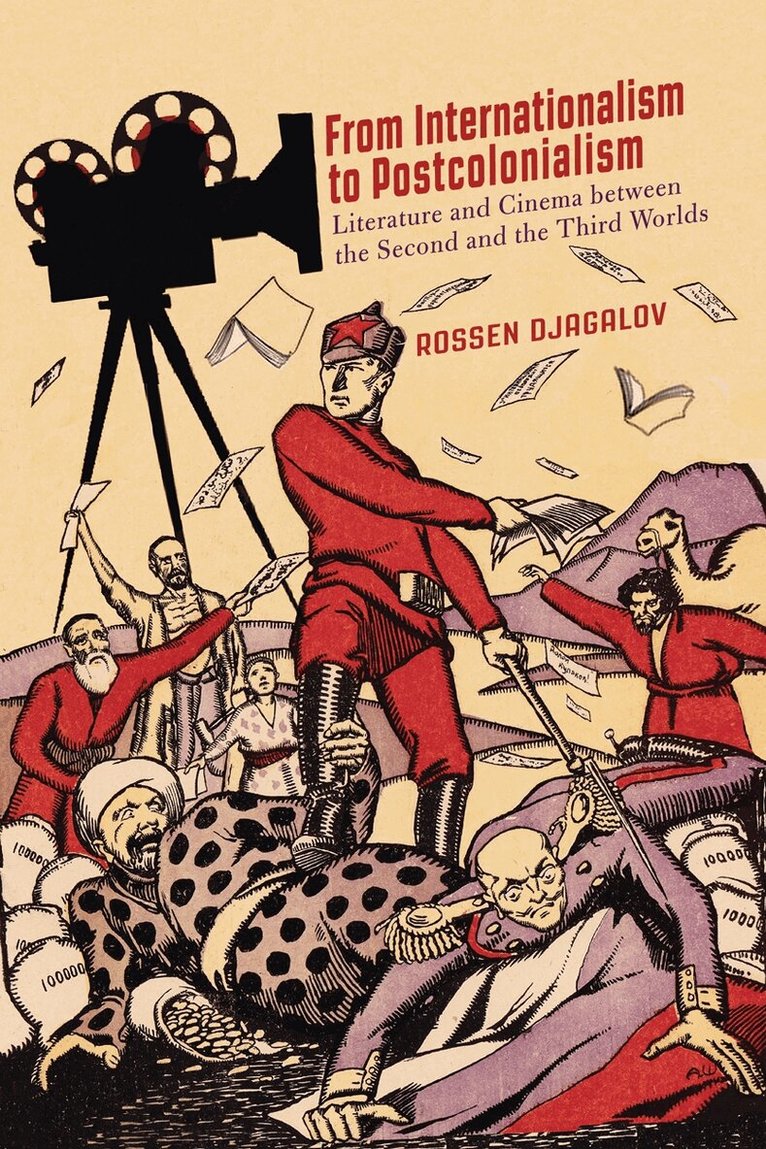
From Internationalism to Postcolonialism
Literature and Cinema Between the Second and the Third Worlds
Häftad, 2020
571 kr
Lägg i varukorg
Would there have been a Third World without the Second? Perhaps, but it would have looked very different. From Internationalism to Postcolonialism recounts the story of two Cold War-era cultural formations that claimed to represent the Third World project in literature and cinema, and offers a …
From Internationalism to Postcolonialism
Literature and Cinema between the Second and the Third Worlds
E-bok, 2020
449 kr
Lägg i varukorg
Would there have been a Third World without the Second? Perhaps, but it would have looked very different. From Internationalism to Postcolonialism recounts the story of two Cold War-era cultural formations that claimed to represent the Third World project in literature and cinema, and offers a …
From Internationalism to Postcolonialism
Literature and Cinema between the Second and the Third Worlds
E-bok, 2020
459 kr
Lägg i varukorg
Would there have been a Third World without the Second? Perhaps, but it would have looked very different. From Internationalism to Postcolonialism recounts the story of two Cold War-era cultural formations that claimed to represent the Third World project in literature and cinema, and offers a …
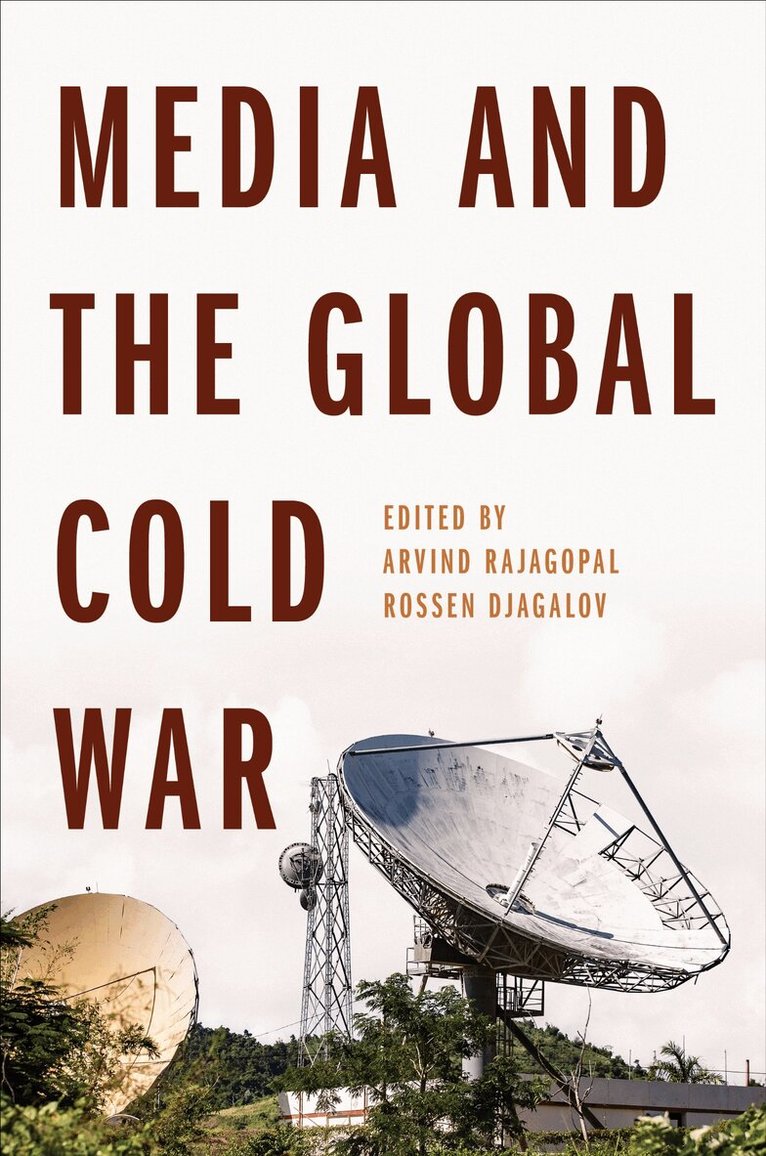
Media and the Global Cold War
Av Rossen Djagalov, Arvind Rajagopal
Häftad, 2027
375 kr
Kommande
New perspectives on a cornerstone of soft power during the Cold War and beyond In the Cold War era, media became a central force in the shaping of political life, cultural exchange, and ideas of global order. A rivalry between political systems expanded into a worldwide struggle over who could …
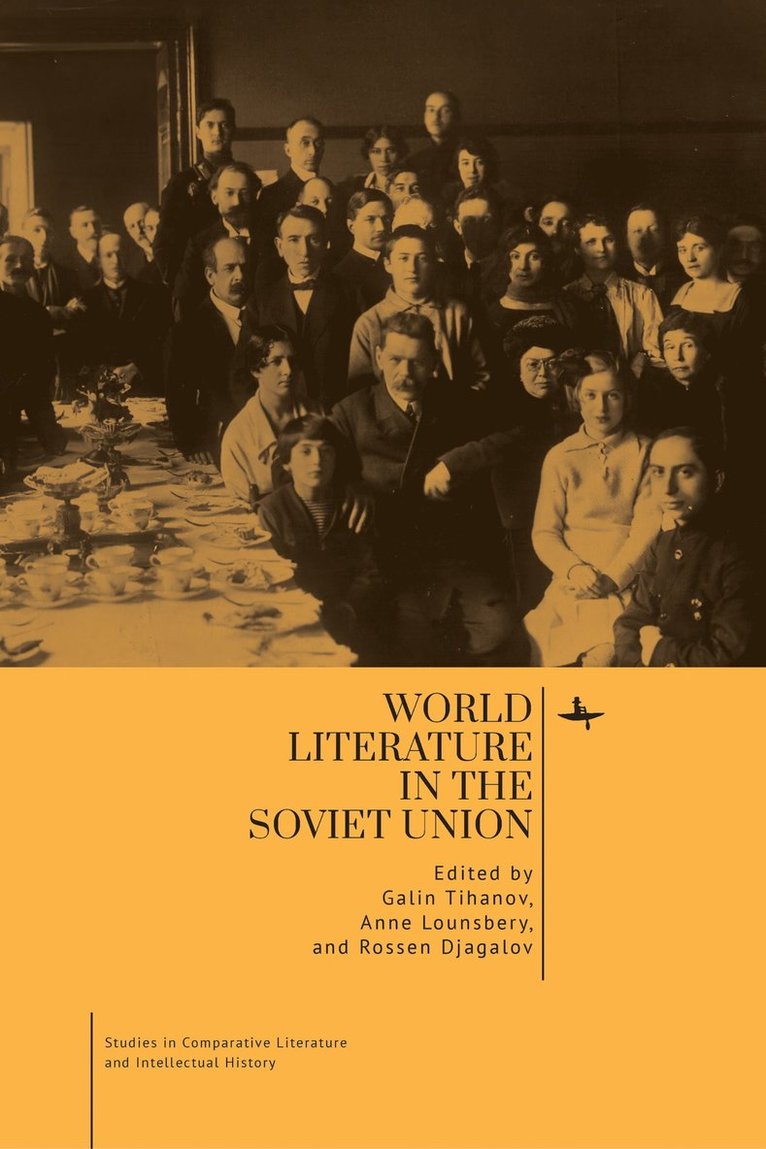
World Literature in the Soviet Union
Av Galin Tihanov, Anne Lounsbery m. fl.
Inbunden, 2024
1765 kr
Lägg i varukorg
This is the first volume to consistently examine Soviet engagement with world literature from multiple institutional and disciplinary perspectives: intellectual history, literary history and theory, comparative literature, translation studies, diaspora studies. Its emphasis is on the lessons one …
World Literature in the Soviet Union
Av Rossen Djagalov, Anne Lounsbery m. fl.
E-bok, 2023
2783 kr
Lägg i varukorg
This is the first volume to consistently examine Soviet engagement with world literature from multiple institutional and disciplinary perspectives: intellectual history, literary history and theory, comparative literature, translation studies, diaspora studies. Its emphasis is on the lessons one …
World Literature in the Soviet Union
Av Rossen Djagalov, Anne Lounsbery m. fl.
E-bok, 2024
2257 kr
Lägg i varukorg
This is the first volume to consistently examine Soviet engagement with world literature from multiple institutional and disciplinary perspectives: intellectual history, literary history and theory, comparative literature, translation studies, diaspora studies. Its emphasis is on the lessons one …