Roua Lajnaf – författare
Visar alla böcker från författaren Roua Lajnaf. Handla med fri frakt och snabb leverans.
3 produkter
3 produkter
2 526 kr
Skickas inom 10-15 vardagar
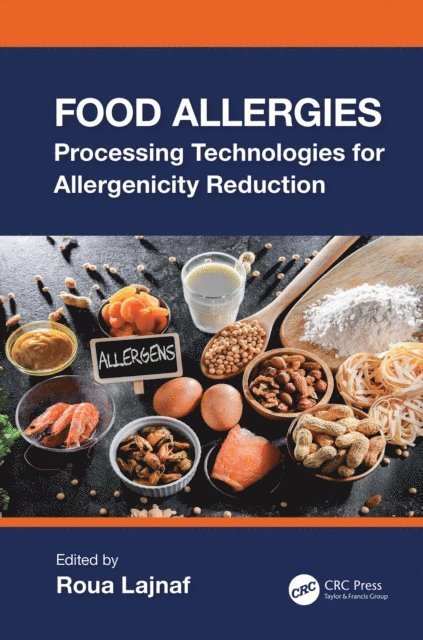
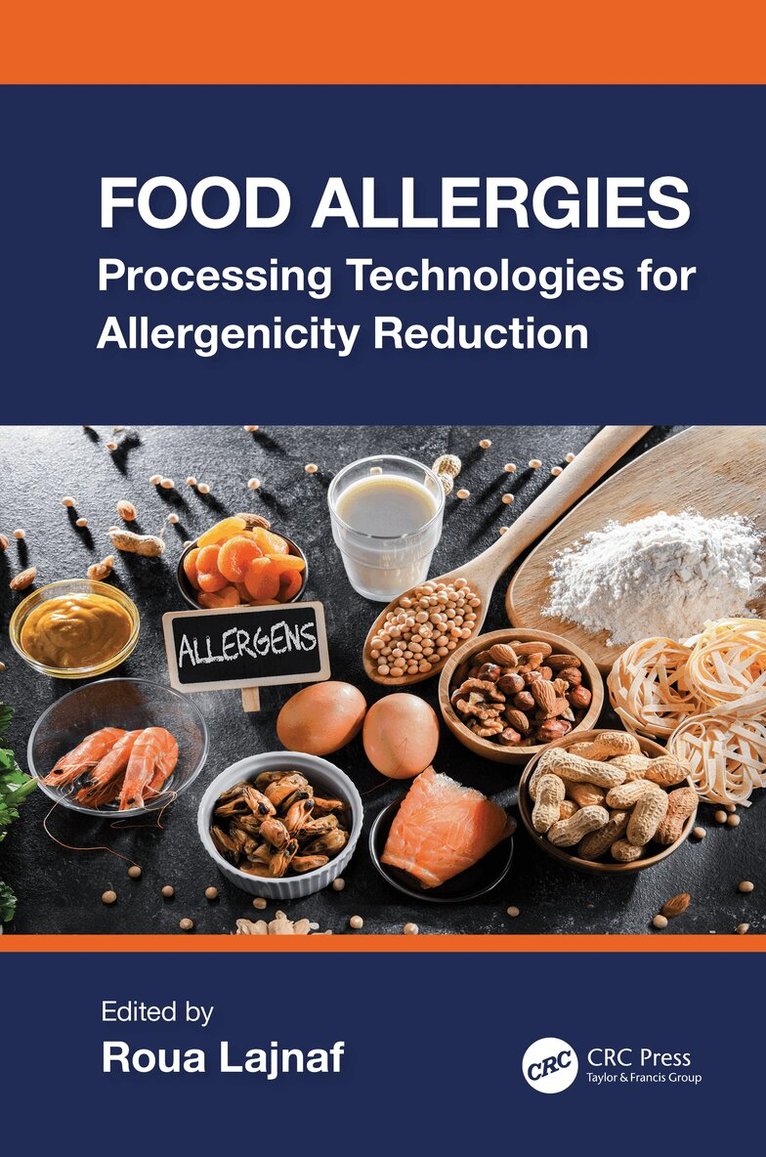
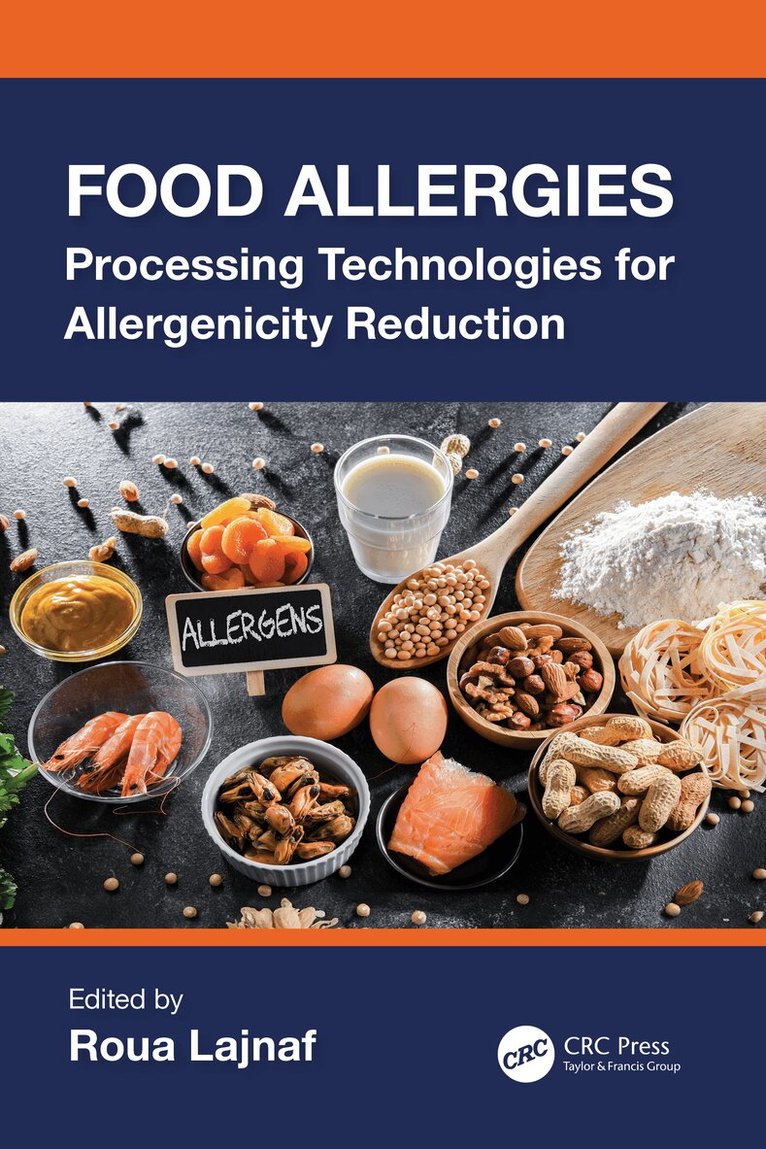
Much has been written about food allergies in scientific journals and in the lay press, but Food Allergies: Processing Technologies for Allergenicity Reduction approaches the issue of food allergies from an industrial processing rather than a clinical perspective.Indeed, industrial food processing technologies can have many beneficial effects to obtain various food products and to preserve foods from physical, chemical and microbiological alterations. However, processing technologies, including thermal and non‑thermal technologies, can also alter the allergenic properties of food proteins.This book provides an authoritative source of information on the relationship between food processing technologies and food allergens with a greater variety of studied allergens including peanuts, tree nuts, cow’s milk, eggs, sesame, lupine, soy, wheat, mustard, mushroom, fish and shellfish, as well as the importance of processing these when producing hypoallergenic foods.Key Features:Presents food allergies with recent advances and statistics concerning prevalence, physiopathologic mechanism, diagnosis and anaphylaxisDiscusses food allergies in the food industry and investigates the effect of processing on allergenicity of foods during manufacturingProvides food processing and promising technologies to produce hypoallergenic food with high qualityCovers the allergenic effect of different food additives with an investigation of cross‑reaction risksThis unique book is an indispensable guide for allergic patients, production managers, scientists and nutritionists within the food industry as well as covering a range of critical topics in this area for all those concerned with understanding and managing food allergies.
Rare and Risky Food Allergens
Clinical Relevance, Cross-reactivity and Management
Inbunden, Engelska, 2026
3 073 kr
Kommande
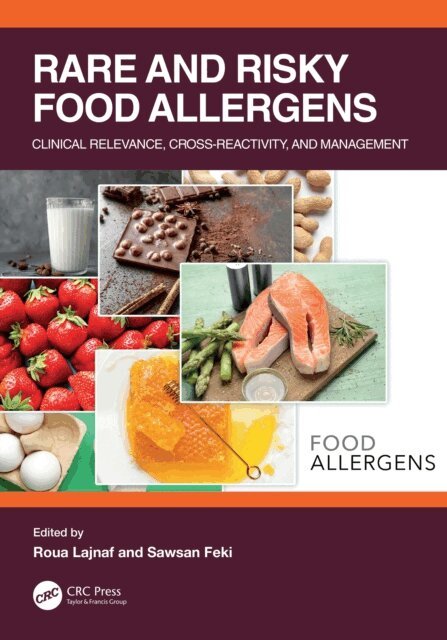
Depending on national regulations, rare food allergens are not regarded as major food allergens. Consequently, there is a notable lack of information devoted to rare allergens, despite the significant health risks they pose to sensitized individuals, including potentially fatal anaphylactic reactions. Rare and Risky Food Allergens: Clinical Relevance, Cross-Reactivity and Management addresses that gap by providing an authoritative overview of uncommon food allergens such as fruits, legumes, rice, mammalian milk and meat, honey, wheat beer, chocolate, coffee, edible insects, algae, spices, green tea, and selected food additives. Each chapter examines these allergens from multiple perspectives—molecular identification, immunological mechanisms, cross-reactivity with respiratory or contact allergens, diagnostic approaches, and management strategies.Bringing together chapters written by international leaders in clinical care, research, and education, this book offers both an assessment of contemporary knowledge and practical guidelines. It aims to equip researchers, academics, students, health practitioners, and nutritionists with a comprehensive understanding of these less common but clinically important allergies, enhancing their ability to recognize and manage these serious health concerns effectively.
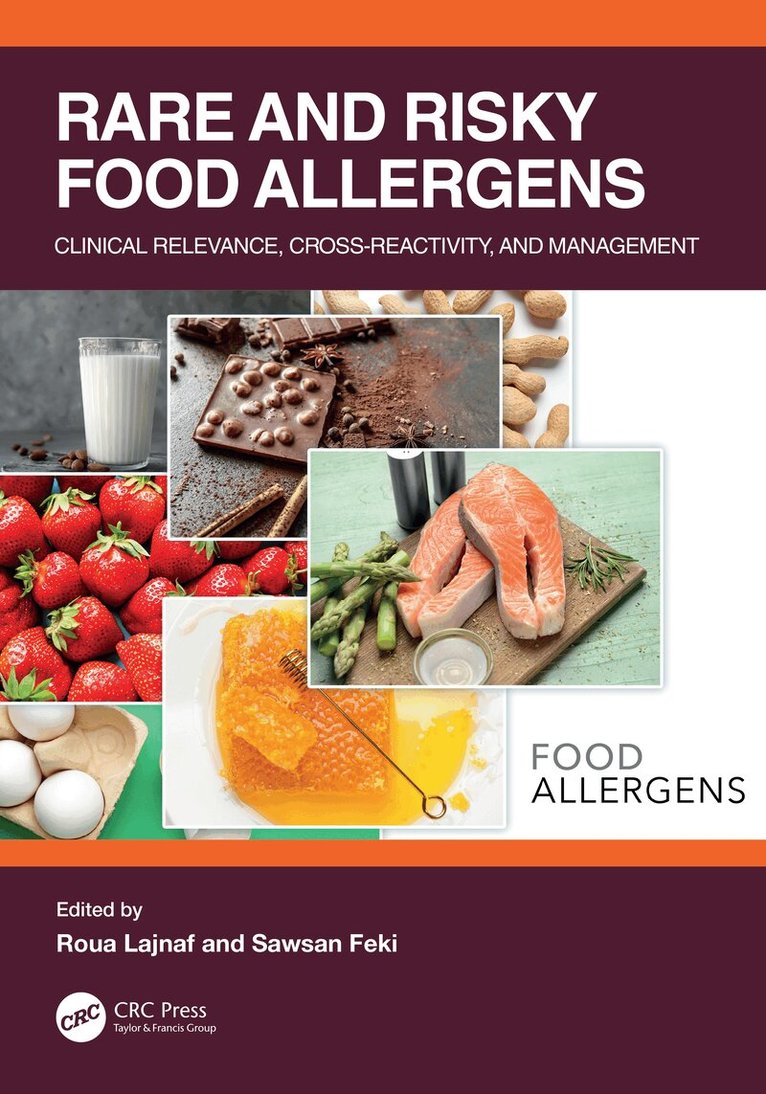
Rare and Risky Food Allergens
Clinical Relevance, Cross-reactivity and Management
Häftad, Engelska, 2026
1 353 kr
Kommande
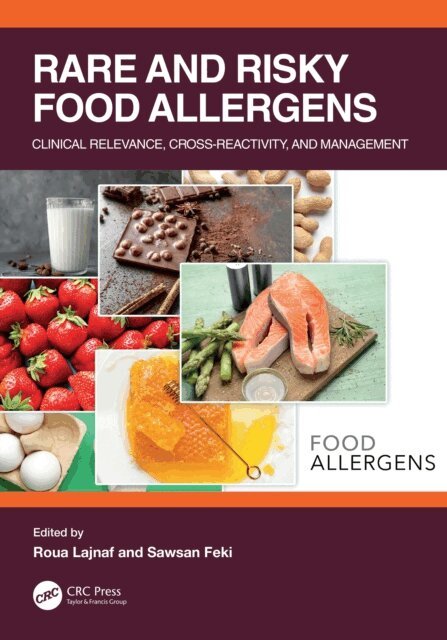
Depending on national regulations, rare food allergens are not regarded as major food allergens. Consequently, there is a notable lack of information devoted to rare allergens, despite the significant health risks they pose to sensitized individuals, including potentially fatal anaphylactic reactions. Rare and Risky Food Allergens: Clinical Relevance, Cross-Reactivity and Management addresses that gap by providing an authoritative overview of uncommon food allergens such as fruits, legumes, rice, mammalian milk and meat, honey, wheat beer, chocolate, coffee, edible insects, algae, spices, green tea, and selected food additives. Each chapter examines these allergens from multiple perspectives—molecular identification, immunological mechanisms, cross-reactivity with respiratory or contact allergens, diagnostic approaches, and management strategies.Bringing together chapters written by international leaders in clinical care, research, and education, this book offers both an assessment of contemporary knowledge and practical guidelines. It aims to equip researchers, academics, students, health practitioners, and nutritionists with a comprehensive understanding of these less common but clinically important allergies, enhancing their ability to recognize and manage these serious health concerns effectively.