Rowena Robinson – författare
Visar alla böcker från författaren Rowena Robinson. Handla med fri frakt och snabb leverans.
3 produkter
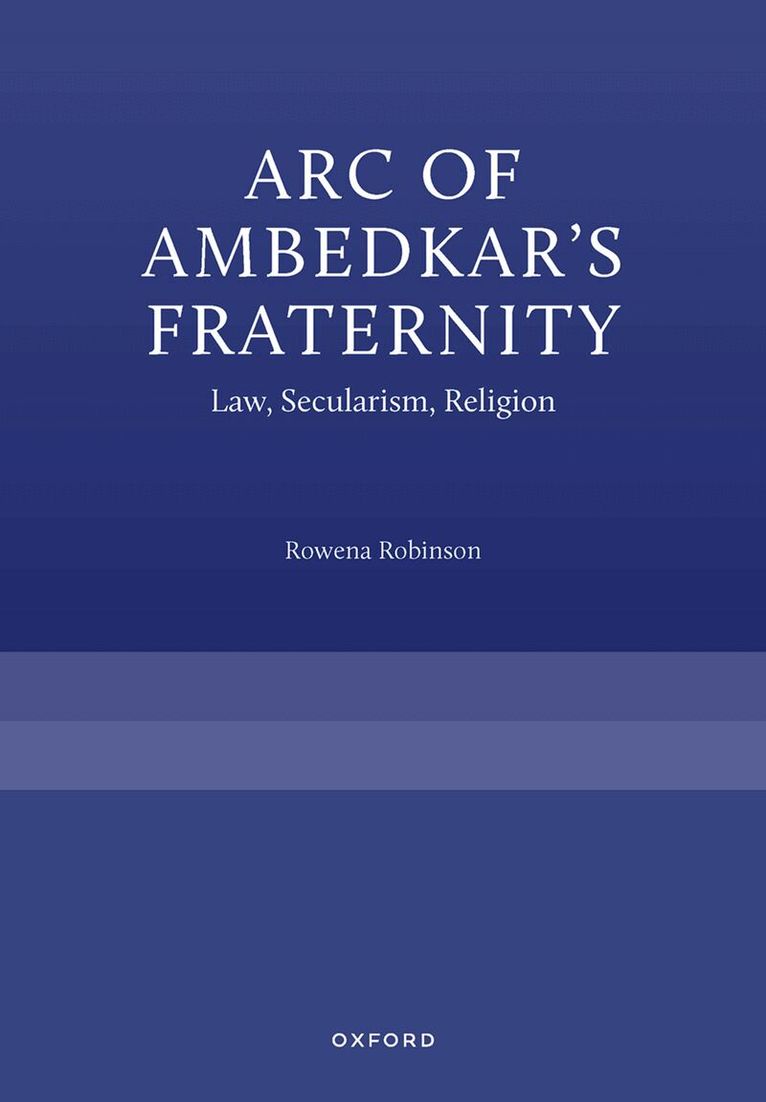
Arc of Ambedkar's Fraternity
Law, Secularism, Religion
Inbunden, 2026
1490 kr
Kommande
Arc of Ambedkar's Fraternity focuses on B. R. Ambedkar in the light of recent global interest in constitutional fraternity. The book locates his work in the context of contemporary scholarship and examines deliberations on fraternity in the Constituent Assembly in relation to democracy and the …
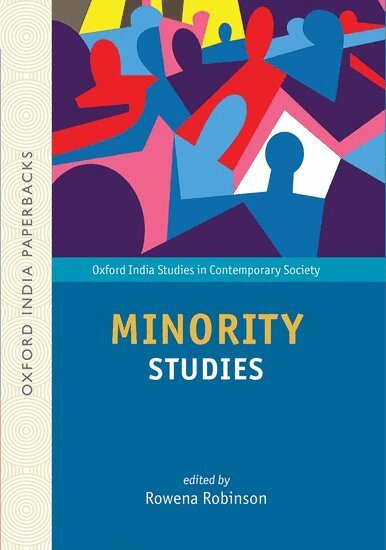
Minority Studies (OIP)
Av Sujata Patel, Rowena Robinson
Häftad, 2020
282 kr
Lägg i varukorg
This volume explores the issue of minorities in India and how they are identified, defined, and categorized by legal and institutional processes. It examines how modern law creates and conditions minority identity and also how groups manipulate the ground-level situation to project a certain …
Disrupting Religious Mothering
Piety and Protest
Av Rowena Robinson, Sariya Cheruvallil-Contractor m. fl.
Inbunden, 2027
1193 kr
Kommande
Despite evolving interest and a growing body of literature, mothering remains highly understudied, particularly in relation to non-mainstream models of mothering and the global south. Especially, the ways in which mothering is inflected by faith and disciplined by communities and religious …