Roy Hall – författare
Visar alla böcker från författaren Roy Hall. Handla med fri frakt och snabb leverans.
5 produkter
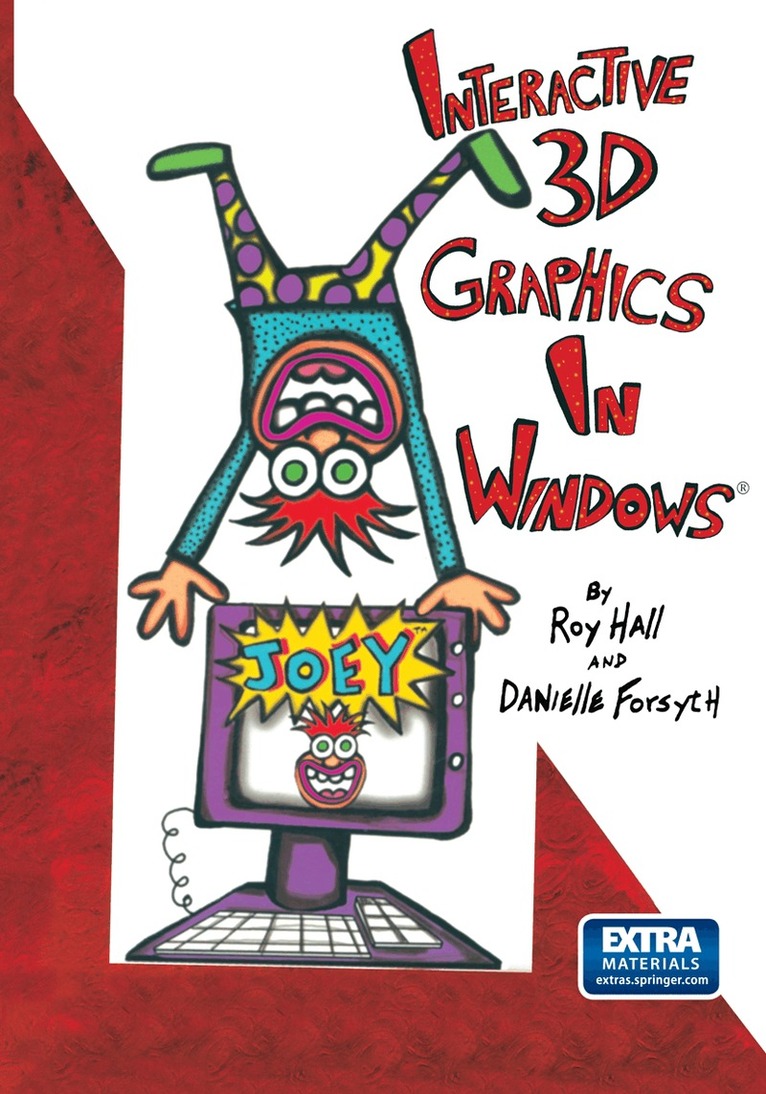
Interactive 3D Graphics in Windows®
Häftad, 1995
568 kr
Lägg i varukorg
Interactive 3-D Graphics in Windows is a hands-on book which uses a component software approach to help Visual C++ programmers quickly and easily develop windows-integrated, interactive 3-D graphics applications. The book includes JOEY, a 3-D user interface toolkit which addresses interaction …
God So Loved: A Pastoral Reading of the Cumberland Presbyterian Confession of Faith
Häftad, 2016
425 kr
Lägg i varukorg
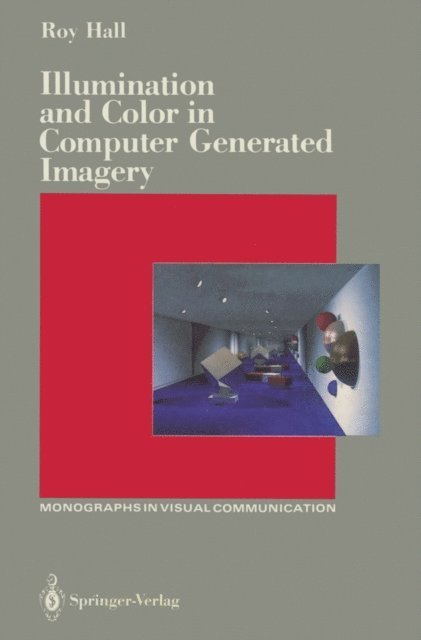
Illumination and Color in Computer Generated Imagery
Av Roy Hall
E-bok, 2012
732 kr
Lägg i varukorg
In a very broad sense the historical development of computer graphics can be considered in three phases, each a giant step down the road towards "realistic" computer generated images. The first, during the late 1960''s and early 1970''s, can perhaps be characterized as the "wire frame" era. …
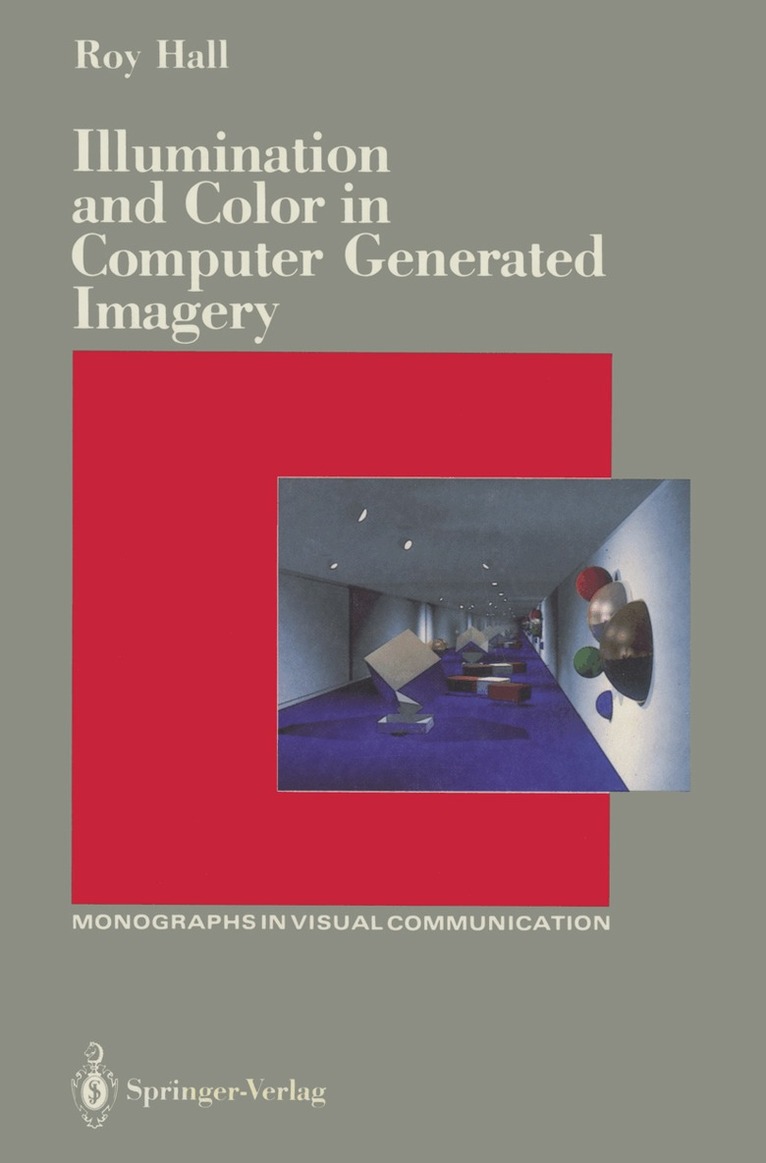
Illumination and Color in Computer Generated Imagery
Av Roy Hall
Häftad, 2011
569 kr
Lägg i varukorg
In a very broad sense the historical development of computer graphics can be considered in three phases, each a giant step down the road towards "realistic" computer generated images. The first, during the late 1960's and early 1970's, can perhaps be characterized as the "wire frame" era. Basically …
Interactive 3D Graphics in Windows(R)
E-bok, 2012
755 kr
Lägg i varukorg
Interactive 3-D Graphics in Windows is a hands-on book which uses a component software approach to help Visual C++ programmers quickly and easily develop windows-integrated, interactive 3-D graphics applications. The book includes JOEY, a 3-D user interface toolkit which addresses interaction …