Rudi Ekkart – författare
Visar alla böcker från författaren Rudi Ekkart. Handla med fri frakt och snabb leverans.
3 produkter
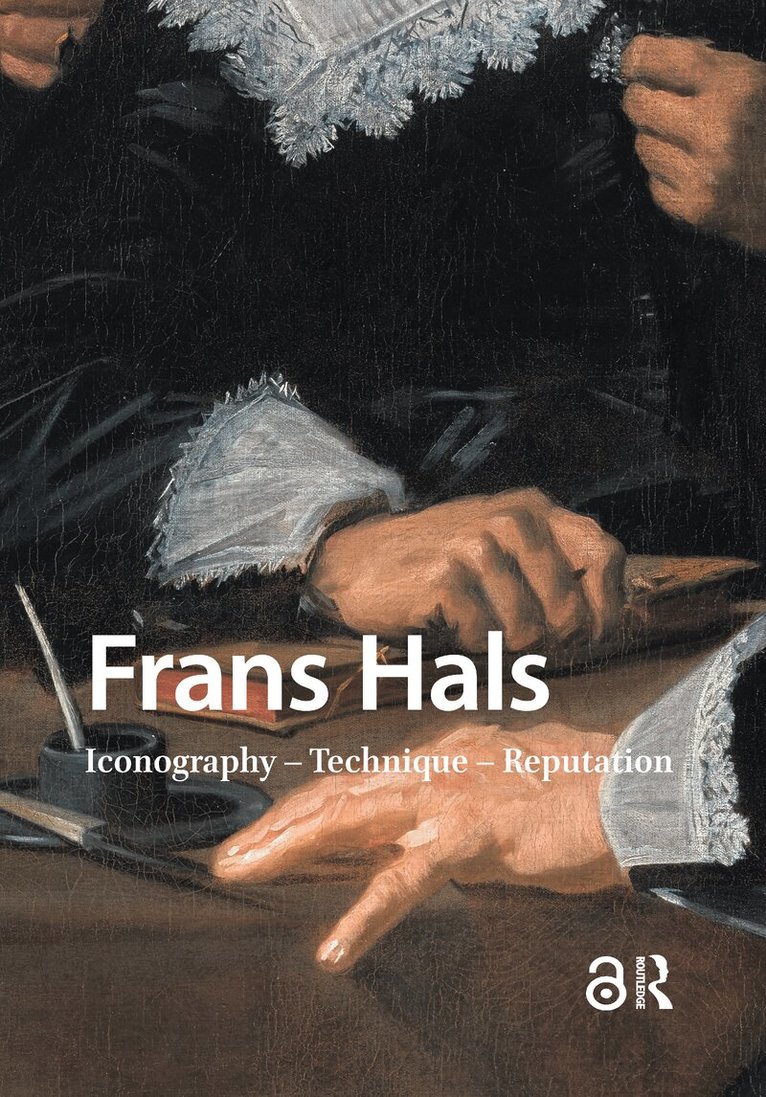
Frans Hals
Iconography – Technique – Reputation
Av Norbert Middelkoop, Rudi Ekkart
Häftad, 2026
725 kr
Lägg i varukorg
Frans Hals (1582/83-1666) is rightfully considered one of the most important seventeenth-century Dutch painters. His portraits are admired for their virtuoso brushwork and their seemingly spontaneous character. This volume, with fourteen contributions by twenty-six specialists on Hals's paintings …
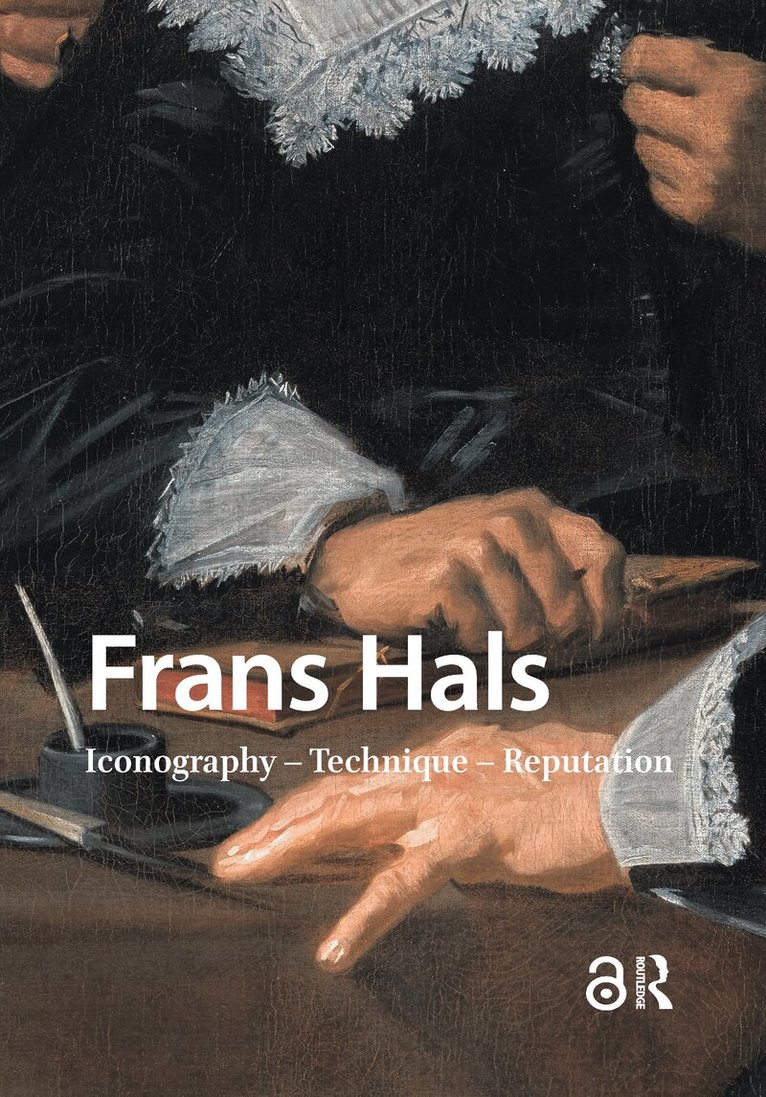
Frans Hals
Iconography – Technique – Reputation
Av Norbert Middelkoop, Rudi Ekkart
Inbunden, 2024
2159 kr
Lägg i varukorg
Frans Hals (1582/83-1666) is rightfully considered one of the most important seventeenth-century Dutch painters. This volume, with fourteen contributions by twenty-six specialists on Hals's paintings and his artistic network in Haarlem and beyond, presents a rich palette of new research.
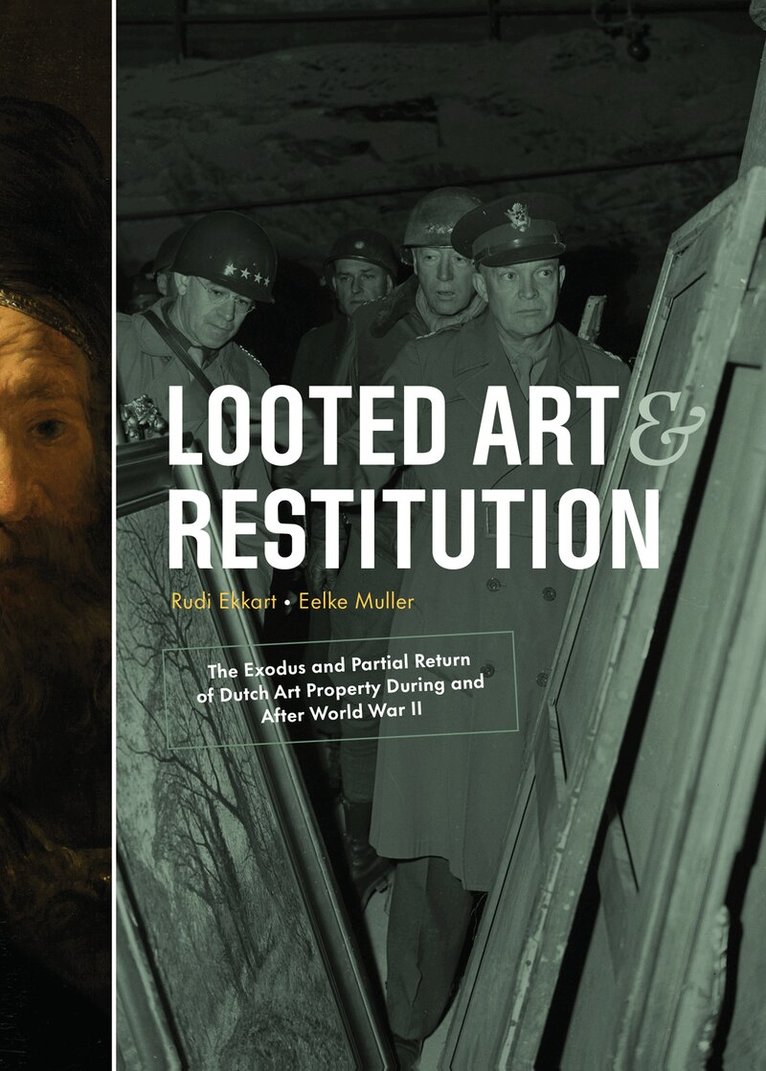
Looted Art & Restitution
The Exodus and Partial Return of Dutch Art Property During and After World War II
Inbunden, 2024
446 kr
Lägg i varukorg
Looted Art & Restitution relates the history of the trade, looting and restitution of works of art from the Netherlands before, during and after World War II. Countless artworks ended up in German hands during the occupation. The allies recovered a large number of works of art to the Netherlands …