Rüdiger Mach – författare
Visar alla böcker från författaren Rüdiger Mach. Handla med fri frakt och snabb leverans.
5 produkter
5 produkter
Inbunden, Engelska, 2007
1 082 kr
Skickas inom 10-15 vardagar
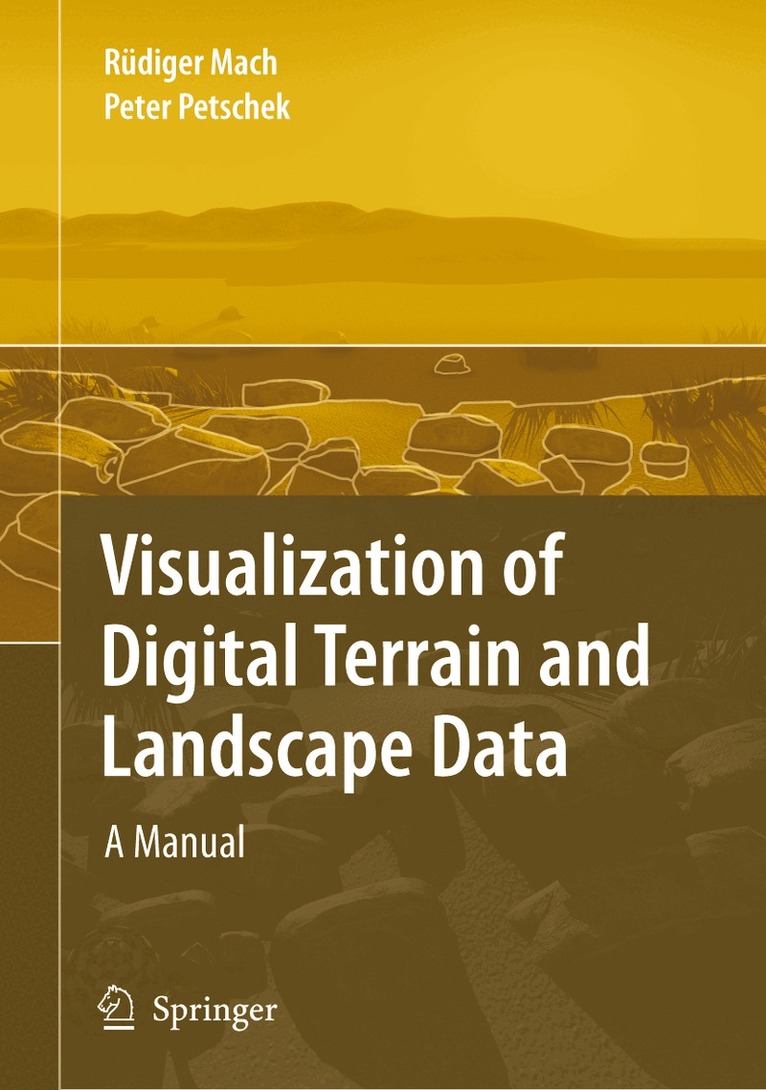
This book reflects a profound change that has taken place in the practice of landscape architecture and planning in the past twenty years. Traditional modes of representation – pen, pencil, watercolor, marker, et al – have been supplanted by digital modeling and animation. This transformation is not just in the medium of representation, however; it is more than a subs- tution of one marking device for another, such as may have been the case in the past when, for example, mechanical pens with cartridges replaced pens with nibs that were filled by dipping. Even changes such as that had their impacts (as longer straighter lines, for example, or more precision in details became possible) on the interplay between designer, design - dium, and designed artifact(s). The emergence of digital media as rep- sentational tools for designers has accompanied a transformation in the language of discourse in design and planning, in the very conception of the designed world we live in, and in the substance and role of the essential representations and abstractions used by planners and designers. In the past, when 2D planar representations (drawings, usually on paper) served as the conventional means of communication for designers (both with themselves and with others), physical objects or arrangements in 3D were transformed into a series of lines in 2D (plans, sections, elevations, e. g.
E-bok
PDF, Engelska, 20071 408 kr
Läs direkt efter köp
This book reflects a profound change that has taken place in the practice of landscape architecture and planning in the past twenty years. Traditional modes of representation – pen, pencil, watercolor, marker, et al – have been supplanted by digital modeling and animation. This transformation is not just in the medium of representation, however; it is more than a subs- tution of one marking device for another, such as may have been the case in the past when, for example, mechanical pens with cartridges replaced pens with nibs that were filled by dipping. Even changes such as that had their impacts (as longer straighter lines, for example, or more precision in details became possible) on the interplay between designer, design - dium, and designed artifact(s). The emergence of digital media as rep- sentational tools for designers has accompanied a transformation in the language of discourse in design and planning, in the very conception of the designed world we live in, and in the substance and role of the essential representations and abstractions used by planners and designers. In the past, when 2D planar representations (drawings, usually on paper) served as the conventional means of communication for designers (both with themselves and with others), physical objects or arrangements in 3D were transformed into a series of lines in 2D (plans, sections, elevations, e. g.
Inbunden, Tyska, 2006
1 042 kr
Skickas inom 10-15 vardagar
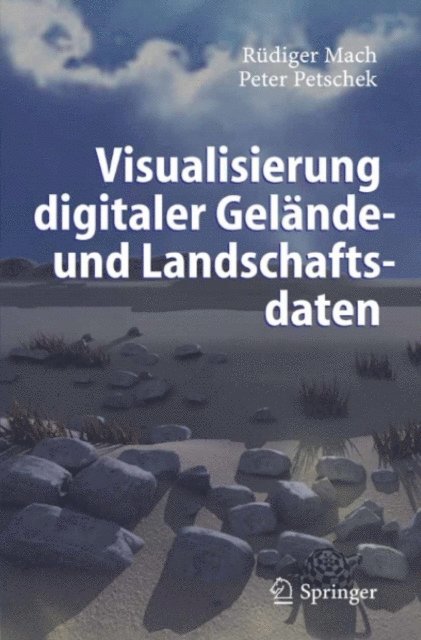
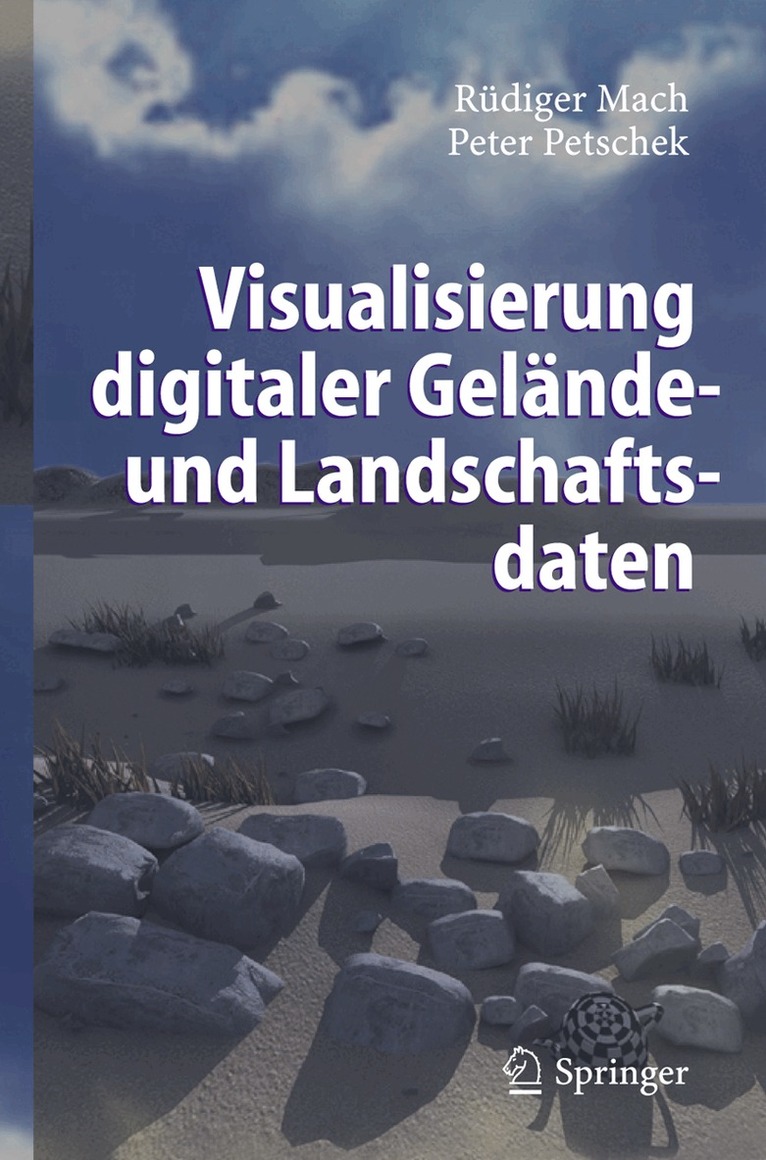
Oft wirken erste Gehversuche mit 3D-Visualisierung zu technisch. Stimmung und Atmosphäre werden nicht kommuniziert. Das ist frustrierend und führt dazu, dass gerne zu alt bekannten Kollagetechniken für eine Präsentation gegriffen wird. Die technologischen Entwicklungen im Umfeld der Computergrafik bieten jedoch Möglichkeiten, die mit klassischen Methoden nie erreicht werden. Dies ist einer der Schwerpunkte dieses Buches. Vor dem Hintergrund der Anforderungen des Planungswesens und den Ansprüchen realer Planungsdaten vermitteln die Autoren den Umgang mit digitaler Technik zur Erstellung ansprechender Visualisierungen rund um digitale Landschaften. Alles was Sie als Architekt, Bauingeniur, Planer und Landschaftsarchitekt schon immer zum Thema Visualisierung Digitaler Gelände- und Landschaftsdaten wissen wollten, finden Sie in diesem Buch. Es handelt sich um ein Buch von Praktikern für Praktiker.
E-bok
PDF, Tyska, 20061 063 kr
Läs direkt efter köp
Oft wirken erste Gehversuche mit 3D-Visualisierung zu technisch. Stimmung und Atmosphäre werden nicht kommuniziert. Das ist frustrierend und führt dazu, dass gerne zu alt bekannten Kollagetechniken für eine Präsentation gegriffen wird. Die technologischen Entwicklungen im Umfeld der Computergrafik bieten jedoch Möglichkeiten, die mit klassischen Methoden nie erreicht werden. Dies ist einer der Schwerpunkte dieses Buches. Vor dem Hintergrund der Anforderungen des Planungswesens und den Ansprüchen realer Planungsdaten vermitteln die Autoren den Umgang mit digitaler Technik zur Erstellung ansprechender Visualisierungen rund um digitale Landschaften. Alles was Sie als Architekt, Bauingeniur, Planer und Landschaftsarchitekt schon immer zum Thema Visualisierung Digitaler Gelände- und Landschaftsdaten wissen wollten, finden Sie in diesem Buch. Es handelt sich um ein Buch von Praktikern für Praktiker.
Häftad, Engelska, 2010
1 114 kr
Skickas inom 10-15 vardagar
This book reflects a profound change that has taken place in the practice of landscape architecture and planning in the past twenty years. Traditional modes of representation – pen, pencil, watercolor, marker, et al – have been supplanted by digital modeling and animation. This transformation is not just in the medium of representation, however; it is more than a subs- tution of one marking device for another, such as may have been the case in the past when, for example, mechanical pens with cartridges replaced pens with nibs that were filled by dipping. Even changes such as that had their impacts (as longer straighter lines, for example, or more precision in details became possible) on the interplay between designer, design - dium, and designed artifact(s). The emergence of digital media as rep- sentational tools for designers has accompanied a transformation in the language of discourse in design and planning, in the very conception of the designed world we live in, and in the substance and role of the essential representations and abstractions used by planners and designers. In the past, when 2D planar representations (drawings, usually on paper) served as the conventional means of communication for designers (both with themselves and with others), physical objects or arrangements in 3D were transformed into a series of lines in 2D (plans, sections, elevations, e. g.