Russell Thomas – författare
Visar alla böcker från författaren Russell Thomas. Handla med fri frakt och snabb leverans.
6 produkter
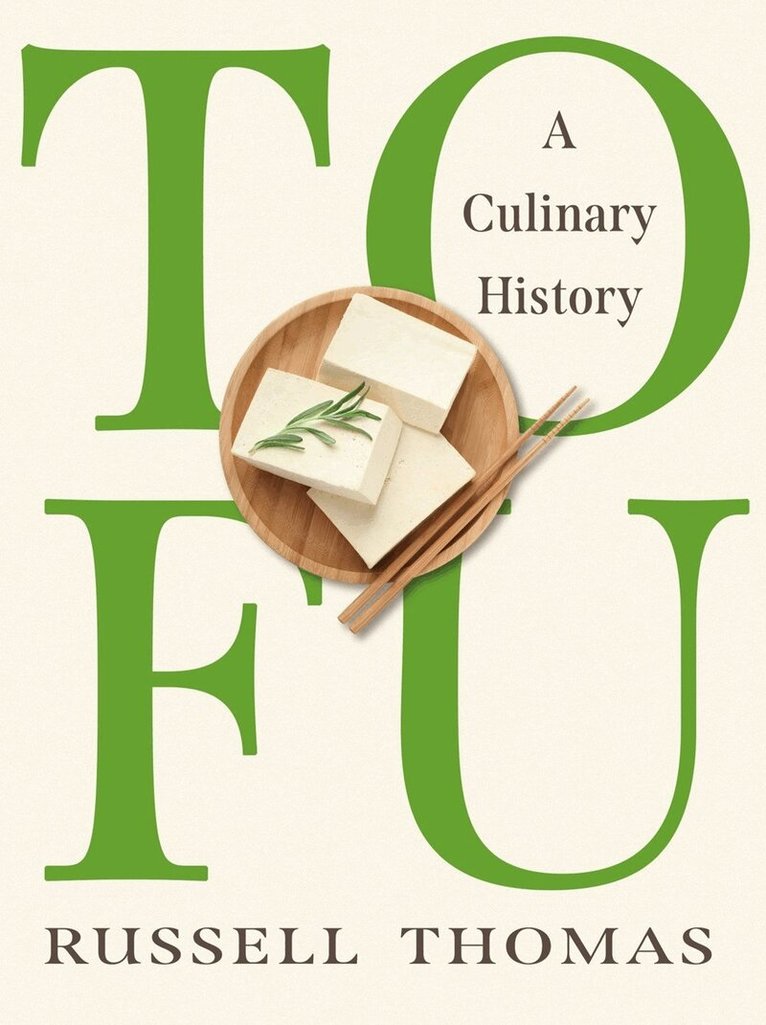
Tofu
A Culinary History
Inbunden, 2024
198 kr
Lägg i varukorg
To the untrained eye there’s nothing as unexciting as tofu, normally regarded as a tasteless, beige, congealed mass of crushed, boiled soybeans. However, tofu more than stands up on its own. Reviled for decades as a vegetarian oddity, the brave, wobbly block has made a comeback.This global history …
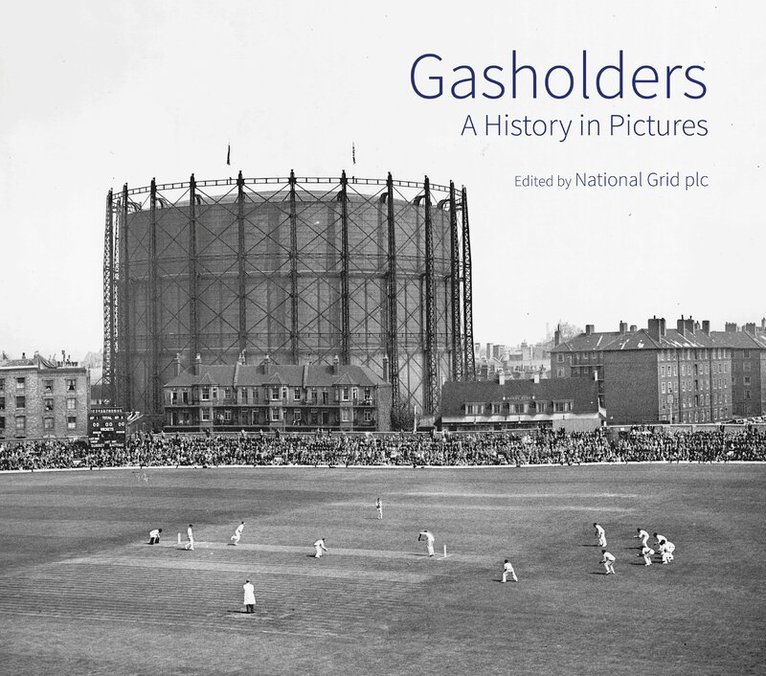
Gasholders
A History in Pictures
Av National Grid PLC, Russell Thomas m. fl.
Inbunden, 2024
1346 kr
Lägg i varukorg
Winner of the Association for Industrial Archaeology’s Publication Award 2025Gasholders became one of the most instantly recognisable and iconic features on the landscape since they first appeared in the early 19th century. Their simple but precise engineering, durability and flexibility allowed …
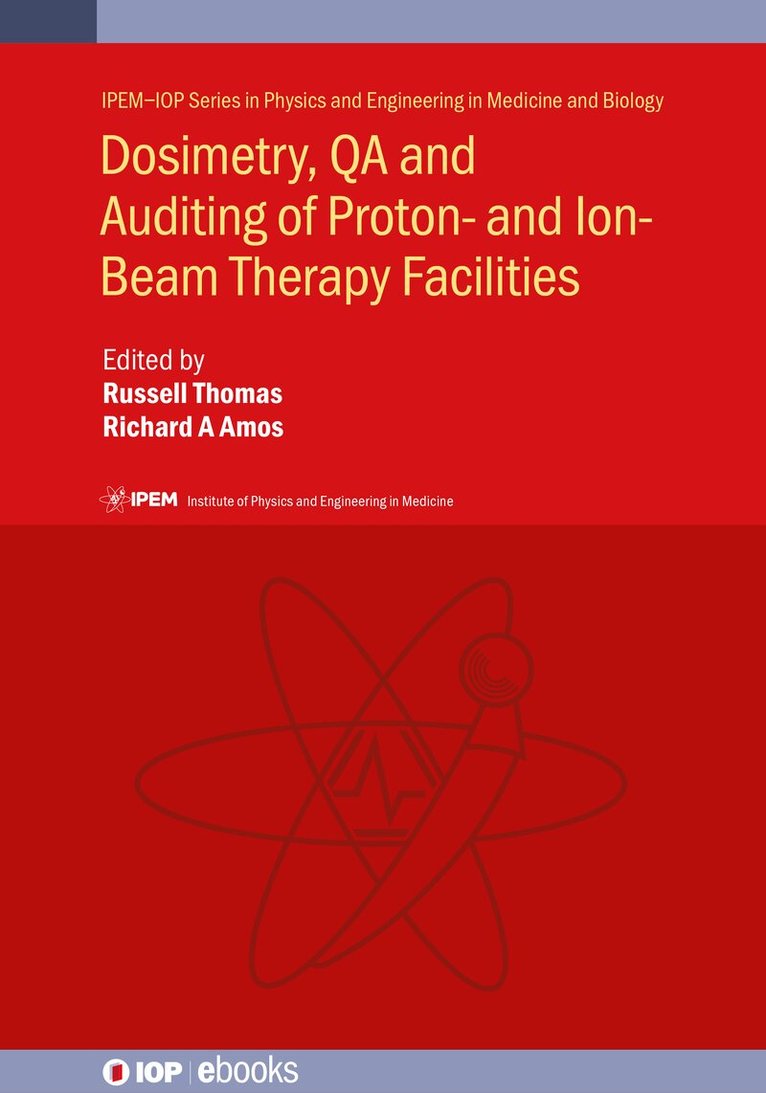
Dosimetry, QA and Auditing of Proton- and Ion-Beam Therapy Facilities
Av Richard A. Amos, Richard A Amos m. fl.
Inbunden, 2025
1665 kr
Tillfälligt slut
Dosimetry, Qa and Auditing of Proton- And Ion-Beam Therapy Facilities
Av Russell Thomas, Richard A Amos
Häftad, 2025
369 kr
Tillfälligt slut