Ryad Benosman – författare
Visar alla böcker från författaren Ryad Benosman. Handla med fri frakt och snabb leverans.
6 produkter
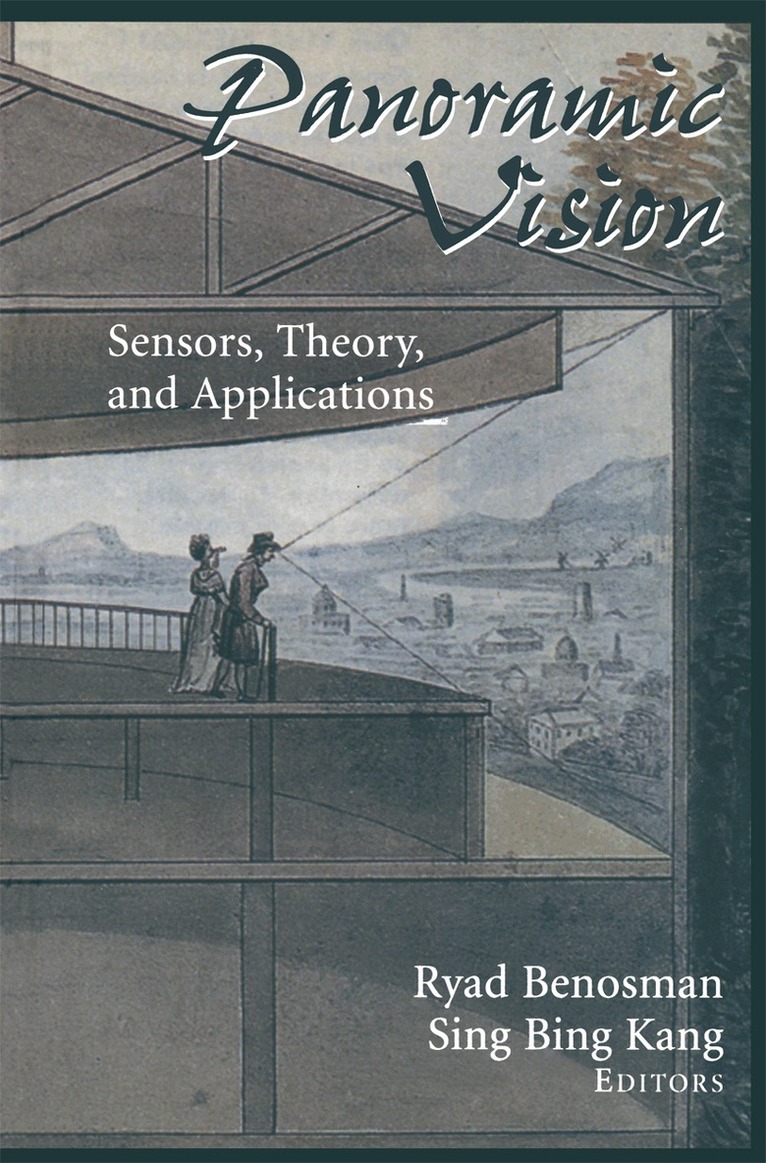
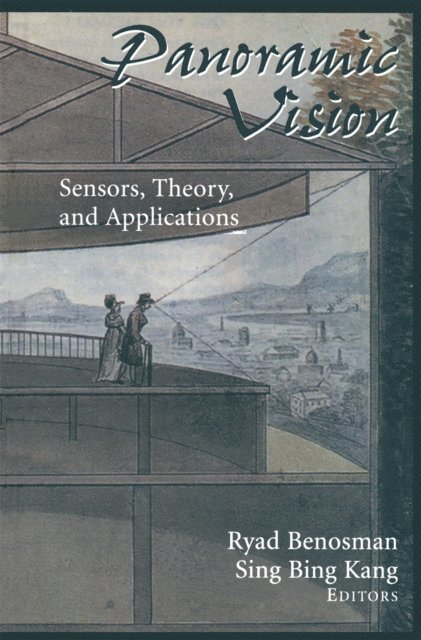
Panoramic Vision
Sensors, Theory, and Applications
Av Ryad Benosman, Sing B. Kang
Inbunden, 2001
1687 kr
Lägg i varukorg
This book features representative work in the design of panoramic image capturing systems, the theory involved in the imaging process, and applications that use panoramic images. The intended audience is anyone who wishes to become familiar with panoramic vision and its latest research work. The …
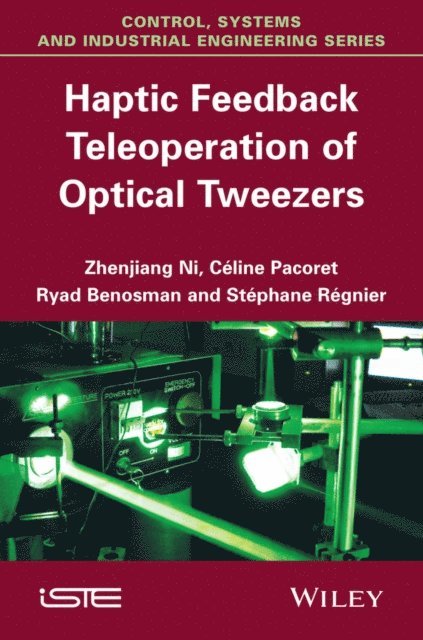
Haptic Feedback Teleoperation of Optical Tweezers
Av St phane R gnier, Ryad Benosman m. fl.
E-bok, 2014
2265 kr
Lägg i varukorg
The authors of this book provide the first review of haptic optical tweezers, a new technique which brings together force feedback teleoperation and optical tweezers. This technique allows users to explore the microworld by sensing and exerting piconewton-scale forces with trapped microspheres. The …
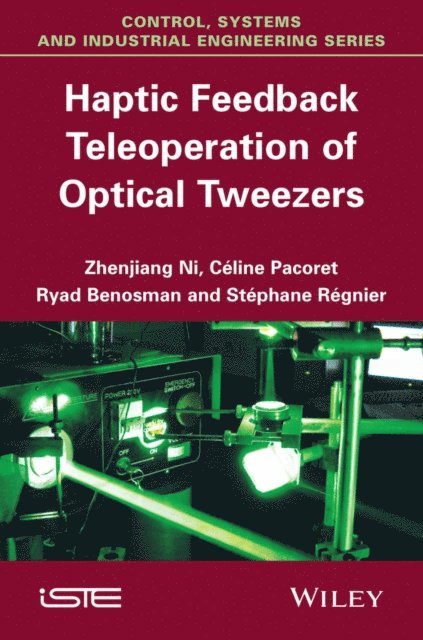
Haptic Feedback Teleoperation of Optical Tweezers
Av St phane R gnier, Ryad Benosman m. fl.
E-bok, 2014
2216 kr
Lägg i varukorg
The authors of this book provide the first review of haptic optical tweezers, a new technique which brings together force feedback teleoperation and optical tweezers. This technique allows users to explore the microworld by sensing and exerting piconewton-scale forces with trapped microspheres. The …
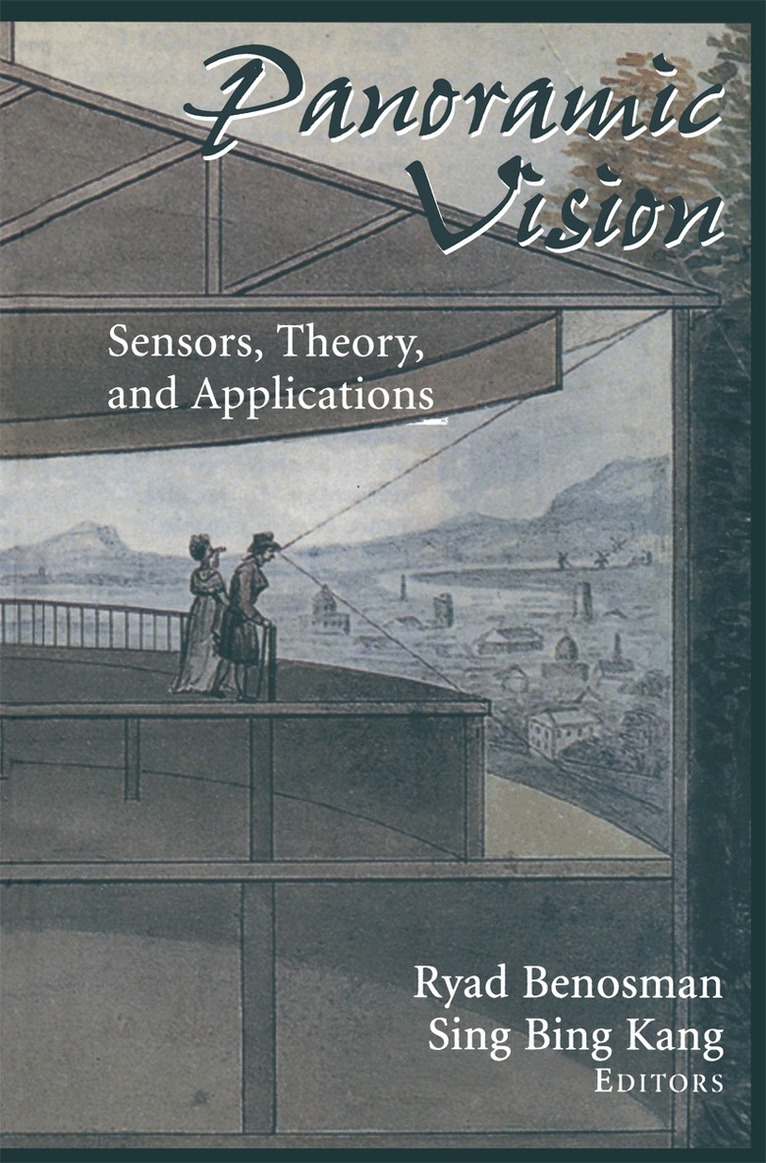
Panoramic Vision
Sensors, Theory, and Applications
Av Ryad Benosman, Sing B. Kang
Häftad, 2011
1241 kr
Lägg i varukorg
Current cameras are poor imitations of the human eye and close descen dants in their design of ideas and a technology that are more than a century old. People in computer vision have traditionally used off-the-shelf cameras that were not meant for the uses they were intended for by these …
Panoramic Vision
Sensors, Theory, and Applications
Av Sing B. Kang, Ryad Benosman
E-bok, 2013
1670 kr
Lägg i varukorg
Current cameras are poor imitations of the human eye and close descen dants in their design of ideas and a technology that are more than a century old. People in computer vision have traditionally used off-the-shelf cameras that were not meant for the uses they were intended for by these …
Haptic Feedback Teleoperation of Optical Tweezers
Av Zhenjiang Ni, Céline Pacoret m. fl.
Inbunden, 2014
1891 kr
Lägg i varukorg
The authors of this book provide the first review of haptic optical tweezers, a new technique which brings together force feedback teleoperation and optical tweezers.This technique allows users to explore the microworld by sensing and exerting piconewton-scale forces with trapped microspheres. The …