S. Gunawardana – författare
Visar alla böcker från författaren S. Gunawardana. Handla med fri frakt och snabb leverans.
3 produkter
3 produkter
Inbunden, Engelska, 2013
546 kr
Skickas inom 10-15 vardagar
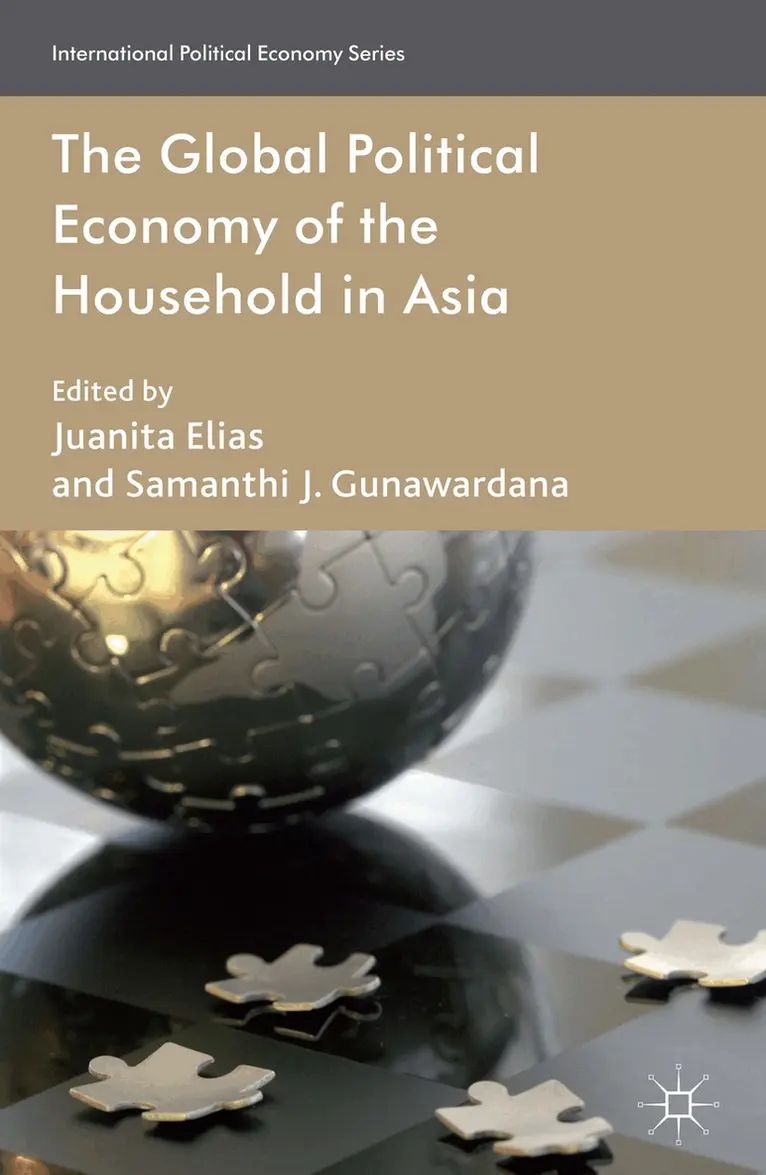
The household has traditionally been neglected in studies of Asian political economy. While there is an emergent literature that looks at this relationship, to date, it is fragmented. The contributors consider how the household economy has increasingly been incorporated into development planning and policy making within both states and multilateral development agencies. They examine the social consequences of the tendency to view households as marketizable spaces, and explore how the household economy relates to broader structures of industrial production in the region. With case studies on Singapore, Malaysia, Sri Lanka, India, Japan, South Korea, Vietnam and China, they provide a comprehensive picture of the centrality of the household economy to ongoing processes and struggles associated with the continuous economic transformation of the region.
E-bok
PDF, Engelska, 2013712 kr
Läs direkt efter köp
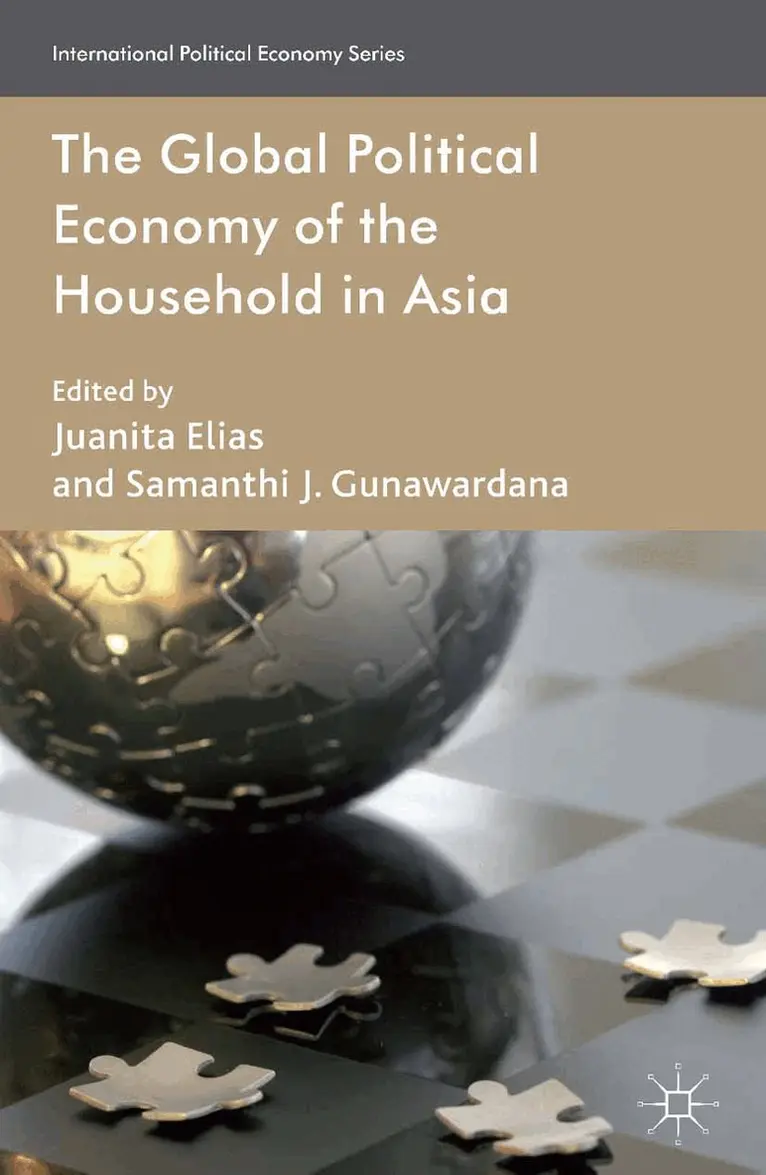
The household has traditionally been neglected in studies of Asian political economy. While there is an emergent literature that looks at this relationship, to date, it is fragmented. The contributors consider how the household economy has increasingly been incorporated into development planning and policy making within both states and multilateral development agencies. They examine the social consequences of the tendency to view households as marketizable spaces, and explore how the household economy relates to broader structures of industrial production in the region. With case studies on Singapore, Malaysia, Sri Lanka, India, Japan, South Korea, Vietnam and China, they provide a comprehensive picture of the centrality of the household economy to ongoing processes and struggles associated with the continuous economic transformation of the region.
Häftad, Engelska, 2013
546 kr
Skickas inom 10-15 vardagar
The household has traditionally been neglected in studies of Asian political economy. While there is an emergent literature that looks at this relationship, to date, it is fragmented. The contributors consider how the household economy has increasingly been incorporated into development planning and policy making within both states and multilateral development agencies. They examine the social consequences of the tendency to view households as marketizable spaces, and explore how the household economy relates to broader structures of industrial production in the region. With case studies on Singapore, Malaysia, Sri Lanka, India, Japan, South Korea, Vietnam and China, they provide a comprehensive picture of the centrality of the household economy to ongoing processes and struggles associated with the continuous economic transformation of the region.