Sadegh Hedayat – författare
Visar alla böcker från författaren Sadegh Hedayat. Handla med fri frakt och snabb leverans.
12 produkter
12 produkter
Engelska, 2012
255 kr
Skickas inom 3-6 vardagar
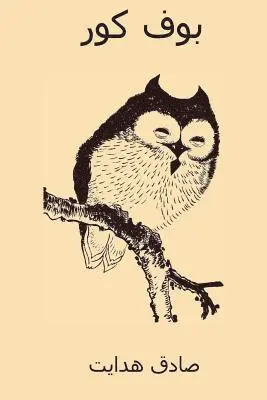
Häftad, Persiska, 2026
201 kr
Skickas inom 5-8 vardagar
Häftad, Engelska, 2024
279 kr
Skickas inom 5-8 vardagar
Häftad, Engelska, 2017
133 kr
Skickas
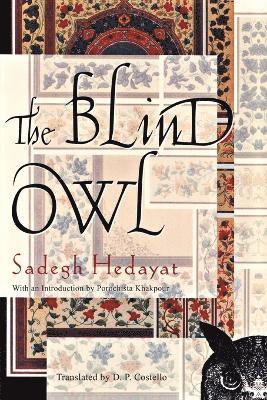
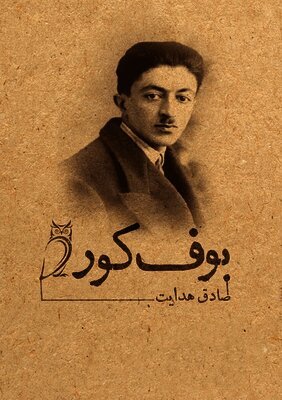
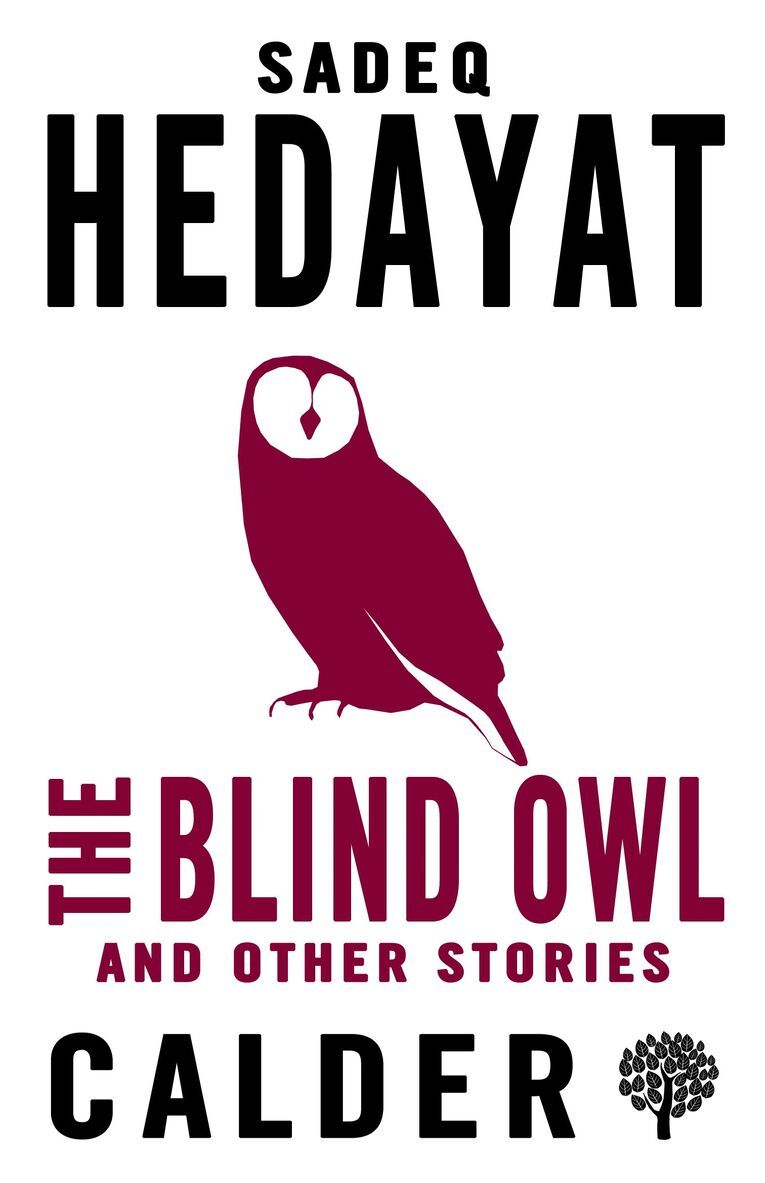
Only edition in printFollowing a disjointed, vision-like structure, The Blind Owl is the nightmarish exploration of the psyche of a madman. The narrator is an ailing, solitary misanthrope who suffers from hallucinations, and his dreamlike tale is layered, circular, driven by its own demented logic, and punctuated with macabre and surreal episodes such as the discovery of a mutilated corpse, and a bizarre competition in which two men are locked in a dungeon-like room with a cobra. Initially banned in the author’s native Iran, the novel first appeared in Tehran in 1941 and became a bestseller. Full of powerful symbolism and terrifying imagery, this dark novella is Hedayat’s masterpiece.
Häftad, Engelska, 2010
263 kr
Skickas inom 3-6 vardagar
Del 2 - Ibex Classical Persian Texts
The Blind Owl [Buf-e Kur]
Häftad, Persiska, 2025
392 kr
Skickas inom 5-8 vardagar
Häftad, Persiska, 2024
282 kr
Skickas inom 3-6 vardagar
Häftad, Persiska, 2025
230 kr
Skickas inom 5-8 vardagar
Häftad, Persiska, 2025
251 kr
Skickas inom 5-8 vardagar
Häftad, Persiska, 2025
255 kr
Skickas inom 5-8 vardagar
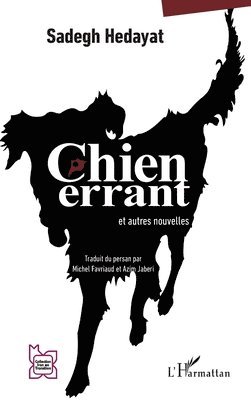
Häftad, Franska, 2025
210 kr
Skickas inom 5-8 vardagar
E-bok
Engelska, 2012139 kr
Läs direkt efter köp
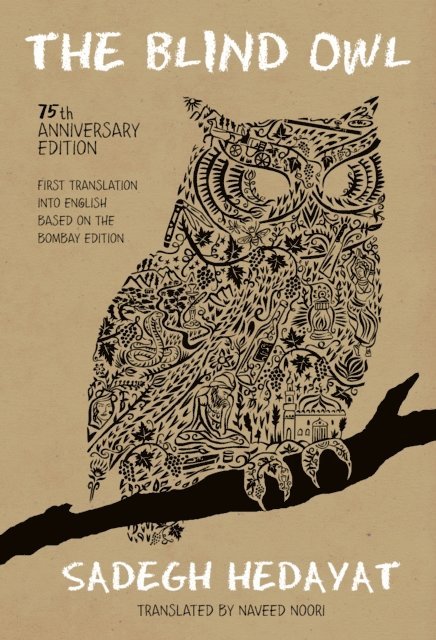
Widely regarded as Sadegh Hedayat''s masterpiece, the Blind Owl is the most important work of literature to come out of Iran in the past century. On the surface this work seems to be a tale of doomed love, but with the turning of each page basic facts become obscure and the reader soon realizes this book is much more than a love story. Although the Blind Owl has been compared to the works of the Kafka, Rilke and Poe, this work defies categorization. Lescot''s French translation made the Blind Owl world-famous, while D.P. Costello''s English translation made it largely accessible. Sadly, this work has yet to find its way into the English pantheon of Classics. This 75th anniversary edition, translated by award-winning writer Naveed Noori and published in conjunction with the Hedayat Foundation, aims to change this and is notable for a number of firsts: *The only translation endorsed by the Sadegh Hedayat Foundation *The first translation to use the definitive Bombay edition (Hedayat''s handwritten text) *The only available English translation by a native Persian and English speaker *The preface includes a detailed textual analysis of the Blind Owl Finally, by largely preserving the spirit as well as the structure of Hedayat''s writing, this edition brings the English reader into the world of the Hedayat''s Blind Owl as never before. Extensive footnotes (explaining Persian words, phrases, and customs ignored in previous translations) provide deeper understanding of this work for both the causal reader and the serious student of literature.“….There are indeed marked differences between Costello’s and Noori’s translations. As Noori indicates, his attempt to preserve the overabundance of dashes gives the reader a more immediate sense of the narrator’s agitation...The first sentence flows on in Noori’s translation, piling sensation upon sensation never allowing us to pause and catch our breath or separate out the images from the sensations. In his discussion of the relationship between his translation and Costello’s, Noori also draws on translation theory and sees Costello’s focus on the fluidity of the text in English as a “domestication” of Hedayat’s original. Noori’s new English translation and his preface are a welcome addition and will no doubt draw the attention of scholars interested in Hedayat’s works. The close textual and comparative analysis of the type Noori offers marks a new and long-overdue critical approach to the translation of the most celebrated work of modern Persian prose.” -Professor Nasrin Rahimieh in Middle Eastern Literatures