
Salah H. Khaled Jr. – författare
Visar alla böcker från författaren . Handla med fri frakt och snabb leverans.
2 produkter
2 produkter
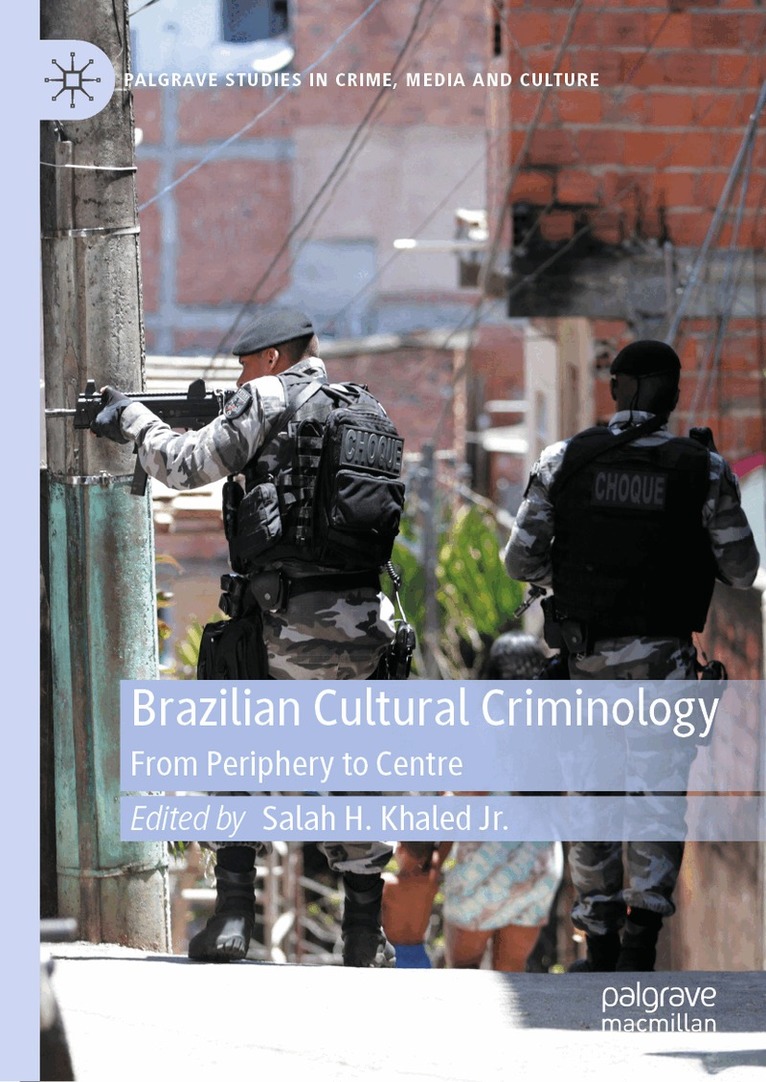
Inbunden, Engelska, 2026
1 299 kr
Skickas inom 10-15 vardagar
This book identifies an emerging Brazilian cultural criminology which combines Brazilian and Latin American critical criminology with the new avenues of investigation and methodologies that characterize cultural criminology more broadly. Bringing together various perspectives, it offers a new take on cultural criminology which demonstrates its international scope and innovative approaches to explore the specific problems of Brazil’s peripheral reality. It offers a window into past and present Brazil, discussing themes of colonialism, slavery, genocide, eugenics, police lethality, mass imprisonment, urban groups, Bolsonarism, youth gangs, mediated representation, and the pandemic.The joint work of criminologists from Brazil constitutes a new facet of Brazilian critical criminology and a new facet of cultural criminology itself. Bound by their common political identity, these fields continue to develop and spiral together, challenging accepted notions of locality and reinventing academic and everyday forms of resistance in different arenas of the Global South and Global North. This book demonstrates that the reception and incorporation of methodologies and ideas from cultural criminology into Brazilian critical criminology do not reveal a simple reproduction, but rather that Brazilian criminologists continue to reinvent and contest, from the margins, the very cultural criminology of the Global North from which they were inspired to refine and expand the accumulated critical knowledge positioned against administrative criminology. The translation of this book was done with the help of artificial intelligence. A subsequent human revision was done for language and content.
- Nyhet
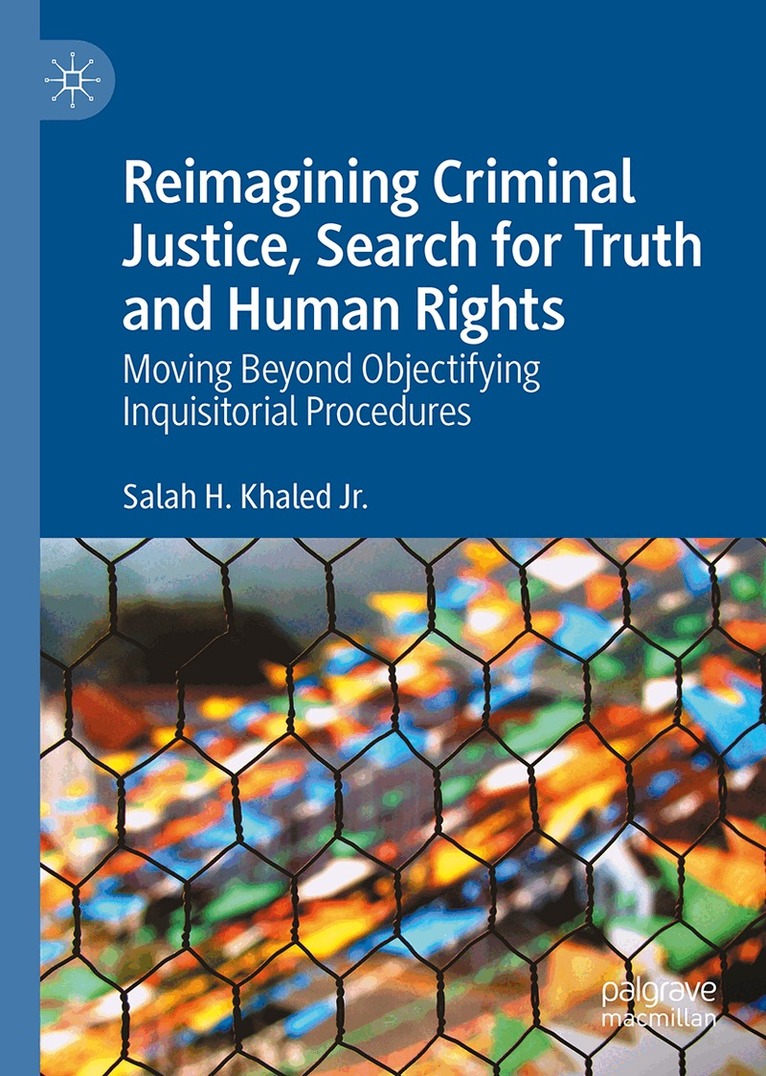
Inbunden, Engelska, 2026
1 347 kr
Skickas inom 11-20 vardagar
This book provides a critical analysis of the "ambition for truth" in criminal proceedings, highlighting how this perspective continues to shape current practices and may, in some cases, contribute to the objectification of defendants and the infringement of human rights. Furthermore, it contends that evidential inquisitorialism, evidentiary positivism, and evidentiary rationalism are distinct epistemologies united by an underlying authoritarian political agenda: the pursuit of truth.This study examines the reinvention of inquisitorial procedures by modern epistemology and their subsequent integration into Latin American legal systems, where they significantly contribute to widespread incarceration and selective prosecution, reinforcing established racial and class hierarchies. The analysis advocates for procedural frameworks that preserve the presumption of innocence, while highlighting ongoing concerns about the prevalence of inquisitorial practices within contemporary criminal justice. The book references both contemporary and classical scholarship in criminal procedure—including works by James Goldschmidt, Franco Cordero, Franchesco Carnellutti, and Pedro Aragoneses Alonso—as well as critical socio-legal scholars from Brazil such as Aury Lopes Junior and Jacinto Nelson de Miranda Coutinho, along with prominent voices in Latin American criminology (Eugenio Raúl Zaffaroni) and sociology (Roberto Kant de Lima and Michel Misse).Furthermore, it interrogates the epistemological and ontological dimensions of truth within criminal procedure through the theoretical frameworks of Martin Heidegger, Hans-Georg Gadamer, Paul Ricoeur and many others. The study seeks to develop a concept of truth specifically tailored to criminal procedure, with the objective of constraining punitive authority and safeguarding against judicial practices that may infringe upon human rights.