Sally Chandler - Böcker
Visar alla böcker från författaren Sally Chandler. Handla med fri frakt och snabb leverans.
2 produkter
2 produkter
369 kr
Skickas inom 5-8 vardagar
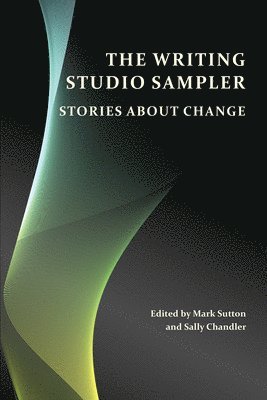
The Writing Studio Sampler presents interrelated, cross-referenced essays illustrating writing studio methodologies. Drawing on foundational work by Rhonda Grego and Nancy Thompson, writing studios engage mentored student workshop groups in collaborative reflection and inquiry into the writing done by student participants, their past experiences learning to write, and the pedagogical practices for teaching writing at their institution. These extended, recursive reflections lead not only to improved writing but also to the chance for institutional critique. Representing a wide range of institutional types and sites, the authors in this collection describe how specific studio programs were created, how they evolved in response to particular institutional contexts, and how they worked to meet the needs and purposes of students, faculty, and the institution. Each chapter includes detailed examples and extensive contextual background designed to support readers in adapting Studio to their own institutional context.
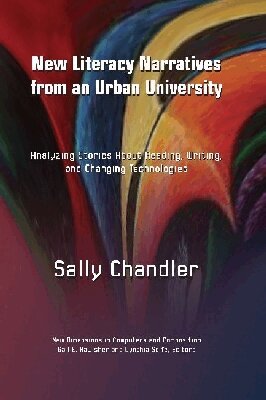
New Literacy Narratives from an Urban University
Analyzing Stories About Reading, Writing and Changing Technologies
Inbunden, Engelska, 2013
888 kr
Skickas inom 10-15 vardagar
New Literacy Narratives is written for teachers, researchers, and students at all levels of experience. It begins with a review of theory and methods from new literacy studies, narrative analysis, oral history, and life course development. This opening discussion provides background and examples for designing participatory projects, conducting interviews, creating transcripts, and using reflective, narrative analysis as an interpretive tool.The five literacy narratives at the book’s centre are co-authored by undergraduate researchers, and they showcase the kind of findings participatory studies can produce. Each chapter illustrates a different approach to narrative analysis, and builds a theoretical story to interpret relationships between story structures and literate identities by: presenting a set of stories to focus the chapter; identifying story forms that affect relationships to literacy; and accounting for relationships among literate identities, cultural ecologies, and storytelling. The book’s concluding section reviews findings from co-authors’ literacy narratives, and suggests new directions for classroom learning and literacy research.