Sally Sheard – författare
2 336 kr
Skickas inom 10-15 vardagar
693 kr
Läs direkt efter köp
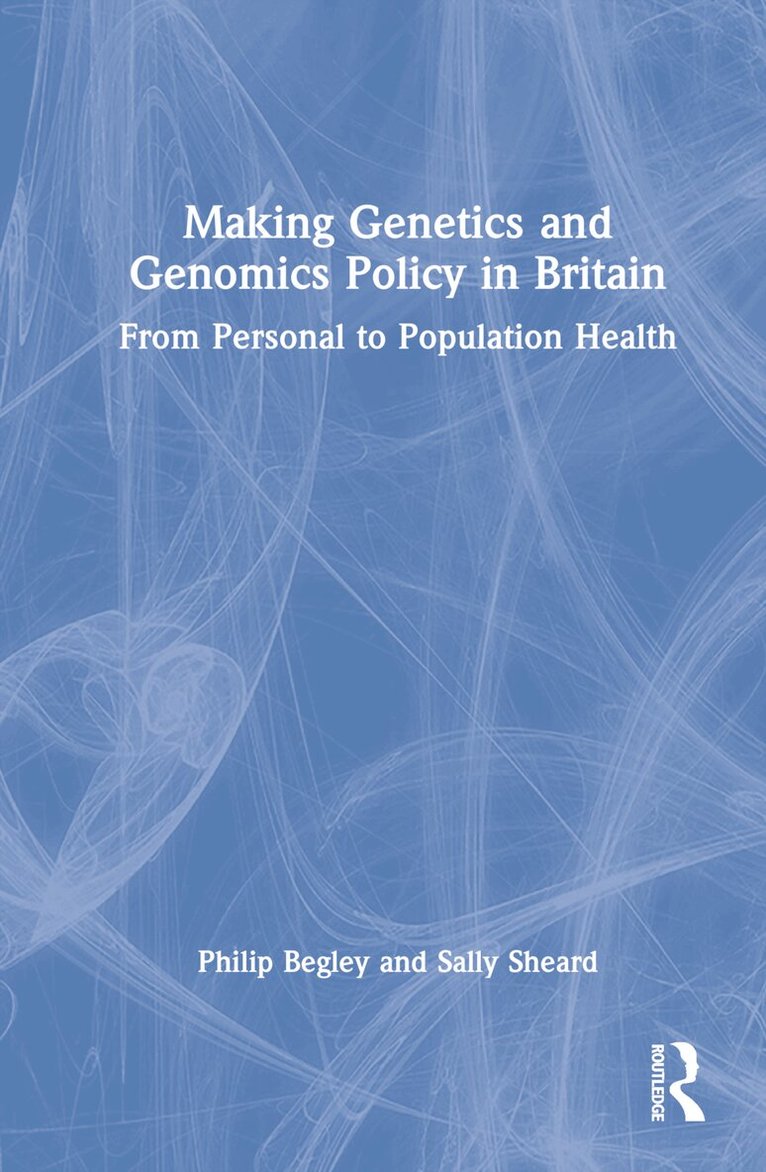
This important book traces the history of genetics and genomics policy in Britain. Detailing the scientific, political, and economic factors that have informed policy and the development of new health services, the book highlights the particular importance of the field of Public Health Genomics.
Although focused primarily on events in Britain, the book reveals a number of globally applicable lessons. The authors explain how and why Public Health Genomics developed and the ways in which genetics and genomics have come to have a central place in many important health debates. Consideration of their ethical, social, and legal implications and ensuring that new services that are equitable, appropriate, and well-targeted will be central to effective health planning and policymaking in future.
The book features:
Interviews with leading individuals who were intimately involved in the development of genetics and genomics policy and Public Health Genomics Insights from experts who participated in a pair of ''witness seminars'' Historical analysis exploiting a wide range of primary sourcesWritten in a clear and accessible style, this book will be of interest to those involved in the research and practice of genetics, genomics, bioethics, and population health, but also to NHS staff, policymakers, politicians, and the public. It will also be valuable supplementary reading for students of the History of Medicine and Health, Public Health, and Biomedical Sciences.
693 kr
Läs direkt efter köp
This important book traces the history of genetics and genomics policy in Britain. Detailing the scientific, political, and economic factors that have informed policy and the development of new health services, the book highlights the particular importance of the field of Public Health Genomics.
Although focused primarily on events in Britain, the book reveals a number of globally applicable lessons. The authors explain how and why Public Health Genomics developed and the ways in which genetics and genomics have come to have a central place in many important health debates. Consideration of their ethical, social, and legal implications and ensuring that new services that are equitable, appropriate, and well-targeted will be central to effective health planning and policymaking in future.
The book features:
Interviews with leading individuals who were intimately involved in the development of genetics and genomics policy and Public Health Genomics Insights from experts who participated in a pair of ''witness seminars'' Historical analysis exploiting a wide range of primary sourcesWritten in a clear and accessible style, this book will be of interest to those involved in the research and practice of genetics, genomics, bioethics, and population health, but also to NHS staff, policymakers, politicians, and the public. It will also be valuable supplementary reading for students of the History of Medicine and Health, Public Health, and Biomedical Sciences.
496 kr
Skickas
2 264 kr
Skickas inom 10-15 vardagar
2 511 kr
Skickas inom 10-15 vardagar
706 kr
Skickas inom 10-15 vardagar
866 kr
Läs direkt efter köp
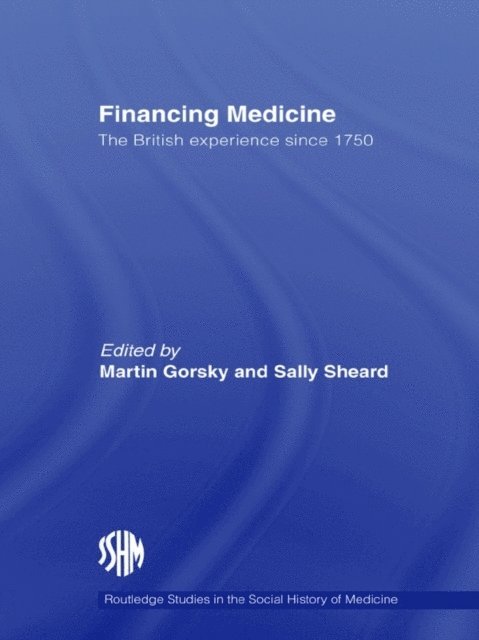
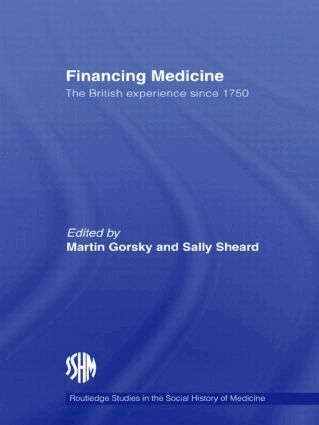
Financing Medicine brings together a collection of essays dealing with the financing of medical care in Britain since the mid-eighteenth century, with a view to addressing two major issues:
Why did the funding of the British health system develop in the way it did? What were the ramifications of these arrangements for the nature and extent of health care before the NHS?The book also goes on to explore the ''lessons'' and legacies of the past which bear upon developments under the NHS.
The contributors to this volume provide a sustained and detailed examination of the model of health care which preceded the NHS - an organization whose distinctive features hold such fascination for the scholars of health systems - and their insights illuminate current debates on the future of the NHS.
For students and scholars of the history of medicine, this will prove essential reading.

866 kr
Läs direkt efter köp
Financing Medicine brings together a collection of essays dealing with the financing of medical care in Britain since the mid-eighteenth century, with a view to addressing two major issues:
Why did the funding of the British health system develop in the way it did? What were the ramifications of these arrangements for the nature and extent of health care before the NHS?The book also goes on to explore the ''lessons'' and legacies of the past which bear upon developments under the NHS.
The contributors to this volume provide a sustained and detailed examination of the model of health care which preceded the NHS - an organization whose distinctive features hold such fascination for the scholars of health systems - and their insights illuminate current debates on the future of the NHS.
For students and scholars of the history of medicine, this will prove essential reading.

735 kr
Skickas inom 10-15 vardagar
735 kr
Skickas inom 10-15 vardagar
1 074 kr
Läs direkt efter köp
866 kr
Läs direkt efter köp
866 kr
Läs direkt efter köp
692 kr
Skickas inom 5-8 vardagar
1 074 kr
Läs direkt efter köp
115 kr
Lyssna direkt efter köp
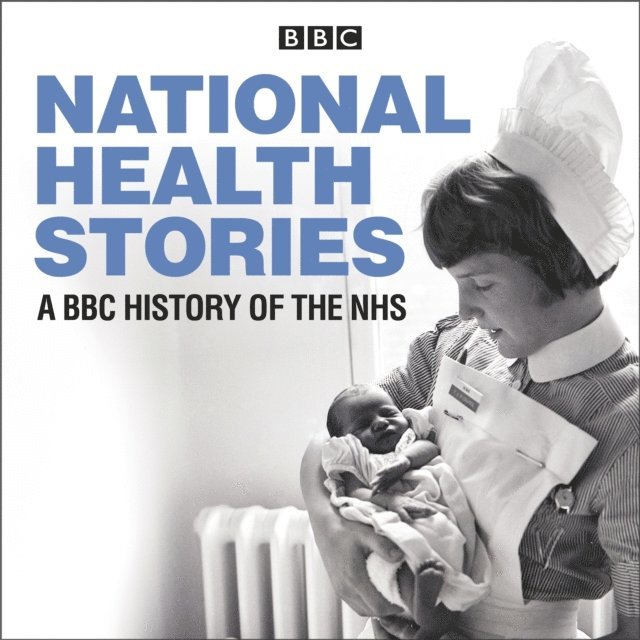
Medical historian Sally Sheard reveals the heroic characters and incredible innovations that have shaped our NHS.On 5 July 1948, for the first time anywhere in the world, healthcare in Britain became free for all. Sally Sheard looks at the highs and lows that followed the launch of the National Health Service - and describes what life was like before it. Drawing on unique archive recordings of staff, patients and politicians, including visionary NHS founders William Beveridge and Aneurin Bevan, she tells the stories behind 20 key moments in the history of the NHS.Beginning in the 1930s, when treatments were basic and access to healthcare was determined by your ability to pay, she examines how pioneering individuals, and emergency wartime medical provision, combined to pave the way for the NHS. But funding was a problem from the start, and an epidemic of lung cancer in the 1950s forced the service to acknowledge its responsibility to not just treat disease, but prevent it.Yet alongside the challenges came great achievements, such as the introduction of the contraceptive pill; the birth of the first IVF baby; and the successful public health campaign to halt the spread of AIDS. We hear accounts of unsung heroes and heroines such as John Charnley, inventor of the first artificial hip; Barbara Robb, who triggered a nationwide investigation into the care of the mentally ill; and Cecily Saunders, whose ''modern hospice'' movement forced the NHS to care for the dying.Tackling topics such as the role of nurses, the fight against MRSA and why health ministers rarely learn from history, this landmark series explores every aspect of the NHS, from its beginnings to the present day. Fascinating, surprising and provocative, it shines new light on Britain''s best-loved institution, showing how the NHS has revolutionised the nation''s health and saved lives.Also included is Healthy Visions, a bonus 75-minutes series in which five experts set out their ideas for the future of public health in Britain.Presented by Sally SheardProduced by Beth Eastwood and Deborah CohenMusic composed and played, and ''Now is the Hour'' arranged and played, by Andy SkinnardFirst broadcast BBC Radio 4, 18 June-13 July 2018©2021 BBC Worldwide Ltd (P)2021 BBC Worldwide Ltd
910 kr
Skickas inom 10-15 vardagar
956 kr
Skickas inom 5-8 vardagar
1 434 kr
Tillfälligt slut