Samantha Katz Seal - Böcker
Visar alla böcker från författaren Samantha Katz Seal. Handla med fri frakt och snabb leverans.
2 produkter
2 produkter
1 320 kr
Skickas inom 5-8 vardagar
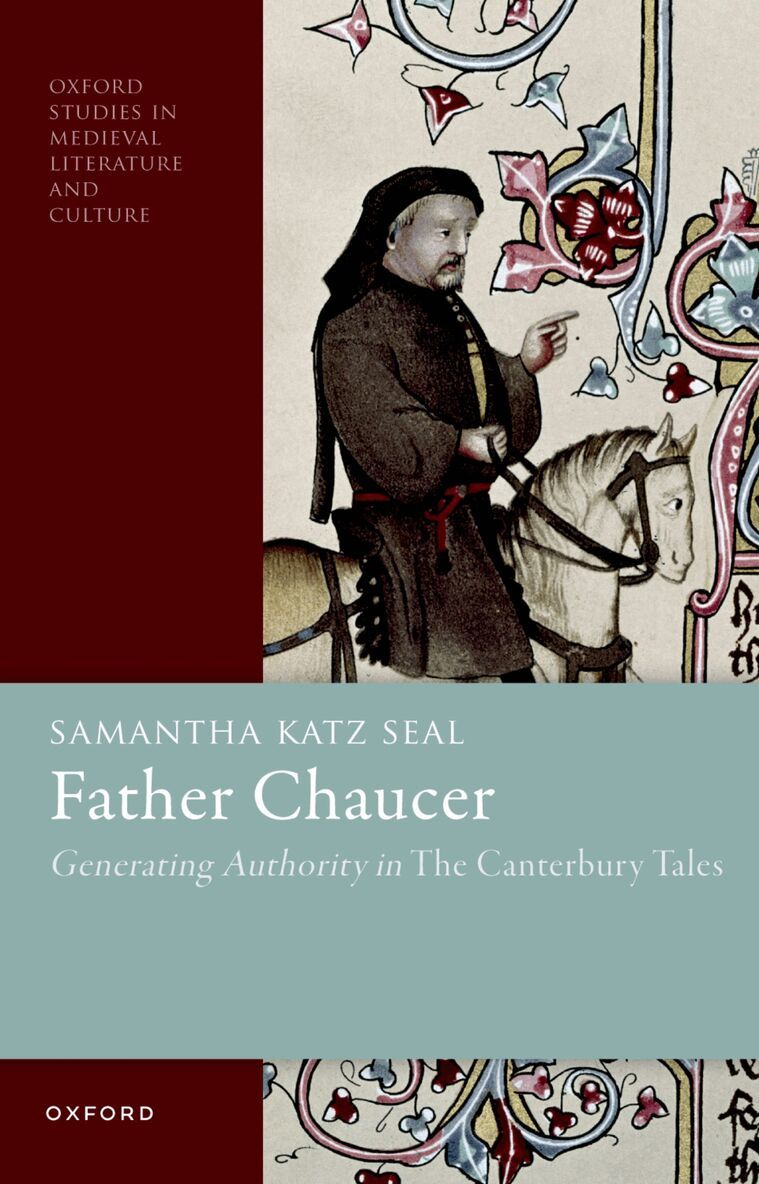
The monograph series Oxford Studies in Medieval Literature and Culture showcases the plurilingual and multicultural quality of medieval literature and actively seeks to promote research that not only focuses on the array of subjects medievalists now pursue in literature, theology, and philosophy, in social, political, jurisprudential, and intellectual history, the history of art, and the history of science but also that combines these subjects productively. It offers innovative studies on topics that may include, but are not limited to, manuscript and book history; languages and literatures of the global Middle Ages; race and the post-colonial; the digital humanities, media and performance; music; medicine; the history of affect and the emotions; the literature and practices of devotion; the theory and history of gender and sexuality, ecocriticism and the environment; theories of aesthetics; medievalism. When Geoffrey Chaucer is named the 'Father of English poetry', an inherent assumption about paternity is transmitted. Chaucer's 'fatherhood' is presented as a means of poetic legitimization, a stable mode of authority that connects the medieval author with all the successive generations of English writers. This book argues, however, that for Chaucer himself, paternity was a far more fraught ambition, one capable of devastating male identity as surely as it could enshrine it. Moving away from anachronistic assumptions about reproduction and authority, this book argues that Chaucer profoundly struggled with his own desire to create something that would last past his own death. For Chaucer also believed that men were the humble, mortal playthings of an all too distant God. Medieval Christianity taught that the earth was but a temporary, sorrowful abode for corrupted men, and that the fall from grace was reborn within each generation of Adam's sons. Chaucer knew that God had set sharp limits upon man's ability to create with certainty, and to determine his own posterity. Yet, what could be more human than the longing to wrest some small authority from one's own mortal flesh? This book argues that this essential intellectual, ethical, and religious crisis lies at the very heart of Chaucer's Canterbury Tales. Within this masterpiece of English literature, Chaucer boldly confronts the impossibility of his own aching wish to see his offspring, biological and poetic, last beyond his own death, to claim the authority simultaneously promised and denied by the very act of creation.
421 kr
Skickas inom 5-8 vardagar
The monograph series Oxford Studies in Medieval Literature and Culture showcases the plurilingual and multicultural quality of medieval literature and actively seeks to promote research that not only focuses on the array of subjects medievalists now pursue in literature, theology, and philosophy, in social, political, jurisprudential, and intellectual history, the history of art, and the history of science but also that combines these subjects productively. It offers innovative studies on topics that may include, but are not limited to, manuscript and book history; languages and literatures of the global Middle Ages; race and the post-colonial; the digital humanities, media and performance; music; medicine; the history of affect and the emotions; the literature and practices of devotion; the theory and history of gender and sexuality, ecocriticism and the environment; theories of aesthetics; medievalism. Geoffrey Chaucer has long been lauded as the "Father of English Poetry." For later authors and scholars, the late medieval poet has served as a symbol of male authority and literary paternity upon whom successive centuries of the English canon may comfortably rest. Yet for Chaucer himself, the idea of paternity—whether poetic or biological—was far from stable or reassuring. Reading Chaucer's masterpiece, The Canterbury Tales, alongside its theological, poetic, and scientific contemporaries, this book argues that Chaucer was fascinated by the promise offered by metaphors of reproduction, paternity, and lineage. However, in the wake of the Black Death, Hundred Years' War, and other demographic crises, Chaucer could not help but perceive paternal authority as a transitory, uncertain ambition, one capable of devastating male authority as surely as it could enshrine it. Likewise, medieval Christian doctrine taught that the earth was but a temporary, sorrowful abode for corrupt, mortal men, who committed a form of blasphemy by longing for earthly memorializations of their lives.Chaucer knew that God had set sharp limits upon man's ability to create with certainty and to determine his own posterity. Still, what could be more human than the longing to wrest some small authority from one's own flesh? This book argues that within The Canterbury Tales, Chaucer consistently confronted the impossibility of men's desire to see their offspring—both biological and poetic—last beyond their own deaths, to claim the authority simultaneously promised and denied by the very act of creation.