Samuel A. Chambers - Böcker
Visar alla böcker från författaren Samuel A. Chambers. Handla med fri frakt och snabb leverans.
13 produkter
13 produkter
415 kr
Skickas inom 5-8 vardagar
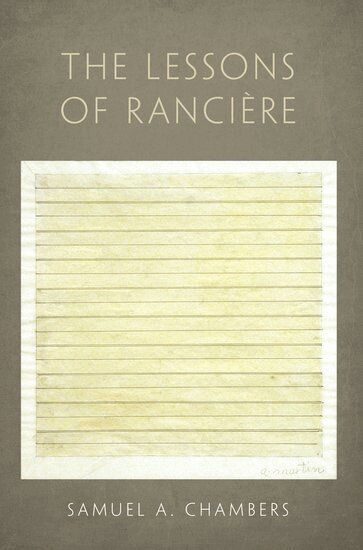
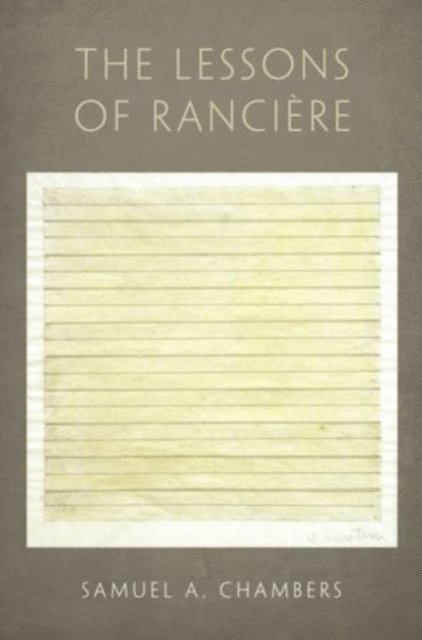
Liberal democracy is the name given to a regime that much of the world lives in or aspires to, and both liberal and deliberative theorists focus much of their intellectual energy on working to reshape and perfect this regime. But what if "liberal democracy" were a contradiction in terms? Taking up Jacques Rancière's polemical claim that democracy is not a regime, Samuel A. Chambers argues that liberalism and democracy are not complementary, but competing forces. By way of the most in-depth and rigorous treatment of Rancière's writings to date, The Lessons of Rancière seeks to disentangle democracy from liberalism. Liberalism is a logic of order and hierarchy, of the proper distribution of responsibilities and rights, whereas democratic politics follows a logic of disordering that challenges and disrupts any claims that the allocation of roles could be complete. This book mobilizes a Rancièrean understanding of politics as leverage against the tendency to collapse democracy into the broader terms of liberalism. Chambers defends a vision of "impure" politics, showing that there is no sphere proper to politics, no protected political domain. The job of political theory is therefore not to say what is required in order for politics to occur, not to develop ideal "normative" models of politics, and not even to create new political ontologies. Instead, political theory is itself an enactment of politics in Rancière's sense of dissensus: politics thwarts any social order of domination. Chambers shows that the logic of politics depends on the same principle as Rancière's radical pedagogy: the presupposition of equality. Like traditional critical theory, traditional pedagogy relies on a model of explanation in which the student is presumed to be blind. But what if anyone can understand without additional explanation from a master? The Lessons of Rancière uses this pedagogy as a guide to envision a critical theory beyond blindness and to explore a democratic politics beyond liberalism.
1 236 kr
Skickas inom 7-10 vardagar
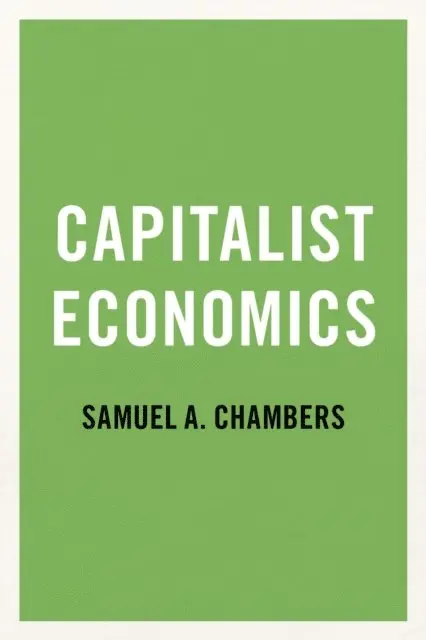
Capitalist Economics introduces and explains the basic economic forces that shape the present and structure the future of capitalist societies today. Rejecting the idea that economics is a universal science of "choice" or the "efficient allocation of scarce resources," this book analyzes economic forces and relations as essential elements of a broader society. This entails understanding "the economic" as a logic that always operates alongside cultural, political, and social forces. As well, it requires grasping the economic as itself a product of historical development. This book explores the unique economic pressures found in capitalist societies, offering detailed yet concise analysis of basic concepts - commodities, money, exchange, interest - and investigating broader issues such as the source of profit, the nature of growth, and the role of technology and invention. Written for political scientists, sociologists, philosophers, cultural studies scholars, and beyond, the book is a completely new way of grasping socio-economic relations.
310 kr
Skickas inom 5-8 vardagar
Capitalist Economics introduces and explains the basic economic forces that shape the present and structure the future of capitalist societies today. Rejecting the idea that economics is a universal science of "choice" or the "efficient allocation of scarce resources," this book analyzes economic forces and relations as essential elements of a broader society. This entails understanding "the economic" as a logic that always operates alongside cultural, political, and social forces. As well, it requires grasping the economic as itself a product of historical development. This book explores the unique economic pressures found in capitalist societies, offering detailed yet concise analysis of basic concepts - commodities, money, exchange, interest - and investigating broader issues such as the source of profit, the nature of growth, and the role of technology and invention. Written for political scientists, sociologists, philosophers, cultural studies scholars, and beyond, the book is a completely new way of grasping socio-economic relations.
581 kr
Skickas inom 5-8 vardagar
Liberal democracy is the name given to a regime that much of the world lives in or aspires to, and both liberal and deliberative theorists focus much of their intellectual energy on working to reshape and perfect this regime. But what if "liberal democracy" were a contradiction in terms? Taking up Jacques Rancière's polemical claim that democracy is not a regime, Samuel A. Chambers argues that liberalism and democracy are not complementary, but competing forces. By way of the most in-depth and rigorous treatment of Rancière's writings to date, The Lessons of Rancière seeks to disentangle democracy from liberalism. Liberalism is a logic of order and hierarchy, of the proper distribution of responsibilities and rights, whereas democratic politics follows a logic of disordering that challenges and disrupts any claims that the allocation of roles could be complete. This book mobilizes a Rancièrean understanding of politics as leverage against the tendency to collapse democracy into the broader terms of liberalism. Chambers defends a vision of "impure" politics, showing that there is no sphere proper to politics, no protected political domain. The job of political theory is therefore not to say what is required in order for politics to occur, not to develop ideal "normative" models of politics, and not even to create new political ontologies. Instead, political theory is itself an enactment of politics in Rancière's sense of dissensus: politics thwarts any social order of domination. Chambers shows that the logic of politics depends on the same principle as Rancière's radical pedagogy: the presupposition of equality. Like traditional critical theory, traditional pedagogy relies on a model of explanation in which the student is presumed to be blind. But what if anyone can understand without additional explanation from a master? The Lessons of Rancière uses this pedagogy as a guide to envision a critical theory beyond blindness and to explore a democratic politics beyond liberalism.
2 170 kr
Skickas inom 10-15 vardagar
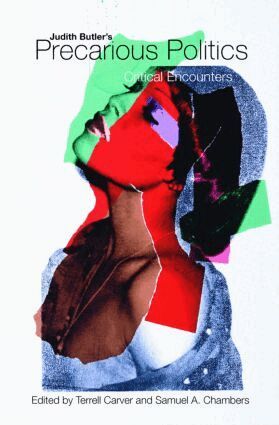
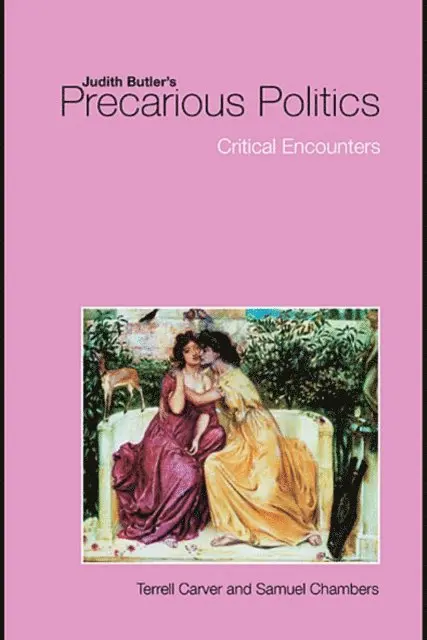
Judith Butler has been arguably the most important gender theorist of the past twenty years. This edited volume draws leading international political theorists into dialogue with her political theory.Each chapter is written by an acclaimed political theorist and concentrates on a particular aspect of Butler's work. The book is divided into five sections which reflect the interdisciplinary nature of Butler's work and activism: Butler and Philosophy: explores Butler’s unique relationship to the discipline of philosophy, considering her work in light of its philosophical contributions Butler and Subjectivity: covers the vexed question of subjectivity with which Butler has engaged throughout her published history Butler and Gender: considers the most problematic area, gender, taken by many to be primary to Butler’s work Butler and Democracy: engages with Butler’s significant contribution to the literature of radical democracy and to the central political issues faced by our post-cold war Butler and Action: focuses directly on the question of political agency and political action in Butler’s work. Along with its companion volume, Judith Butler and Political Theory, it marks an intellectual event for political theory, with major implications for feminism, women’s studies, gender studies, cultural studies, lesbian and gay studies, queer theory and anyone with a critical interest in contemporary American ‘great power’ politics.
649 kr
Skickas inom 10-15 vardagar
Judith Butler has been arguably the most important gender theorist of the past twenty years. This edited volume draws leading international political theorists into dialogue with her political theory.Each chapter is written by an acclaimed political theorist and concentrates on a particular aspect of Butler's work. The book is divided into five sections which reflect the interdisciplinary nature of Butler's work and activism: Butler and Philosophy: explores Butler’s unique relationship to the discipline of philosophy, considering her work in light of its philosophical contributions Butler and Subjectivity: covers the vexed question of subjectivity with which Butler has engaged throughout her published history Butler and Gender: considers the most problematic area, gender, taken by many to be primary to Butler’s work Butler and Democracy: engages with Butler’s significant contribution to the literature of radical democracy and to the central political issues faced by our post-cold war Butler and Action: focuses directly on the question of political agency and political action in Butler’s work. Along with its companion volume, Judith Butler and Political Theory, it marks an intellectual event for political theory, with major implications for feminism, women’s studies, gender studies, cultural studies, lesbian and gay studies, queer theory and anyone with a critical interest in contemporary American ‘great power’ politics.
1 454 kr
Skickas inom 7-10 vardagar
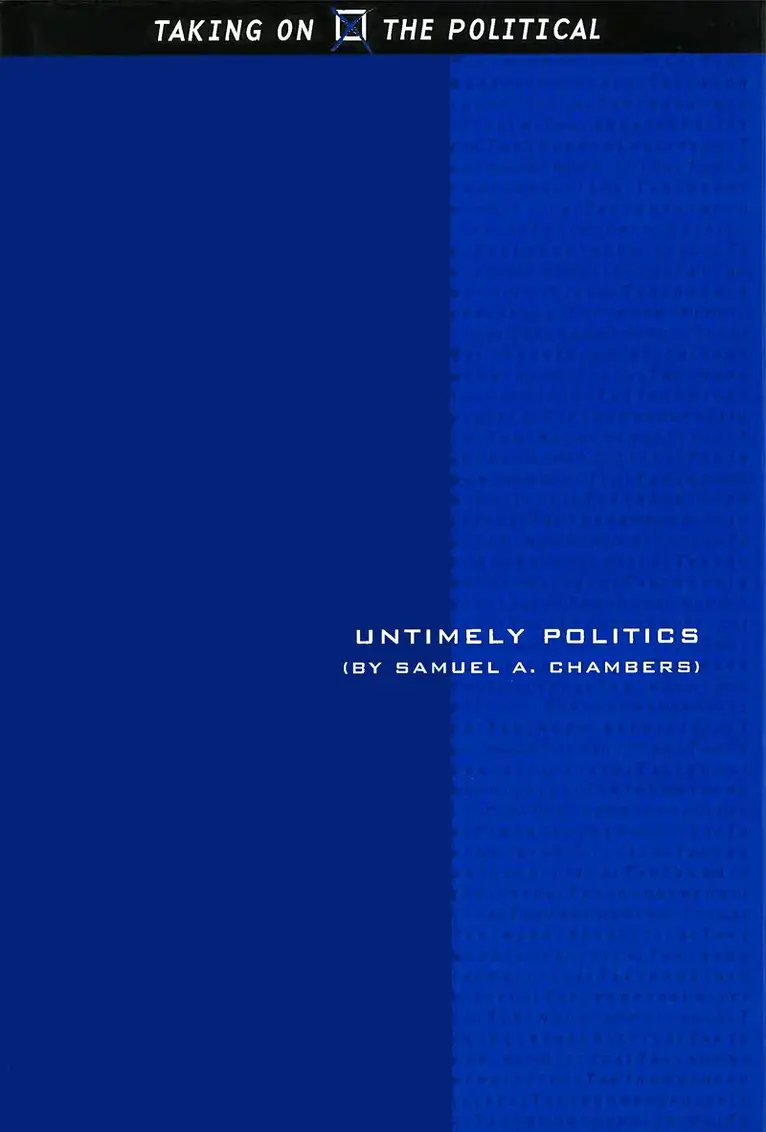
Challenging the linear view of history which confines or predetermines the outcome of politics, this book argues for an ‘untimely’ politics, rendering the past problematic and the future unpredictable. Untimely Politics offers close readings of key texts in political theory and enters into debates involving metaphysics, philosophy of language, and psychoanalysis versus discursive analysis - all designed to demonstrate that untimeliness expands the scope of the political.The ideas are weaved together around the theme of the relevance of language analysis to political debate, answering those critics who insist discourse approaches to politics are irrelevant. Calling on key texts of Heidegger, Nietzsche, Foucault and Derrida the book challenges the political burden which is placed on language analysis to prove its value in the real world. To demonstrate his arguments, Samuel Chambers uses the case study of same-sex marriage in the US to interrogate family values politics.In seeking to explore the bearing of contemporary theory on practical political life, this book makes a timely plea for a more politically relevant form of intellectual work.Key Features:• detailed case study of same-sex marriages in the US is used to interrogate family value politics• shows the relevance of contemporary theory to practical political life• makes a plea for a more politically relevant form of intellectual work• aimed at both a Politics and a Cultural Studies readershipBooks in the series are...Valentine and Arditi Polemicization Shapiro Cinematic Political ThoughtChambers Untimely PoliticsElden Speaking Against NumberBowman Post-Marxism Versus Cultural StudiesMarchart Post-Foundational Political ThoughtLittle Democratic Piety
1 572 kr
Skickas inom 10-15 vardagar
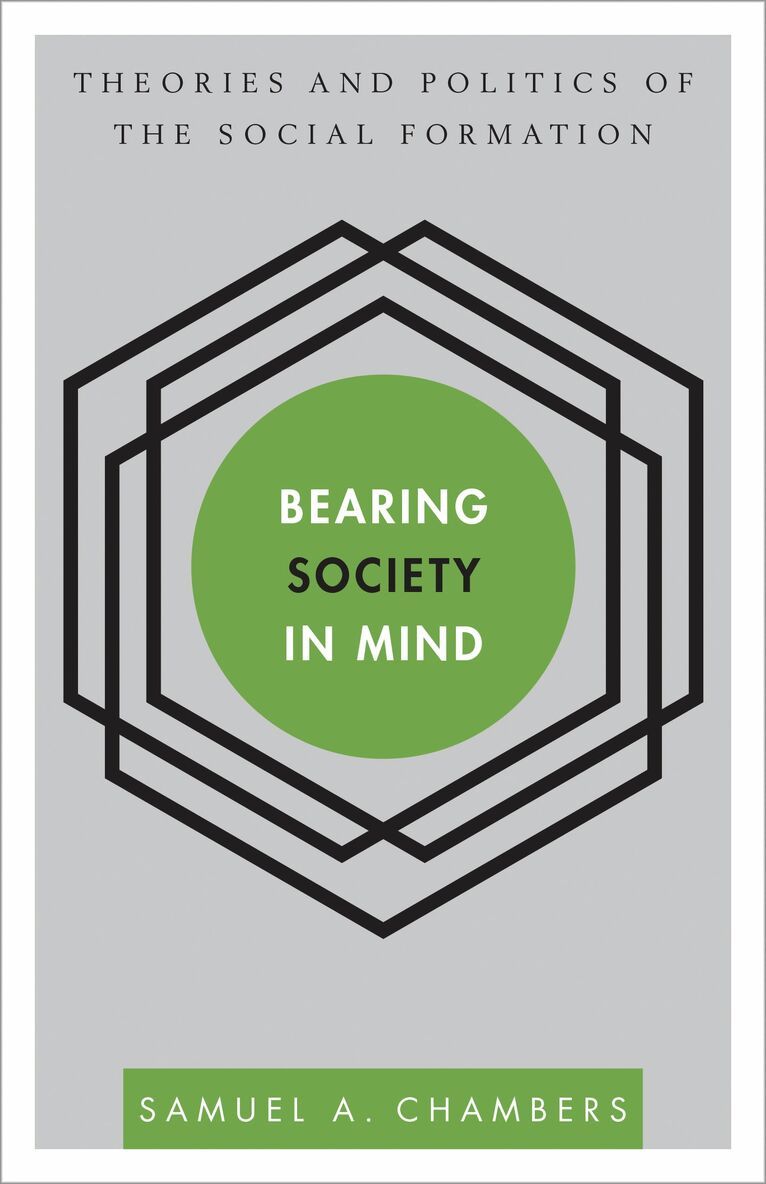
Political and economic models of society often operate at a level of abstraction so high that the connections between them, and their links to culture, are beyond reach. Bearing Society in Mind challenges these disciplinary boundaries and proposes an alternative framework—the social formation. The theory of social formation demonstrates how the fabric of society is made up of threads that are simultaneously economic, political, and cultural. Drawing on the work of theorists including Marx, Althusser, Butler, Žižek and Rancière, Bearing Society in Mindmakes the strongest case possible for the theoretical importance and political necessity of this concept. It simultaneously demonstrates that the social formation proves to be a very particular and peculiar type of “concept”—it is not a reflection or model of the world, but is definitively and concretely bound up with and constitutive of the world.
568 kr
Skickas inom 10-15 vardagar
Political and economic models of society often operate at a level of abstraction so high that the connections between them, and their links to culture, are beyond reach. Bearing Society in Mind challenges these disciplinary boundaries and proposes an alternative framework—the social formation. The theory of social formation demonstrates how the fabric of society is made up of threads that are simultaneously economic, political, and cultural. Drawing on the work of theorists including Marx, Althusser, Butler, Žižek and Rancière, Bearing Society in Mindmakes the strongest case possible for the theoretical importance and political necessity of this concept. It simultaneously demonstrates that the social formation proves to be a very particular and peculiar type of “concept”—it is not a reflection or model of the world, but is definitively and concretely bound up with and constitutive of the world.
341 kr
Skickas inom 10-15 vardagar
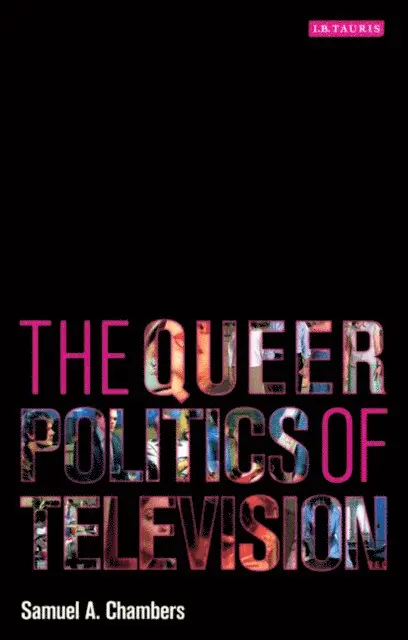
"The Queer Politics of Television" is a radical book, which brings together the fields of political theory and television studies. In one of the first books to do so, Samuel A. Chambers exposes and explores the cultural politics of television by treating television shows - including "Six Feet Under", "Buffy the Vampire Slayer", "Desperate Housewives", "The L Word", and "Big Love" - as serious, important texts and reading them in detail through the lens of queer theory. Chambers makes the case for the profound significance of 'the cultural politics of television': the way in which the text of a television show itself engages with the politics of its day. He argues for queer theory's essential contribution to any understanding of the political, and initiates a larger project of queer television studies, treading the same path as queer film studies. This book makes an important and fresh contribution to queer theory and to the understanding of television as politics.
246 kr
Skickas inom 5-8 vardagar
1 108 kr
Skickas inom 5-8 vardagar
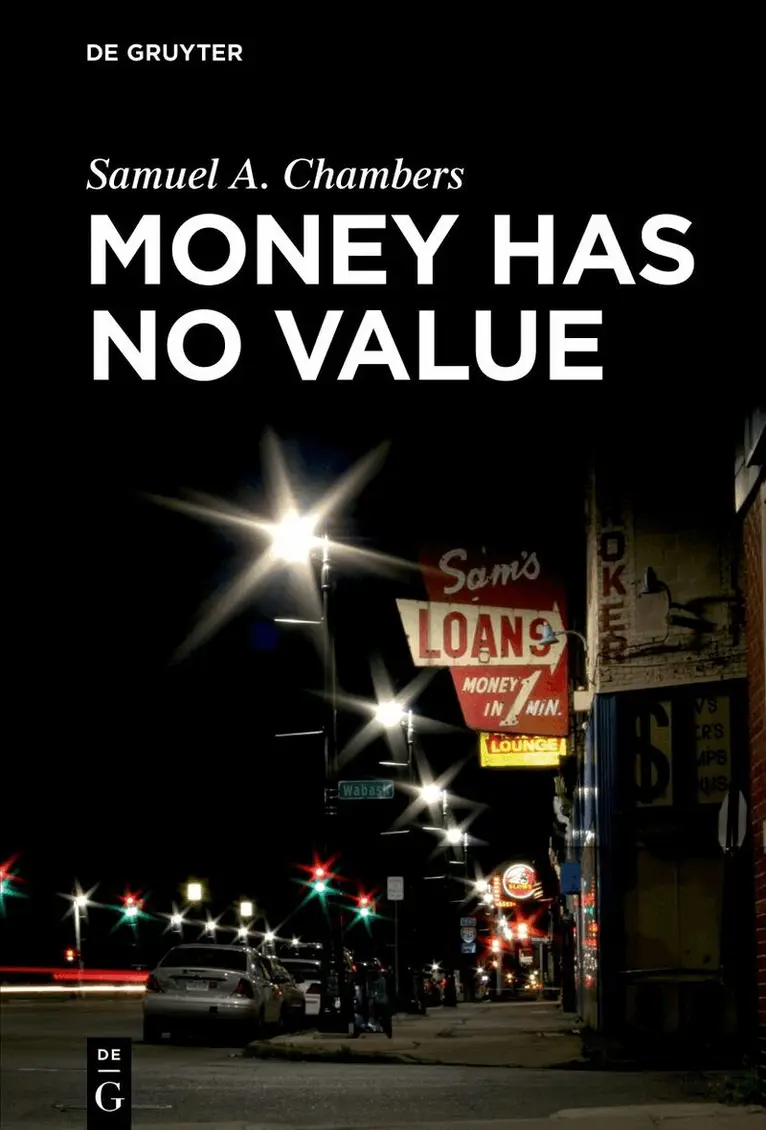
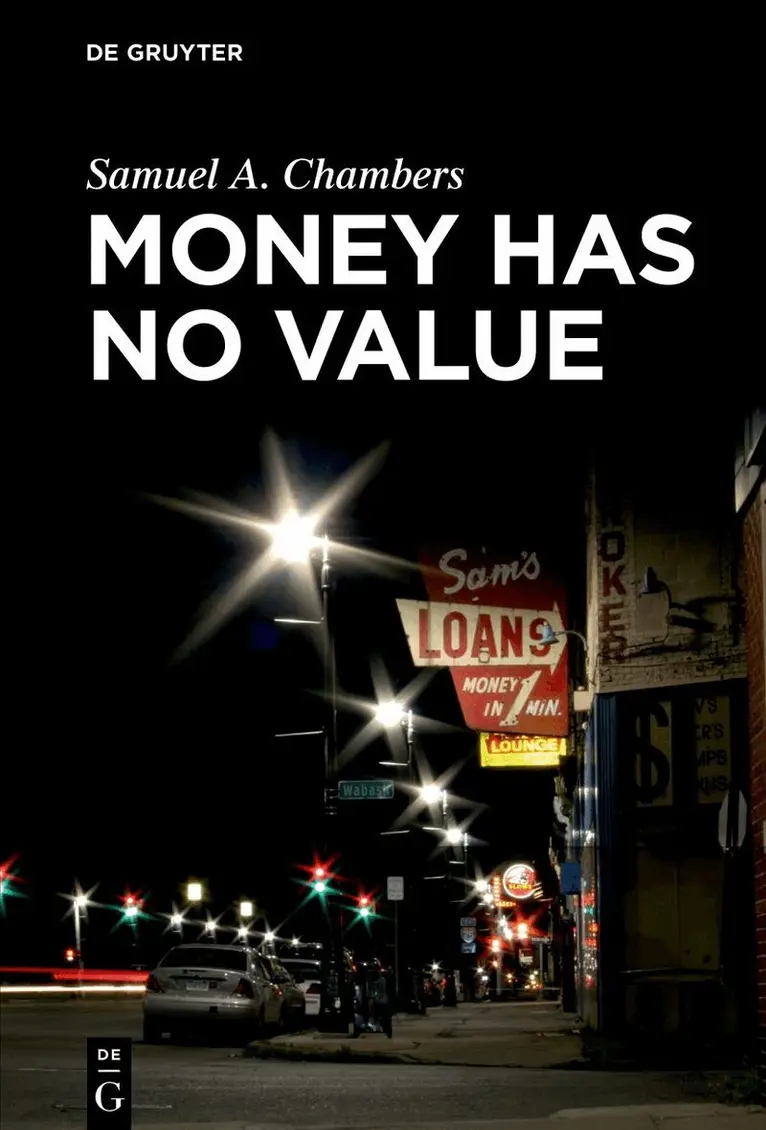
We need a new theory of money. The still-dominant theory of money as taught in intro textbooks is 100+ years old, and for almost that long we have known that it’s totally wrong. The best alternative are "heterodox" accounts developed in the 90s and 00s. These are indeed better overall descriptions of money, but they remain incomplete and inadequate: they rely too much on why the orthodoxy is wrong, thereby incorrectly assuming there is only one alternative (so-called heterodoxy). Money has no value develops a new (more subtle, more sophisticated) theory of money. It takes more seriously than any other work to date, the depth and seriousness of the fundamental claim that all money is credit. Money is not a thing, but a marker of a social relation of credit and debt between two parties. Money is not value itself; no form of money (as money) ever possesses any positive, intrinsic value. Second, the book shows that not only is all money credit, but that in an important theoretical sense, all credit is money to the extent any credit/debt between two parties has the potential to be transferred to another party (thereby functioning as money). Finally, the book links this radical credit theory of money to today’s concrete money practices: this includes global capital flows, national and international monetary policy, and most of all the daily turnover in the money markets. The book therefore develops the needed conceptual framework to ask questions like: what is going on with Bitcoin (much less GameStop) in 2021.
446 kr
Skickas inom 5-8 vardagar
We need a new theory of money. The still-dominant theory of money as taught in intro textbooks is 100+ years old, and for almost that long we have known that it’s totally wrong. The best alternative are "heterodox" accounts developed in the 90s and 00s. These are indeed better overall descriptions of money, but they remain incomplete and inadequate: they rely too much on why the orthodoxy is wrong, thereby incorrectly assuming there is only one alternative (so-called heterodoxy). Money has no value develops a new (more subtle, more sophisticated) theory of money. It takes more seriously than any other work to date, the depth and seriousness of the fundamental claim that all money is credit. Money is not a thing, but a marker of a social relation of credit and debt between two parties. Money is not value itself; no form of money (as money) ever possesses any positive, intrinsic value. Second, the book shows that not only is all money credit, but that in an important theoretical sense, all credit is money to the extent any credit/debt between two parties has the potential to be transferred to another party (thereby functioning as money). Finally, the book links this radical credit theory of money to today’s concrete money practices: this includes global capital flows, national and international monetary policy, and most of all the daily turnover in the money markets. The book therefore develops the needed conceptual framework to ask questions like: what is going on with Bitcoin (much less GameStop) in 2021.