Samuel W. Mitcham Jr. – författare
Visar alla böcker från författaren Samuel W. Mitcham Jr.. Handla med fri frakt och snabb leverans.
34 produkter
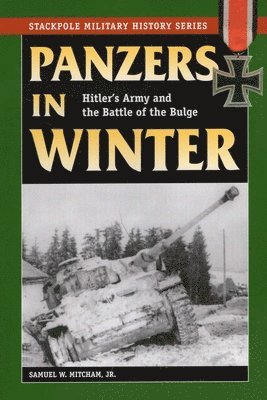
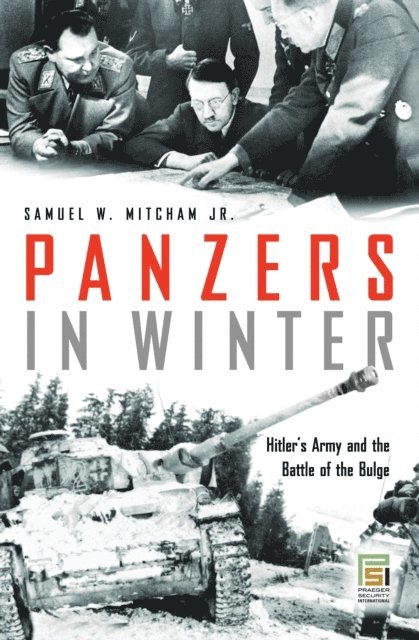
Panzers in Winter
Hitler'S Army and the Battle of the Bulge
Häftad, 2007
203 kr
Lägg i varukorg
Before dawn on December 16, 1944, German forces rolled through the frozen Ardennes in their last major offensive in the west, thus starting the Battle of the Bulge, which would become the U.S. Army’s bloodiest engagement of World War II. Catching the Allies by surprise, the Germans made early …
German Order of Battle
Panzer, Panzer Grenadier, and Waffen Ss Divisions in WWII
Häftad, 2007
267 kr
Lägg i varukorg
German Order of Battle is the definitive reference on the German Army in World War II, covering the organization, combat history, and commanders of each division. Volume One covers the 1st through 290th Infantry Divisions; Volume Two, the 291st through 999th Infantry Divisions, Named Infantry …
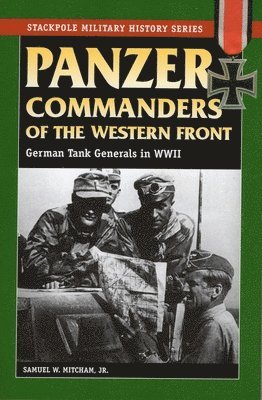
Panzer Commanders of the Western Front
German Tank Generals in World War II
Häftad, 2008
194 kr
Lägg i varukorg
Generals like Heinz Guderian have received most of the credit for devising and executing the German blitzkrieg, but without the field commanders who led armored corps, divisions, and regiments, the lightning offensive that overtook France in 1940 could not have triumphed. Nor could the Germans have …
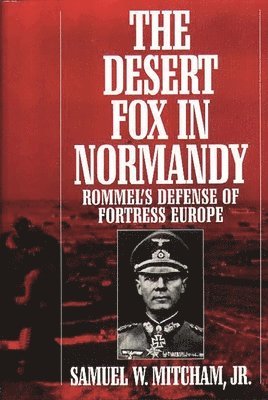
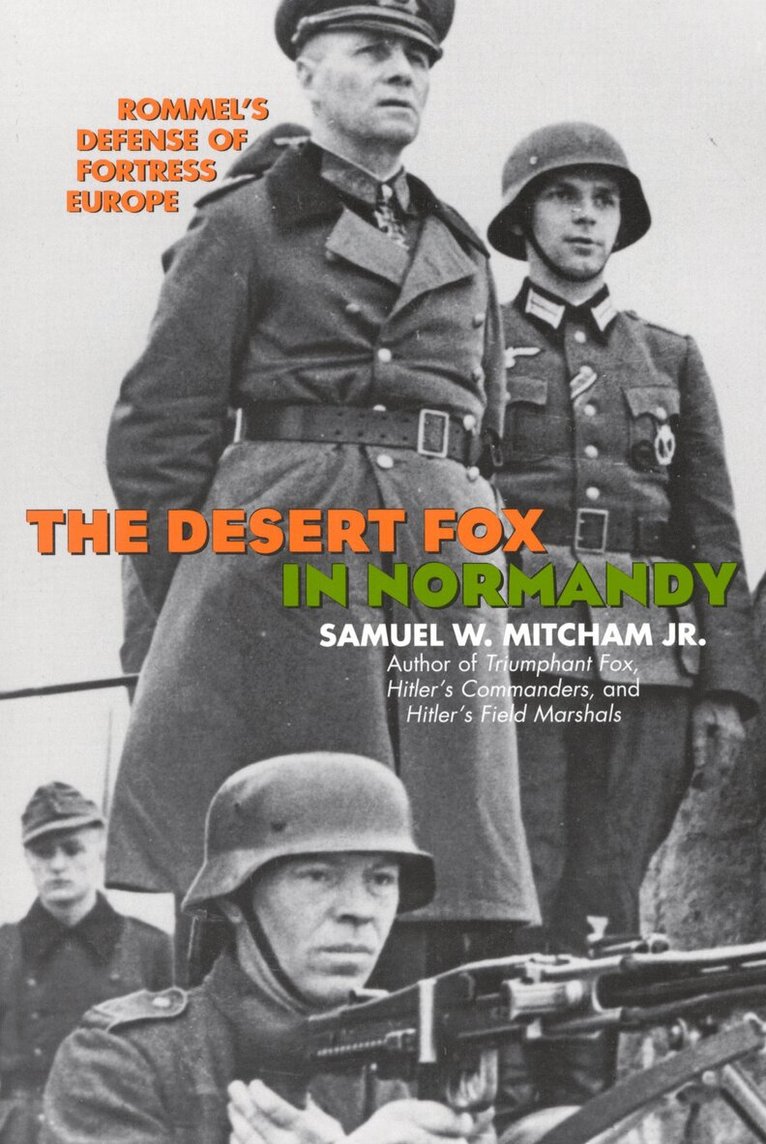
Desert Fox in Normandy
Rommel's Defense of Fortress Europe
Inbunden, 1997
660 kr
Lägg i varukorg
Perhaps the most famous and admired soldier to fight in World War II was Field Marshal Erwin Rommel, who achieved immortality as the Desert Fox. Rommel's first field command during the war was the 7th Panzer Division-also known as the Ghost Division-which he led in France in 1940. During this …
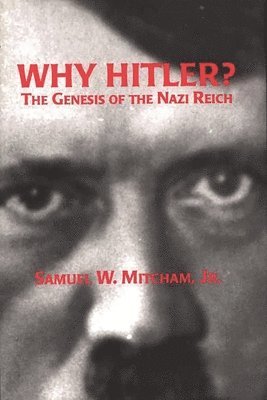
Why Hitler?
The Genesis of the Nazi Reich
Inbunden, 1996
660 kr
Lägg i varukorg
Adolf Hitler attained power in 1933 as the result of a complex set of factors, some of which were complementary and some of which were mutually exclusive. This book describes and analyzes the reasons Hitler became chancellor of Germany, which included the harsh Treaty of Versailles that ended World …
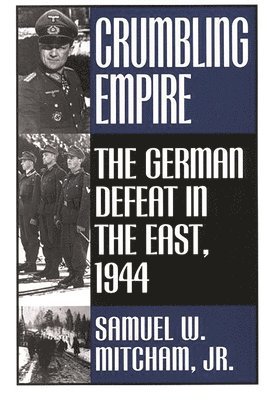
Crumbling Empire
The German Defeat in the East, 1944
Inbunden, 2001
1095 kr
Lägg i varukorg
The last place a German soldier wanted to be in 1944 was the Russian front. That summer, Stalin hurled into battle more than six million men and 9,000 tanks, supported by 16,000 fighters and bombers and more than 12,800 guns and rocket launchers. Despite this massive effort and the resulting …
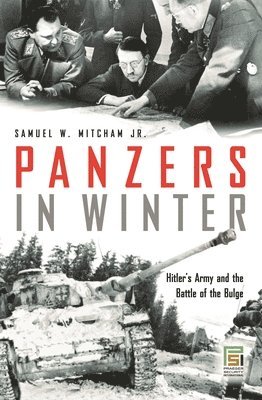
Panzers in Winter
Hitler's Army and the Battle of the Bulge
Inbunden, 2006
602 kr
Lägg i varukorg
The Battle of the Bulge was the last hurrah for the German Army on the Western Front. With the help of various unpublished sources, Samuel Mitcham sets out to tell the story of that battle and of the Ardennes Offensive from the German point of view. The greatest military disaster the United States …
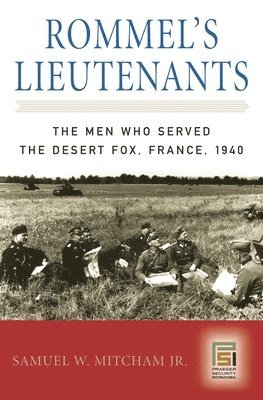
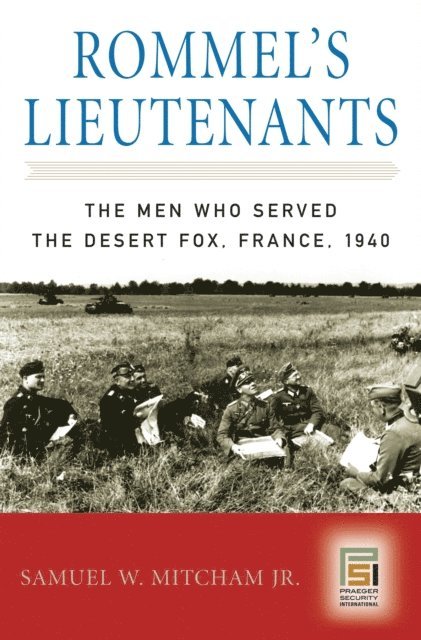
Rommel's Lieutenants
The Men Who Served the Desert Fox, France, 1940
Inbunden, 2006
732 kr
Lägg i varukorg
Perhaps the most famous soldier to fight in World War II was Field Marshal Erwin Rommel, who achieved immortality as the Desert Fox. He is also one of the most admired. Rommel's first field command during the war was the 7th Panzer Division, also known as the Ghost Division, which he led in France …
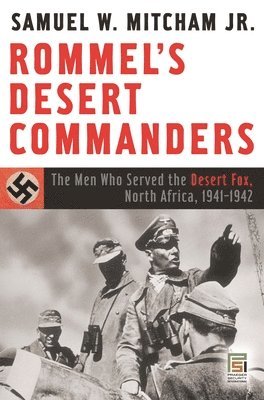
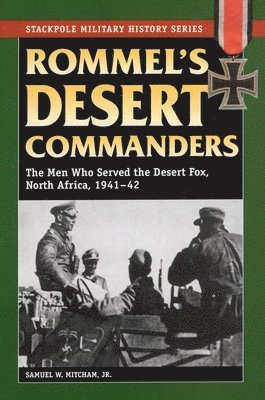
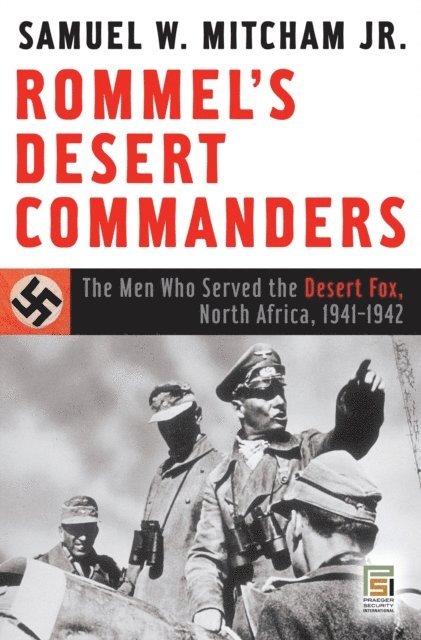
Rommel's Desert Commanders
The Men Who Served the Desert Fox, North Africa, 1941-1942
Inbunden, 2007
558 kr
Lägg i varukorg
Perhaps the most famous and admired soldier to fight in World War II was Field Marshal Erwin Rommel, who achieved immortality as the Desert Fox. Rommel's first field command during the war was the 7th Panzer Division—also known as the Ghost Division—which he led in France in 1940. During this …
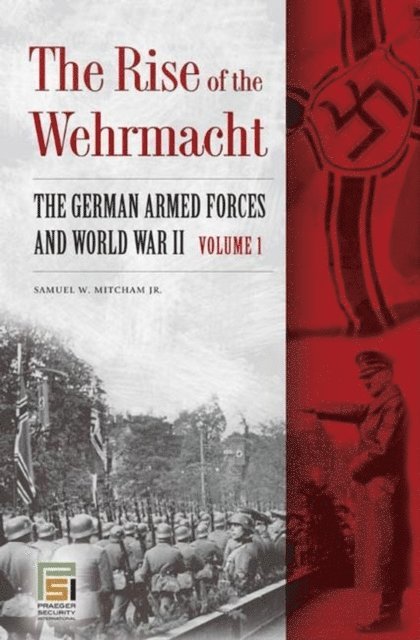
Rise of the Wehrmacht
The German Armed Forces and World War II [2 Volumes]
E-bok, 2008
1936 kr
Lägg i varukorg
The Rise of the Wehrmacht is the first comprehensive work to deal with the German war effort in World War II from this point of view. Its uniqueness lies in the fact that it covers the entire war effort from the point of view of the German military that actually conducted and fought the war, …
Panzers in Winter
Hitler'S Army and the Battle of the Bulge
E-bok, 2006
658 kr
Lägg i varukorg
The Battle of the Bulge was the last hurrah for the German Army on the Western Front. With the help of various unpublished sources, Samuel Mitcham sets out to tell the story of that battle and of the Ardennes Offensive from the German point of view. The greatest military disaster the United States …
Rommel's Lieutenants
The Men Who Served the Desert Fox, France, 1940
E-bok, 2006
803 kr
Lägg i varukorg
Perhaps the most famous soldier to fight in World War II was Field Marshal Erwin Rommel, who achieved immortality as the Desert Fox. He is also one of the most admired. Rommel's first field command during the war was the 7th Panzer Division, also known as the Ghost Division, which he led in France …
Panzer Legions
A Guide to the German Army Tank Divisions of World War II and Their Commanders
Inbunden, 2000
1240 kr
Lägg i varukorg
Hitler's tank divisions were some of his most feared troops and most lethal weapons in the taking and securing of territory during World War II. From success to failure, in victory and in defeat, each division played a role in Hitler's campaign against the Allies. This is the first guide to …
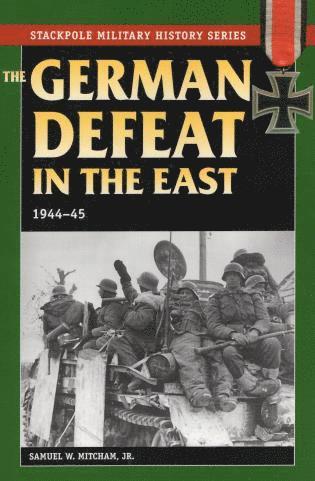
German Defeat in the East
1944-45
Häftad, 2007
300 kr
Lägg i varukorg
The last place a German soldier wanted to be in 1944 was the Eastern Front. That summer, Stalin hurled millions of men and thousands of tanks and planes against German forces across a broad front. In a series of massive, devastating battles, the Red Army decimated Hitler’s Army Group Center in …
Rommel'S Desert Commanders
The Men Who Served the Desert Fox, North Africa, 1941-42
Häftad, 2008
181 kr
Lägg i varukorg
In North Africa in 1941-42, German Field Marshal Erwin Rommel and his Afrika Korps won immortality while battling and usually defeating numerically superior enemies at places like Tobruk. Until now, historians have overlooked the talented--and colorful--cast of characters who supported the Desert …
Desert Fox in Normandy
Rommel's Defense of Fortress Europe
Häftad, 2001
250 kr
Lägg i varukorg
Appointed by Hitler to defend Nazi-held France against an imminent Allied invasion, Field Marshall Erwin Rommel saw how poor German defenses were when he arrived in Normandy in 1943. Rommel's growing awareness of the Allies' battle plans and his organization of the defense forces come into sharp …
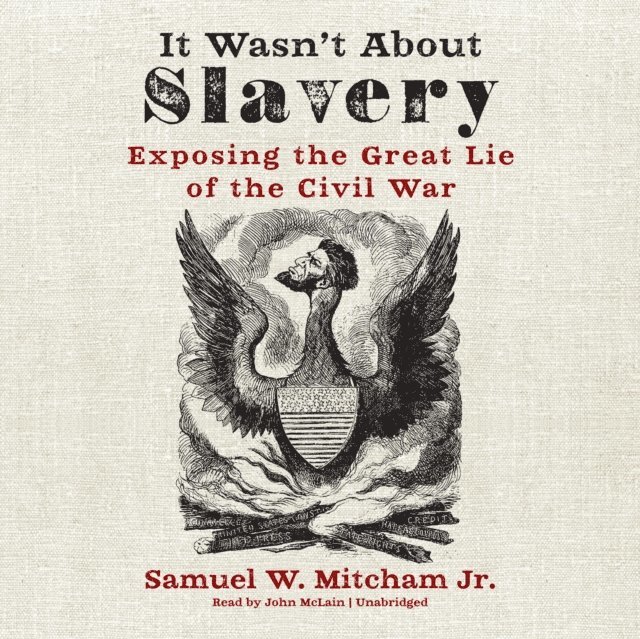
It Wasn't about Slavery
Exposing the Great Lie of the Civil War
Ljudbok, 2020
249 kr
Lägg i varukorg
Was the Civil War really about slavery? Or was it a war fought over money? Civil War historian Samuel W. Mitcham Jr. (Vicksburg, Bust Hell Wide Open) opens his fascinating new book, It Wasn’t About Slavery, with Dr. Grady McWhiney’s claim that “what passes as standard American history is really …
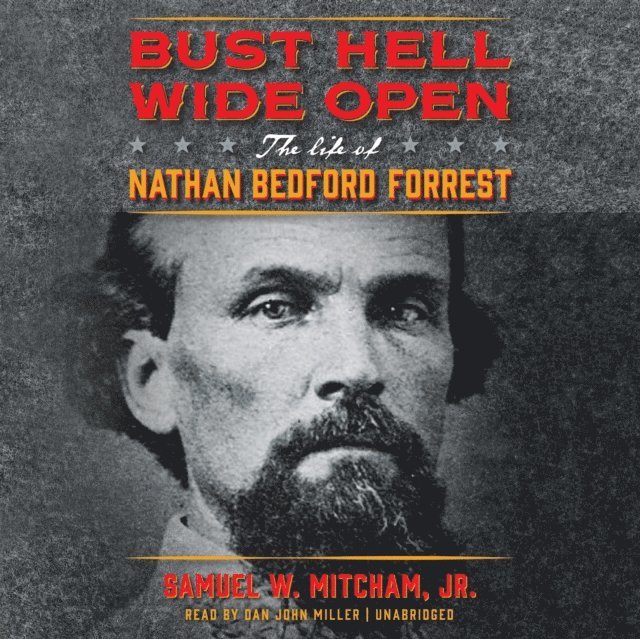
Bust Hell Wide Open
The Life of Nathan Bedford Forrest
Ljudbok, 2016
335 kr
Lägg i varukorg
An intimate biography of Nathan Bedford Forrest, arguably the most interesting figure to emerge from the Civil War—widely admired as a military genius At fourteen he became the head of his impoverished family, responsible for feeding eleven on the rough American frontier. By thirty-nine he had …
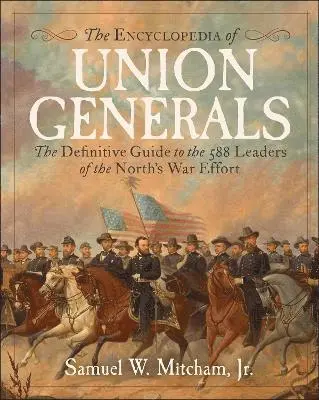
Encyclopedia of Union Generals
The Definitive Guide to the 588 Leaders of the North's War Effort
Inbunden, 2025
541 kr
Lägg i varukorg
A renowned military historian and frequent television commenter brings to life the generalship of the North during the Civil War in sparkling, information-filled vignettes. For both the Civil War completist and the general reader!Anyone acquainted with the American Civil War will readily recognize …
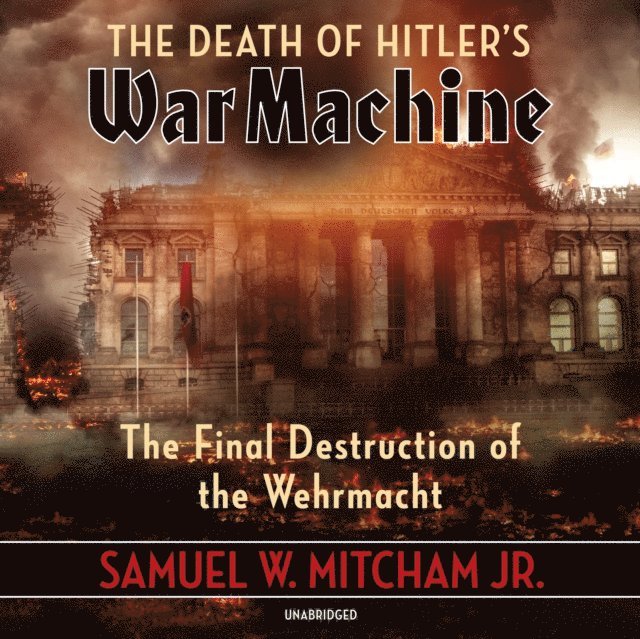
Death of Hitler's War Machine
The Final Destruction of the Wehrmacht
Häftad, 2026
160 kr
Lägg i varukorg
It was the endgame for Hitler's Reich.In the winter of 1944–45, Germany staked everything on its surprise campaign in the Ardennes, the “Battle of the Bulge.” But when American and Allied forces recovered from their initial shock, the German forces were left fighting for their very …
Rommel's Desert Commanders
The Men Who Served the Desert Fox, North Africa, 1941-1942
E-bok, 2007
593 kr
Lägg i varukorg
Perhaps the most famous and admired soldier to fight in World War II was Field Marshal Erwin Rommel, who achieved immortality as the Desert Fox. Rommel's first field command during the war was the 7th Panzer Division—also known as the Ghost Division—which he led in France in 1940. During this …
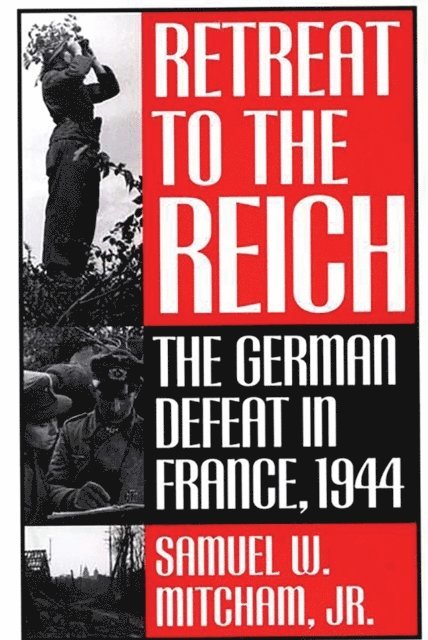
Retreat to the Reich
The German Defeat in France, 1944
E-bok, 2000
690 kr
Lägg i varukorg
The Allied landings in Normandy on June 6, 1944, marked the beginning of the German defeat in the West. Military historian Samuel W. Mitcham, Jr. vividly recaptures the desperation of the Wehrmacht as the thin gray line in Normandy finally snapped, the 5th Panzer and 7th Armies collapsed, and the …
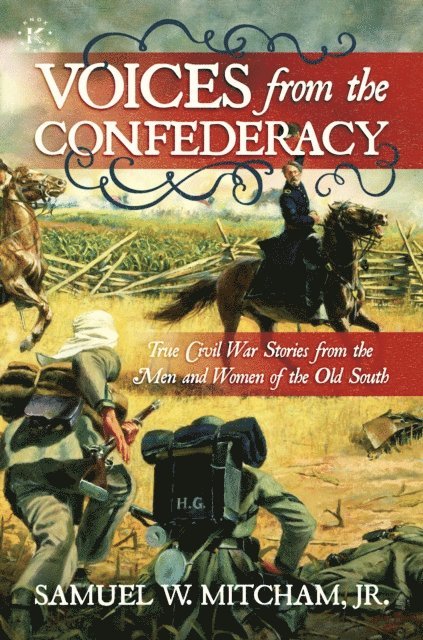
Voices from the Confederacy: True Civil War Stories from the Men and Women of the Old South
E-bok, 2022
123 kr
Lägg i varukorg
In it, you will read about the heroic, the scoundrels, the clever, the vanquished, and the hungry. Rich or poor, black or white, Voices from the Confederacy shares hundreds of poignant and revealing moments during the war between the states.From Voices from the Confederacy:Sara Pryor, the wife of …
Death of Hitler's War Machine
The Final Destruction of the Wehrmacht
Ljudbok, 2021
298 kr
Lägg i varukorg
The endgame for Hitler’s Reich Hitler’s army had dared all to win all on the Western Front with its surprise winter campaign in the Ardennes, the “Battle of the Bulge.” But when American and Allied forces recovered from their initial shock, the German Army, the Wehrmacht, was left fighting for its …
Panzer Legions
A Guide to the German Army Tank Divisions of World War II and Their Commanders
Häftad, 2007
232 kr
Tillfälligt slut
Drawing on years of research and covering all of the German Army’s panzer divisions from their creation through their destruction or surrender, Samuel Mitcham chronicles the combat histories of the tank units that formed the backbone of the Nazi war machine. He also details the careers of the …
Retreat to the Reich
The German Defeat in France, 1944
Häftad, 2007
218 kr
Tillfälligt slut
The Allied landings on D-Day, June 6, 1944, marked the beginning of the German defeat in the West in World War II. From the experiences of soldiers in the field to decision-making at high command, military historian Samuel Mitcham vividly recaptures the desperation of the Wehrmacht as it collapsed …
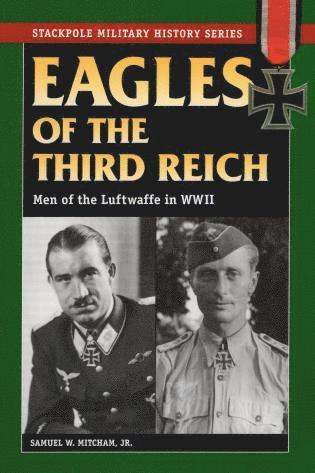
Eagles of the Third Reich
Men of the Luftwaffe in WWII
Häftad, 2007
232 kr
Tillfälligt slut
The Luftwaffe began World War II as a deadly efficient part of the German blitzkrieg in 1939-40, its Stuka dive bombers and Messerschmitt fighters unleashing terror across Europe. But its superiority would not last long. Fuel shortages, a numerically superior enemy, and--most critically, argues …
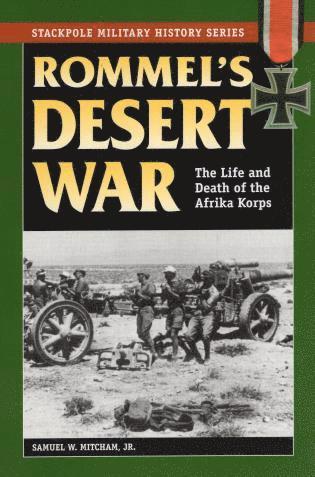
Rommel'S Desert War
The Life and Death of the Afrika Korps
Häftad, 2007
232 kr
Tillfälligt slut
In a series of battles marked by daring raids and quick armored thrusts, Erwin Rommel and his Afrika Korps waged one of World War II’s toughest campaigns in the North African desert in 1942. In June the Desert Fox recaptured Tobruk, a triumph that earned him a field marshal’s baton and seemed to …
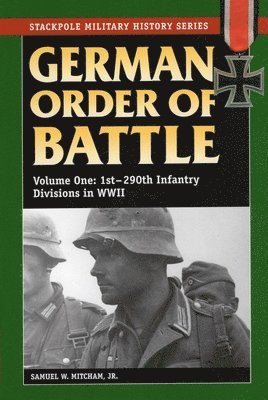
German Order of Battle
1st-290th Infantry Divisions in WWII
Häftad, 2007
228 kr
Tillfälligt slut
German Order of Battle is the definitive reference on the German Army in World War II, covering the organization, combat history, and commanders of each division. Volume One covers the 1st through 290th Infantry Divisions; Volume Two, the 291st through 999th Infantry Divisions, Named Infantry …