Sandra Evers – författare
Visar alla böcker från författaren Sandra Evers. Handla med fri frakt och snabb leverans.
3 produkter
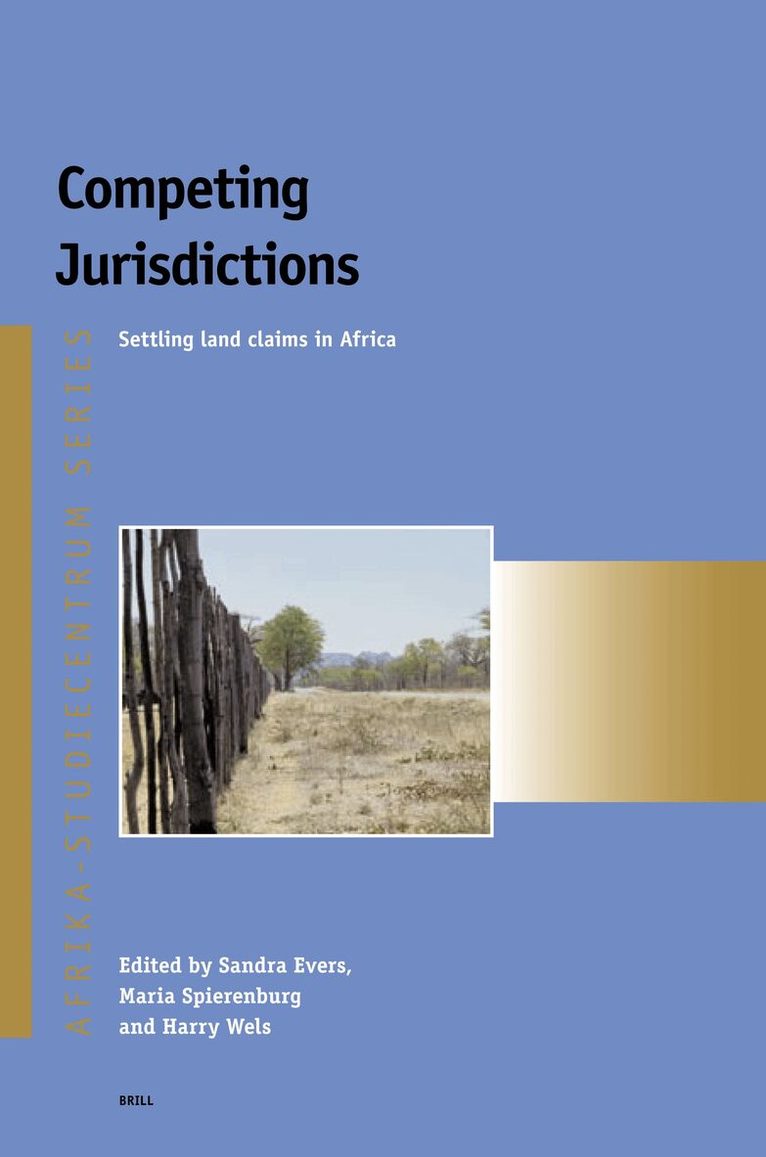
Competing Jurisdictions
Settling land claims in Africa
Av Sandra Evers, Marja Spierenburg m. fl.
Häftad, 2005
857 kr
Lägg i varukorg
This book is about the politicking and strife over land between various stakeholders on the African continent, including Madagascar. It is about attempts to control land tenure ‘from above’ and about local manoeuvring ‘from below’. The contributing authors analyse the intricate relations between …
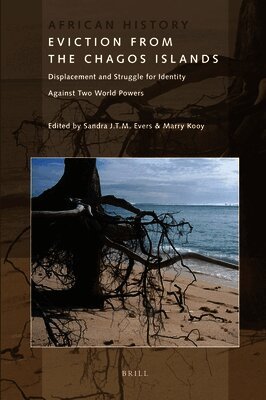
Eviction from the Chagos Islands
Displacement and Struggle for Identity Against Two World Powers
Häftad, 2011
1762 kr
Lägg i varukorg
This book examines the history and contemporary living conditions of Chagossians who were evicted from the Chagos archipelago in the Indian Ocean to make way for a strategic U.S. military base. Initially part of colonial Mauritius, Chagos was integrated into a new colony named the British Indian …
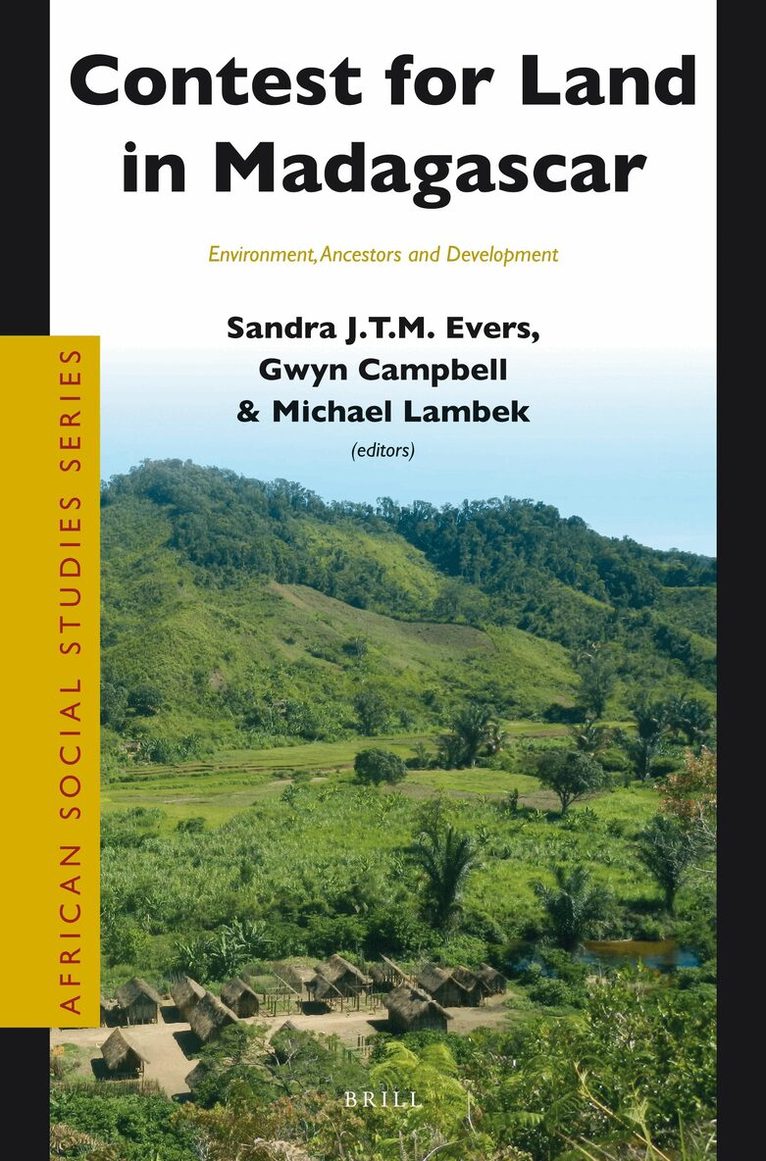
Contest for Land in Madagascar
Environment, Ancestors and Development
Av Sandra Evers, Gwyn Campbell m. fl.
Häftad, 2013
1279 kr
Lägg i varukorg
The Malagasy possess a profound religious, socio-political and economic attachment to land which connects individuals and kinship groups with the ancestors. International stakeholders value Madagascar for its biodiversity, minerals and agricultural potential, while the Malagasy state views land as …