Santiago Grisolia – författare
Visar alla böcker från författaren Santiago Grisolia. Handla med fri frakt och snabb leverans.
8 produkter
Cirrhosis, Hyperammonemia and Hepatic Encephalopathy
Proceedings of an International Summer Course Held in El Escorial, Spain, August 10-14, 1992
Av Grisolia, International Summer Course on Cirrhosis m. fl.
Inbunden, 1994
901 kr
Lägg i varukorg
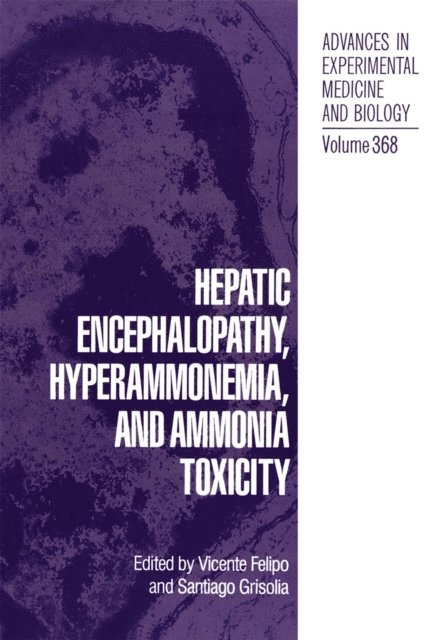
Hepatic Encephalopathy, Hyperammonemia and Ammonia Toxicity
Proceedings of an International Symposium Held in Valencia, Spain, January 24-27, 1994
Av Vicente Felipo, Vicente Felipo m. fl.
Inbunden, 1995
901 kr
Lägg i varukorg
Hepatic Encephalopathy, Hyperammonemia, and Ammonia Toxicity
Av Vicente Felipo, Santiago Grisolía
Häftad, 2012
566 kr
Lägg i varukorg
This volume contains the papers presented at the International Symposium on "Cirrhosis, Hyperammonemia and Hepatic Encephalopathy", held in Valencia, Spain, January 24th-27th, 1994. Liver cirrhosis and other hepatic dysfunctions such as fulminant hepatic failure and congenital defects of urea cycle …
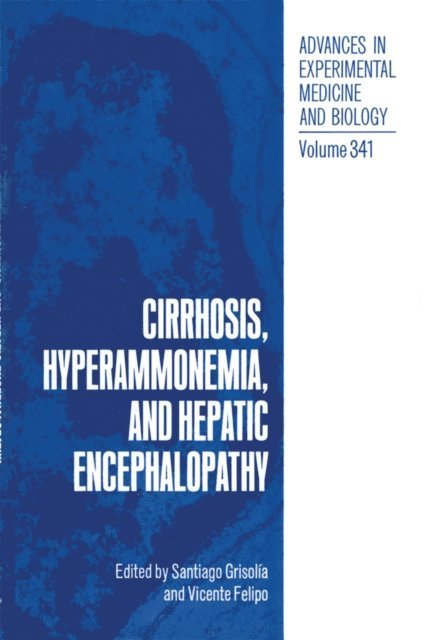
Cirrhosis, Hyperammonemia, and Hepatic Encephalopathy
Av Santiago Grisolía, Vicente Felipo
Häftad, 2012
566 kr
Lägg i varukorg
This volume contains the papers presented in the International Summer Course on "Cirrhosis, Hyperammonemia and Hepatic Encephalopathy," which was one of the prestigious Summer Course, of the Complutense University of Madrid held in EI Escorial, Spain, during August 10-14, 1992. Liver cirrhosis is …
Hepatic Encephalopathy, Hyperammonemia, and Ammonia Toxicity
Av Santiago Grisolia, Vicente Felipo
E-bok, 2012
755 kr
Lägg i varukorg
This volume contains the papers presented at the International Symposium on "Cirrhosis, Hyperammonemia and Hepatic Encephalopathy", held in Valencia, Spain, January 24th-27th, 1994. Liver cirrhosis and other hepatic dysfunctions such as fulminant hepatic failure and congenital defects of urea cycle …
Cirrhosis, Hyperammonemia, and Hepatic Encephalopathy
Av Vicente Felipo, Santiago Grisolia
E-bok, 2012
755 kr
Lägg i varukorg
This volume contains the papers presented in the International Summer Course on "Cirrhosis, Hyperammonemia and Hepatic Encephalopathy," which was one of the prestigious Summer Course, of the Complutense University of Madrid held in EI Escorial, Spain, during August 10-14, 1992. Liver cirrhosis is …
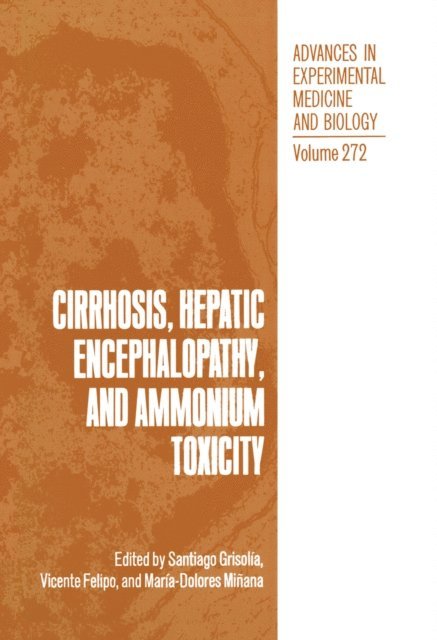
Cirrhosis, Hepatic Encephalopathy, and Ammonium Toxicity
Av Maria-Dolores Minana, Vicente Felipo m. fl.
E-bok, 2013
1455 kr
Lägg i varukorg
Cirrhosis, Hepatic Encephalopathy, and Ammonium Toxicity
Av Santiago Grisolía, Vicente Felipo m. fl.
Häftad, 2012
1126 kr
Lägg i varukorg
This volume contains the papers presented at the Inter- national Symposium on "Cirrhosis, Hepatic Encephalopathy and Ammonium Toxicity", held in Valencia, Spain, November 27-29, 1989. Hepatic cirrhosis as well as other liver failures usual- ly lead to hepatic encephalopathy which is an important …