Sara C. Zapico – författare
Visar alla böcker från författaren Sara C. Zapico. Handla med fri frakt och snabb leverans.
12 produkter
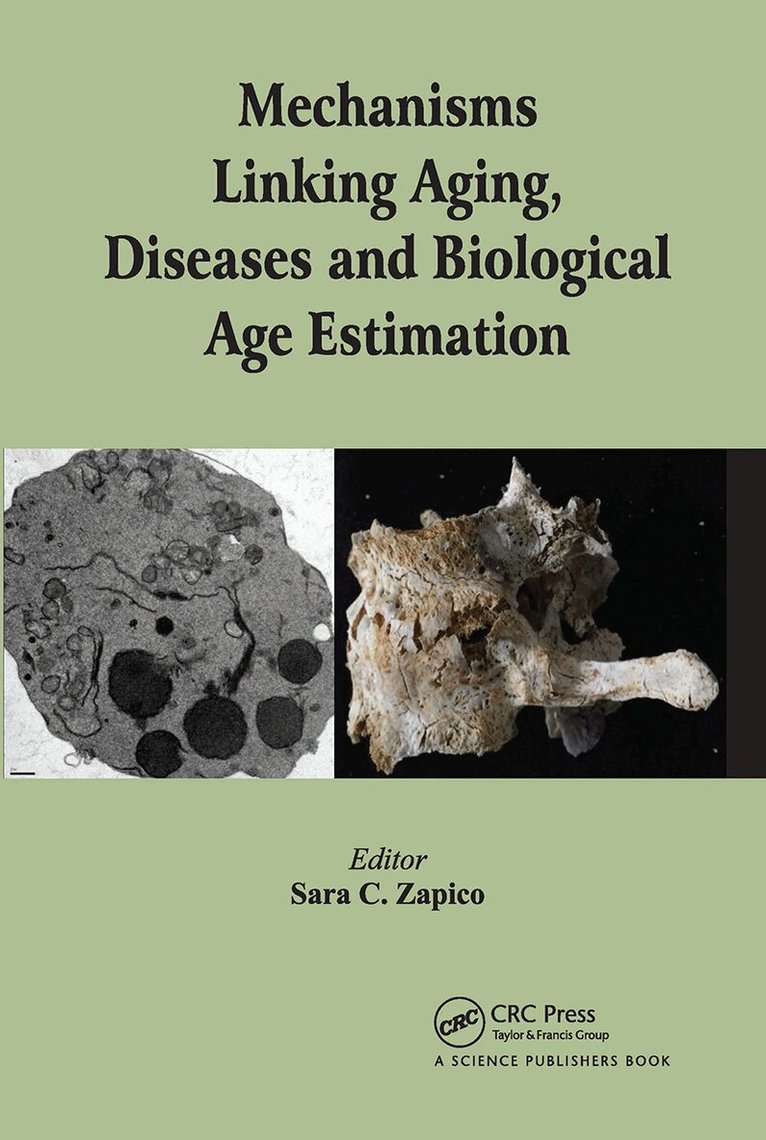
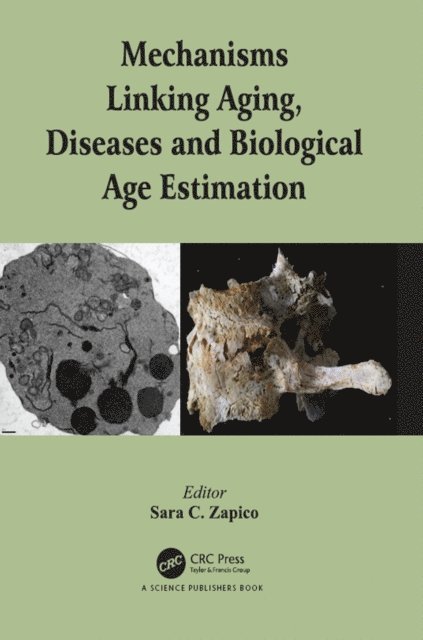
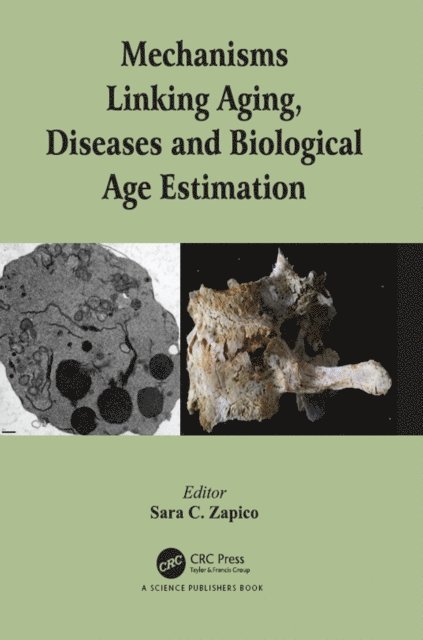
Mechanisms Linking Aging, Diseases and Biological Age Estimation
Häftad, 2021
814 kr
Lägg i varukorg
This book focuses on four of the hallmarks of aging: aspartic acid racemization, advanced glycation end products, telomere shortening and mitochondrial mutations; describing their role in aging and diseases; and their application to age-at-death estimation in forensic sciences in greater depth, …
Forensic Science and Humanitarian Action
Interacting with the Dead and the Living
Av Douglas H. Ubelaker, Sara C. Zapico m. fl.
E-bok, 2020
2982 kr
Lägg i varukorg
Widens traditional concepts of forensic science to include humanitarian, social, and cultural aspects Using the preservation of the dignity of the deceased as its foundation, Forensic Science and Humanitarian Action: Interacting with the Dead and the Living is a unique examination of the …
Forensic Science and Humanitarian Action
Interacting with the Dead and the Living
Av Douglas H. Ubelaker, Sara C. Zapico m. fl.
E-bok, 2020
3079 kr
Lägg i varukorg
Widens traditional concepts of forensic science to include humanitarian, social, and cultural aspects Using the preservation of the dignity of the deceased as its foundation, Forensic Science and Humanitarian Action: Interacting with the Dead and the Living is a unique examination of the …
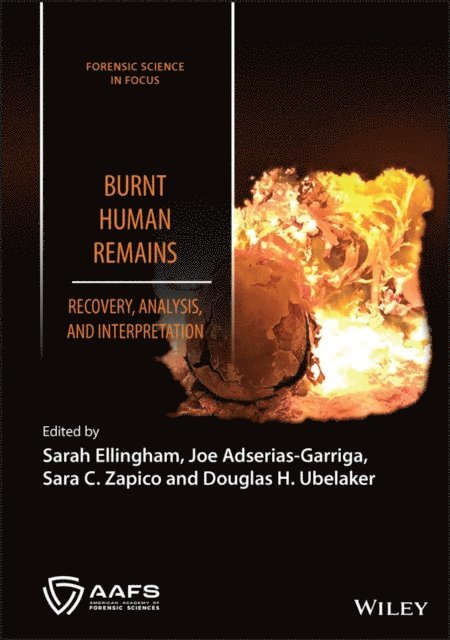
Burnt Human Remains
Recovery, Analysis, and Interpretation
Av Sarah Ellingham, Joe Adserias-Garriga m. fl.
Inbunden, 2023
2047 kr
Lägg i varukorg
BURNT HUMAN REMAINS An all-encompassing reference and guide designed for professionals involved in the forensic analysis of burnt remains Burnt Human Remains: Recovery, Analysis and Interpretation presents an in-depth multidisciplinary approach to the detection, recovery, analysis, and …
Burnt Human Remains
Recovery, Analysis, and Interpretation
Av Douglas H. Ubelaker, Sara C. Zapico m. fl.
E-bok, 2023
2263 kr
Lägg i varukorg
BURNT HUMAN REMAINS An all-encompassing reference and guide designed for professionals involved in the forensic analysis of burnt remains Burnt Human Remains: Recovery, Analysis and Interpretation presents an in-depth multidisciplinary approach to the detection, recovery, analysis, and …
Burnt Human Remains
Recovery, Analysis, and Interpretation
Av Douglas H. Ubelaker, Sara C. Zapico m. fl.
E-bok, 2023
2263 kr
Lägg i varukorg
BURNT HUMAN REMAINS An all-encompassing reference and guide designed for professionals involved in the forensic analysis of burnt remains Burnt Human Remains: Recovery, Analysis and Interpretation presents an in-depth multidisciplinary approach to the detection, recovery, analysis, and …
Mechanisms Linking Aging, Diseases and Biological Age Estimation
E-bok, 2017
963 kr
Lägg i varukorg
This book focuses on four of the hallmarks of aging: aspartic acid racemization, advanced glycation end products, telomere shortening and mitochondrial mutations; describing their role in aging and diseases; and their application to age-at-death estimation in forensic sciences in greater depth, …
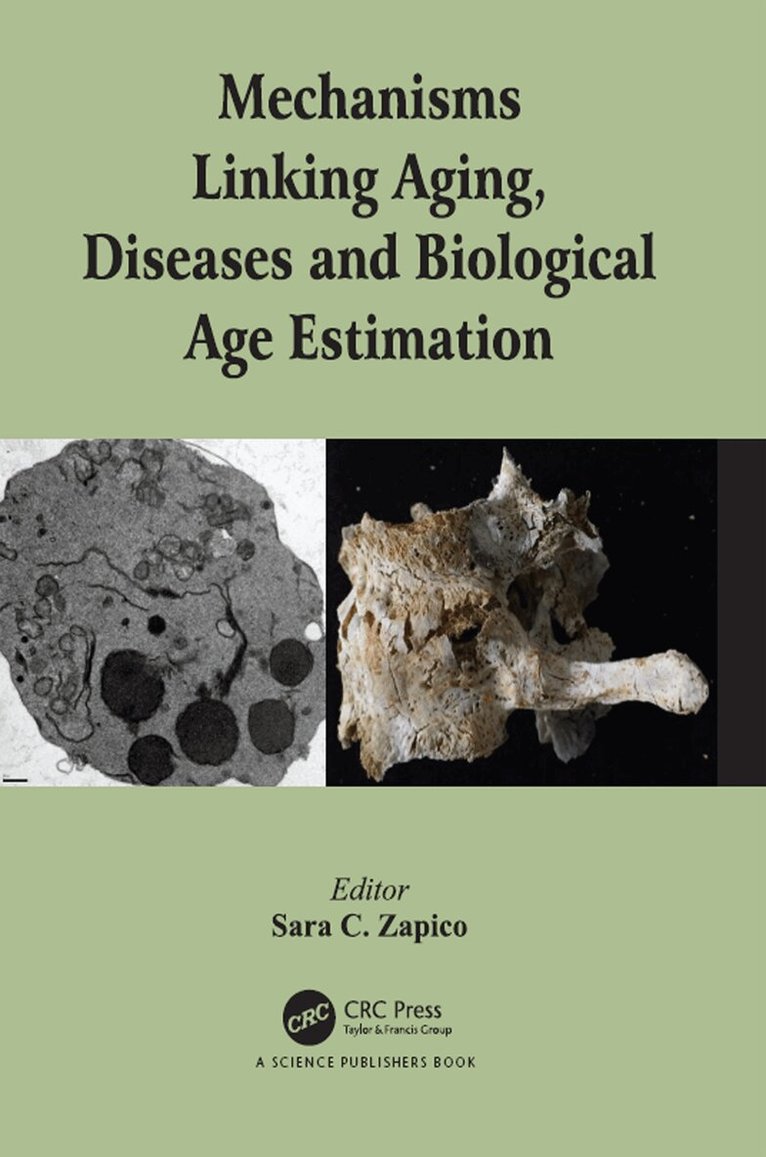
Mechanisms Linking Aging, Diseases and Biological Age Estimation
Inbunden, 2016
3102 kr
Lägg i varukorg
This book focuses on four of the hallmarks of aging: aspartic acid racemization, advanced glycation end products, telomere shortening and mitochondrial mutations; describing their role in aging and diseases; and their application to age-at-death estimation in forensic sciences in greater depth, …
Mechanisms Linking Aging, Diseases and Biological Age Estimation
E-bok, 2017
942 kr
Lägg i varukorg
This book focuses on four of the hallmarks of aging: aspartic acid racemization, advanced glycation end products, telomere shortening and mitochondrial mutations; describing their role in aging and diseases; and their application to age-at-death estimation in forensic sciences in greater depth, …
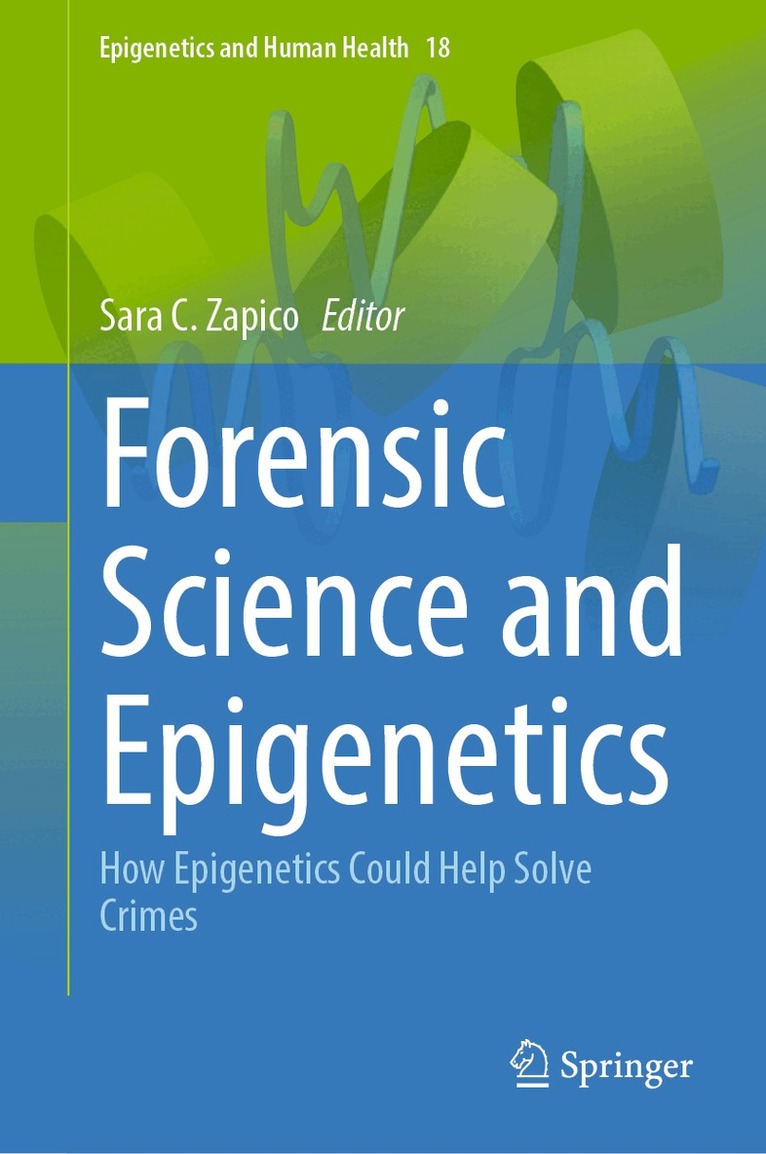
Forensic Science and Epigenetics
How Epigenetics Could Help Solve Crimes
Inbunden, 2026
2188 kr
Lägg i varukorg
Epigenetic variation has become an important complement to traditional forensic genetics, offering new ways to interpret biological traces and extract investigative information beyond sequence‑based DNA profiling. This volume brings together current approaches that apply DNA methylation and related …
Forensic Science and Epigenetics
How Epigenetics Could Help Solve Crimes
E-bok, 2026
2925 kr
Lägg i varukorg
Epigenetic variation has become an important complement to traditional forensic genetics, offering new ways to interpret biological traces and extract investigative information beyond sequence based DNA profiling. This volume brings together current approaches that apply DNA methylation and related …
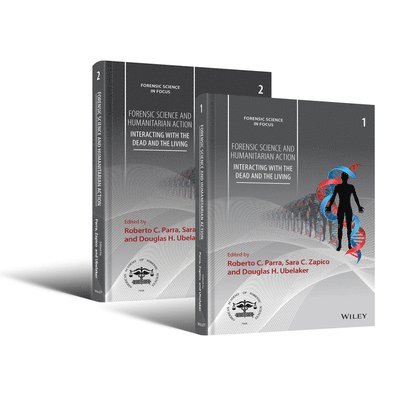
Forensic Science and Humanitarian Action, 2 Volume Set
Interacting with the Dead and the Living
Av Roberto C. Parra, Sara C. Zapico m. fl.
Inbunden, 2020
2643 kr
Tillfälligt slut
Widens traditional concepts of forensic science to include humanitarian, social, and cultural aspectsUsing the preservation of the dignity of the deceased as its foundation, Forensic Science and Humanitarian Action: Interacting with the Dead and the Living is a unique examination of the …