Sara M. Koenig - Böcker
Visar alla böcker från författaren Sara M. Koenig. Handla med fri frakt och snabb leverans.
6 produkter
6 produkter
363 kr
Skickas inom 5-8 vardagar
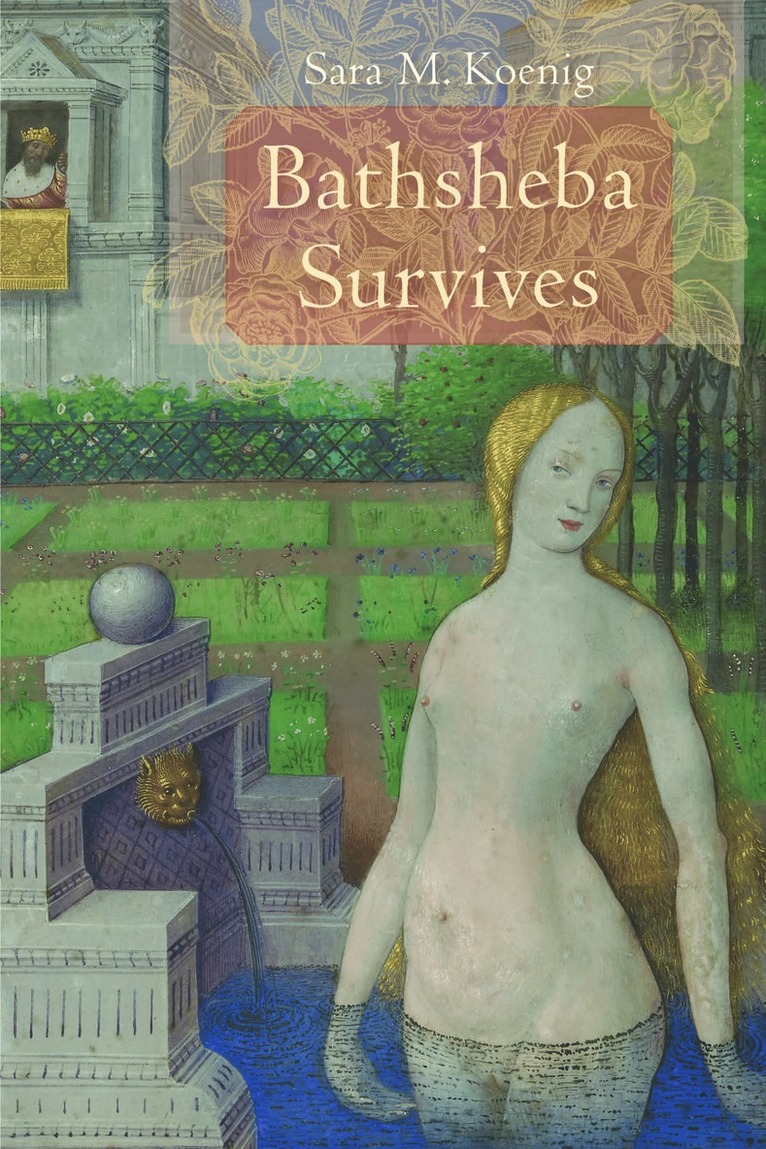
A portrait of a biblical woman seen through the centuries as everything from adviser to temptress to victimBathsheba is a mysterious and enigmatic figure who appears in only seventy-six verses of the Bible and whose story is riddled with gaps. But this seemingly minor female character, who plays a critical role in King David's story, has survived through the ages, and her "afterlife" in the history of interpretation is rich and extensive. In Bathsheba Survives, Sara M. Koenig traces Bathsheba's reception throughout history and in various genres, demonstrating how she has been characterized on the spectrum from helpless victim to unscrupulous seductress.Early Jewish interpretations, Koenig argues, highlight Bathsheba's role as Solomon's mother and adviser, while texts from the patristic era view her as a type: of sinful flesh, of the law, or of the gentile church. Works from the medieval period depict Bathsheba as a seductress who wants to tempt David, with art embellishing her nudity, while reformers such as Luther and Calvin treated Bathsheba in a generally critical light as indiscreet and perhaps even devious. During the Enlightenment period, Koenig claims, Bathsheba was most frequently discussed in commentaries that used historical critical methods to explain her character and her actions.Koenig then demonstrates how Bathsheba is understood in today's popular media as both seductress and victim, being featured in novels, films, and in music from such artists as Leonard Cohen and Sting. The minor, enigmatic biblical character Bathsheba, Koenig writes, has survived through time by those who have received her and spoken about her in varying ways. Though she disappears from the biblical text, she resurfaces in thought and study and will continue to survive in the centuries to come.
386 kr
Skickas inom 3-6 vardagar
434 kr
Skickas inom 5-8 vardagar
520 kr
Skickas inom 7-10 vardagar
Robert Wall began his teaching career at Seattle Pacific University in 1978. Now, forty years later and in celebration of his seventieth birthday, colleagues and former students have gathered to produce this volume in honor of their friend and teacher. The results are sure to delight all of those who have studied under or been friends of Professor Wall.The essays are grouped under two general themes: theology and methodology (with an emphasis on Wesleyan biblical hermeneutics, canonical perspectives, and the implications of these approaches for church life and work) and biblical texts/themes, especially with a view to the relationship of the study of Scripture to the life of the Christian. In both of these areas, the contributions bear in mind Wall’s conviction that academic study and spiritual life need not—in fact, should not—be kept apart.The contributors to this volume include Frank Anthony Spina, Andrew Knapp, Shannon Nicole Smythe, Daniel Castelo, Anthony B. Robinson, Eugene E. Lemcio, Sara M. Koenig, Jack Levison, Laura C. S. Holmes, John Painter, and Stephen E. Fowl.
271 kr
Skickas inom 5-8 vardagar
635 kr
Skickas inom 10-15 vardagar
A portrait of a biblical woman seen through the centuries as everything from adviser to temptress to victim.Bathsheba is a mysterious and enigmatic figure who appears in only seventy-six verses of the Bible and whose story is riddled with gaps. But this seemingly minor female character, who plays a critical role in King David’s story, has survived through the ages, and her “afterlife” in the history of interpretation is rich and extensive. In Bathsheba Survives, Sara M. Koenig traces Bathsheba’s reception throughout history and in various genres, demonstrating how she has been characterized on the spectrum from helpless victim to unscrupulous seductress.Early Jewish interpretations, Koenig argues, highlight Bathsheba’s role as Solomon’s mother and adviser, while texts from the patristic era view her as a type: of sinful flesh, of the law, or of the gentile church. Works from the medieval period depict Bathsheba as a seductress who wants to tempt David, with art embellishing her nudity, while reformers such as Luther and Calvin treated Bathsheba in a generally critical light as indiscreet and perhaps even devious. During the Enlightenment period, Koenig claims, Bathsheba was most frequently discussed in commentaries that used historical critical methods to explain her character and her actions.Koenig then demonstrates how Bathsheba is understood in today’s popular media as both seductress and victim, being featured in novels, films, and in music from such artists as Leonard Cohen and Sting. The minor, enigmatic biblical character Bathsheba, Koenig writes, has survived through time by those who have received her and spoken about her in varying ways. Though she disappears from the biblical text, she resurfaces in thought and study and will continue to survive in the centuries to come.