Sara Scalenghe – författare
Visar alla böcker från författaren Sara Scalenghe. Handla med fri frakt och snabb leverans.
4 produkter
Disability History in the Modern Middle East
Av Beverly Tsacoyianis, Sara Scalenghe
Inbunden, 2027
1234 kr
Kommande
This volume presents a comparative, cross-disciplinary approach to disability history in Middle Eastern communities, focusing on case studies from the nineteenth and twentieth centuries.Chapters span a number of country case studies including Syria, Lebanon, Turkey, Egypt, Palestine and Iran, and …
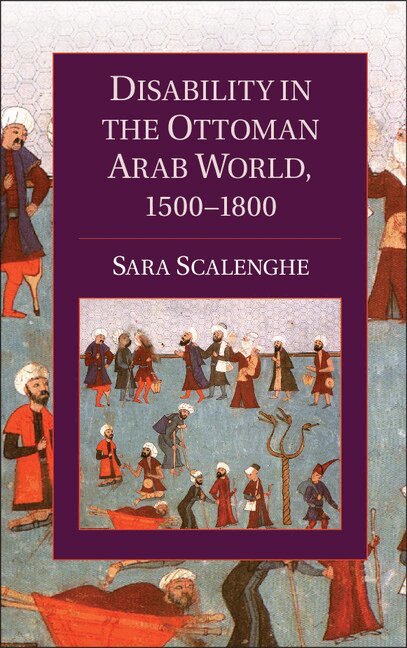
Disability in the Ottoman Arab World, 1500-1800
Inbunden, 2014
1641 kr
Lägg i varukorg
Physical, sensory, and mental impairments can influence an individual's status in society as much as the more familiar categories of gender, class, religion, race, and ethnicity. This was especially true of the early modern Arab Ottoman world, where being judged able or disabled impacted every …
Disability in the Ottoman Arab World, 1500-1800
Häftad, 2016
574 kr
Lägg i varukorg
Physical, sensory, and mental impairments can influence an individual's status in society as much as the more familiar categories of gender, class, religion, race, and ethnicity. This was especially true of the early modern Arab Ottoman world, where being judged able or disabled impacted every …
Histories of disability and emotions
Reclaiming pain, agency, and intersectionality
Av Ninon Dubourg, Sara Scalenghe m. fl.
Inbunden, 2026
1329 kr
Kommande
This volume shows how emotions have not merely accompanied disability but fundamentally shaped its history. From early modern pain narratives to twentieth-century activism, its chapters reveal how feelings like joy, fear, anger and pride have defined the lived experience of disability and …