Sarah Banet-Weiser – författare
Visar alla böcker från författaren Sarah Banet-Weiser. Handla med fri frakt och snabb leverans.
20 produkter
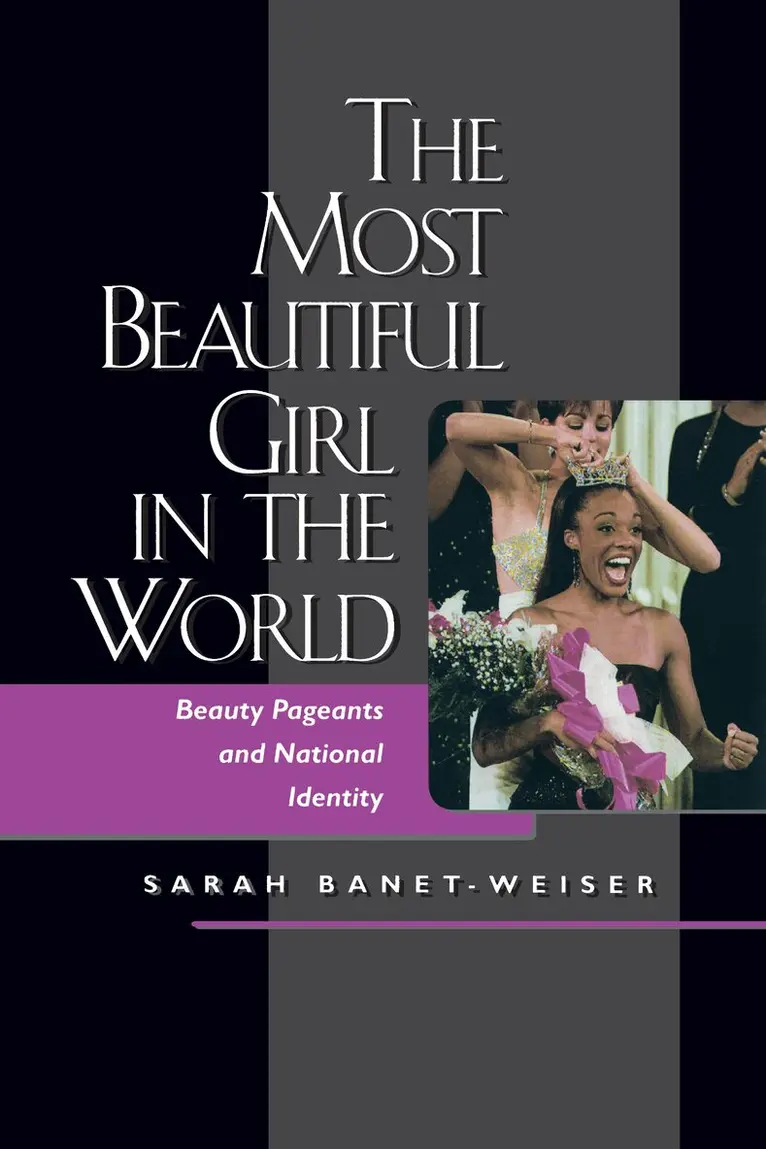
Most Beautiful Girl in the World
Beauty Pageants and National Identity
Häftad, 1999
253 kr
Lägg i varukorg
Sarah Banet-Weiser complicates the standard feminist take on beauty pageants in this intriguing look at a hotly contested but enduringly popular American ritual. She focuses on the Miss America pageant in particular, considering its claim to be an accurate representation of the diversity of …
Most Beautiful Girl in the World
Beauty Pageants and National Identity
E-bok, 1999
424 kr
Lägg i varukorg
Sarah Banet-Weiser complicates the standard feminist take on beauty pageants in this intriguing look at a hotly contested but enduringly popular American ritual. She focuses on the Miss America pageant in particular, considering its claim to be an accurate representation of the diversity of …
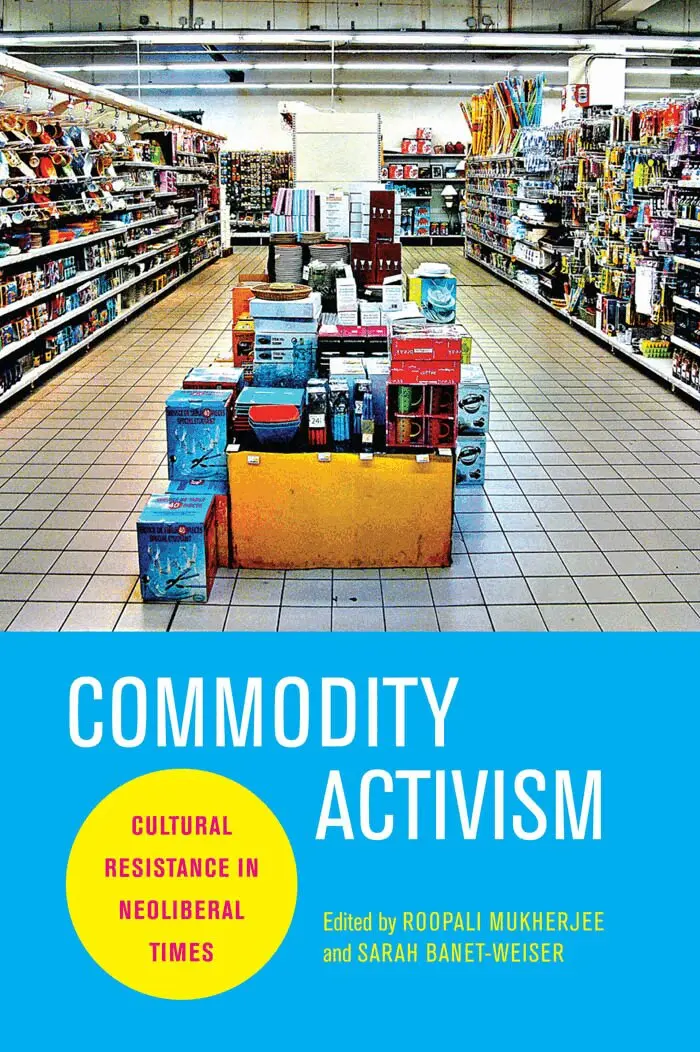
Commodity Activism
Cultural Resistance in Neoliberal Times
Av Roopali Mukherjee, Sarah Banet-Weiser
Inbunden, 2012
967 kr
Lägg i varukorg
Buying (RED) products—from Gap T-shirts to Apple—to fight AIDS. Drinking a "Caring Cup" of coffee at the Coffee Bean & Tea Leaf to support fair trade. Driving a Toyota Prius to fight global warming. All these commonplace activities point to a central feature of contemporary culture: the most common …
Commodity Activism
Cultural Resistance in Neoliberal Times
Av Roopali Mukherjee, Sarah Banet-Weiser
Häftad, 2012
5,0 utav 5 stjärnor. Totalt antal röster: (1)
426 kr
Lägg i varukorg
Buying (RED) products—from Gap T-shirts to Apple—to fight AIDS. Drinking a "Caring Cup" of coffee at the Coffee Bean & Tea Leaf to support fair trade. Driving a Toyota Prius to fight global warming. All these commonplace activities point to a central feature of contemporary culture: the most common …
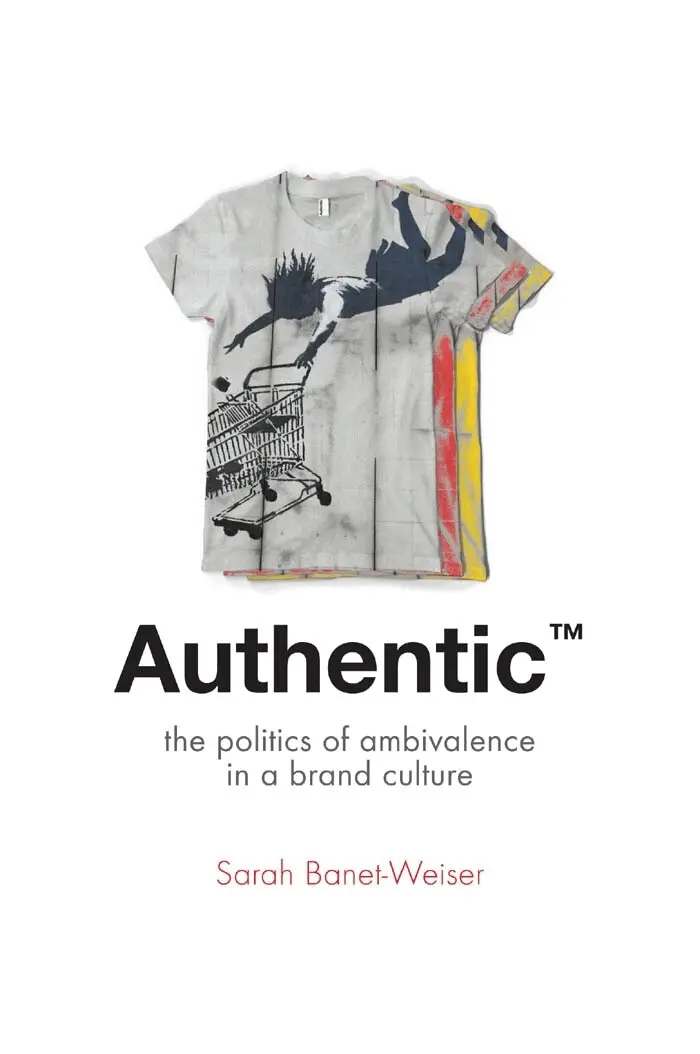
Authentic™
The Politics of Ambivalence in a Brand Culture
Inbunden, 2012
1221 kr
Lägg i varukorg
A stimulating, smart book on what it means to live in a brand cultureBrands are everywhere. Branding is central to political campaigns and political protest movements; the alchemy of social media and self-branding creates overnight celebrities; the self-proclaimed "greening" of institutions and …
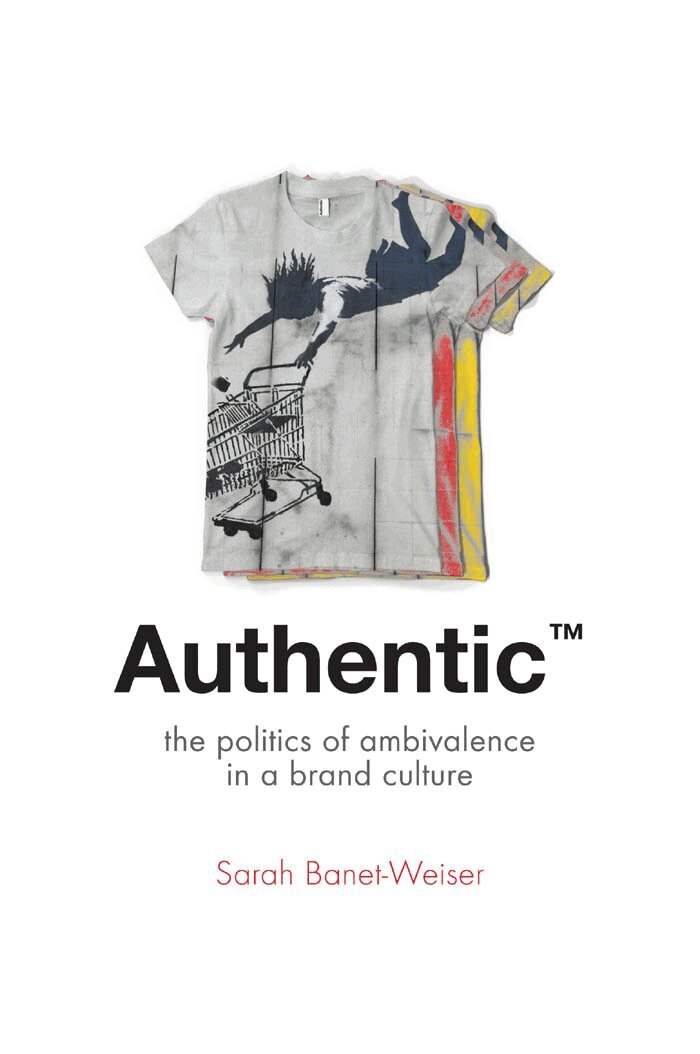
Authentic™
The Politics of Ambivalence in a Brand Culture
Häftad, 2012
378 kr
Lägg i varukorg
A stimulating, smart book on what it means to live in a brand cultureBrands are everywhere. Branding is central to political campaigns and political protest movements; the alchemy of social media and self-branding creates overnight celebrities; the self-proclaimed "greening" of institutions and …
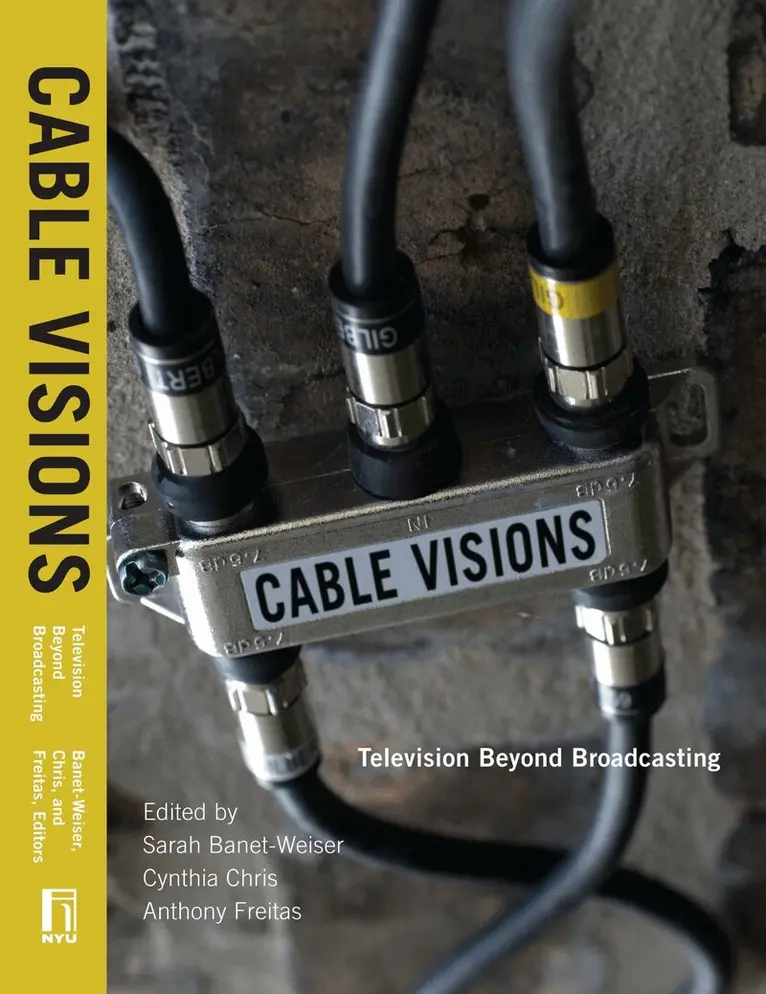
Cable Visions
Television Beyond Broadcasting
Av Sarah Banet-Weiser, Cynthia Chris m. fl.
Inbunden, 2007
967 kr
Lägg i varukorg
Cable television, on the brink of a boom in the 1970s, promised audiences a new media frontier-an expansive new variety of entertainment and information choices. Music video, 24–hour news, 24-hour weather, movie channels, children's channels, home shopping, and channels targeting groups based on …
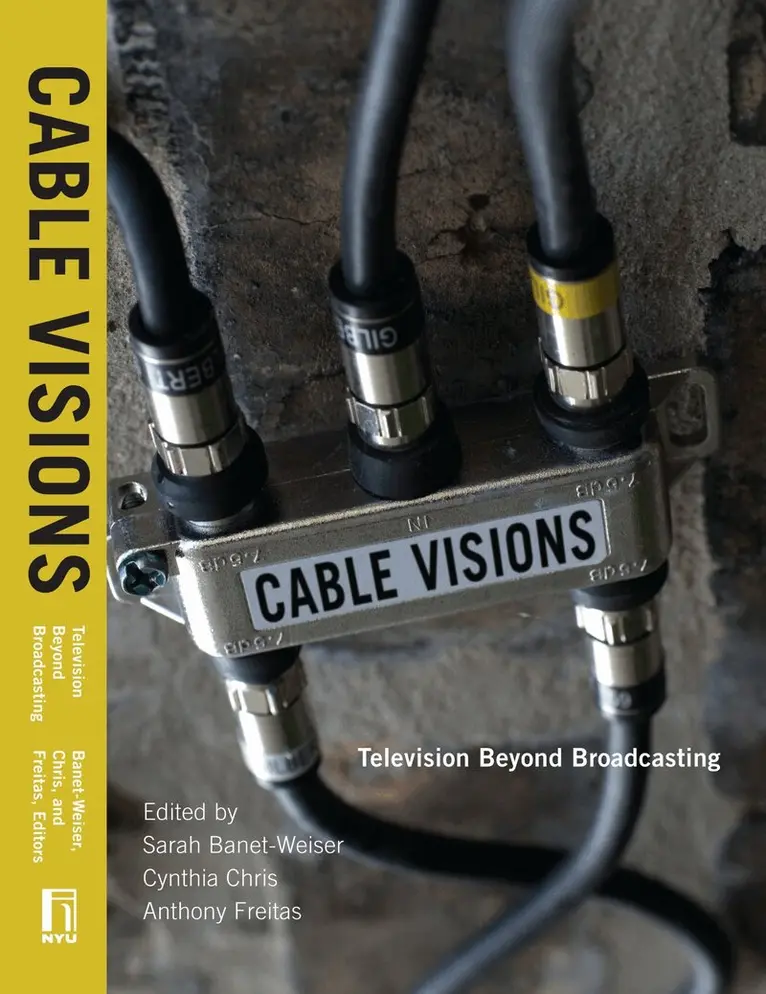
Cable Visions
Television Beyond Broadcasting
Av Sarah Banet-Weiser, Cynthia Chris m. fl.
Häftad, 2007
426 kr
Lägg i varukorg
Cable television, on the brink of a boom in the 1970s, promised audiences a new media frontier-an expansive new variety of entertainment and information choices. Music video, 24–hour news, 24-hour weather, movie channels, children's channels, home shopping, and channels targeting groups based on …
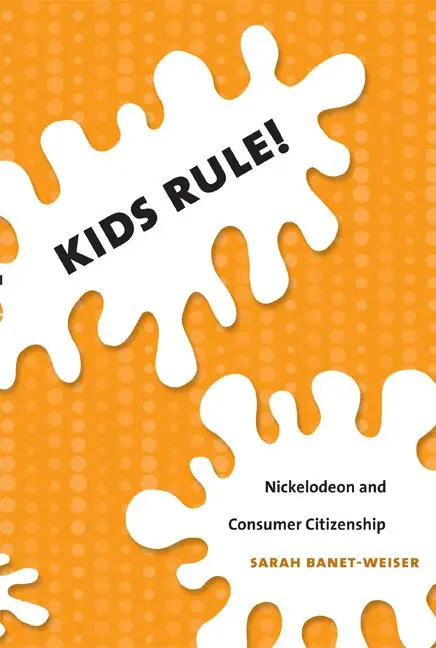
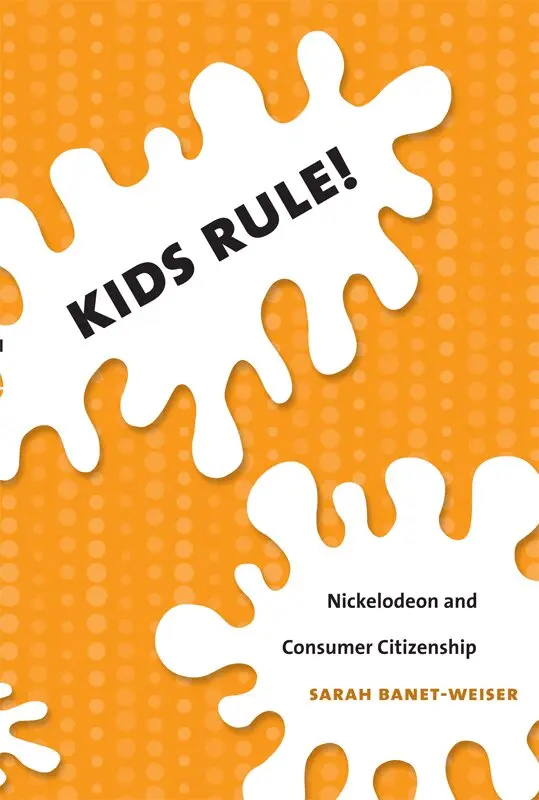
Kids Rule!
Nickelodeon and Consumer Citizenship
Häftad, 2007
408 kr
Lägg i varukorg
In Kids Rule! Sarah Banet-Weiser examines the cable network Nickelodeon in order to rethink the relationship between children, media, citizenship, and consumerism. Nickelodeon is arguably the most commercially successful cable network ever. Broadcasting original programs such as Dora the Explorer, …
Kids Rule!
Nickelodeon and Consumer Citizenship
E-bok, 2007
570 kr
Lägg i varukorg
In Kids Rule! Sarah Banet-Weiser examines the cable network Nickelodeon in order to rethink the relationship between children, media, citizenship, and consumerism. Nickelodeon is arguably the most commercially successful cable network ever. Broadcasting original programs such as Dora the Explorer , …
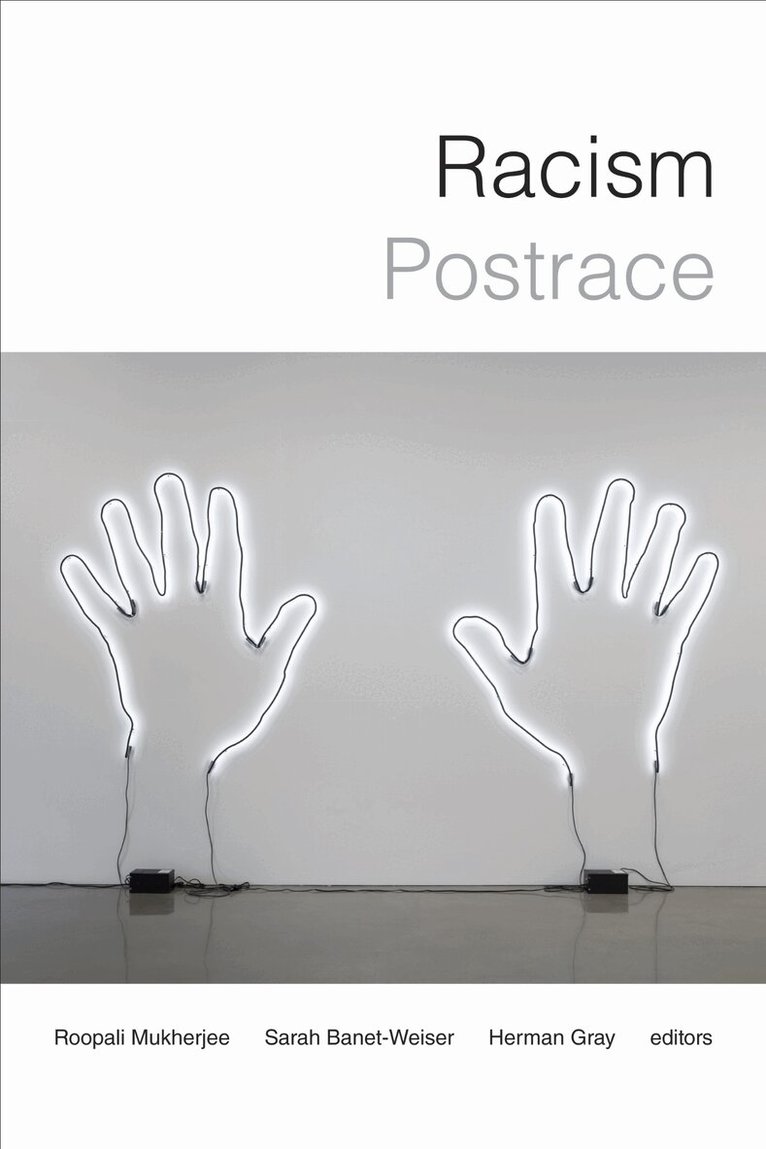
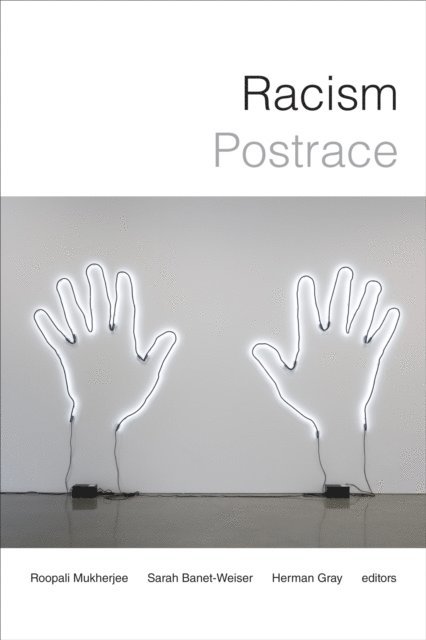
Racism Postrace
Av Roopali Mukherjee, Sarah Banet-Weiser m. fl.
Inbunden, 2019
1794 kr
Lägg i varukorg
With the election of Barack Obama, the idea that American society had become postracial-that is, race was no longer a main factor in influencing and structuring people's lives-took hold in public consciousness, increasingly accepted by many. The contributors to Racism Postrace examine the concept …
Empowered
Popular Feminism and Popular Misogyny
Inbunden, 2018
1152 kr
Lägg i varukorg
In Empowered Sarah Banet-Weiser examines the deeply entwined relationship between popular feminism and popular misogyny as it plays out in advertising, online and multimedia platforms, and nonprofit and commercial campaigns. Examining feminist discourses that emphasize self-confidence, body …
Racism Postrace
Av Roopali Mukherjee, Sarah Banet-Weiser m. fl.
Häftad, 2019
440 kr
Lägg i varukorg
With the election of Barack Obama, the idea that American society had become postracial-that is, race was no longer a main factor in influencing and structuring people's lives-took hold in public consciousness, increasingly accepted by many. The contributors to Racism Postrace examine the concept …
Empowered
Popular Feminism and Popular Misogyny
E-bok, 2018
427 kr
Lägg i varukorg
In Empowered Sarah Banet-Weiser examines the deeply entwined relationship between popular feminism and popular misogyny as it plays out in advertising, online and multimedia platforms, and nonprofit and commercial campaigns. Examining feminist discourses that emphasize self-confidence, body …
Empowered
Popular Feminism and Popular Misogyny
Häftad, 2018
286 kr
Lägg i varukorg
In Empowered Sarah Banet-Weiser examines the deeply entwined relationship between popular feminism and popular misogyny as it plays out in advertising, online and multimedia platforms, and nonprofit and commercial campaigns. Examining feminist discourses that emphasize self-confidence, body …
Racism Postrace
Av Herman Gray, Sarah Banet-Weiser m. fl.
E-bok, 2019
637 kr
Lägg i varukorg
With the election of Barack Obama, the idea that American society had become postracial—that is, race was no longer a main factor in influencing and structuring people''s lives—took hold in public consciousness, increasingly accepted by many. The contributors to Racism Postrace examine the concept …
Believability
Sexual Violence, Media, and the Politics of Doubt
Av Sarah Banet-Weiser, Kathryn Claire Higgins
Inbunden, 2023
742 kr
Lägg i varukorg
The #MeToo movement created more opportunities for women to speak up about sexual assault. But we are also living in a time when “fake news” and “alternative facts” call into question the very nature of truth.This troubling paradox is at the heart of this compelling book. The convergence of #MeToo …
Believability
Sexual Violence, Media, and the Politics of Doubt
Av Sarah Banet-Weiser, Kathryn Claire Higgins
Häftad, 2023
230 kr
Lägg i varukorg
The #MeToo movement created more opportunities for women to speak up about sexual assault. But we are also living in a time when “fake news” and “alternative facts” call into question the very nature of truth.This troubling paradox is at the heart of this compelling book. The convergence of #MeToo …
Believability
Sexual Violence, Media, and the Politics of Doubt
Av Kathryn Claire Higgins, Sarah Banet-Weiser
E-bok, 2023
261 kr
Lägg i varukorg
The #MeToo movement created more opportunities for women to speak up about sexual assault. But we are also living in a time when “fake news” and “alternative facts” call into question the very nature of truth. This troubling paradox is at the heart of this compelling book. The convergence of #MeToo …
Kids Rule!
Nickelodeon and Consumer Citizenship
Inbunden, 2007
1668 kr
Tillfälligt slut
In Kids Rule! Sarah Banet-Weiser examines the cable network Nickelodeon in order to rethink the relationship between children, media, citizenship, and consumerism. Nickelodeon is arguably the most commercially successful cable network ever. Broadcasting original programs such as Dora the Explorer, …