Sarah-Grace Heller - Böcker
Visar alla böcker från författaren Sarah-Grace Heller. Handla med fri frakt och snabb leverans.
4 produkter
4 produkter
1 287 kr
Skickas inom 7-10 vardagar
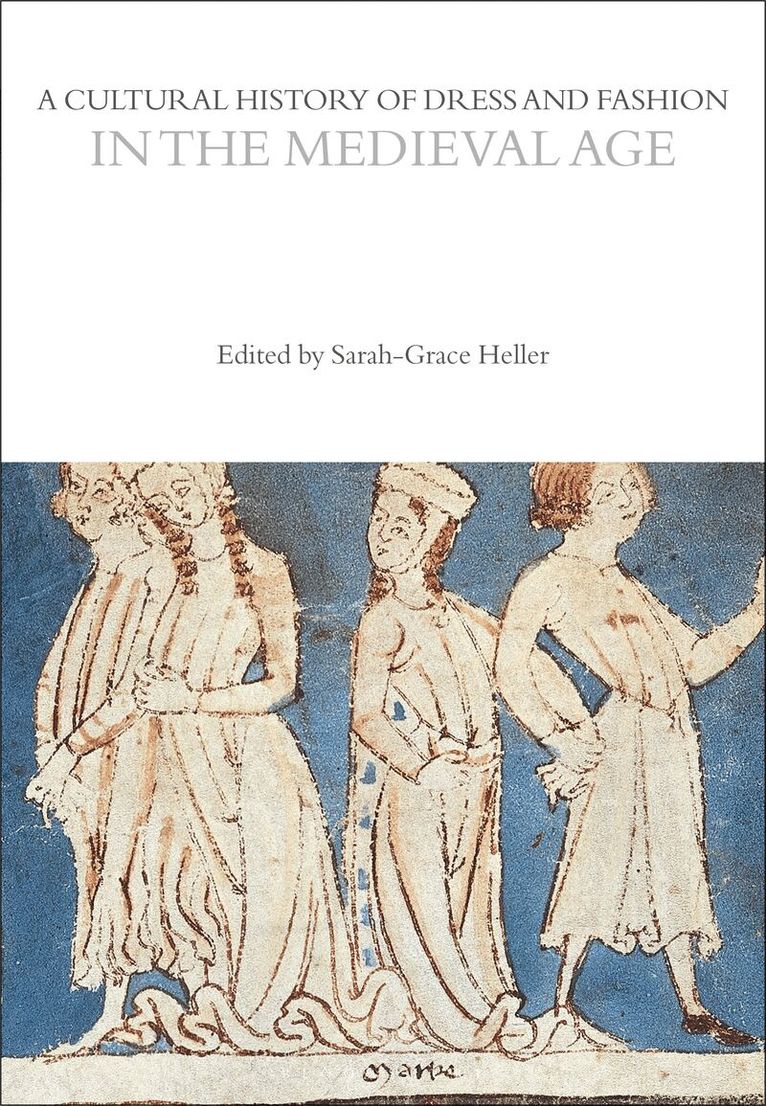
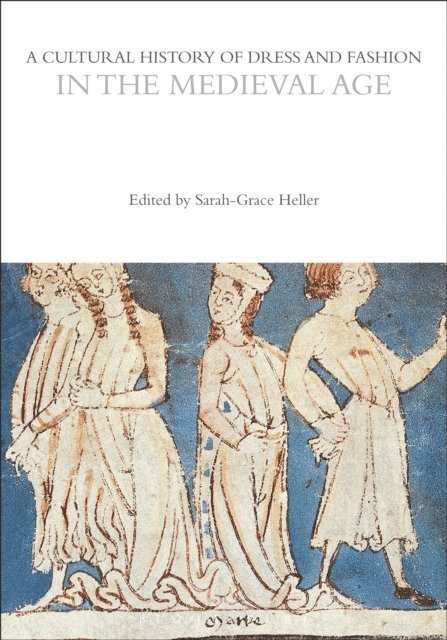
During the medieval period, people invested heavily in looking good. The finest fashions demanded careful chemistry and compounds imported from great distances and at considerable risk to merchants; the Church became a major consumer of both the richest and humblest varieties of cloth, shoes, and adornment; and vernacular poets began to embroider their stories with hundreds of verses describing a plethora of dress styles, fabrics, and shopping experiences.Drawing on a wealth of pictorial, textual and object sources, the volume examines how dress cultures developed – often to a degree of dazzling sophistication – between the years 800 to 1450.Beautifully illustrated with 100 images, A Cultural History of Dress and Fashion in the Medieval Age presents an overview of the period with essays on textiles, production and distribution, the body, belief, gender and sexuality, status, ethnicity, visual representations, and literary representations.
383 kr
Skickas
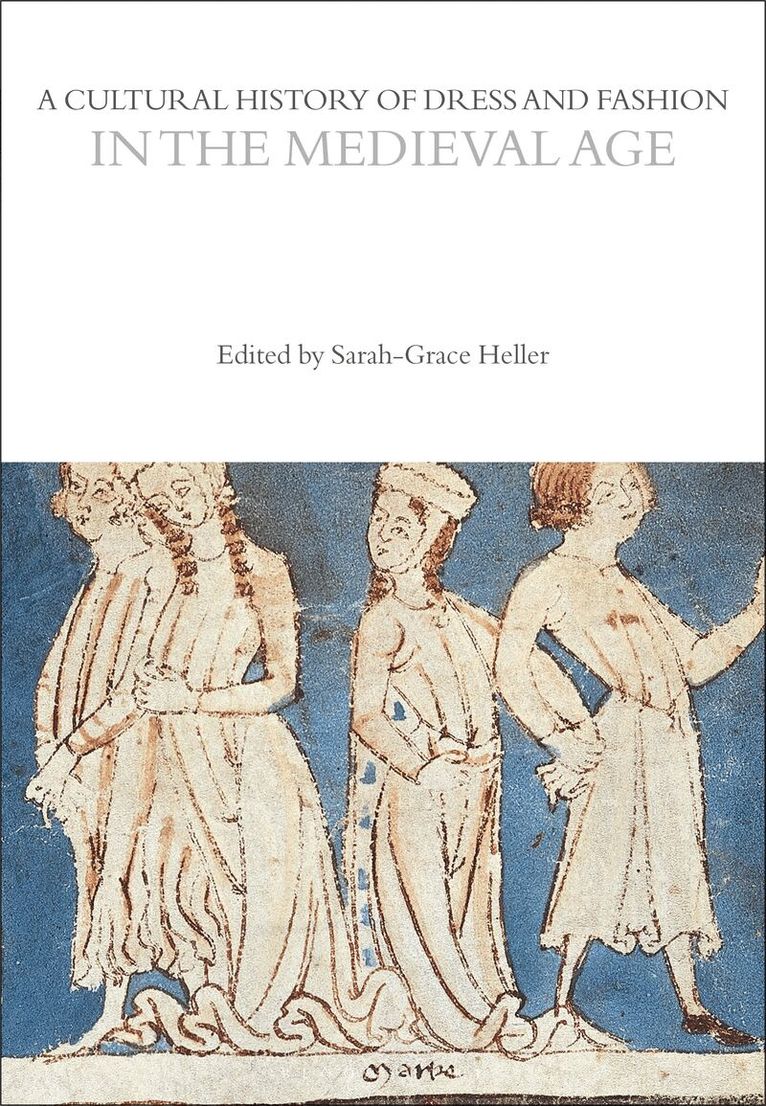
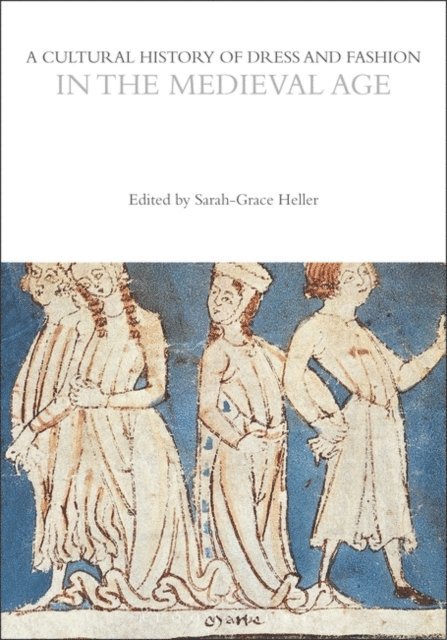
During the medieval period, people invested heavily in looking good. The finest fashions demanded careful chemistry and compounds imported from great distances and at considerable risk to merchants; the Church became a major consumer of both the richest and humblest varieties of cloth, shoes, and adornment; and vernacular poets began to embroider their stories with hundreds of verses describing a plethora of dress styles, fabrics, and shopping experiences.Drawing on a wealth of pictorial, textual and object sources, the volume examines how dress cultures developed – often to a degree of dazzling sophistication – between the years 800 to 1450.Beautifully illustrated with 90 images, A Cultural History of Dress and Fashion in the Medieval Age presents an overview of the period with essays on textiles, production and distribution, the body, belief, gender and sexuality, status, ethnicity, visual representations, and literary representations.
1 048 kr
Skickas inom 10-15 vardagar
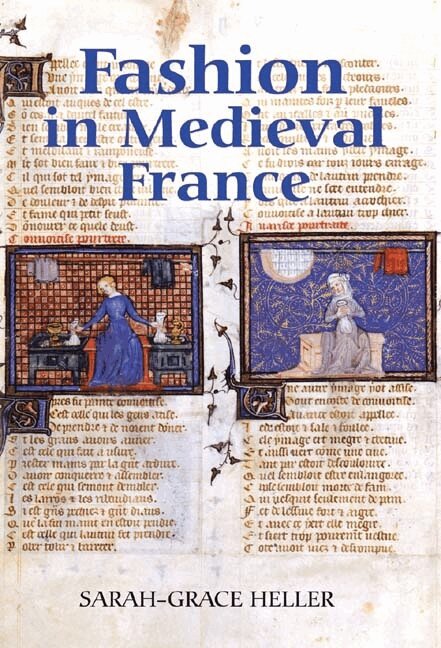
Twelfth- and thirteenth-century medieval French texts reveal the presence of a developed fashion system long before the previously accepted birth of Western fashion in the mid-fourteenth century.How are we to distinguish between a culture organized around fashion, and one where the desire for novel adornment is latent, intermittent, or prohibited? How do fashion systems organize social hierarchies, individual psychology,creativity, and production? Medieval French culture offers a case study of "systematic fashion", demonstrating desire for novelty, rejection of the old in favor of the new, and criticism of outrageous display. Texts from the twelfth and thirteenth centuries describe how cleverly-cut garments or unique possessions make a character distinctive, and even offer advice on how to look attractive on a budget or gain enough spending money to shop for oneself. Suchdescriptions suggest fashion's presence, yet accepted notions date the birth of Western fashion to the mid-fourteenth-century revolution in men's clothing styles. A fashion system must have been present prior to this 'revolution'in styles to facilitate such changes, and abundant evidence for the existence of such a system is cogently set out in this study. Ultimately, fashion is a conceptual system expressed by words evaluating a style's ephemeral worth,and changes in visual details are symptomatic, rather than determinative.SARAH-GRACE HELLER is an associate professor in Medieval French at Ohio State University.
Del 52 - Gallica
Troubadour Texts and Contexts
Essays in Honor of Wendy Pfeffer
Inbunden, Engelska, 2024
1 327 kr
Skickas inom 7-10 vardagar
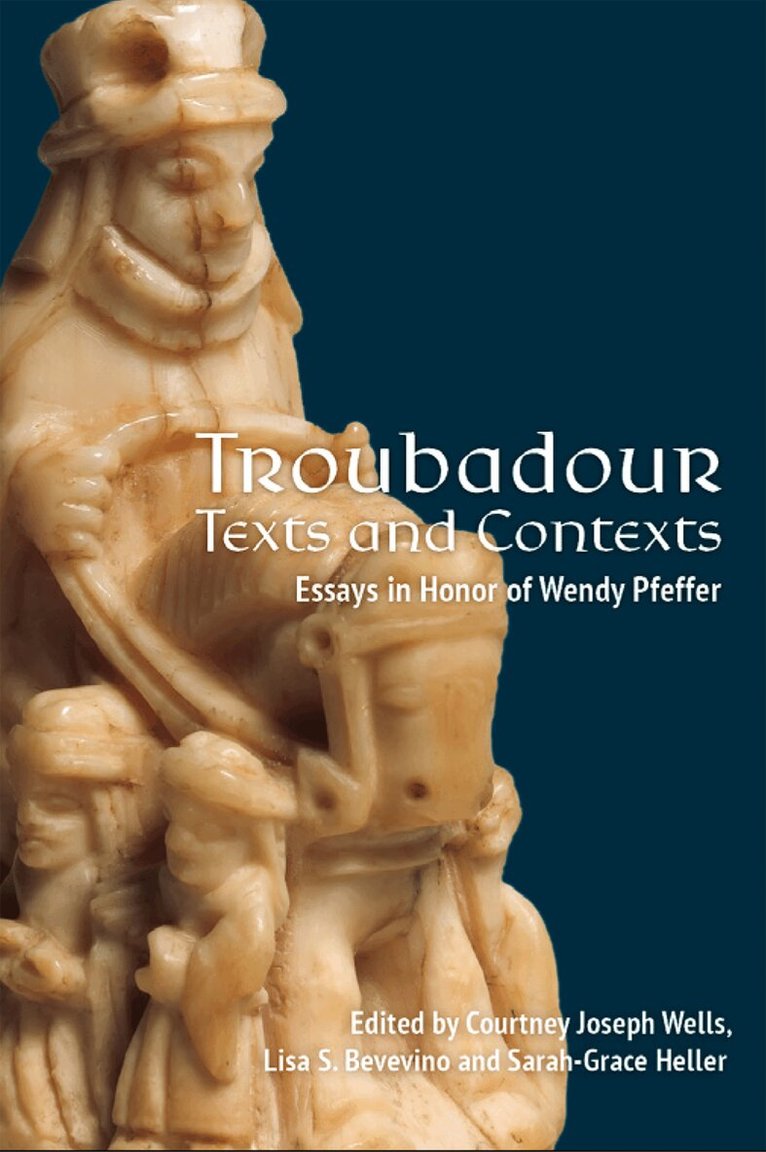
New interpretations of different aspects of troubadour texts and lyrics, from their main themes and motifs to their reception and influence.Nearly a millennium after their songs of love, politics, war, satire, and redemption began to fill the courts of Europe, the troubadours continue to fascinate modern audiences. However, many aspects of their work, such as the supposedly adulterous nature of fin'amor, the "Frenchness" of the troubadours, the biographical veracity of the vidas, and the inherent misogyny of the troubadour lyric, have long been taken for granted. This volume takes a fresh look at these ideas, questioning many of the formative assumptions of troubadour scholarship, and proposing alternative readings of many canonical texts.Essays offer a reconsideration of the reception of works by such important figures as Guilhem IX, Jaufre Rudel, Peire Vidal, Pistoleta, Guilhem Adhemar, Giraut de Borneil, Perdigon, Fulk of Marseilles, and Arnaut Daniel. There are also examinations of the lexicon and cultural uses of chess, azure and tin, and the changing landscape of the Rhone delta, providing a deeper understanding of the imagery they furnished. Other essays consider the later life of the manuscripts, including the surprising story of how Napoleon demanded certain Occitan manuscripts after his conquest of Italy. The collection as a whole is thus a fitting tribute to the pioneering work of Wendy Pfeffer, who has made such a contribution to the field of troubadour studies.