Sarah L.R. Mason – författare
Visar alla böcker från författaren Sarah L.R. Mason. Handla med fri frakt och snabb leverans.
4 produkter
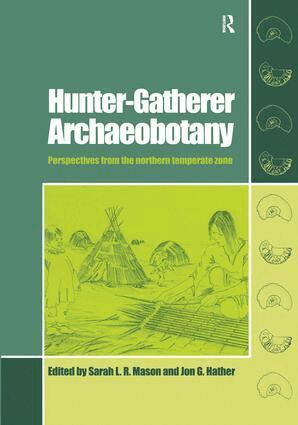
Hunter-Gatherer Archaeobotany
Perspectives from the Northern Temperate Zone
Av Sarah L.R. Mason, Jon G Hather
Häftad, 2009
1412 kr
Lägg i varukorg
Hunter-Gatherer Archaeobotany shows how archaeobotanical investigations can broaden our understanding of the much wider range of plants that have been of use to people in the recent and more distant past. The book compromises sixteen papers covering aspects of the archaeobotany of wild plants …
Hunter-Gatherer Archaeobotany
Perspectives from the Northern Temperate Zone
Inbunden, 2017
3147 kr
Lägg i varukorg
Hunter-Gatherer Archaeobotany shows how archaeobotanical investigations can broaden our understanding of the much wider range of plants that have been of use to people in the recent and more distant past. The book compromises sixteen papers covering aspects of the archaeobotany of wild plants …
Hunter-Gatherer Archaeobotany
Perspectives from the Northern Temperate Zone
E-bok, 2016
1676 kr
Lägg i varukorg
Hunter-Gatherer Archaeobotany shows how archaeobotanical investigations can broaden our understanding of the much wider range of plants that have been of use to people in the recent and more distant past. The book compromises sixteen papers covering aspects of the archaeobotany of wild plants …
Hunter-Gatherer Archaeobotany
Perspectives from the Northern Temperate Zone
E-bok, 2016
1676 kr
Lägg i varukorg
Hunter-Gatherer Archaeobotany shows how archaeobotanical investigations can broaden our understanding of the much wider range of plants that have been of use to people in the recent and more distant past. The book compromises sixteen papers covering aspects of the archaeobotany of wild plants …