Sarah Woolfolk Wiggins – författare
Visar alla böcker från författaren Sarah Woolfolk Wiggins. Handla med fri frakt och snabb leverans.
7 produkter
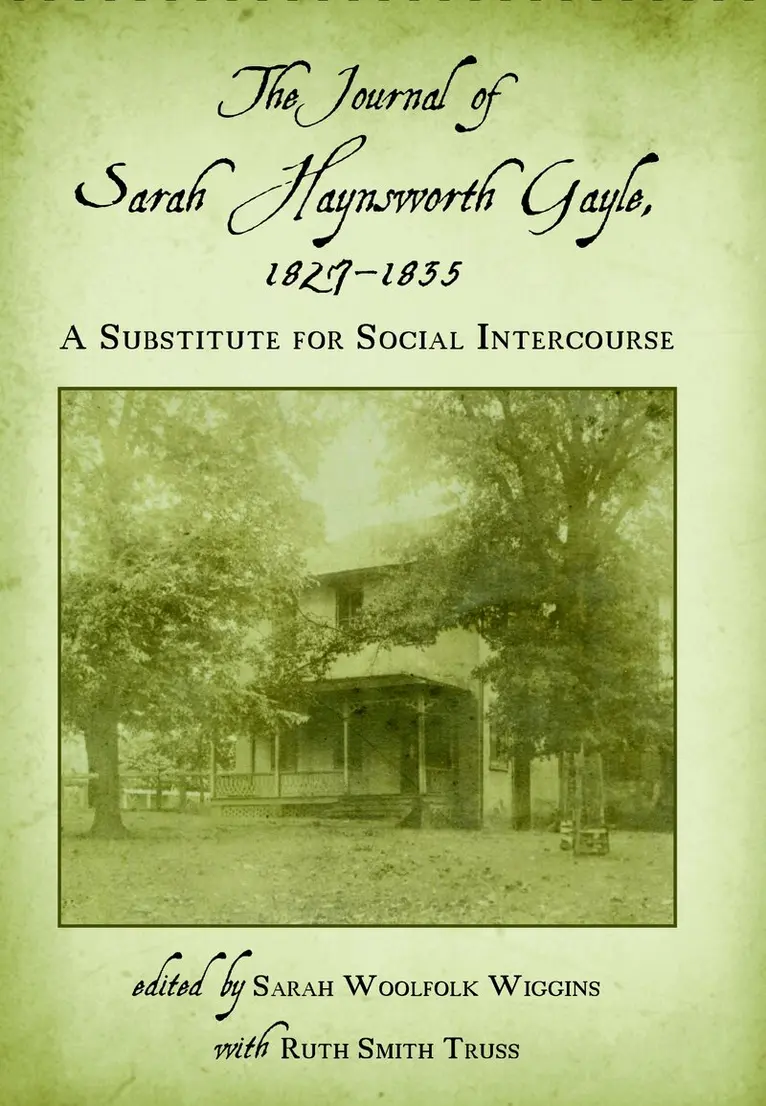
Journal of Sarah Haynsworth Gayle, 1827-1835
A Substitute for Social Intercourse
Av Sarah Haynsworth Gayle, Sarah Woolfolk Wiggins m. fl.
Häftad, 2023
350 kr
Lägg i varukorg
Astonishing, tragic, and remarkable, the journal of Sarah Haynsworth Gayle, wife of early Alabama governor John Gayle, is among the most widely studied and seminal accounts of antebellum life in the American South. This is the first complete edition of the journal in print.Bereft of the …
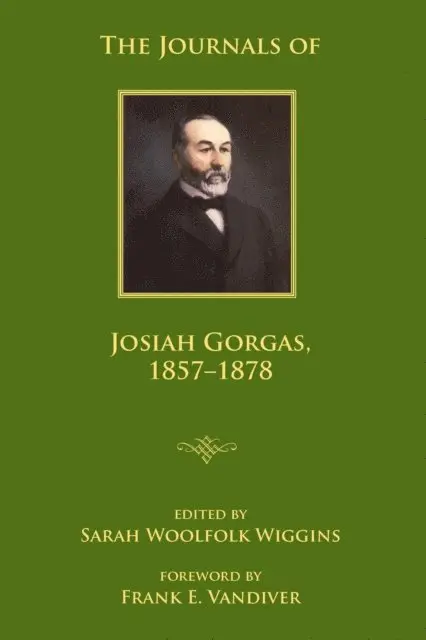
Journals of Josiah Gorgas, 1857-1878
Av Josiah Gorgas, Sarah Woolfolk Wiggins
E-bok, 1995
858 kr
Lägg i varukorg
Josiah Gorgas was best known as the highly regarded Chief of Confederate Ordnance. Born in 1818, he attended West Point, served in the U.S. Army, and later, after marrying Amelia Gayle, daughter of a former Alabama governor, joined the Confederacy. After the Civil War he served as president of The …
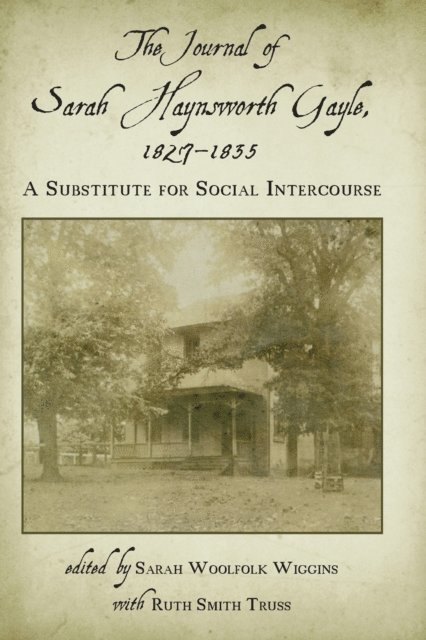
Journal of Sarah Haynsworth Gayle, 1827-1835
A Substitute for Social Intercourse
Av Sarah Haynsworth Gayle, Ruth Smith Truss m. fl.
E-bok, 2013
585 kr
Lägg i varukorg
Astonishing, tragic, and remarkable, the journal of Sarah Haynsworth Gayle, wife of early Alabama governor John Gayle, is among the most widely studied and seminal accounts of antebellum life in the American South. This is the first complete edition of the journal in print. Bereft of the …
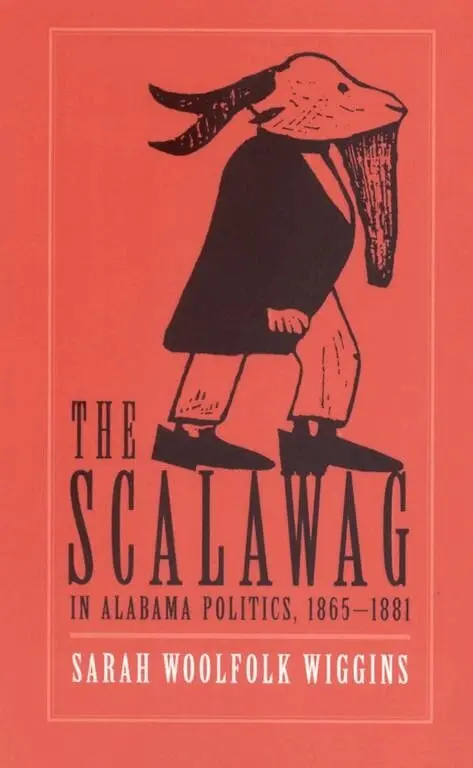
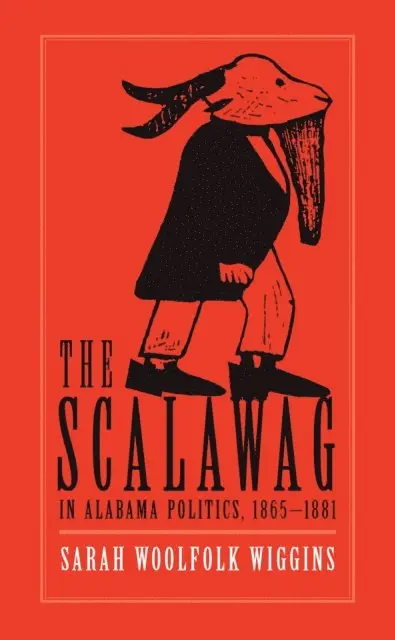
Scalawag In Alabama Politics, 1865-1881
E-bok, 2015
568 kr
Lägg i varukorg
Who was this scalawag? Simply a native, white, Alabama Republican! Scorned by his fellow white Southerners, he suffered, in his desire for socioeconomic reform and political power, more than mere verbal abuse and social ostracism; he lived constantly under the threat of physical violence. When …
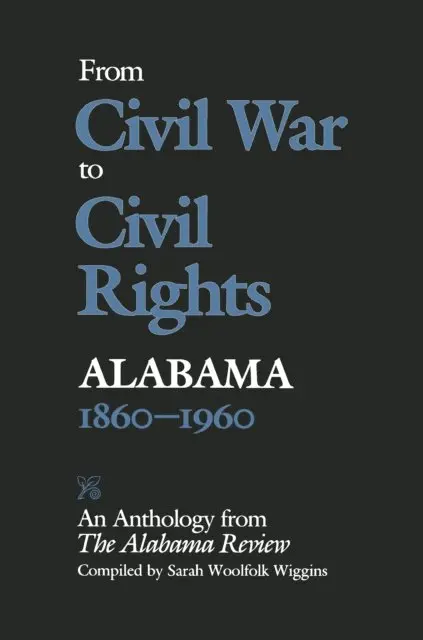
From Civil War to Civil Rights, Alabama 1860-1960
An Anthology from The Alabama Review
E-bok, 2015
780 kr
Lägg i varukorg
To understand Alabama history one must appreciate the impact of the failure of secession of the state in the subsequent half century as well as the causes for the success of the Civil Rights Movement in the state in the mid-twentieth century. The prophet of the first revolution was William Lowndes …
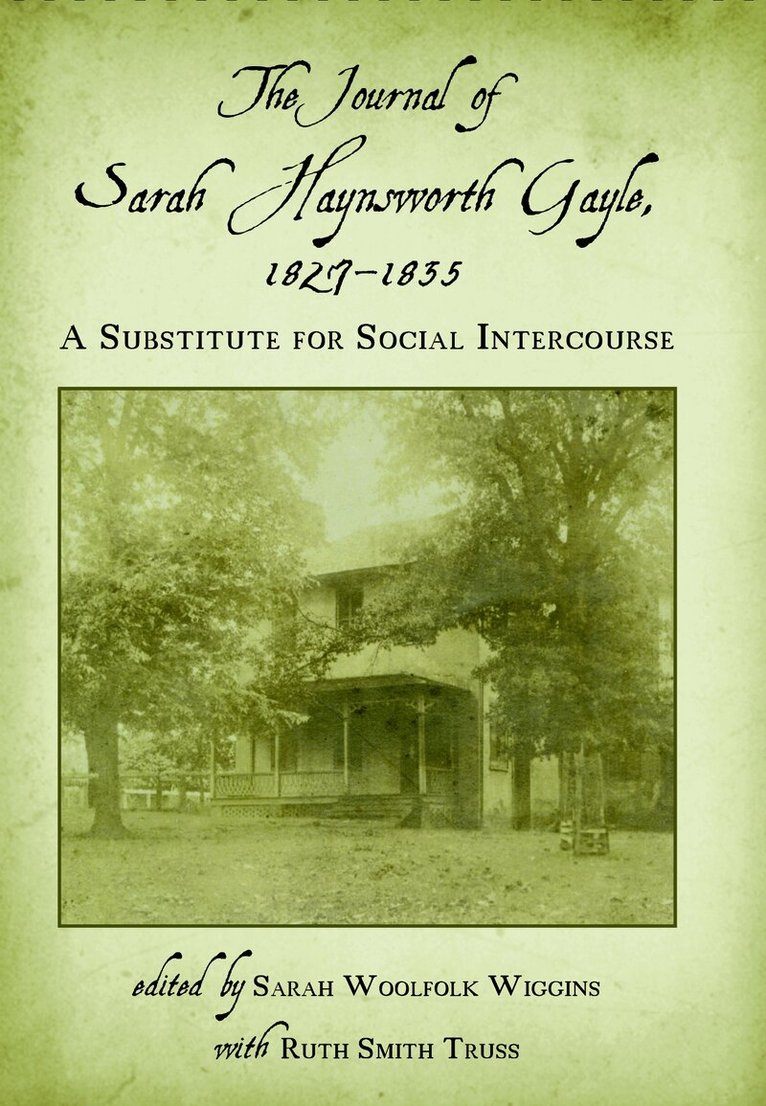
Journal of Sarah Haynsworth Gayle, 18271835
A Substitute for Social Intercourse
Av Sarah Haynsworth Gayle, Sarah Woolfolk Wiggins m. fl.
Inbunden, 2013
469 kr
Tillfälligt slut
Astonishing, tragic, and remarkable, the journal of Sarah Haynsworth Gayle, wife of early Alabama governor John Gayle, is among the most widely studied and seminal accounts of antebellum life in the American South. This is the first complete edition of the journal in print.Bereft of the …