Savyasaachi – författare
Visar alla böcker från författaren Savyasaachi. Handla med fri frakt och snabb leverans.
11 produkter
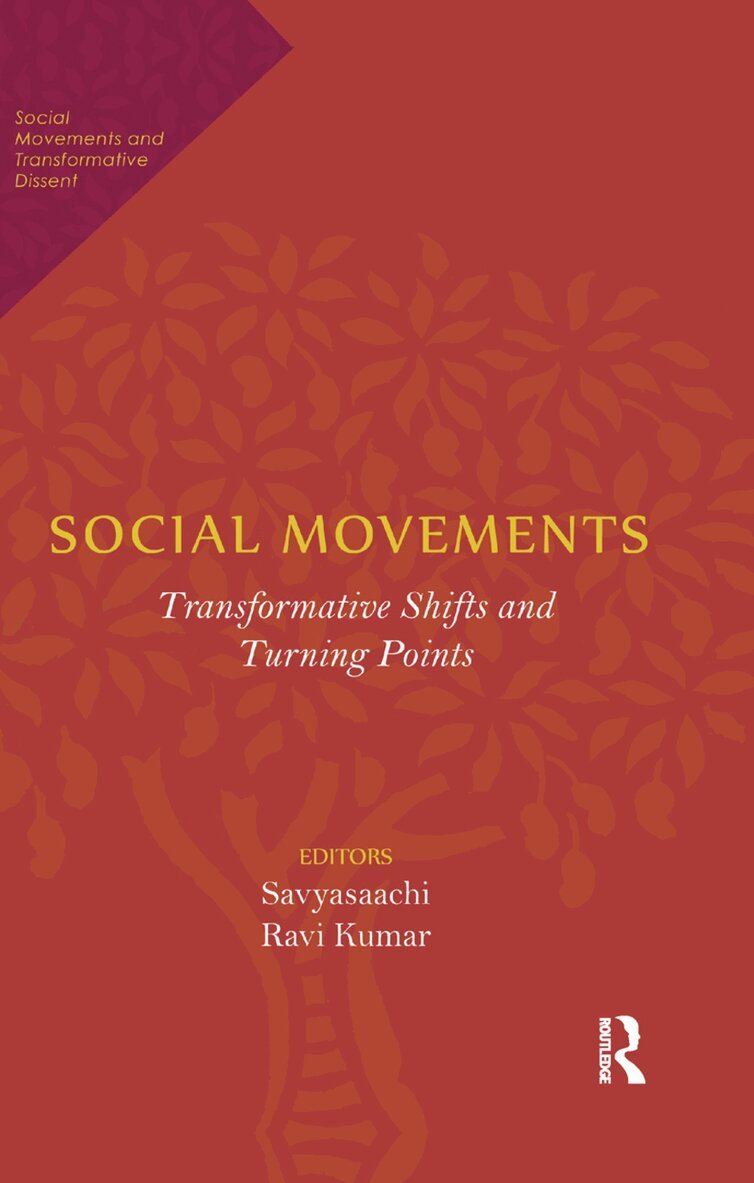
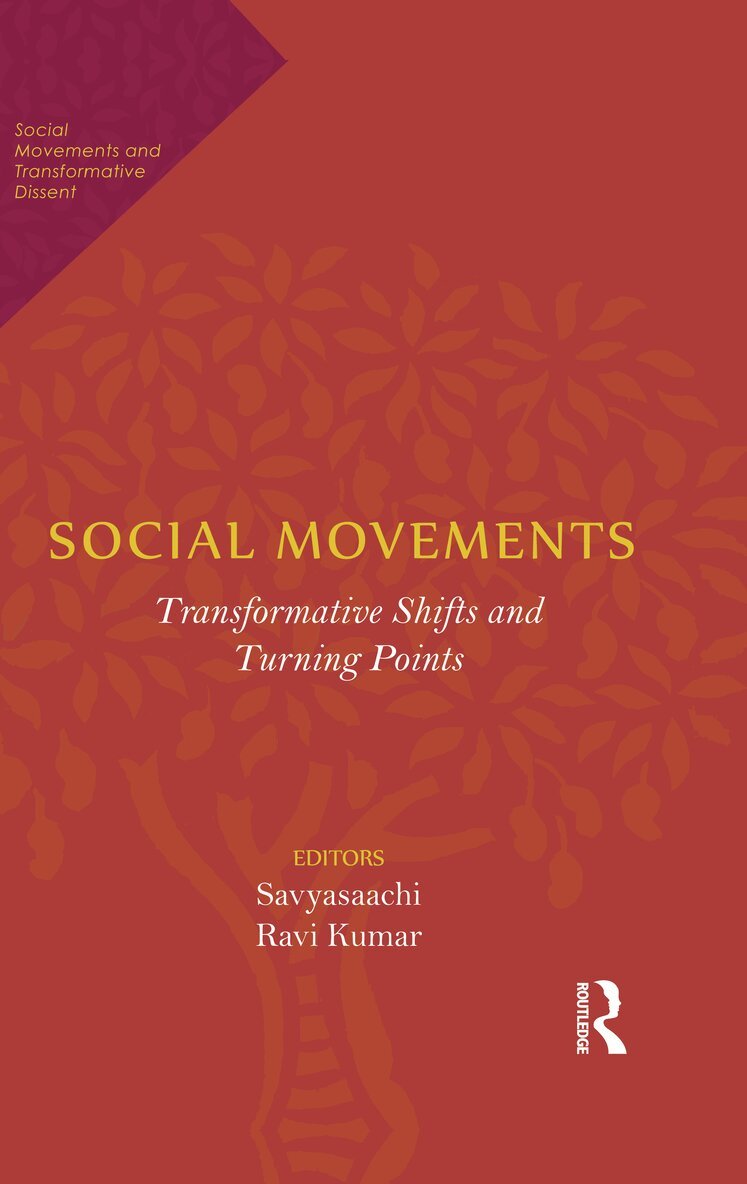
Social Movements
Transformative Shifts and Turning Points
Häftad, 2019
689 kr
Lägg i varukorg
This volume attempts to show the emerging contours oftransformative action in social movements across South Asia. It argues that these contours have been shaped by contestations over questions of equity, justice and well-being on the one hand, and the nature and scope of new and classical social …
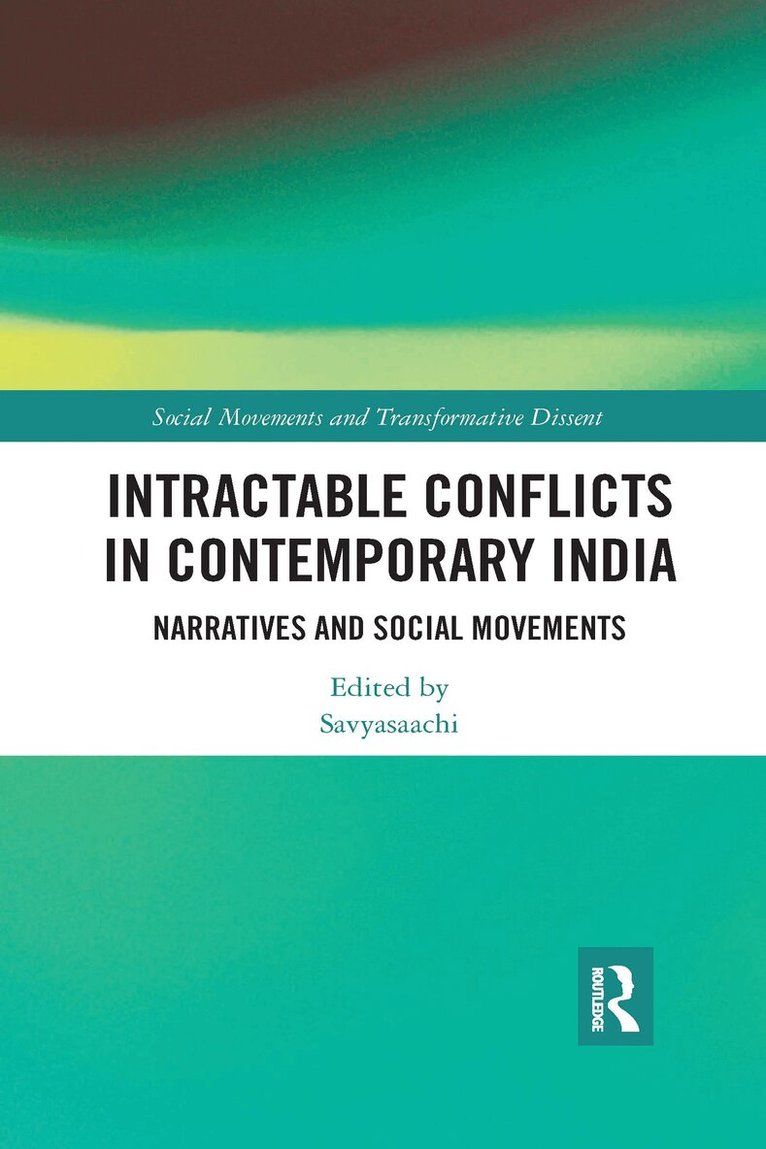
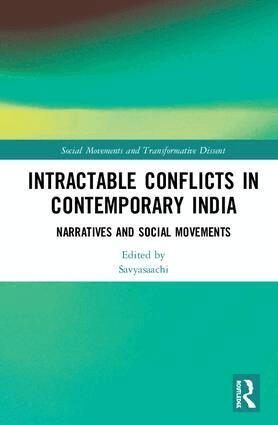
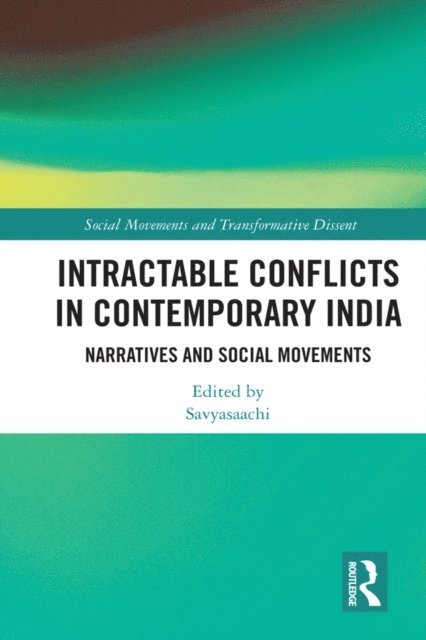
Intractable Conflicts in Contemporary India
Narratives and Social Movements
Av Savyasaachi
Häftad, 2020
710 kr
Lägg i varukorg
This book attempts a representation of society in contemporary India through an ethnography woven around long-standing intractable conflicts — of displacement and rehabilitation, patriarchy, insurgency and counter-insurgency operations, and climate change. Each chapter in this volume offers a …
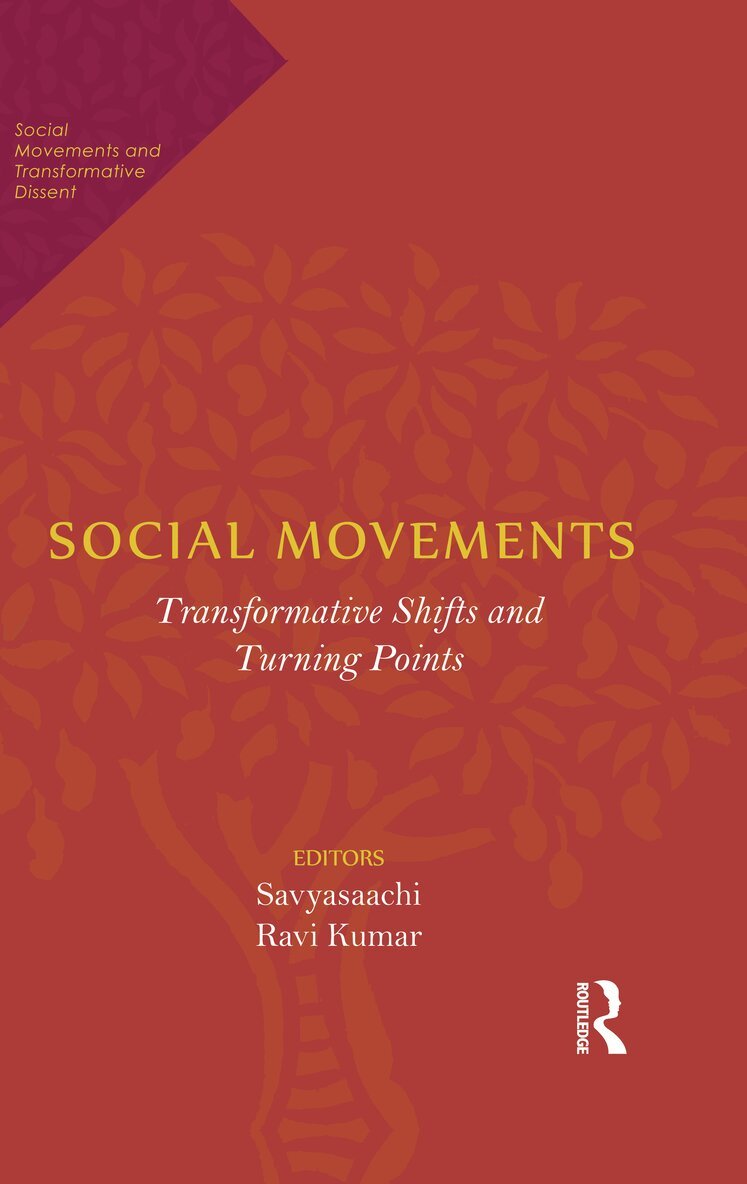
Social Movements
Transformative Shifts and Turning Points
Inbunden, 2014
3244 kr
Lägg i varukorg
This volume attempts to show the emerging contours of ‘transformative action’ in social movements across South Asia. It argues that these contours have been shaped by contestations over questions of equity, justice and well-being on the one hand, and the nature and scope of new and classical social …
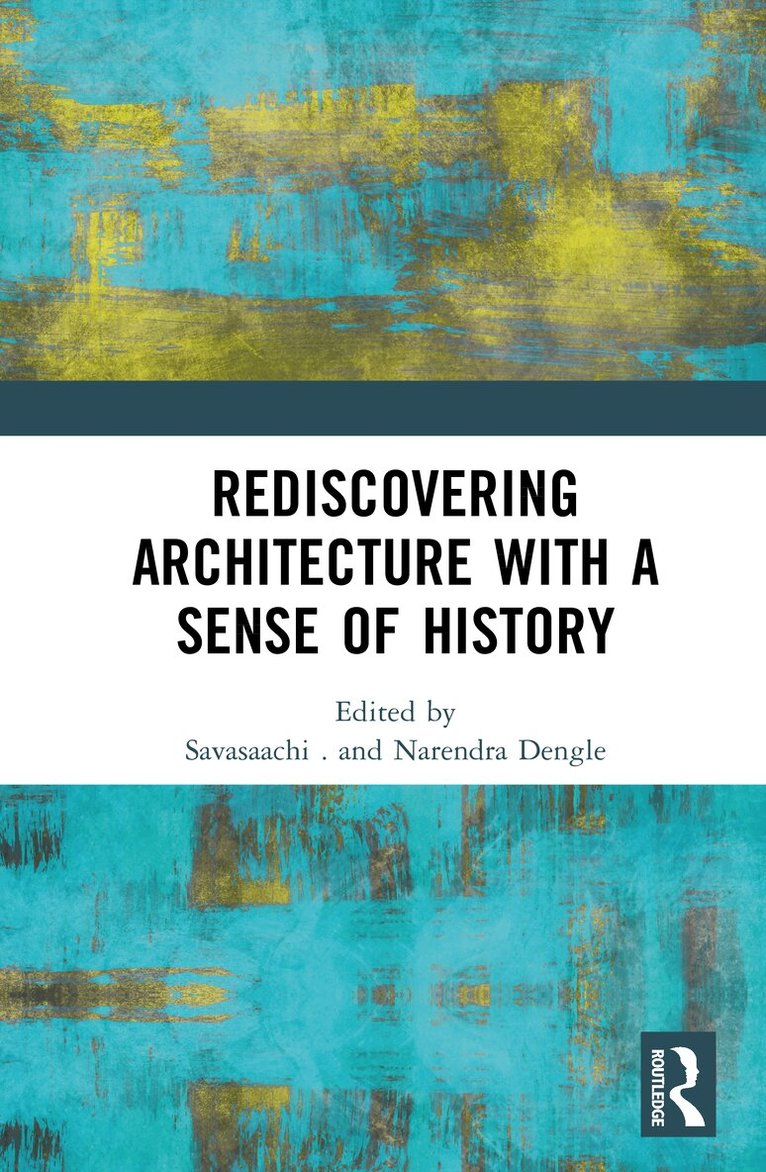
Rediscovering Architecture with a Sense of History
Av Narendra Dengle, Savyasaachi
E-bok, 2026
838 kr
Lägg i varukorg
This book explores the connection between architecture and history, presenting a rich variety of examples from different cultures that have made human settlements, architecture, and cities. It demonstrates that histories of settlement patterns conserve natural and human sources and symbiotic living …
Rediscovering Architecture with a Sense of History
Av Narendra Dengle, Savyasaachi
E-bok, 2026
838 kr
Lägg i varukorg
This book explores the connection between architecture and history, presenting a rich variety of examples from different cultures that have made human settlements, architecture, and cities. It demonstrates that histories of settlement patterns conserve natural and human sources and symbiotic living …
Rediscovering Architecture with a Sense of History
Av Narendra Dengle, Savyasaachi
Inbunden, 2026
2578 kr
Lägg i varukorg
This book explores the connection between architecture and history, presenting a rich variety of examples from different cultures that have made human settlements, architecture, and cities. It demonstrates that histories of settlement patterns conserve natural and human sources and symbiotic living …
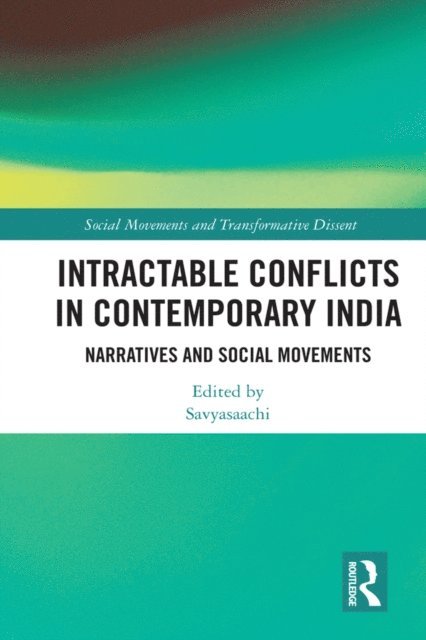
Intractable Conflicts in Contemporary India
Narratives and Social Movements
Av Savyasaachi
Inbunden, 2018
2504 kr
Lägg i varukorg
This book attempts a representation of society in contemporary India through an ethnography woven around long-standing intractable conflicts — of displacement and rehabilitation, patriarchy, insurgency and counter-insurgency operations, and climate change. Each chapter in this volume offers a …
Social Movements
Transformative Shifts and Turning Points
E-bok, 2017
814 kr
Lägg i varukorg
This volume attempts to show the emerging contours of ‘transformative action’ in social movements across South Asia. It argues that these contours have been shaped by contestations over questions of equity, justice and well-being on the one hand, and the nature and scope of new and classical social …
Social Movements
Transformative Shifts and Turning Points
E-bok, 2017
796 kr
Lägg i varukorg
This volume attempts to show the emerging contours of ‘transformative action’ in social movements across South Asia. It argues that these contours have been shaped by contestations over questions of equity, justice and well-being on the one hand, and the nature and scope of new and classical social …
Intractable Conflicts in Contemporary India
Narratives and Social Movements
Av Savyasaachi
E-bok, 2018
796 kr
Lägg i varukorg
This book attempts a representation of society in contemporary India through an ethnography woven around long-standing intractable conflicts — of displacement and rehabilitation, patriarchy, insurgency and counter-insurgency operations, and climate change. Each chapter in this volume offers a …
Intractable Conflicts in Contemporary India
Narratives and Social Movements
Av Savyasaachi
E-bok, 2018
814 kr
Lägg i varukorg
This book attempts a representation of society in contemporary India through an ethnography woven around long-standing intractable conflicts — of displacement and rehabilitation, patriarchy, insurgency and counter-insurgency operations, and climate change. Each chapter in this volume offers a …