Sayaka Chatani – författare
Visar alla böcker från författaren Sayaka Chatani. Handla med fri frakt och snabb leverans.
3 produkter
3 produkter
Inbunden, Engelska, 2018
760 kr
Skickas inom 10-15 vardagar
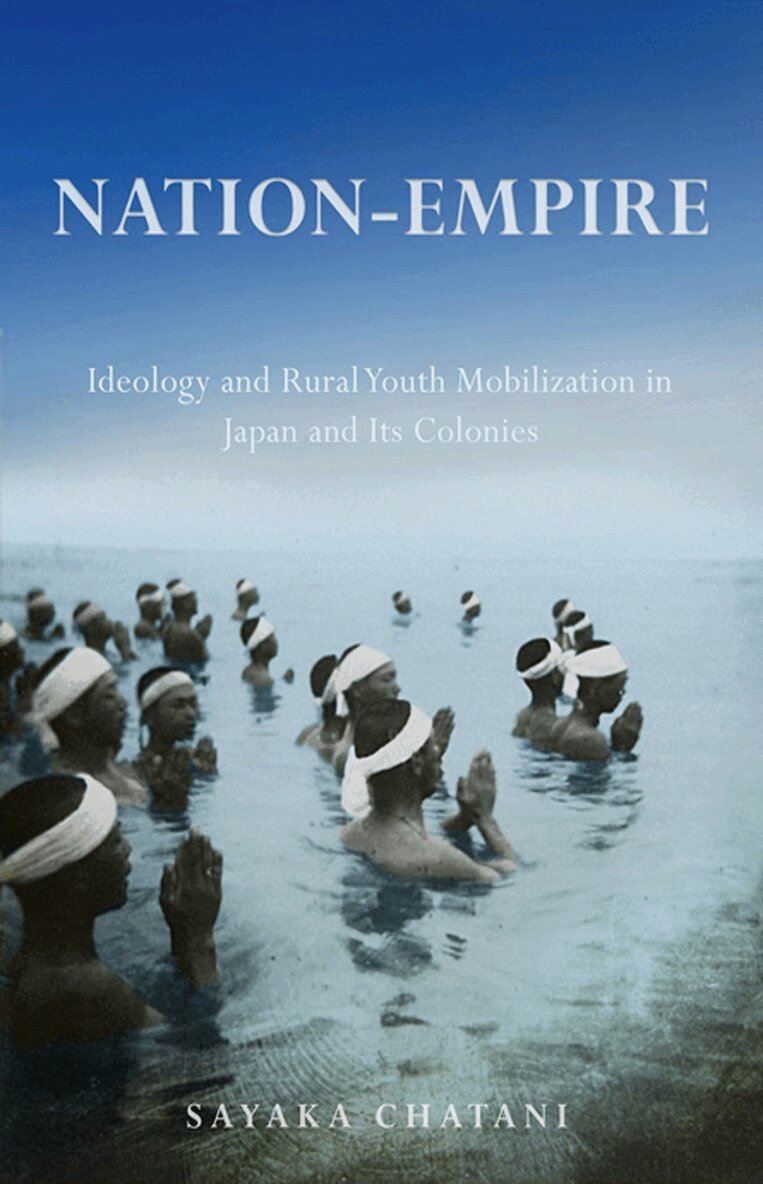
By the end of World War II, hundreds of thousands of young men in the Japanese colonies, in particular Taiwan and Korea, had expressed their loyalty to the empire by volunteering to join the army. Why and how did so many colonial youth become passionate supporters of Japanese imperial nationalism? And what happened to these youth after the war? Nation-Empire investigates these questions by examining the long-term mobilization of youth in the rural peripheries of Japan, Taiwan, and Korea. Personal stories and village histories vividly show youth's ambitions, emotions, and identities generated in the shifting conditions in each locality. At the same time, Sayaka Chatani unveils an intense ideological mobilization built from diverse contexts—the global rise of youth and agrarian ideals, Japan's strong drive for assimilation and nationalization, and the complex emotions of younger generations in various remote villages.Nation-Empire engages with multiple historical debates. Chatani considers metropole-colony linkages, revealing the core characteristics of the Japanese Empire; discusses youth mobilization, analyzing the Japanese seinendan (village youth associations) as equivalent to the Boy Scouts or the Hitler Youth; and examines society and individual subjectivities under totalitarian rule. Her book highlights the shifting state-society transactions of the twentieth-century world through the lens of the Japanese Empire, inviting readers to contend with a new approach to, and a bold vision of, empire study.
Inbunden, Engelska, 2026
1 327 kr
Skickas inom 5-8 vardagar
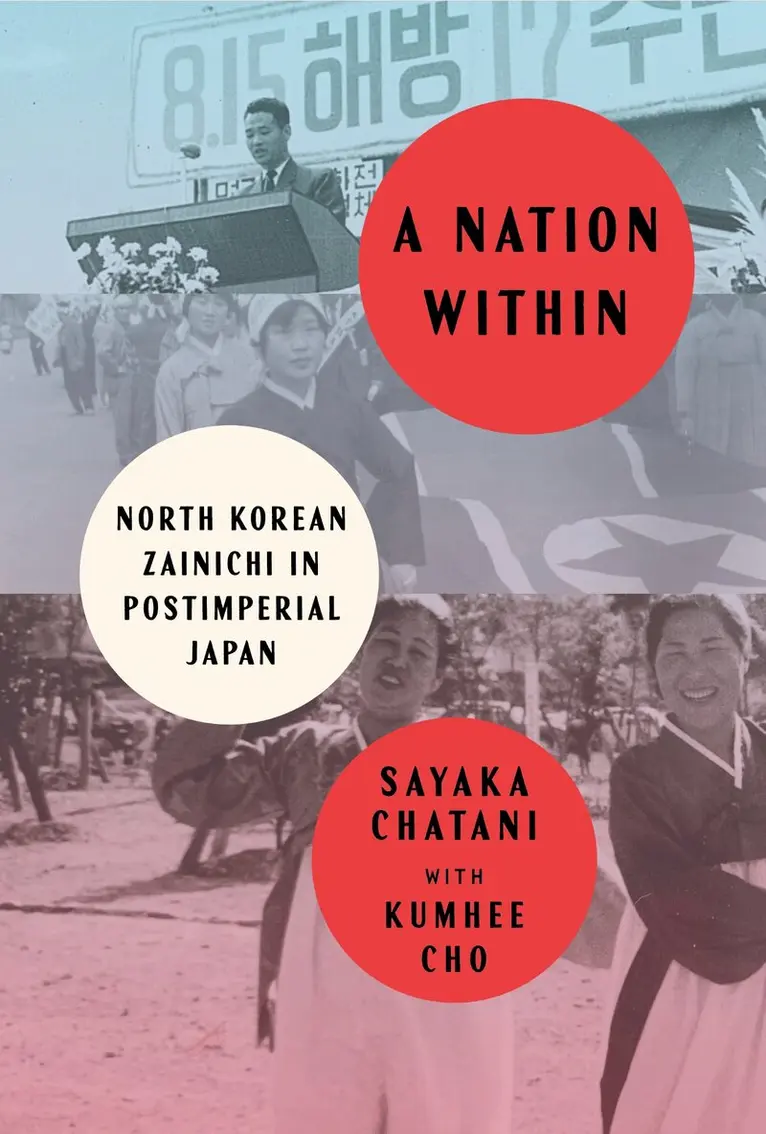
The presence of hundreds of thousands ethnic Koreans in Japan, or "zainichi Koreans," is one of the visible legacies of Japanese colonialism. A surprising and influential group among zainichi Koreans that persists to this day is Chongryon, the only pro–North Korean diasporic group based in a capitalist society. Chongryon historically represented the central grassroots force seeking to liberate Koreans from Japan's imperial and neo-imperial influences. At the heart of the Chongryon community stands a political organization equipped with a central bureaucracy in Tokyo, with a headquarters in nearly every prefecture. Often called a de facto embassy of North Korea, the Chongryon organization has, in effect, functioned as a state within another state—operating hundreds of schools, banks, hospitals, business associations, publishing houses, and many other institutions across Japan.Based on extensive archival research and nearly 250 original interviews collected with co-researcher KumHee Cho, who was raised within the Chongryon community, Sayaka Chatani offers a sweeping social history of this secretive, protective community in xenophobic Japanese society. Weaving together personal accounts and situating them in a multi-layered, transnational political context, the book offers a finely textured, intimate narrative of the community's tumultuous history and decolonial praxis. Through the stories of Chongryon, this book provides a bottom-up analysis of power politics among zainichi Koreans and reshapes our understanding of Japanese history, Korean history, and the Cold War in Asia.
Häftad, Engelska, 2026
301 kr
Skickas
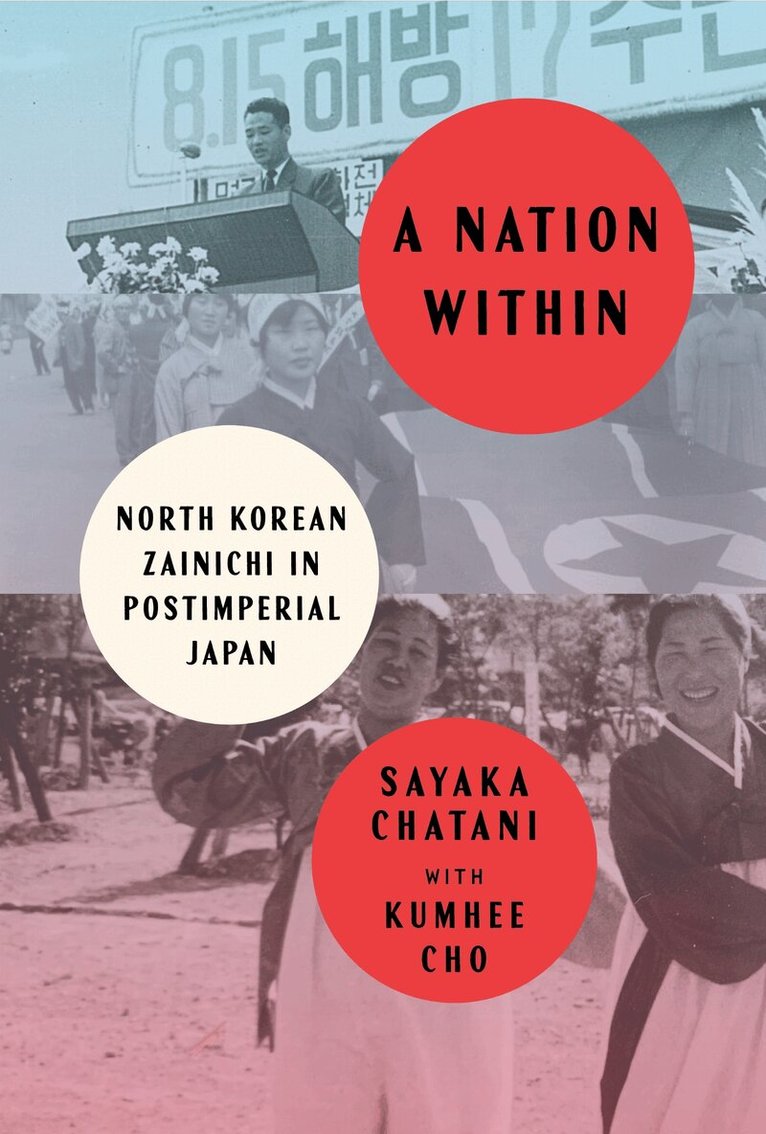
The presence of hundreds of thousands ethnic Koreans in Japan, or "zainichi Koreans," is one of the visible legacies of Japanese colonialism. A surprising and influential group among zainichi Koreans that persists to this day is Chongryon, the only pro–North Korean diasporic group based in a capitalist society. Chongryon historically represented the central grassroots force seeking to liberate Koreans from Japan's imperial and neo-imperial influences. At the heart of the Chongryon community stands a political organization equipped with a central bureaucracy in Tokyo, with a headquarters in nearly every prefecture. Often called a de facto embassy of North Korea, the Chongryon organization has, in effect, functioned as a state within another state—operating hundreds of schools, banks, hospitals, business associations, publishing houses, and many other institutions across Japan.Based on extensive archival research and nearly 250 original interviews collected with co-researcher KumHee Cho, who was raised within the Chongryon community, Sayaka Chatani offers a sweeping social history of this secretive, protective community in xenophobic Japanese society. Weaving together personal accounts and situating them in a multi-layered, transnational political context, the book offers a finely textured, intimate narrative of the community's tumultuous history and decolonial praxis. Through the stories of Chongryon, this book provides a bottom-up analysis of power politics among zainichi Koreans and reshapes our understanding of Japanese history, Korean history, and the Cold War in Asia.