Scott Orland Rogers - Böcker
Visar alla böcker från författaren Scott Orland Rogers. Handla med fri frakt och snabb leverans.
4 produkter
4 produkter
904 kr
Skickas inom 10-15 vardagar
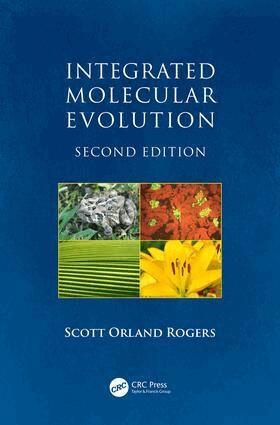
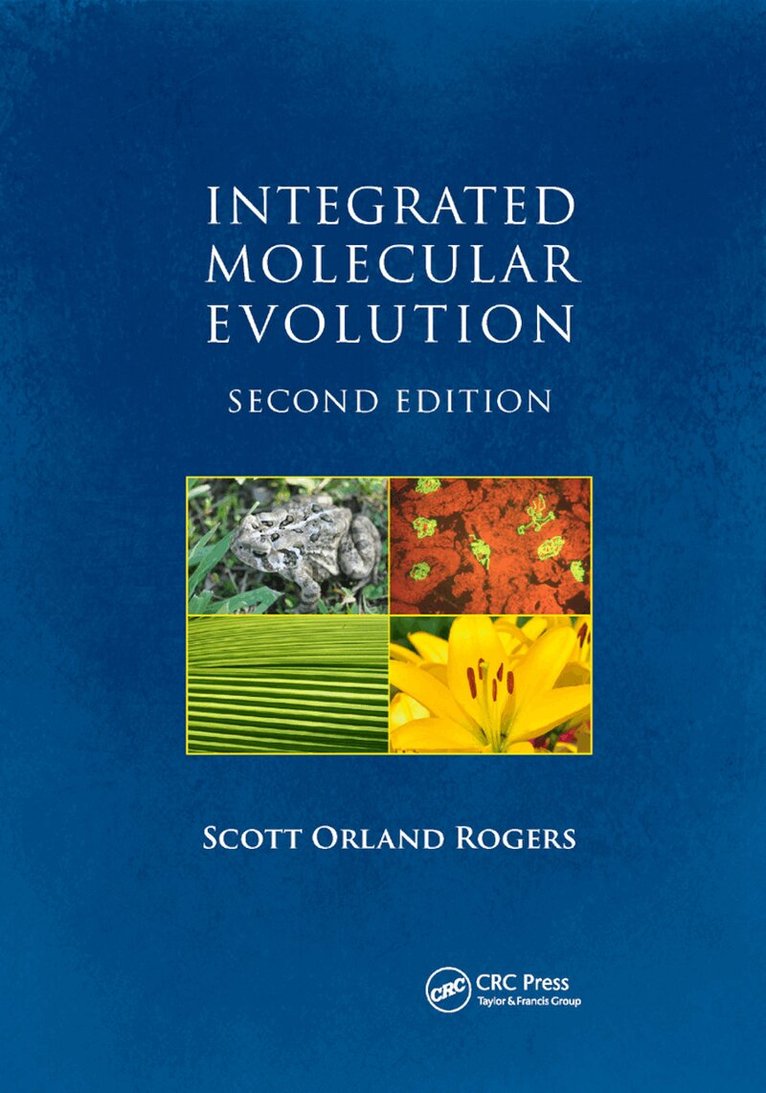
Evolutionary biology has increasingly relied upon tools developed in molecular biology that allow for the structure and function of macromolecules to be used as data for exploring the patterns and processes of evolutionary change. Integrated Molecular Evolution, Second Edition is a textbook intended to expansively and comprehensive review evolutionary studies now routinely using molecular data. This new edition has been thoroughly updated and expanded, and provides a basic summary of evolutionary biology as well as a review of current phylogenetics and phylogenomics.Reflecting a burgeoning pedagogical landscape, this new edition includes nearly double the number of chapters, including a new section on molecular and bioinformatic methods. Dedicated chapters were added on:Evolution of the genetic codeMendelian genetics and population geneticsNatural selectionHorizontal gene transfersAnimal development and plant development CancerExtraction of biological moleculesAnalytical methodsSequencing methods and sequencing analysesOmicsPhylogenetics and phylogenetic networksProtein traffickingHuman genomicsMore than 400 illustrations appear in this edition, doubling the number included in the first edition, and over 100 of these diagrams are now in color.The second edition combines and integrates extensive summaries of genetics and evolutionary biology in a manner that is accessible for students at either the graduate or undergraduate level. It also provides both the basic foundations of molecular evolution, such as the structure and function of DNA, RNA and proteins, as well as more advanced chapters reviewing analytical techniques for obtaining sequences, and interpreting and archiving molecular and genomic data.
2 113 kr
Skickas inom 10-15 vardagar
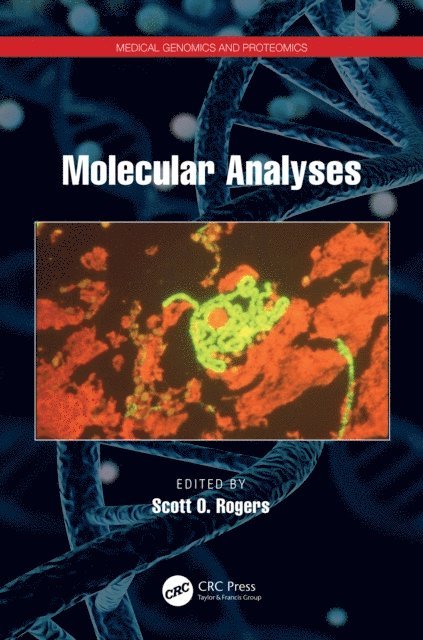
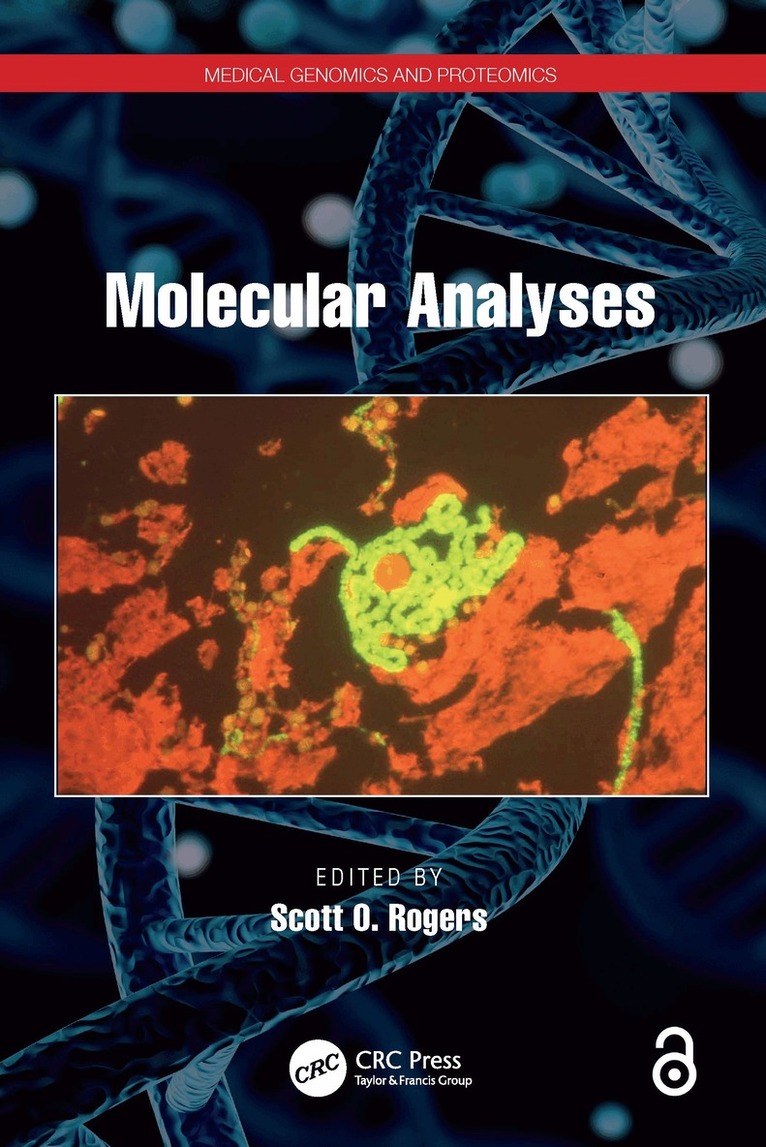
DNA and RNA extraction methods from a variety of tissues and samples are now routine, including extraction from single cells. Many methods are now automated. Sequencing efficiency has reached the point where it is now possible to obtain gigabases of data, both quickly and inexpensively. Such methods permit the identification of gene versions, including those associated with disease (e.g. small nucleotide polymorphism analyses, or SNPs). The general public as well as clinicians can now access a wide variety of literature on the molecular bases of diseases, allowing them to better assess disease risks and treatments. This volume concentrates on medically-focused methods, and therefore the major audience will be medical professionals, students, and those involved in medically-related research endeavors. There are also papers in this volume dealing specifically with methods developed to analyze large sequence data sets. Many methods reviewed herein are more broadly applicable to other fields in biology, chemistry, bioinformatics, and bioengineering, and are intended for a broad readership.Key Features Summarizes nucleic acid extractions from a wide variety of tissues and cells Describes processes of nucleic acid preservation Reviews forensic sampling, detection of nucleic acids, and delivery of nucleic acids to multicellular organisms Provides essential guidance for sequencing, sequence analysis, database searches, and phylogenetic analyses Includes additional methods useful for analysis of nucleic acids and proteinsRelated TitlesDeSalle, et al. Phylogenomics: A Primer (ISBN 978-0-3670-2849-7).Jennings, W. B. Phylogenomic Data Acquisition: Principles and Practice (ISBN 978-0-3678-6980-9).Wang, X. Next-Generation Sequencing Data Analysis (ISBN 978-1-4822-1788-9)Sung, W.-K. Algorithms for Next-Generation Sequencing (ISBN 978-0-3676-5797-0)
673 kr
Skickas inom 10-15 vardagar
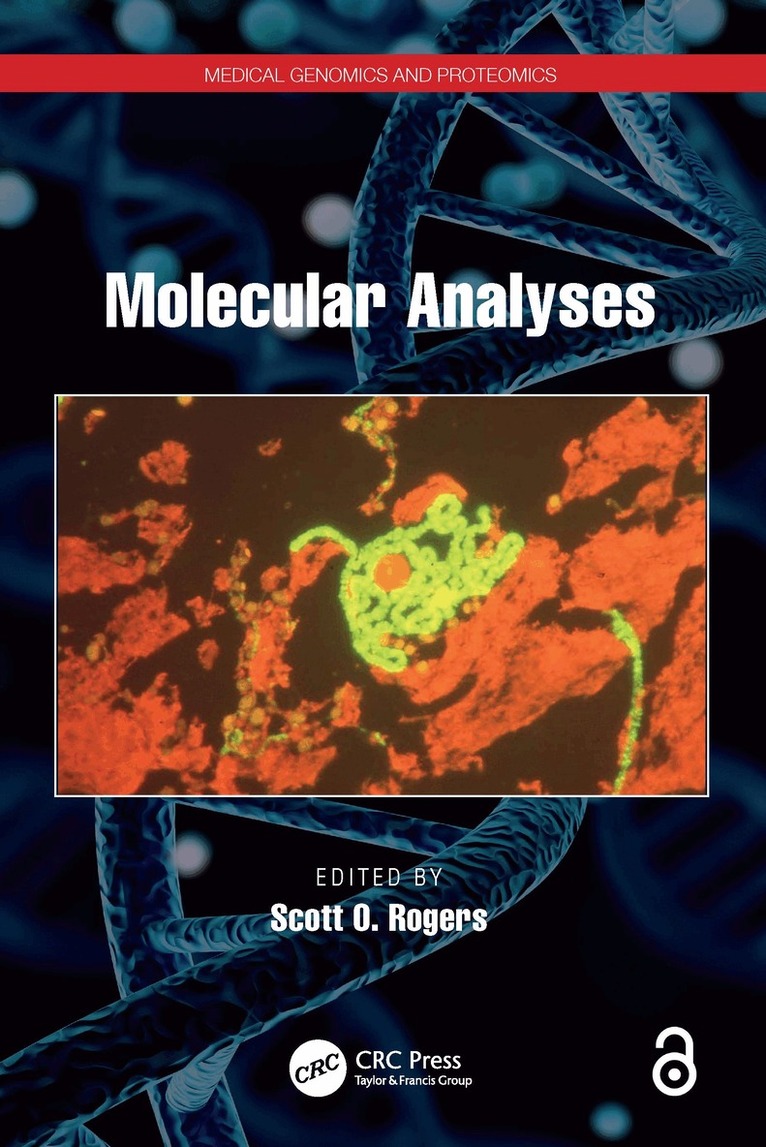
DNA and RNA extraction methods from a variety of tissues and samples are now routine, including extraction from single cells. Many methods are now automated. Sequencing efficiency has reached the point where it is now possible to obtain gigabases of data, both quickly and inexpensively. Such methods permit the identification of gene versions, including those associated with disease (e.g. small nucleotide polymorphism analyses, or SNPs). The general public as well as clinicians can now access a wide variety of literature on the molecular bases of diseases, allowing them to better assess disease risks and treatments. This volume concentrates on medically-focused methods, and therefore the major audience will be medical professionals, students, and those involved in medically-related research endeavors. There are also papers in this volume dealing specifically with methods developed to analyze large sequence data sets. Many methods reviewed herein are more broadly applicable to other fields in biology, chemistry, bioinformatics, and bioengineering, and are intended for a broad readership.Key Features Summarizes nucleic acid extractions from a wide variety of tissues and cells Describes processes of nucleic acid preservation Reviews forensic sampling, detection of nucleic acids, and delivery of nucleic acids to multicellular organisms Provides essential guidance for sequencing, sequence analysis, database searches, and phylogenetic analyses Includes additional methods useful for analysis of nucleic acids and proteinsRelated TitlesDeSalle, et al. Phylogenomics: A Primer (ISBN 978-0-3670-2849-7).Jennings, W. B. Phylogenomic Data Acquisition: Principles and Practice (ISBN 978-0-3678-6980-9).Wang, X. Next-Generation Sequencing Data Analysis (ISBN 978-1-4822-1788-9)Sung, W.-K. Algorithms for Next-Generation Sequencing (ISBN 978-0-3676-5797-0)
1 900 kr
Skickas inom 7-10 vardagar
Evolutionary biology has increasingly relied upon tools developed in molecular biology that allow for the structure and function of macromolecules to be used as data for exploring the patterns and processes of evolutionary change. Integrated Molecular Evolution, Second Edition is a textbook intended to expansively and comprehensive review evolutionary studies now routinely using molecular data. This new edition has been thoroughly updated and expanded, and provides a basic summary of evolutionary biology as well as a review of current phylogenetics and phylogenomics.Reflecting a burgeoning pedagogical landscape, this new edition includes nearly double the number of chapters, including a new section on molecular and bioinformatic methods. Dedicated chapters were added on:Evolution of the genetic codeMendelian genetics and population geneticsNatural selectionHorizontal gene transfersAnimal development and plant development CancerExtraction of biological moleculesAnalytical methodsSequencing methods and sequencing analysesOmicsPhylogenetics and phylogenetic networksProtein traffickingHuman genomicsMore than 400 illustrations appear in this edition, doubling the number included in the first edition, and over 100 of these diagrams are now in color.The second edition combines and integrates extensive summaries of genetics and evolutionary biology in a manner that is accessible for students at either the graduate or undergraduate level. It also provides both the basic foundations of molecular evolution, such as the structure and function of DNA, RNA and proteins, as well as more advanced chapters reviewing analytical techniques for obtaining sequences, and interpreting and archiving molecular and genomic data.