203 kr
Skickas inom 5-8 vardagar
203 kr
Skickas inom 5-8 vardagar
84 kr
Läs direkt efter köp
141 kr
Skickas
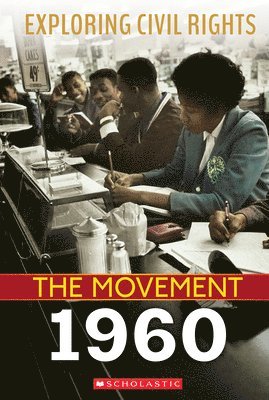
The year 1960 was a turning point in the civil rights movement as young Black men and women became peaceful warriors for change. In February, four Black college students, known as the Greensboro Four, were refused service at a lunch counter in North Carolina. Their sit-in inspired similar protests across the country, demonstrating the ideals of civil disobedience and nonviolent resistance. In November, as the year drew to a close, the nation’s eyes were on Ruby Bridges, a Black first grader who bravely integrated the William Frantz Elementary School in New Orleans. Desegregation would create a crisis of law and order throughout the South as the decade continued.
ABOUT THE SERIES:
The years from 1955 to 1965 are at the heart of the civil rights movement—from the Montgomery bus boycott to the Voting Rights Act. The contributions of key activists, including Rosa Parks, Dr. Martin Luther King Jr., John Lewis, Barbara Nash, and Malcolm X, are part of the narrative. Demonstrations of passive resistance and legal challenges were often met with bloodshed and violence against Black Americans fighting to end segregation and discrimination. Yet the courage of those yearning for equal opportunities under the law ultimately produced legislation affirming that every American should have the same constitutional rights, regardless of color, race, or gender.
With stunning photographs throughout and rich back matter, each book focuses on a specific year and chronologically follows the detailed events that occurred and the changes that took place.
128 kr
Skickas
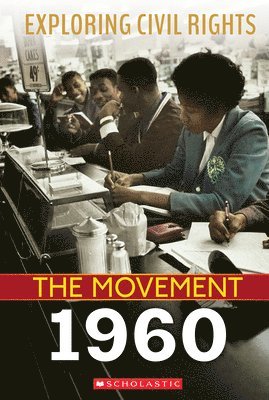
The year 1960 was a turning point in the civil rights movement as young Black men and women became peaceful warriors for change. In February, four Black college students, known as the Greensboro Four, were refused service at a lunch counter in North Carolina. Their sit-in inspired similar protests across the country, demonstrating the ideals of civil disobedience and nonviolent resistance. In November, as the year drew to a close, the nation's eyes were on Ruby Bridges, a Black first grader who bravely integrated the William Frantz Elementary School in New Orleans. Desegregation would create a crisis of law and order throughout the South as the decade continued.
ABOUT THE SERIES:
The years from 1955 to 1965 are at the heart of the civil rights movement-from the Montgomery bus boycott to the Voting Rights Act. The contributions of key activists, including Rosa Parks, Dr. Martin Luther King Jr., John Lewis, Barbara Nash, and Malcolm X, are part of the narrative. Demonstrations of passive resistance and legal challenges were often met with bloodshed and violence against Black Americans fighting to end segregation and discrimination. Yet the courage of those yearning for equal opportunities under the law ultimately produced legislation affirming that every American should have the same constitutional rights, regardless of color, race, or gender.
With stunning photographs throughout and rich back matter, each book focuses on a specific year and chronologically follows the detailed events that occurred and the changes that took place.
128 kr
Skickas
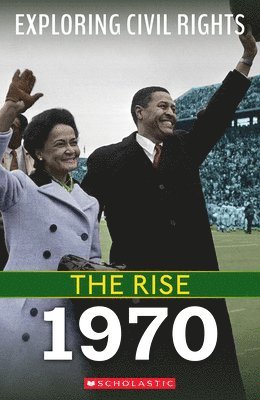
The year 1970 was one of hope in the civil rights movement in education, politics, and the arts. In January, Dr. Clifton Wharton, Jr., became the first African American president of Michigan State University. The first publication of Essence magazine launched in May, focusing on culture, beauty, fashion, and entertainment for Black women in America. In June, Kenneth Allen Gibson was elected as the first African American mayor of a major Northeast city — Newark, New Jersey. And in August, Charles Edward Gordone became the first African American playwright to win the Pulitzer Prize for Drama for his play, No Place to Be Somebody, about a Black bartender trying to survive in New York City.
This detailed account explains why 1970 was such a critical year in the civil rights movement.
ABOUT THE SERIES:
The years from 1967 to 1978 were critical to the civil rights movement. Resistance was often met with violence against Black Americans struggling to end discrimination and segregation. Yet the courage of those yearning for equal opportunities under the law continued to persevere and set the stage for even more progress in the coming decades. Discover how this specific time period brought about change and how it still affects us as a society today.
With stunning photographs throughout and rich back matter, each book focuses on a specific year and chronologically follows the detailed events that occurred and the changes that took place.
128 kr
Skickas
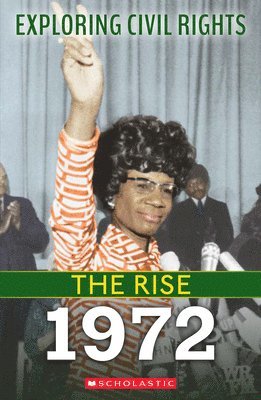
The year 1972 was one of major accomplishments in the civil rights movement. In January, Shirley Chisolm became an inspiration as the first African American to seek the presidential nomination of a major political party. In February, Wilt Chamberlain won the NBA title for the Los Angeles Lakers and was named the Most Valuable Player, securing his place as one of the most talented athletes in the history of sports. The National Black Political Convention was held in March with a crowd of ten thousand African Americans to discuss and advocate for Black communities that were in economic and social crisis across the country. And in November, Andrew Jackson Young Jr., of Georgia, and Barbara Jordan from Texas became the first African Americans in the twentieth century elected to Congress from the Deep South.
This detailed account explains why 1972 was such a critical year in the civil rights movement.
ABOUT THE SERIES:
The years from 1967 to 1978 were critical to the civil rights movement. Resistance was often met with violence against Black Americans struggling to end discrimination and segregation. Yet the courage of those yearning for equal opportunities under the law continued to persevere and set the stage for even more progress in the coming decades. Discover how this specific time period brought about change and how it still affects us as a society today.
With stunning photographs throughout and rich back matter, each book focuses on a specific year and chronologically follows the detailed events that occurred and the changes that took place.
270 kr
Skickas inom 3-6 vardagar
205 kr
Skickas inom 11-20 vardagar
216 kr
Skickas inom 11-20 vardagar
270 kr
Skickas inom 3-6 vardagar
245 kr
Skickas inom 7-10 vardagar
203 kr
Skickas inom 5-8 vardagar
84 kr
Läs direkt efter köp
141 kr
Skickas
The year 1960 was a turning point in the civil rights movement as young Black men and women became peaceful warriors for change. In February, four Black college students, known as the Greensboro Four, were refused service at a lunch counter in North Carolina. Their sit-in inspired similar protests across the country, demonstrating the ideals of civil disobedience and nonviolent resistance. In November, as the year drew to a close, the nation’s eyes were on Ruby Bridges, a Black first grader who bravely integrated the William Frantz Elementary School in New Orleans. Desegregation would create a crisis of law and order throughout the South as the decade continued.
ABOUT THE SERIES:
The years from 1955 to 1965 are at the heart of the civil rights movement—from the Montgomery bus boycott to the Voting Rights Act. The contributions of key activists, including Rosa Parks, Dr. Martin Luther King Jr., John Lewis, Barbara Nash, and Malcolm X, are part of the narrative. Demonstrations of passive resistance and legal challenges were often met with bloodshed and violence against Black Americans fighting to end segregation and discrimination. Yet the courage of those yearning for equal opportunities under the law ultimately produced legislation affirming that every American should have the same constitutional rights, regardless of color, race, or gender.
With stunning photographs throughout and rich back matter, each book focuses on a specific year and chronologically follows the detailed events that occurred and the changes that took place.
128 kr
Skickas
The year 1960 was a turning point in the civil rights movement as young Black men and women became peaceful warriors for change. In February, four Black college students, known as the Greensboro Four, were refused service at a lunch counter in North Carolina. Their sit-in inspired similar protests across the country, demonstrating the ideals of civil disobedience and nonviolent resistance. In November, as the year drew to a close, the nation's eyes were on Ruby Bridges, a Black first grader who bravely integrated the William Frantz Elementary School in New Orleans. Desegregation would create a crisis of law and order throughout the South as the decade continued.
ABOUT THE SERIES:
The years from 1955 to 1965 are at the heart of the civil rights movement-from the Montgomery bus boycott to the Voting Rights Act. The contributions of key activists, including Rosa Parks, Dr. Martin Luther King Jr., John Lewis, Barbara Nash, and Malcolm X, are part of the narrative. Demonstrations of passive resistance and legal challenges were often met with bloodshed and violence against Black Americans fighting to end segregation and discrimination. Yet the courage of those yearning for equal opportunities under the law ultimately produced legislation affirming that every American should have the same constitutional rights, regardless of color, race, or gender.
With stunning photographs throughout and rich back matter, each book focuses on a specific year and chronologically follows the detailed events that occurred and the changes that took place.
128 kr
Skickas
The year 1970 was one of hope in the civil rights movement in education, politics, and the arts. In January, Dr. Clifton Wharton, Jr., became the first African American president of Michigan State University. The first publication of Essence magazine launched in May, focusing on culture, beauty, fashion, and entertainment for Black women in America. In June, Kenneth Allen Gibson was elected as the first African American mayor of a major Northeast city — Newark, New Jersey. And in August, Charles Edward Gordone became the first African American playwright to win the Pulitzer Prize for Drama for his play, No Place to Be Somebody, about a Black bartender trying to survive in New York City.
This detailed account explains why 1970 was such a critical year in the civil rights movement.
ABOUT THE SERIES:
The years from 1967 to 1978 were critical to the civil rights movement. Resistance was often met with violence against Black Americans struggling to end discrimination and segregation. Yet the courage of those yearning for equal opportunities under the law continued to persevere and set the stage for even more progress in the coming decades. Discover how this specific time period brought about change and how it still affects us as a society today.
With stunning photographs throughout and rich back matter, each book focuses on a specific year and chronologically follows the detailed events that occurred and the changes that took place.
128 kr
Skickas
The year 1972 was one of major accomplishments in the civil rights movement. In January, Shirley Chisolm became an inspiration as the first African American to seek the presidential nomination of a major political party. In February, Wilt Chamberlain won the NBA title for the Los Angeles Lakers and was named the Most Valuable Player, securing his place as one of the most talented athletes in the history of sports. The National Black Political Convention was held in March with a crowd of ten thousand African Americans to discuss and advocate for Black communities that were in economic and social crisis across the country. And in November, Andrew Jackson Young Jr., of Georgia, and Barbara Jordan from Texas became the first African Americans in the twentieth century elected to Congress from the Deep South.
This detailed account explains why 1972 was such a critical year in the civil rights movement.
ABOUT THE SERIES:
The years from 1967 to 1978 were critical to the civil rights movement. Resistance was often met with violence against Black Americans struggling to end discrimination and segregation. Yet the courage of those yearning for equal opportunities under the law continued to persevere and set the stage for even more progress in the coming decades. Discover how this specific time period brought about change and how it still affects us as a society today.
With stunning photographs throughout and rich back matter, each book focuses on a specific year and chronologically follows the detailed events that occurred and the changes that took place.
270 kr
Skickas inom 3-6 vardagar
205 kr
Skickas inom 11-20 vardagar
216 kr
Skickas inom 11-20 vardagar
270 kr
Skickas inom 3-6 vardagar
245 kr
Skickas inom 7-10 vardagar