Serguei Alex. Oushakine – författare
Visar alla böcker från författaren Serguei Alex. Oushakine. Handla med fri frakt och snabb leverans.
4 produkter
4 produkter
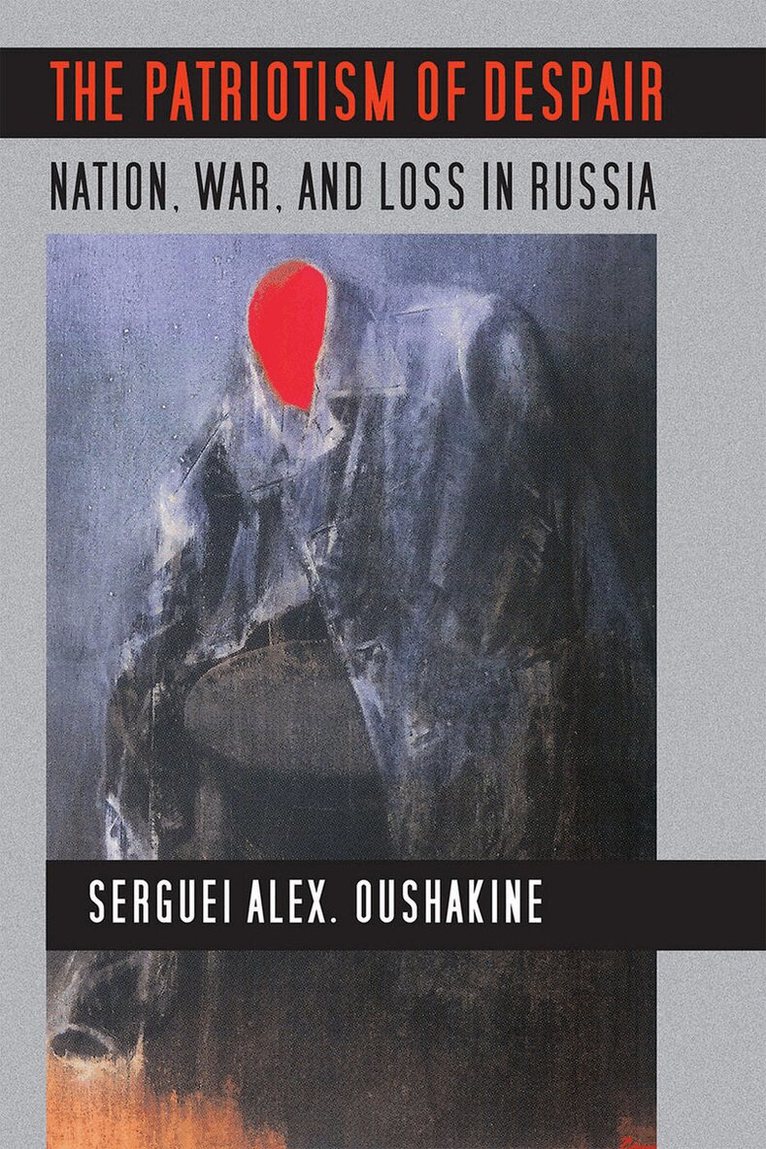
Inbunden, Engelska, 2009
1 665 kr
Skickas inom 10-15 vardagar
The sudden dissolution of the Soviet Union altered the routines, norms, celebrations, and shared understandings that had shaped the lives of Russians for generations. It also meant an end to the state-sponsored, nonmonetary support that most residents had lived with all their lives. How did Russians make sense of these historic transformations? Serguei Alex Oushakine offers a compelling look at postsocialist life in Russia. In Barnaul, a major industrial city in southwestern Siberia that has lost 25 percent of its population since 1991, many Russians are finding that what binds them together is loss and despair.The Patriotism of Despair examines the aftermath of the collapse of the Soviet Union, graphically described in spray paint by a graffiti artist in Barnaul: "We have no Motherland." Once socialism disappeared as a way of understanding the world, what replaced it in people's minds? Once socialism stopped orienting politics and economics, how did capitalism insinuate itself into routine practices? Serguei Alex. Oushakine offers a compelling look at postsocialist life in noncosmopolitan Russia. He introduces readers to the "neocoms": people who mourn the loss of the Soviet economy and the remonetization of transactions that had not involved the exchange of cash during the Soviet era.Moving from economics into military conflict and personal loss, Oushakine also describes the ways in which veterans of the Chechen war and mothers of soldiers who died there have connected their immediate experiences with the country's historical disruptions. The country, the nation, and traumatized individuals, Oushakine finds, are united by their vocabulary of shared pain.
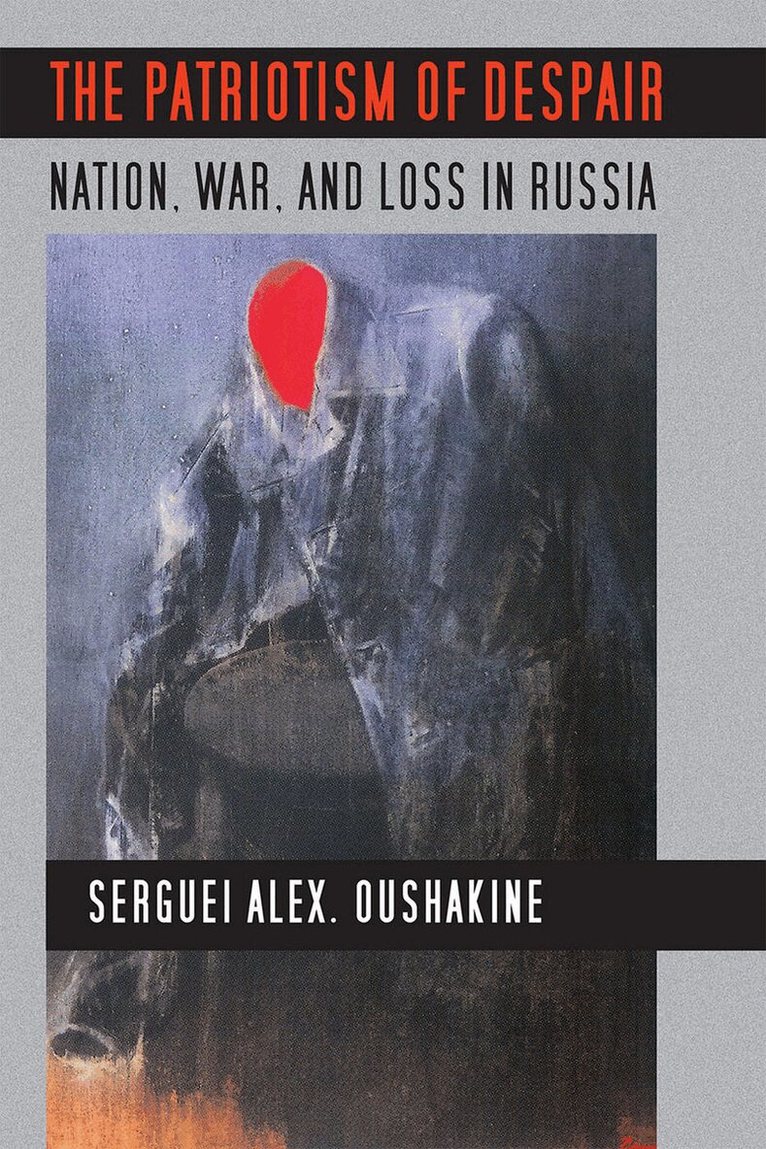
Häftad, Engelska, 2009
393 kr
Skickas inom 10-15 vardagar
The sudden dissolution of the Soviet Union altered the routines, norms, celebrations, and shared understandings that had shaped the lives of Russians for generations. It also meant an end to the state-sponsored, nonmonetary support that most residents had lived with all their lives. How did Russians make sense of these historic transformations? Serguei Alex Oushakine offers a compelling look at postsocialist life in Russia. In Barnaul, a major industrial city in southwestern Siberia that has lost 25 percent of its population since 1991, many Russians are finding that what binds them together is loss and despair.The Patriotism of Despair examines the aftermath of the collapse of the Soviet Union, graphically described in spray paint by a graffiti artist in Barnaul: "We have no Motherland." Once socialism disappeared as a way of understanding the world, what replaced it in people's minds? Once socialism stopped orienting politics and economics, how did capitalism insinuate itself into routine practices? Serguei Alex. Oushakine offers a compelling look at postsocialist life in noncosmopolitan Russia. He introduces readers to the "neocoms": people who mourn the loss of the Soviet economy and the remonetization of transactions that had not involved the exchange of cash during the Soviet era.Moving from economics into military conflict and personal loss, Oushakine also describes the ways in which veterans of the Chechen war and mothers of soldiers who died there have connected their immediate experiences with the country's historical disruptions. The country, the nation, and traumatized individuals, Oushakine finds, are united by their vocabulary of shared pain.
Häftad, Engelska, 2025
185 kr
Kommande
Topics center around formalism-a school of literary criticism and literary theory-and include formalism’s role in late-Soviet/post-Soviet cultural imagination, quantitative poetics, and digital humanities; reimagining the late Viktor Shklovsky as the founding figure of Russian formalism; and the non-Russian roots of Russian formalism, including forgotten predecessors and marginalized followers.Contributors. Denniss Ioffe, Ilya Kalinin, Mark Lipovetsky, Michał Mrugalski, Serguei A. Oushakine, Igor Pilshchikov, Lidia Tripiccione, Andrei Ustinov
Del 383 - Historical Materialism Book Series
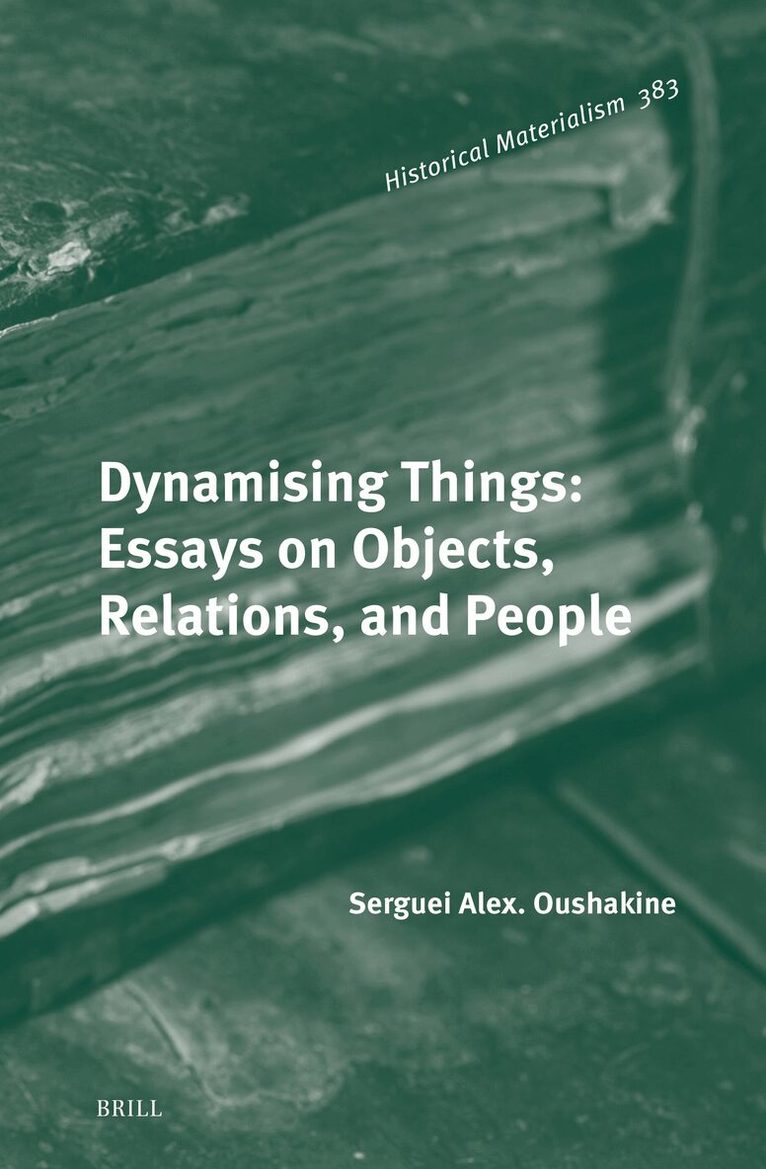
Dynamising Things: Essays on Objects, Relations, and People
Inbunden, Engelska, 2026
2 709 kr
Skickas inom 3-6 vardagar
Using diverse historical and ethnographic materials, this collection explores the various relationships between people and things that were actively fostered during the seven decades of Soviet socialism. It demonstrates how things, not always fully socialist, energized social relations, shaped communities, cultivated new identities, objectified emerging attitudes, and provoked affective attachments. In particular, this collection pays close attention to what Viktor Shklovsky, the founder of Russian Formalism, called “long-term things”—palpable, non-fictitious objects that refuse to disappear, insisting instead on their active presence and enduring relevance.