
Shady Hekmat Nasser – författare
Visar alla böcker från författaren Shady Hekmat Nasser. Handla med fri frakt och snabb leverans.
4 produkter
4 produkter
Inbunden, Engelska, 2025
2 425 kr
Skickas inom 10-15 vardagar
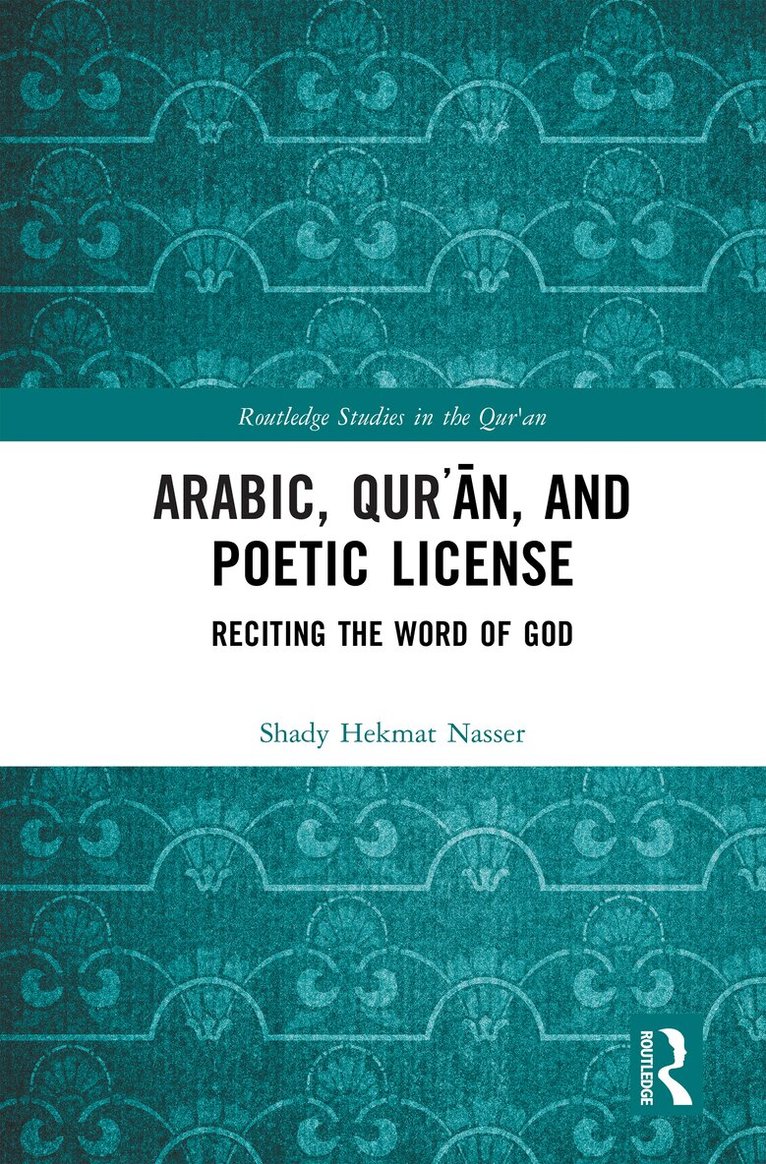
This book examines the similarities between the Qurʾān and ancient Arabic poetry, analyzed through the framework of Arabic grammar prior to their standardization and subsequent development into distinct genres.Of central relevance is the relationship between the Qurʾān and Arabic poetry, and how Muslim scholars defined this relationship based on a formulaic structural approach rather than a thematic and motif-oriented one. The book aims to reposition the so-called non-standard usages of Arabic vernaculars, non-canonical readings of the Qurʾān, and unusual grammatical structures in ancient poetry at the heart of the Arabic-Islamic tradition. The book deals with different theological, legal, and social controversies regarding the proper recitation of the Qurʾān and its individuation from poetry and other verbal arts. For the first time, this study offers a comprehensive categorization of unusual grammatical structures in both the Qurʾān and ancient Arabic poetry, which Arab grammarians classified as poetic license. The close affinity between the linguistic styles of the Qurʾān and ancient Arabic poetry suggests that the Qurʾān was a form of ancient Arabic poetry. To individuate the Qurʾān, Muslim scholars put in place various theological and legal restrictions for its proper recitation, the most important of which was tajwīd (Qurʾānic recitation).The book will interest students and scholars of Qurʾānic and Islamic studies, as well as those researching Arabic poetry and grammar.
Häftad, Engelska, 2026
784 kr
Skickas inom 10-15 vardagar
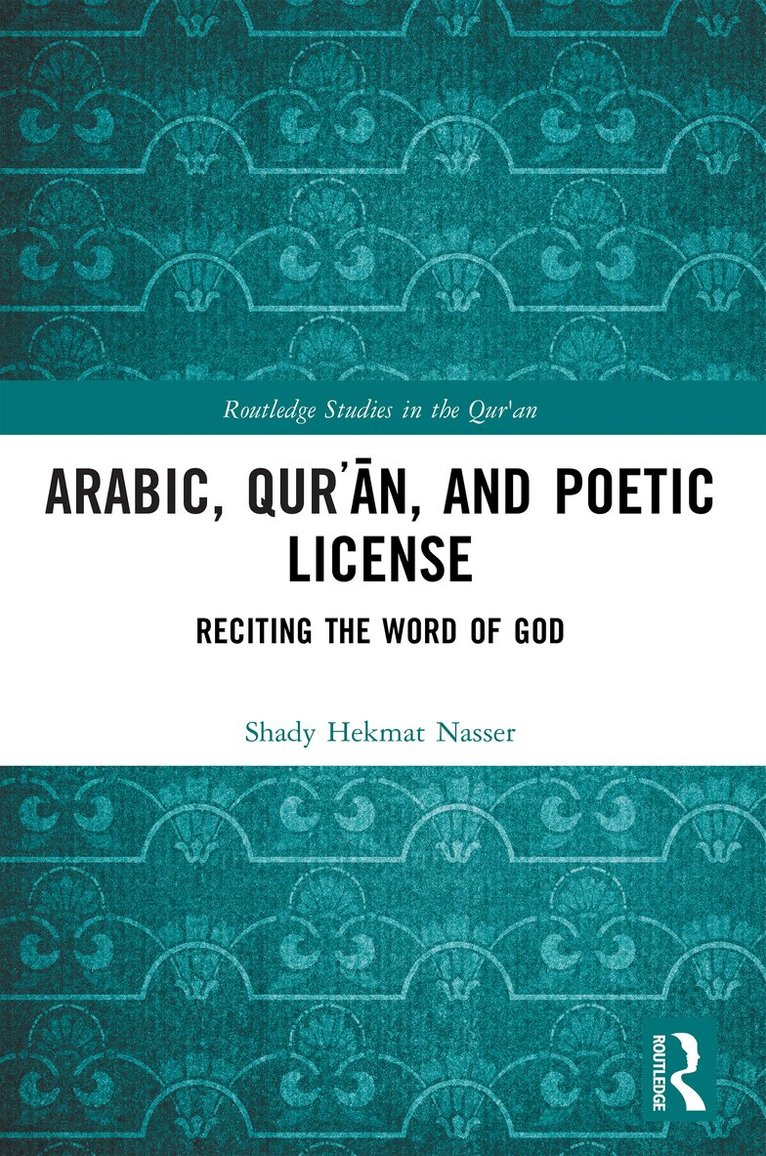
This book examines the similarities between the Qurʾān and ancient Arabic poetry, analyzed through the framework of Arabic grammar prior to their standardization and subsequent development into distinct genres.Of central relevance is the relationship between the Qurʾān and Arabic poetry, and how Muslim scholars defined this relationship based on a formulaic structural approach rather than a thematic and motif-oriented one. The book aims to reposition the so-called non-standard usages of Arabic vernaculars, non-canonical readings of the Qurʾān, and unusual grammatical structures in ancient poetry at the heart of the Arabic-Islamic tradition. The book deals with different theological, legal, and social controversies regarding the proper recitation of the Qurʾān and its individuation from poetry and other verbal arts. For the first time, this study offers a comprehensive categorization of unusual grammatical structures in both the Qurʾān and ancient Arabic poetry, which Arab grammarians classified as poetic license. The close affinity between the linguistic styles of the Qurʾān and ancient Arabic poetry suggests that the Qurʾān was a form of ancient Arabic poetry. To individuate the Qurʾān, Muslim scholars put in place various theological and legal restrictions for its proper recitation, the most important of which was tajwīd (Qurʾānic recitation).The book will interest students and scholars of Qurʾānic and Islamic studies, as well as those researching Arabic poetry and grammar.

E-bok
PDF, Engelska, 2025807 kr
Läs direkt efter köp
This book examines the similarities between the Qur?an and ancient Arabic poetry, analyzed through the framework of Arabic grammar prior to their standardization and subsequent development into distinct genres.Of central relevance is the relationship between the Qur?an and Arabic poetry, and how Muslim scholars defined this relationship based on a formulaic structural approach rather than a thematic and motif-oriented one. The book aims to reposition the so-called non-standard usages of Arabic vernaculars, non-canonical readings of the Qur?an, and unusual grammatical structures in ancient poetry at the heart of the Arabic-Islamic tradition. The book deals with different theological, legal, and social controversies regarding the proper recitation of the Qur?an and its individuation from poetry and other verbal arts. For the first time, this study offers a comprehensive categorization of unusual grammatical structures in both the Qur?an and ancient Arabic poetry, which Arab grammarians classified as poetic license. The close affinity between the linguistic styles of the Qur?an and ancient Arabic poetry suggests that the Qur?an was a form of ancient Arabic poetry. To individuate the Qur?an, Muslim scholars put in place various theological and legal restrictions for its proper recitation, the most important of which was tajwid (Qur?anic recitation).The book will interest students and scholars of Qur?anic and Islamic studies, as well as those researching Arabic poetry and grammar.
E-bok
Engelska, 2025928 kr
Läs direkt efter köp
This book examines the similarities between the Qur?an and ancient Arabic poetry, analyzed through the framework of Arabic grammar prior to their standardization and subsequent development into distinct genres.Of central relevance is the relationship between the Qur?an and Arabic poetry, and how Muslim scholars defined this relationship based on a formulaic structural approach rather than a thematic and motif-oriented one. The book aims to reposition the so-called non-standard usages of Arabic vernaculars, non-canonical readings of the Qur?an, and unusual grammatical structures in ancient poetry at the heart of the Arabic-Islamic tradition. The book deals with different theological, legal, and social controversies regarding the proper recitation of the Qur?an and its individuation from poetry and other verbal arts. For the first time, this study offers a comprehensive categorization of unusual grammatical structures in both the Qur?an and ancient Arabic poetry, which Arab grammarians classified as poetic license. The close affinity between the linguistic styles of the Qur?an and ancient Arabic poetry suggests that the Qur?an was a form of ancient Arabic poetry. To individuate the Qur?an, Muslim scholars put in place various theological and legal restrictions for its proper recitation, the most important of which was tajwid (Qur?anic recitation).The book will interest students and scholars of Qur?anic and Islamic studies, as well as those researching Arabic poetry and grammar.