
Shailendra Bhandare – författare
Visar alla böcker från författaren . Handla med fri frakt och snabb leverans.
3 produkter
3 produkter

Häftad, Engelska, 2026
677 kr
Kommande
Encounters: The Indian Ocean in 50 Objects offers a pioneering study of the Indian Ocean’s history through fifty carefully selected objects, spanning cultures from the Red Sea to Vietnam and covering a period from the fifth century BCE to the sixteenth century CE. This book highlights the dynamic and interconnected nature of the Indian Ocean, transcending national histories and political boundaries. It introduces a unique methodology, using artifacts as bridges to uncover the vibrant cultural exchanges, religious practices, and economic networks that shaped this vast maritime region.Divided into five thematic chapters, the book delves into the treasures of the ocean, the mobility and communication across its waters, the script cultures of graffiti and inscriptions, the entangled histories of coins and seals, and the spread of religious ideas across islands and shared coastal spaces. Readers will gain insights into the complex themes related to the expression of cultural identity through writing; the spread of religious practices, images, and coastal shrines; the connected histories of money; and the continued use of the dhow vignette on banknotes in the post-colonial period.This textbook is an essential resource for undergraduate courses on the early history of the Indian Ocean and South Asian material culture. It is designed for students, researchers, and informed readers curious about the material culture that connected distant coasts and communities across the ocean. The book’s interdisciplinary approach makes it a valuable tool for understanding the complexities of maritime networks and their enduring legacies.

Inbunden, Engelska, 2026
2 627 kr
Kommande
Encounters: The Indian Ocean in 50 Objects offers a pioneering study of the Indian Ocean’s history through fifty carefully selected objects, spanning cultures from the Red Sea to Vietnam and covering a period from the fifth century BCE to the sixteenth century CE. This book highlights the dynamic and interconnected nature of the Indian Ocean, transcending national histories and political boundaries. It introduces a unique methodology, using artifacts as bridges to uncover the vibrant cultural exchanges, religious practices, and economic networks that shaped this vast maritime region.Divided into five thematic chapters, the book delves into the treasures of the ocean, the mobility and communication across its waters, the script cultures of graffiti and inscriptions, the entangled histories of coins and seals, and the spread of religious ideas across islands and shared coastal spaces. Readers will gain insights into the complex themes related to the expression of cultural identity through writing; the spread of religious practices, images, and coastal shrines; the connected histories of money; and the continued use of the dhow vignette on banknotes in the post-colonial period.This textbook is an essential resource for undergraduate courses on the early history of the Indian Ocean and South Asian material culture. It is designed for students, researchers, and informed readers curious about the material culture that connected distant coasts and communities across the ocean. The book’s interdisciplinary approach makes it a valuable tool for understanding the complexities of maritime networks and their enduring legacies.
Häftad, Engelska, 2024
312 kr
Skickas
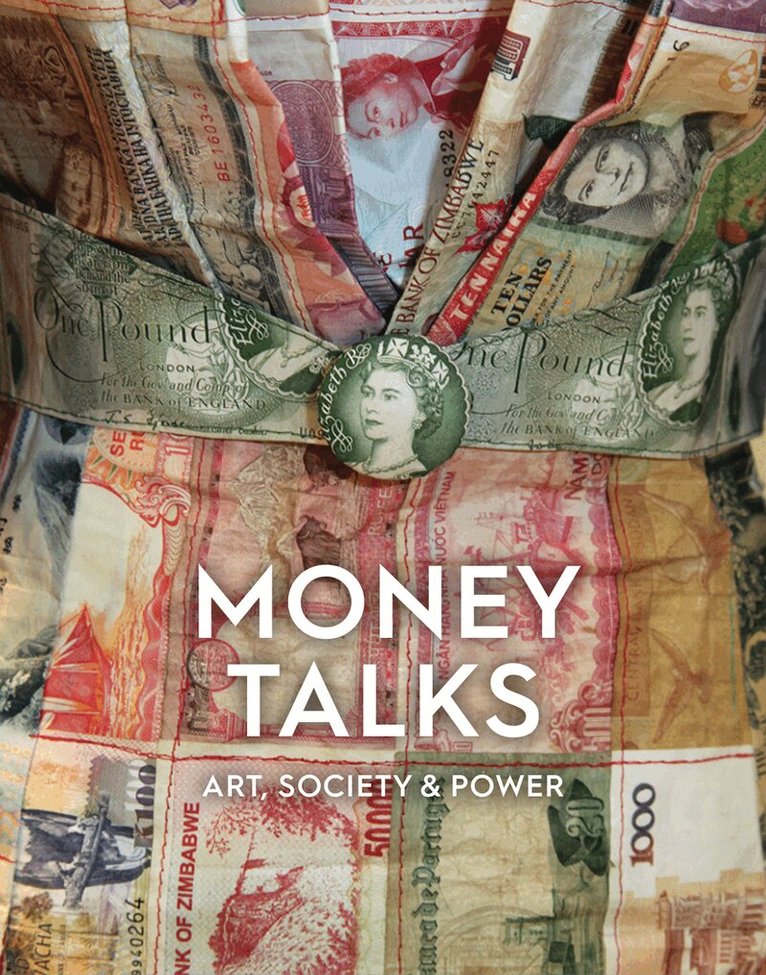
This book aims to tell the story of social history through Money. Money and Art have shared a long history. Both words are metaphors derived from Latin terms used over 2,000 years ago. The word Money derives its modern meaning as the general term for all means of payment from its use as the word for coins in the pre-modern period. Particularly since the introduction of paper money, the word was applied to coins because of the name of the place where coins were made in ancient Rome, the temple of Juno Moneta (Juno the Warner), from this name the word moneta came to mean mint in Latin, and later the product of a mint, i.e. coins. The word Art acquired its modern usage, meaning works of art, both singularly and collectively, from the Latin ars meaning a skill, and it has so been used in English to describe any form of skill, but gradually from the nineteenth century, the word came to signify the product rather than the skill, particularly in relation to painting, graphic works and sculpture. This eclectic collection of stories brings together a multitude of perspectives through collections from the Ashmolean and around the world — from Art Nouveau bank notes and global portrayals of prosperity to activist Money Art. Deep dives into compelling stories reveal humour, hidden surprises and a tension between the power of money and the playfulness of art.