Shailendra Sengar – författare
3 685 kr
Läs direkt efter köp
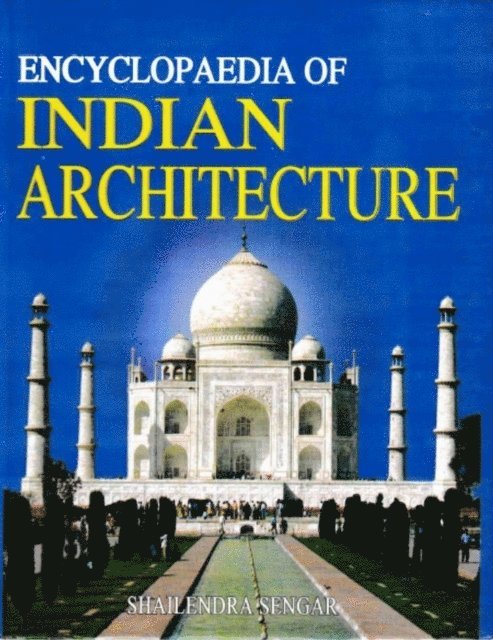
The book is a scholarly account of the glories of India's architectural heritage and deals with the country. the book traces the cultural contacts which have contributed to the rich mosaic of temples, palaces, fort and other monuments that have some towards the creation of the world. photographs and line drawings accompany the text. ''lavishly illustrated, the book tries the text along with sensitive photographs will capture the imagination of the reader. The book will prove to be an invaluable asset not only to the academicians architects, researchers and libraries but also to the general readers.
1 769 kr
Läs direkt efter köp
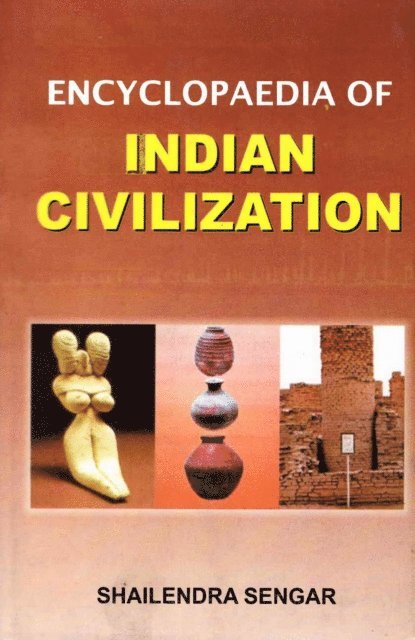
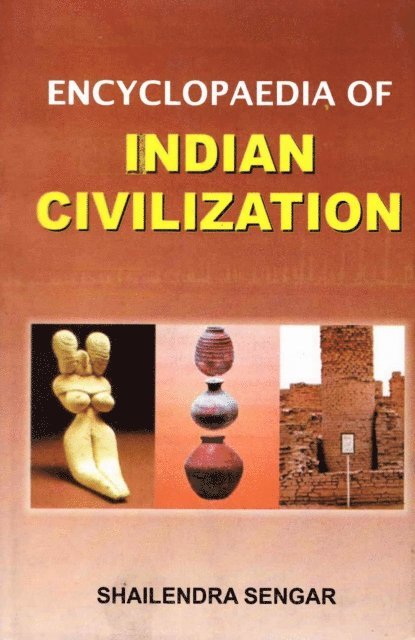
The Lydian civilization dates back to 3200 B.C. Remnants of this civilization are found in Mohen jodaro and Harappa, both in present day Pakistan. Later excavations revealed that the similar culture extended from Makran coast of Baluchistan in the West to Meerut in the Northeast which covered parts of Jammu, Kashmir, Punjab, Haryana, Sindh Gujaraf Rajsthan and Maharashtra forming triangular, comprising 7,299,600square kilometers-the largest civilization in the world. It is also the earliest civilizations of the world as is proved by certain scientific researches in plant-Kinetics accordingly, Punjab in India had the early start of civilization to commence agriculture and grow the food required to sustain the civilization. The book covers all aspects of Indian civilization.
1 733 kr
Läs direkt efter köp
The Lydian civilization dates back to 3200 B.C. Remnants of this civilization are found in Mohen jodaro and Harappa, both in present day Pakistan. Later excavations revealed that the similar culture extended from Makran coast of Baluchistan in the West to Meerut in the Northeast which covered parts of Jammu, Kashmir, Punjab, Haryana, Sindh Gujaraf Rajsthan and Maharashtra forming triangular, comprising 7,299,600square kilometers-the largest civilization in the world. It is also the earliest civilizations of the world as is proved by certain scientific researches in plant-Kinetics accordingly, Punjab in India had the early start of civilization to commence agriculture and grow the food required to sustain the civilization. The book covers all aspects of Indian civilization.
1 347 kr
Läs direkt efter köp
1 347 kr
Läs direkt efter köp
1 347 kr
Läs direkt efter köp
1 347 kr
Läs direkt efter köp
1 347 kr
Läs direkt efter köp
1 347 kr
Läs direkt efter köp
1 347 kr
Läs direkt efter köp
1 347 kr
Läs direkt efter köp
1 347 kr
Läs direkt efter köp
1 347 kr
Läs direkt efter köp
1 288 kr
Läs direkt efter köp
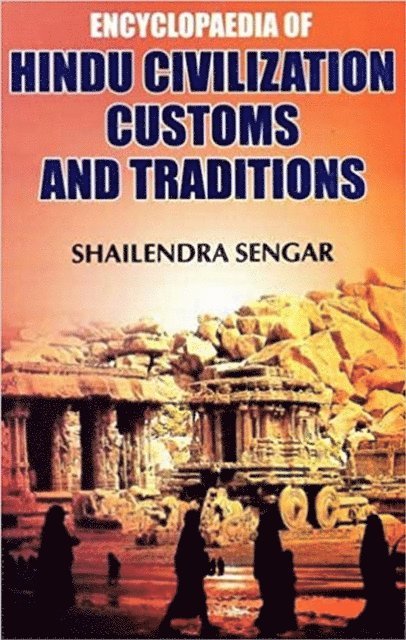
India is one of the ancient civilization of the world. The underlying efficiency of the ancient lndus Valley Civilization is remarkable. The ancient Indus Valley Civilization was quite clearly advanced, to a great extent. The Vedic civilization ii the culture associated with the people who composed the religious texts called the Vedas, in the Indian subcontinent. Hinduism is the religion of the majority of the population of India. The holy books of the religion namely the Vedas and the Upanishads clearly explain the rituals and their mystical contents. They also explain in detail the observance of sacrificial and purification rituals, Hinduism is another name for what is known as Sanatana Dharma. The objective of this book is to offer directly the analysis of Indian Civilization, the great Indian traditions and the unique Indian customs.
4 332 kr
Läs direkt efter köp
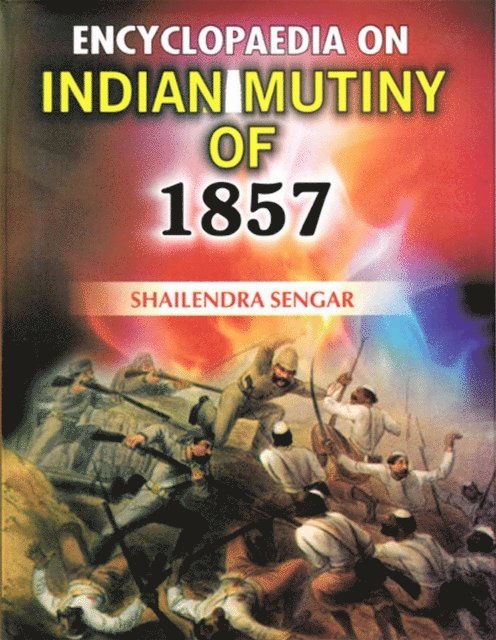
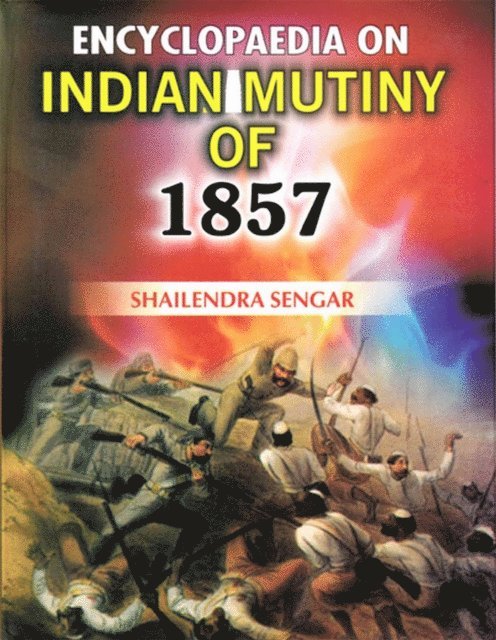
The Government of India celebrated 2007 as the l50th anniversary of what many Indians term as "India's First War of Independence". In the Union Budget of 2007, Rs 10 crore was set aside for the celebration. The British National Army Museum in London mounted a display to mark the l50th anniversary on l0 May 2007 , and has an ongoingor1-line exhibition called "India Rising" India's First War of Independence, termed Sepoy Riots by the British was an attempt to unite lndia against the invading British and to restore power to the Mogul emperor Bahadur Shah. The resistance disintegrated primarily due to lack of leadership and unity on the part of Indians, as also to cruel suppression by the British Army. It was a remarkable event in Indian history and marked the end of the Mogul empire and sealed India's fate as a British colony for the next 100 years. The rebels quickly captured large swaths of the Northwest Provinces and Oudh, including Delhi, where they installed the Mughal ruler, Bahadur Shah Zafar, as Emperor of Hindustan. Aim of this book is to give a panoramic view of this great event. It contains in chronological order the whole story of this great event of h istorical importance, with a detailed biographical account of the leaders of the rebellion.
4 422 kr
Läs direkt efter köp
The Government of India celebrated 2007 as the l50th anniversary of what many Indians term as "India's First War of Independence". In the Union Budget of 2007, Rs 10 crore was set aside for the celebration. The British National Army Museum in London mounted a display to mark the l50th anniversary on l0 May 2007 , and has an ongoingor1-line exhibition called "India Rising" India's First War of Independence, termed Sepoy Riots by the British was an attempt to unite lndia against the invading British and to restore power to the Mogul emperor Bahadur Shah. The resistance disintegrated primarily due to lack of leadership and unity on the part of Indians, as also to cruel suppression by the British Army. It was a remarkable event in Indian history and marked the end of the Mogul empire and sealed India's fate as a British colony for the next 100 years. The rebels quickly captured large swaths of the Northwest Provinces and Oudh, including Delhi, where they installed the Mughal ruler, Bahadur Shah Zafar, as Emperor of Hindustan. Aim of this book is to give a panoramic view of this great event. It contains in chronological order the whole story of this great event of h istorical importance, with a detailed biographical account of the leaders of the rebellion.
4 422 kr
Läs direkt efter köp
The Government of India celebrated 2007 as the l50th anniversary of what many Indians term as "India's First War of Independence". In the Union Budget of 2007, Rs 10 crore was set aside for the celebration. The British National Army Museum in London mounted a display to mark the l50th anniversary on l0 May 2007 , and has an ongoingor1-line exhibition called "India Rising" India's First War of Independence, termed Sepoy Riots by the British was an attempt to unite lndia against the invading British and to restore power to the Mogul emperor Bahadur Shah. The resistance disintegrated primarily due to lack of leadership and unity on the part of Indians, as also to cruel suppression by the British Army. It was a remarkable event in Indian history and marked the end of the Mogul empire and sealed India's fate as a British colony for the next 100 years. The rebels quickly captured large swaths of the Northwest Provinces and Oudh, including Delhi, where they installed the Mughal ruler, Bahadur Shah Zafar, as Emperor of Hindustan. Aim of this book is to give a panoramic view of this great event. It contains in chronological order the whole story of this great event of h istorical importance, with a detailed biographical account of the leaders of the rebellion.
2 863 kr
Läs direkt efter köp
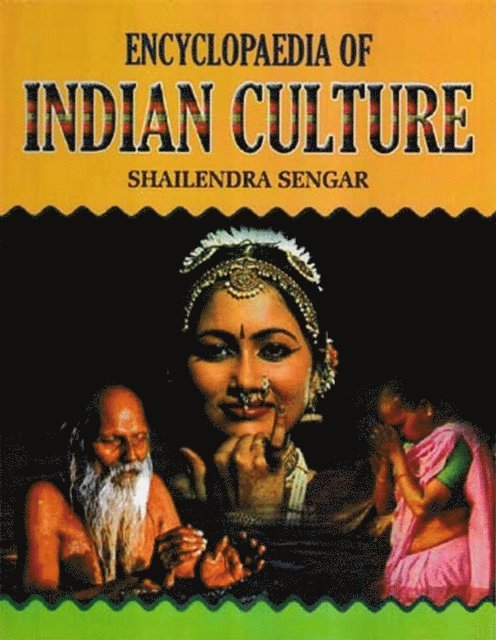
Indian culture is rich and diverse and as a result unique in its very own way. Our manners, way of communicating with one another, etc. are one of the important components of our culture. Even though we have accepted modern means of living, improved our lifestyle, our values and beliefs still remain unchanged. In this comprehensive attempt we present exhaustive and elaborate details about various civilisations, cultures, myths, Gods, faiths, religions, art, music, dance, paintings, architecture, literature, and many more aspects of Indian society-ancient, medieval ,as well as modern.
2 863 kr
Läs direkt efter köp
Indian culture is rich and diverse and as a result unique in its very own way. Our manners, way of communicating with one another, etc. are one of the important components of our culture. Even though we have accepted modern means of living, improved our lifestyle, our values and beliefs still remain unchanged. In this comprehensive attempt we present exhaustive and elaborate details about various civilisations, cultures, myths, Gods, faiths, religions, art, music, dance, paintings, architecture, literature, and many more aspects of Indian society-ancient, medieval ,as well as modern.
5 601 kr
Läs direkt efter köp
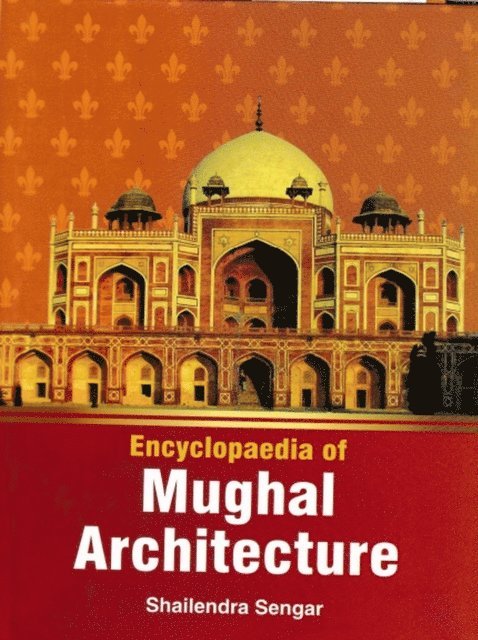
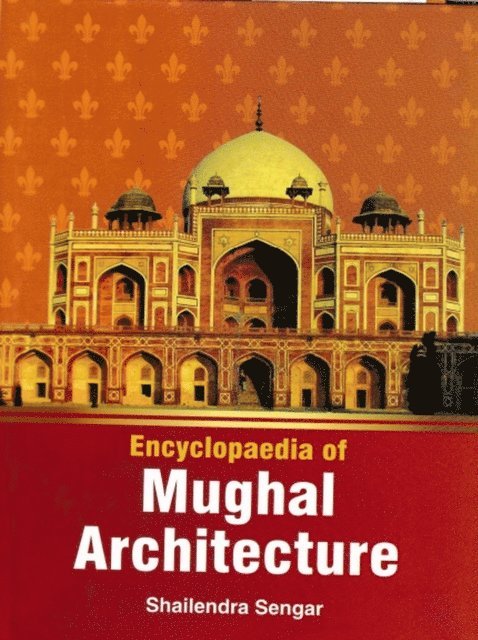
Mughal Architecture was a fully developed style and a perfect discipline, as none was prior to it, medieval India. It had a time-span of 132 years, practically from 1526 to 1658, and Agra-Fatehpur Sikri, Lahore-Kashmir- Kabul, Delhi, Allahabad, Ajmer, Ahmedabad, Mandu and Burhanpur are its major centres. Nearly 400 moment of this style have survived, including city-walls and gates, forts, palaces, tombs, mosques, hammams, gardens, minarets, tanks, steps-wells, sarais, bridges, kos-minars and, of course, the Taj Mahal which marks that zenith of an art from where it could only decline. The force and originally of the style gave way under Shahjahan to a delicate elegance and refinement of detail, illustrated in the magnificent palaces erected in his reign at Agra and Delhi, the latter one the most splendid of the Mogul tombs, and the most renowned building in India, is the Taj Mahal at Agra the tomb of Mumtaz Mahal, the wife of Shah Jahan. This book places this subject in its most modern context as the foundation of this subject It is an authoritative resource of the subject that will benefit research that will benefit researches, students, and teaches alike.
5 601 kr
Läs direkt efter köp
Mughal Architecture was a fully developed style and a perfect discipline, as none was prior to it, medieval India. It had a time-span of 132 years, practically from 1526 to 1658, and Agra-Fatehpur Sikri, Lahore-Kashmir- Kabul, Delhi, Allahabad, Ajmer, Ahmedabad, Mandu and Burhanpur are its major centres. Nearly 400 moment of this style have survived, including city-walls and gates, forts, palaces, tombs, mosques, hammams, gardens, minarets, tanks, steps-wells, sarais, bridges, kos-minars and, of course, the Taj Mahal which marks that zenith of an art from where it could only decline. The force and originally of the style gave way under Shahjahan to a delicate elegance and refinement of detail, illustrated in the magnificent palaces erected in his reign at Agra and Delhi, the latter one the most splendid of the Mogul tombs, and the most renowned building in India, is the Taj Mahal at Agra the tomb of Mumtaz Mahal, the wife of Shah Jahan. This book places this subject in its most modern context as the foundation of this subject It is an authoritative resource of the subject that will benefit research that will benefit researches, students, and teaches alike.