Shanti Parikh – författare
Visar alla böcker från författaren Shanti Parikh. Handla med fri frakt och snabb leverans.
4 produkter
4 produkter
1 362 kr
Skickas inom 5-8 vardagar
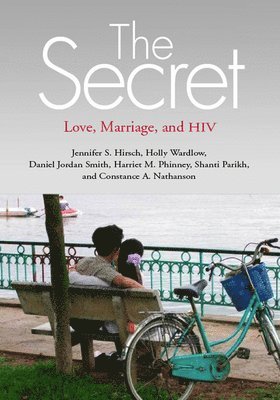
For many women around the world, their greatest risk of HIV infection comes from having sex with the very person with whom they are supposed to have sex: their spouse. ""The Secret"" situates marital HIV risk within a broader exploration of marital and extramarital sexuality in five diverse settings: Mexico, Nigeria, Uganda, Vietnam, and Papua New Guinea. In these settings, the authors write, extramarital sex is an officially secret but actually widespread (and widely acknowledged) social practice, rather than something men do because their bodies demand it and women can't stop them. Drawing on research conducted as part of an innovative comparative ethnographic study, and modeling a novel approach to collaborative anthropological scholarship, the authors show extramarital sex to be a fundamental aspect of gendered social organization. Through theoretically sophisticated yet lucid writing and vivid ethnographic description, drawing on rich data from the marital case studies conducted by research teams in each country, they trace how extramarital opportunity structures, sexual geographies, and concerns about social risk facilitate men's participation in extramarital sex. Also documented throughout is the collision between traditional ways and the new practices of romantic companionate marriage.
553 kr
Skickas inom 5-8 vardagar
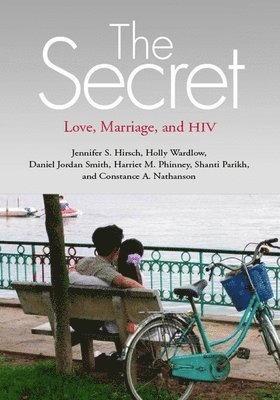
For many women around the world, their greatest risk of HIV infection comes from having sex with the very person with whom they are supposed to have sex: their spouse. ""The Secret"" situates marital HIV risk within a broader exploration of marital and extramarital sexuality in five diverse settings: Mexico, Nigeria, Uganda, Vietnam, and Papua New Guinea. In these settings, the authors write, extramarital sex is an officially secret but actually widespread (and widely acknowledged) social practice, rather than something men do because their bodies demand it and women can't stop them. Drawing on research conducted as part of an innovative comparative ethnographic study, and modeling a novel approach to collaborative anthropological scholarship, the authors show extramarital sex to be a fundamental aspect of gendered social organization. Through theoretically sophisticated yet lucid writing and vivid ethnographic description, drawing on rich data from the marital case studies conducted by research teams in each country, they trace how extramarital opportunity structures, sexual geographies, and concerns about social risk facilitate men's participation in extramarital sex. Also documented throughout is the collision between traditional ways and the new practices of romantic companionate marriage.
Regulating Romance
Youth Love Letters, Moral Anxiety, and Intervention in Uganda’s Time of AIDS
Inbunden, Engelska, 2016
1 401 kr
Skickas inom 5-8 vardagar
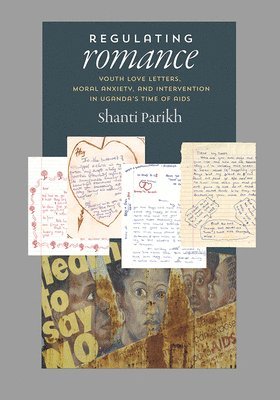
Drawing on ten years of ethnographic research, two hundred fifty interviews, and over three hundred youth love letters, author Shanti Parikh uses lively vignettes to provide a rare window into young people's heterosexual desires and practices in Uganda. In chapters entitled ""Unbreak my heart,"" ""I miss you like a desert missing rain,"" and ""You're just playing with my head,"" she invites readers into the world of secret longings, disappointments, and anxieties of young Ugandans as they grapple with everyday difficulties while creatively imagining romantic futures and possibilities.Parikh also examines the unintended consequences of Uganda's aggressive HIV campaigns that thrust sexuality and anxieties about it into the public sphere. In a context of economic precarity and generational tension that constantly complicates young people's notions of consumption-based romance, communities experience the dilemmas of protecting and policing young people from reputational and health dangers of sexual activity. ""They arrested me for loving a school girl"" is the title of a chapter on controlling delinquent daughters and punishing defiant boyfriends for attempting to undermine patriarchal authority by asserting their adolescent romantic agency. Sex education programs struggle between risk and pleasure amidst morally charged debates among international donors and community elders, transforming the youthful female body into a platform for public critique and concern. The many sides of this research constitute an eloquently executed critical anthropology of intervention.
Regulating Romance
Youth Love Letters, Moral Anxiety, and Intervention in Uganda’s Time of AIDS
Häftad, Engelska, 2016
569 kr
Skickas inom 5-8 vardagar
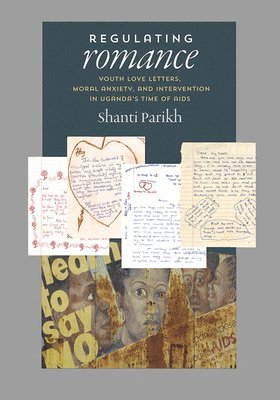
Drawing on ten years of ethnographic research, two hundred fifty interviews, and over three hundred youth love letters, author Shanti Parikh uses lively vignettes to provide a rare window into young people's heterosexual desires and practices in Uganda. In chapters entitled ""Unbreak my heart,"" ""I miss you like a desert missing rain,"" and ""You're just playing with my head,"" she invites readers into the world of secret longings, disappointments, and anxieties of young Ugandans as they grapple with everyday difficulties while creatively imagining romantic futures and possibilities.Parikh also examines the unintended consequences of Uganda's aggressive HIV campaigns that thrust sexuality and anxieties about it into the public sphere. In a context of economic precarity and generational tension that constantly complicates young people's notions of consumption-based romance, communities experience the dilemmas of protecting and policing young people from reputational and health dangers of sexual activity. ""They arrested me for loving a school girl"" is the title of a chapter on controlling delinquent daughters and punishing defiant boyfriends for attempting to undermine patriarchal authority by asserting their adolescent romantic agency. Sex education programs struggle between risk and pleasure amidst morally charged debates among international donors and community elders, transforming the youthful female body into a platform for public critique and concern. The many sides of this research constitute an eloquently executed critical anthropology of intervention.