Shelley L. Smith – författare
Visar alla böcker från författaren Shelley L. Smith. Handla med fri frakt och snabb leverans.
7 produkter
Developing the Hall of Human Origins
Adaptive Resilience
Inbunden, 2024
2512 kr
Lägg i varukorg
This book focuses on the development of the National Museum of Natural History’s David H. Koch Hall of Human Origins. As one of the most visited human evolution exhibits in the world and the largest such exhibit in the United States, it has tremendous influence on public perception and knowledge of …
Developing the Hall of Human Origins
Adaptive Resilience
Häftad, 2026
706 kr
Lägg i varukorg
This book focuses on the development of the National Museum of Natural History’s David H. Koch Hall of Human Origins. As one of the most visited human evolution exhibits in the world and the largest such exhibit in the United States, it has tremendous influence on public perception and knowledge of …
Developing the Hall of Human Origins
Adaptive Resilience
E-bok, 2024
838 kr
Lägg i varukorg
This book focuses on the development of the National Museum of Natural History’s David H. Koch Hall of Human Origins. As one of the most visited human evolution exhibits in the world and the largest such exhibit in the United States, it has tremendous influence on public perception and knowledge of …
Developing the Hall of Human Origins
Adaptive Resilience
E-bok, 2024
856 kr
Lägg i varukorg
This book focuses on the development of the National Museum of Natural History’s David H. Koch Hall of Human Origins. As one of the most visited human evolution exhibits in the world and the largest such exhibit in the United States, it has tremendous influence on public perception and knowledge of …
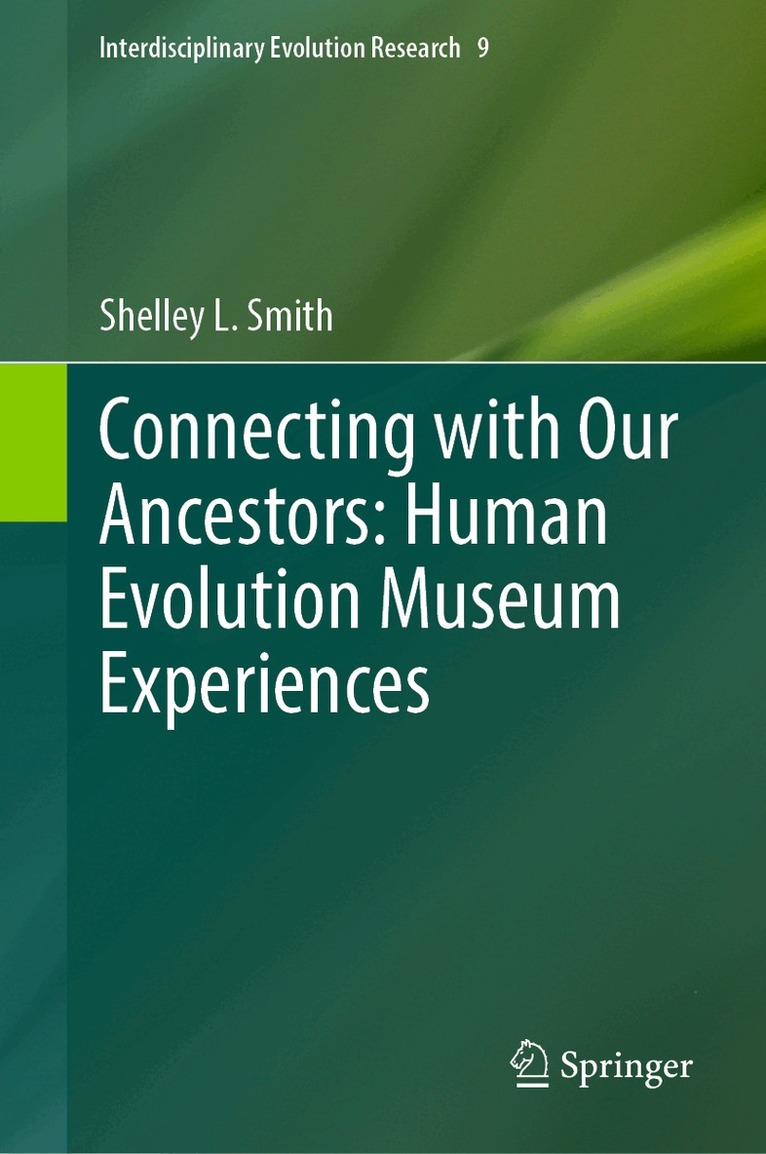
Connecting with Our Ancestors: Human Evolution Museum Experiences
Inbunden, 2024
1425 kr
Lägg i varukorg
This book combines documentation and analysis of the contents of exhibits in 12 museums (Part 1) with interviews with experts involved in the creation of exhibits (Part 2) to explore variation in human evolution exhibits.To be successful, museum exhibits must make a personal connection with …
Connecting with Our Ancestors: Human Evolution Museum Experiences
E-bok, 2024
1793 kr
Lägg i varukorg
This book combines documentation and analysis of the contents of exhibits in 12 museums (Part 1) with interviews with experts involved in the creation of exhibits (Part 2) to explore variation in human evolution exhibits. To be successful, museum exhibits must make a personal connection with …
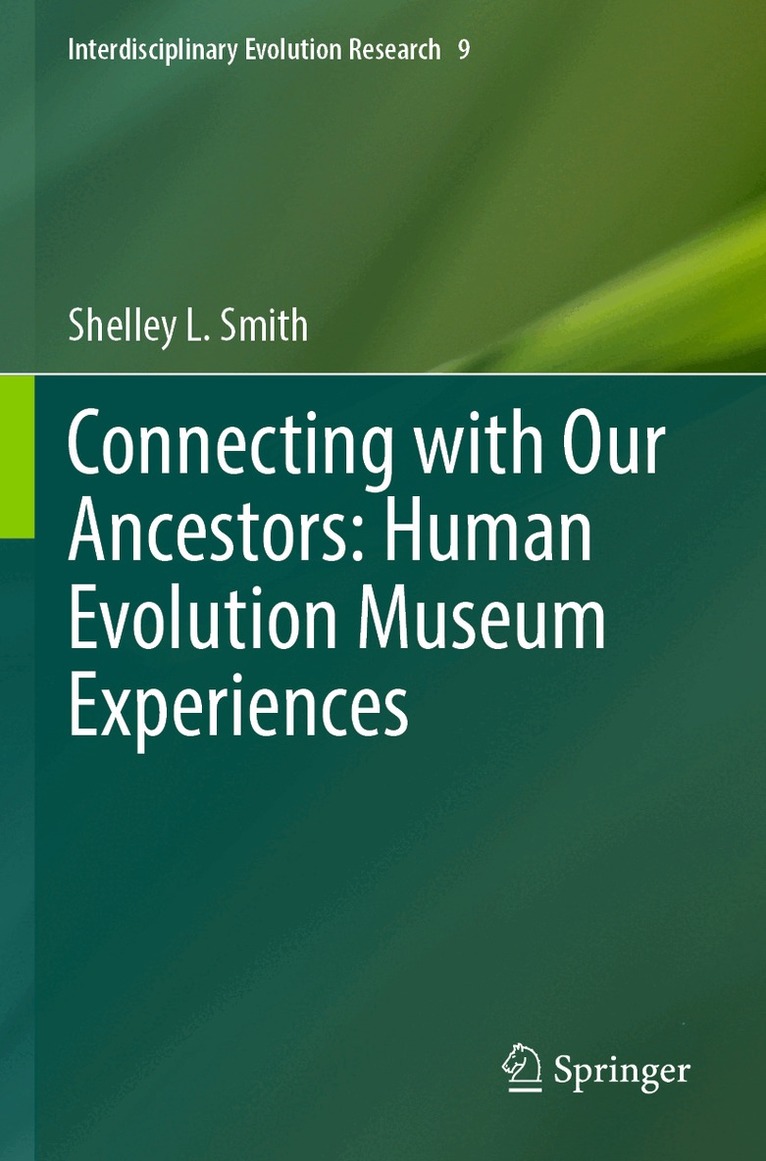
Connecting with Our Ancestors: Human Evolution Museum Experiences
Häftad, 2025
1425 kr
Lägg i varukorg
This book combines documentation and analysis of the contents of exhibits in 12 museums (Part 1) with interviews with experts involved in the creation of exhibits (Part 2) to explore variation in human evolution exhibits.To be successful, museum exhibits must make a personal connection with …